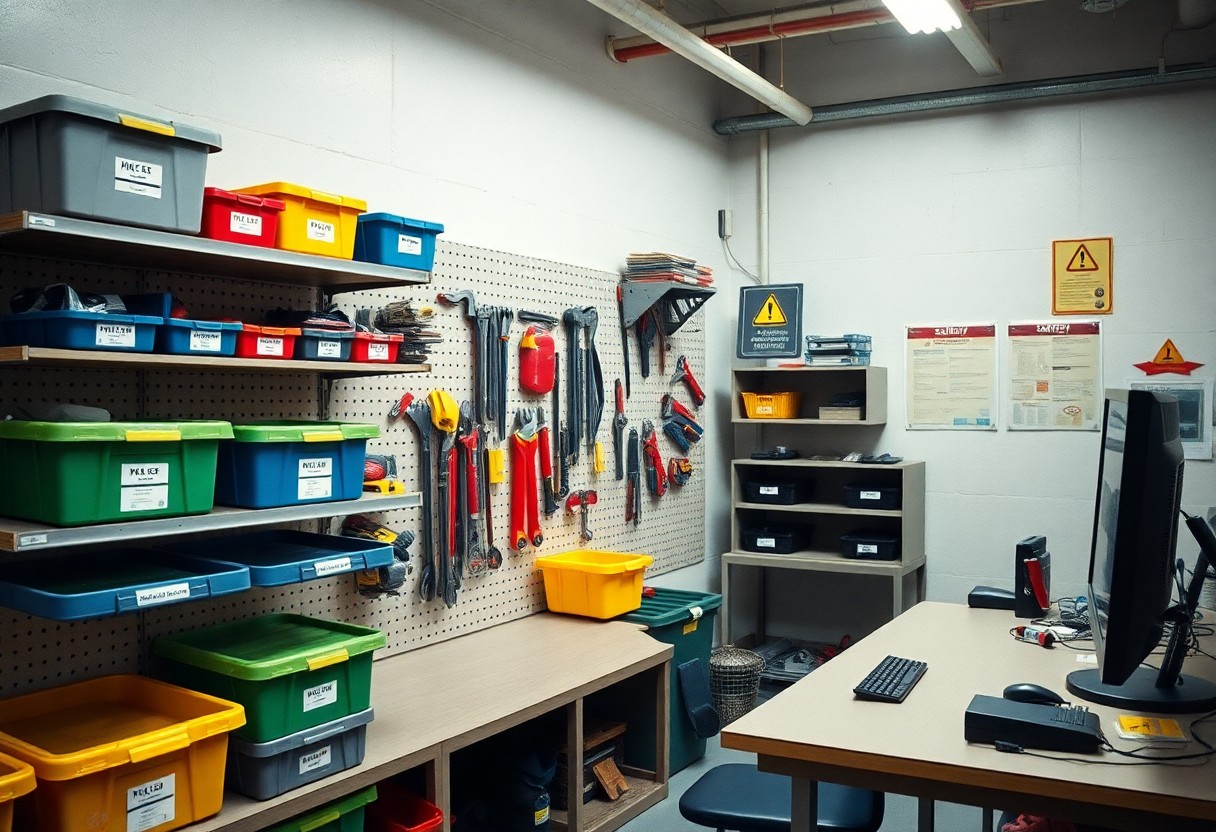
Organization is important for enhancing safety in your workspace. Implementing the 5S methodology—Sort, Set in Order, Shine, Standardize, and Sustain—enables you to eliminate hazards and promote efficiency. By keeping your environment tidy and well-organized, you can minimize accidents and improve overall productivity. Let’s explore how applying these principles can lead to a safer, more effective work setting for you and everyone around you.
Key Takeaways:
- Implementing 5S principles enhances workplace organization and safety.
- Regularly review and maintain workspace order to minimize hazards.
- Engagement of all team members is important for successful 5S practices.
Understanding 5S
What is 5S?
5S is a systematic approach to workplace organization that focuses on five key principles: Sort, Set in order, Shine, Sustain, and Standardize. This methodology helps you identify and eliminate waste, create a more efficient workspace, and ensure safety standards are met. By engaging in the 5S process, you can foster a culture of continuous improvement that benefits both productivity and personnel well-being.
The Importance of 5S for Safety
5S significantly impacts safety by minimizing hazards and creating a more organized work environment. When you implement these principles, you reduce clutter, ensure proper storage of tools and equipment, and make emergency exits more accessible. An orderly workspace allows for better visibility and awareness of potential dangers, ultimately leading to fewer accidents and injuries.
Implementing 5S can lead to a dramatic reduction in workplace hazards. For example, a study found that companies using 5S saw a reduction in incident rates by up to 50%. When tools are easily found and stored properly, there’s less likelihood of accidents caused by tripping or misplacing equipment. Furthermore, workplaces become more compliant with safety regulations, allowing you to avoid costly fines and enhance employee morale by demonstrating your commitment to their safety.
The 5S Principles
The 5S principles—Sort, Set in Order, Shine, Standardize, and Sustain—provide a structured framework for organizing your workspace effectively. By systematically applying these principles, you can enhance safety, improve efficiency, and create a more enjoyable work environment. Each phase addresses specifically how to eliminate waste and streamline processes, which is central to ensuring your workplace remains safe and productive.
Sort: Identifying Essential Items
Sorting involves evaluating all items in your workspace and removing those that are unnecessary. By focusing on identifying important tools and materials, you reduce clutter, which in turn minimizes risks of accidents and improves overall efficiency. You should categorize items into ‘keep’, ‘discard’, and ‘relocate’ to ensure only what you truly need is within reach.
Set in Order: Organizing the Workspace
Setting in order means arranging items for optimal accessibility and safety. You will want to establish designated places for all important tools, labeling storage areas clearly. This organization promotes efficiency while also decreasing the likelihood of accidents, as everything you need is easy to find and use.
To effectively implement Set in Order, consider using visual aids like shadows, labels, and color coding to identify where items belong. For instance, using a shadow board for tools not only indicates the proper spot but also quickly highlights any missing equipment. You should also prioritize storing frequently used items within easy reach, thereby reducing unnecessary movements that could lead to injuries. This thoughtful arrangement fosters a safer workspace where you can focus on your tasks without the distractions of disorganization.
Shine: Keeping the Workspace Clean
Maintaining a clean workspace not only enhances safety but also boosts productivity. Regular cleaning removes dust, debris, and potential hazards, creating a more inviting environment. A tidy workspace improves focus, reduces stress, and minimizes the risk of accidents. By incorporating the Shine principle into your routine, you ensure that your environment supports both safety and efficiency, ultimately leading to a healthier workplace culture.
Cleaning Strategies
Effective cleaning strategies involve establishing a regular schedule and assigning specific responsibilities. Implement daily, weekly, and monthly cleaning tasks to prevent buildup of dirt and clutter. Utilizing checklists can streamline the process, ensuring that no areas are overlooked. Consistent communication and team involvement foster a culture that prioritizes cleanliness, enhancing overall compliance with safety standards.
Tools for Effective Cleaning
To effectively clean your workspace, invest in necessary cleaning tools. Basic equipment like brooms, mops, vacuum cleaners, and microfiber cloths are foundational. Additionally, consider using specialized tools such as industrial cleaners for stubborn stains or dusters for hard-to-reach areas. Choosing the right tools ensures that you maintain cleanliness without compromising the integrity of your workspace.
High-quality cleaning tools significantly impact your cleaning efficiency and effectiveness. Ergonomic designs, for instance, reduce physical strain during cleaning tasks, promoting greater compliance among team members. Products designed specifically for your industry can better address unique challenges, such as grease or chemicals. Investing in durable, long-lasting tools not only saves money in the long run but also reinforces your commitment to a clean and safe environment.

Standardize: Creating Consistency
Establishing standards is important for maintaining an organized workspace. By implementing standardized procedures, you create a framework that ensures every task is completed consistently and efficiently across your team. This leads to improved quality and safety, reducing the likelihood of errors or accidents. 5S – What are The Five S’s of Lean? guidelines can help structure this process.
Developing Standard Operating Procedures
To create effective standard operating procedures (SOPs), begin by documenting each step of important tasks in your workspace. Each procedure needs to be clear and concise, including specific instructions that individuals can follow easily. Use visual aids where possible to enhance understanding and retention, and ensure that your SOPs are accessible to all team members.
Training for Consistency
Your training programs must be designed to reinforce the standards established in your SOPs. Regular training ensures that everyone is familiar with procedures and understands the importance of consistency in their tasks. Incorporating tools like checklists or performance reviews can provide ongoing support for employees.
To enhance the effectiveness of your training, consider utilizing hands-on demonstrations and simulations. These methods engage employees and increase comprehension, as they can practice applying the procedures in a controlled environment. Providing feedback during the training reinforces correct practices while allowing corrections where necessary. Continuous improvement should be your goal, ensuring that all team members are fully capable, aware, and aligned with established procedures.
Sustain: Maintaining 5S Practices
Sustaining the gains achieved through the 5S process requires ongoing commitment and action. It’s necessary to integrate 5S practices into daily routines, ensuring that organization and cleanliness become second nature. You can achieve this by promoting regular training sessions and making 5S a part of performance evaluations to reinforce its importance within the workplace.
Regular Audits and Reviews
Conducting regular audits and reviews keeps 5S practices in check. Schedule monthly inspections to assess adherence to standards, identifying areas for improvement. Use checklists that pinpoint all five elements of 5S, ensuring that your workspace consistently meets established expectations.
Cultivating a 5S Culture
To foster a 5S culture, involve your team in decision-making and problem-solving processes. Encourage everyone to contribute ideas for continuous improvement and recognize efforts towards maintaining 5S principles. By empowering employees, you create a sense of ownership and accountability that sustains the momentum of organization and safety.
Employing effective communication strategies is key to cultivating a 5S culture. For instance, hold regular meetings where team members can share experiences and challenges related to 5S practices. Showcase examples of outstanding organization and cleanliness, perhaps through a ‘5S Champion’ recognition program. This not only motivates individuals but also reinforces the behaviors that sustain 5S. You could even implement a visual tracking system, like progress boards, to solidify a collective commitment to sustaining a clean and organized workspace.
Final Words
Conclusively, implementing the 5S methodology in your workspace not only enhances safety but also improves efficiency and productivity. By organizing, standardizing, and maintaining your environment, you minimize risks and create a more pleasant work atmosphere. Regularly practicing the principles of Sort, Set in Order, Shine, Standardize, and Sustain allows you to take ownership of your workspace, ensuring that you and your colleagues can work with confidence and clarity. Prioritize this approach to foster a culture of safety and excellence in everything you do.
FAQ
Q: What is the 5S methodology in the context of workplace safety?
A: The 5S methodology stands for Sort, Set in Order, Shine, Standardize, and Sustain. It focuses on organizing and maintaining a clean workspace to reduce hazards and improve safety. Each step contributes to creating a more organized environment, leading to enhanced productivity and reduced accidents.
Q: How does implementing 5S practices improve safety in the workplace?
A: Implementing 5S practices helps identify and eliminate unnecessary items, ensuring that workers have easy access to tools and materials. A clean and organized workspace minimizes tripping hazards, reduces the risk of accidents, and enhances overall efficiency and safety in daily operations.
Q: What steps can be taken to sustain the 5S practices in the long term?
A: To sustain 5S practices, regular training and refresher courses should be provided to employees, along with scheduled audits to assess compliance. Encouraging employee involvement in maintaining the workspace and recognizing efforts can also help promote a culture of safety and organization within the workplace.