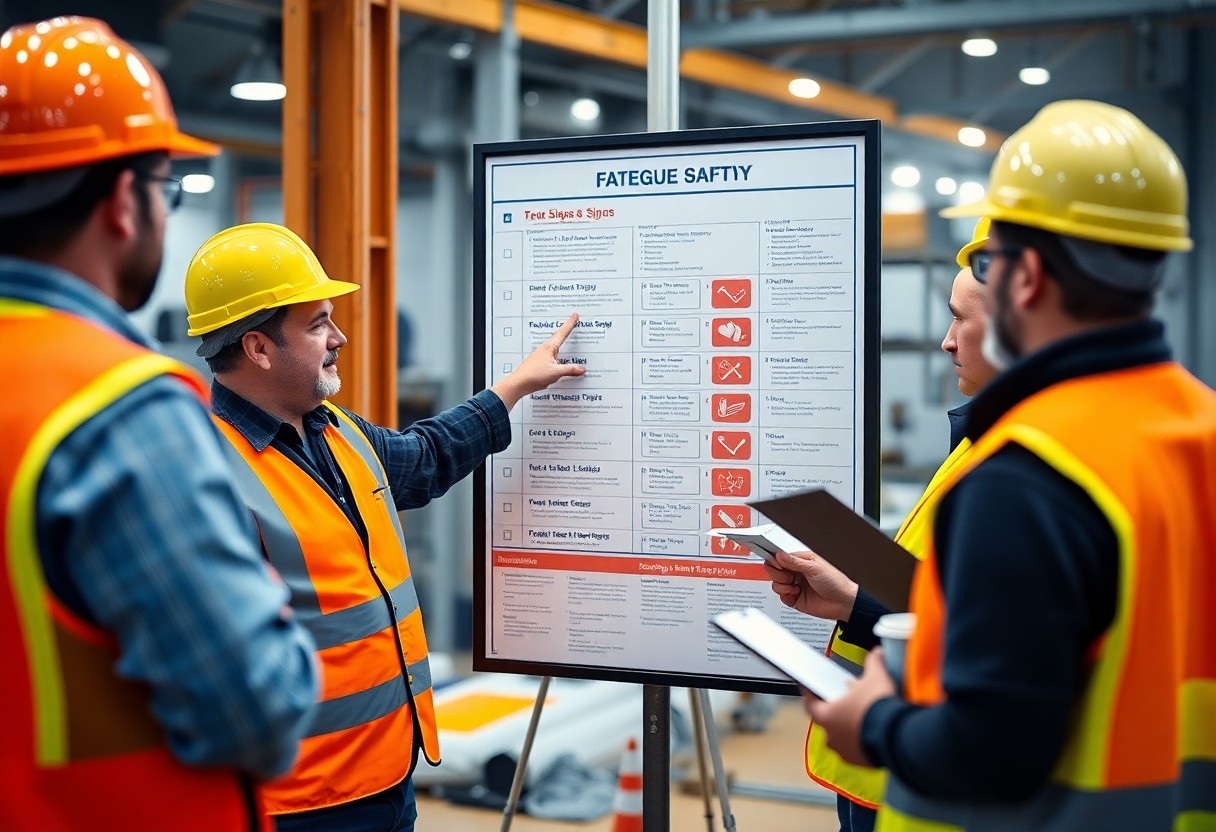
Overtired workers face a hidden threat: when you are fatigued your reaction time slows and judgment falters, increasing the risk of serious injury and fatal incidents. This talk shows how to spot signs in yourself and teammates and apply simple controls-scheduling, enforced breaks, and adequate sleep-to lower hazards and maintain alertness. You will learn practical steps to reduce errors, protect your health and keep your team safe.
Key Takeaways:
- Fatigue impairs alertness, reaction time and judgment, substantially increasing the risk of errors, accidents and near misses.
- Watch for signs like persistent yawning, microsleeps, slowed responses and attention lapses; mitigate with adequate sleep, regular breaks, limited overtime and task rotation.
- Employers must assess fatigue risks, implement safer schedules and reporting procedures, and provide fatigue-management training and controls.
Understanding Fatigue
Fatigue shows up as reduced vigilance, slower decision-making and frequent microsleeps, and when you’re on the job it directly raises the chance of near misses and accidents. The CDC reports roughly one-third of adults sleep less than 7 hours nightly, and the NHTSA links drowsy driving to at least 100,000 crashes a year. You should treat fatigue as a predictable, measurable hazard that compounds with long shifts, night work and accumulated sleep debt.
Definition of Fatigue
Fatigue is the combined physical and mental decline from insufficient sleep, circadian misalignment or prolonged wakefulness. You accumulate sleep debt when nightly rest falls short of the adult need of 7-9 hours, and staying awake 17+ hours impairs performance similarly to about 0.05% blood-alcohol concentration. Typical signs you’ll notice include yawning, slowed reactions, poor concentration and short involuntary microsleeps.
Causes of Fatigue
Insufficient sleep, long or irregular shifts, night work and extended overtime are primary drivers of workplace fatigue. If you have sleep apnea or take sedating medications (first‑generation antihistamines, some antidepressants), your daytime sleepiness will increase. Alcohol, high workload and emotional stress also reduce alertness. Roughly 15-20% of the workforce does shift work, which intensifies risk when combined with long hours or disrupted circadian rhythms.
For example, commercial drivers and heavy-equipment operators who average under 5 hours of sleep show markedly higher crash and incident rates in multiple studies, and working shifts of 12+ hours consistently correlates with increased errors in healthcare and construction. Also note that common remedies-alcohol or OTC antihistamines like diphenhydramine-worsen impairment, while undiagnosed sleep disorders such as obstructive sleep apnea often cause persistent daytime sleepiness.
Fatigue and Safety
Your ability to spot hazards and make split-second decisions deteriorates long before you feel exhausted; being awake for 17-19 hours produces impairment similar to a 0.05% BAC and 24 hours equals about 0.10% BAC. When your sleep drops below the recommended 7+ hours, expect slower reaction times, attention lapses and more frequent near-misses that compound over a shift and across a workweek.
Impact on Job Performance
When you’re short on sleep, tasks that require vigilance-driving, operating heavy machinery, monitoring systems-suffer immediately; studies show workers sleeping ≤6 hours face about a 1.7× higher injury risk. Your judgment degrades, routine checks are skipped, and response times lengthen, turning small errors into high-consequence failures during critical moments.
Consequences of Fatigue-Related Incidents
Fatigue-driven events often result in fatalities, severe injuries, equipment loss and extended downtime, plus regulatory scrutiny and fines that hit budgets and morale. Transportation and industrial safety boards frequently list sleep loss as a contributing factor in multi-vehicle crashes and catastrophic plant incidents, amplifying operational and legal consequences.
In practice, one fatigue-related mistake can cascade: a drowsy forklift operator missing a stop can cause a tip-over, injuring staff and triggering investigations, lost production and repair bills. You can mitigate these outcomes by enforcing adequate rest (aim for 7+ hours), allowing 20-30 minute naps where appropriate, and restructuring shifts to limit prolonged wakefulness.
Identifying Signs of Fatigue
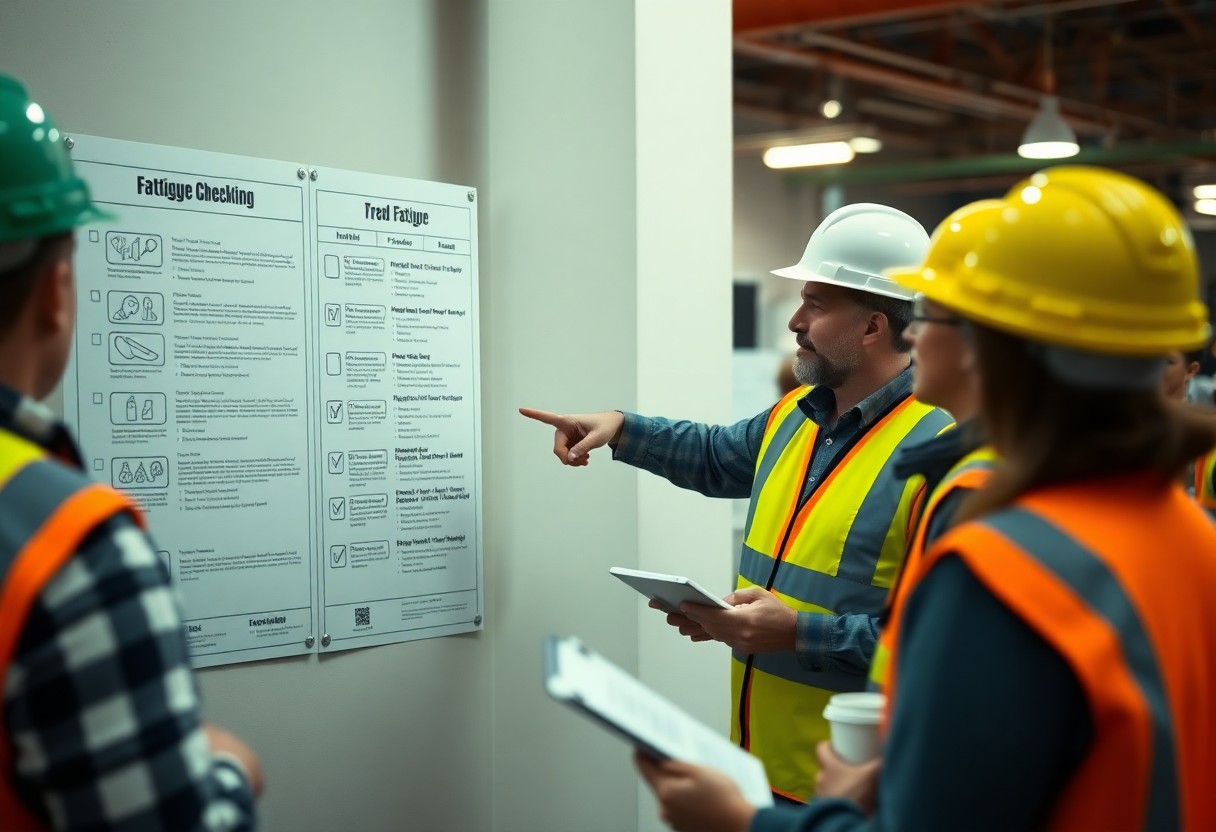
Scan your workplace and yourself for early warnings: signs often appear long before you feel overtired. Physiological cues and behavioral changes precede incidents-microsleeps lasting 1-4 seconds and being awake for 17-19 hours impair performance similarly to a 0.05-0.1% BAC. Spotting these indicators lets you act before errors, near misses, or injuries rise sharply.
Physical Signs
You may notice repeated yawning, heavy eyelids, slower blink rate, frequent eye rubbing, or involuntary head nods; these are red flags. Blurred vision, reduced coordination, and sudden muscle heaviness signal that your reaction time and motor control are degrading. Even short microsleeps (1-4 seconds) can cause catastrophic lapses when operating vehicles or machinery.
Behavioral Signs
Changes in how you work often reveal fatigue: missed safety steps, skipped checks, drifting focus, and inconsistent task performance. Error rates and near misses climb-shift handovers and late-night tasks show the biggest spikes. Studies equate prolonged wakefulness to alcohol impairment, so when you spot repeated shortcuts or delayed responses, treat them as serious safety warnings.
For example, you might catch yourself repeating a task, applying the wrong torque, or braking late while driving a company vehicle; supervisors often see more informal complaints and late-arrival incidents on fatigued crews. Track patterns-higher near-miss reports, increased quality defects, or repeated safety briefings ignored are measurable signs that fatigue is affecting team reliability and must be addressed.
Strategies for Managing Fatigue
You should combine system-level controls with personal habits: aim for 7-9 hours sleep nightly, and respect that being awake 17 hours produces impairment similar to 0.05% BAC while 24 hours is roughly 0.10% BAC. Employers and individuals must target schedules, naps and countermeasures together so you don’t rely on willpower alone; practical limits and monitoring reduce incidents more effectively than ad hoc fixes.
Organizational Practices
You can push for policies that limit long shifts and ensure recovery: use forward-rotating rosters, set a minimum of 10 hours off between shifts, avoid repeated night shifts, and cap shifts near 12 hours. Implement a Fatigue Risk Management System (FRMS), mandatory fatigue training, and on-site short-nap facilities or monitored break protocols so your team has structured, evidence-based protections.
Individual Strategies
You need practical, evidence-based tactics: keep a regular sleep schedule, use strategic caffeine (about 200 mg early in a shift), take a 20-30 minute nap for immediate alertness, employ bright-light exposure to shift circadian timing, and avoid screens an hour before bedtime to improve sleep quality.
For more detail, plan naps deliberately: a 20-30 minute nap boosts alertness for 2-4 hours, while a 90-minute nap completes a sleep cycle and reduces sleep inertia when you can afford it. If you’ve been awake over 24 hours, do not perform safety-critical tasks or drive-your impairment equals a legally intoxicated state. Track sleep with a diary or app so you can spot patterns and adjust schedules before fatigue becomes an emergency.
Creating a Fatigue Management Plan
Design a written plan that assigns responsibilities, risk assessments and measurable goals. Include rostering rules, incident-triggered investigations and a confidential reporting process; see The Hidden Dangers of Fatigue in the Workplace for employer guidance. Most adults need 7-9 hours of sleep, so limit consecutive night shifts to 2-3 where possible and schedule 15-30 minute breaks every 4 hours to reduce microsleeps and errors.
Developing Policies
Write clear rules that cap shift length (for example, 12 hours maximum) and require a minimum rest period (aim for 10 hours off between shifts). Specify overtime controls, fitness-for-duty checks, sleep-disorder screening, and a non-punitive self-reporting pathway; include enforcement steps and regular audits so you can measure reductions in near-misses and incidents.
Training and Awareness
Provide training that teaches sleep science, recognition of signs such as microsleeps and slowed reactions, and personal risk mitigation strategies. Use brief toolbox talks, e-learning modules and supervisor coaching so your team knows when to report fatigue, how to adjust schedules, and why 7-9 hours of sleep matters for safety.
Deliver recurring modules (20-30 minutes) combining interactive e-learning, scenario-based drills and supervisor-led reviews; include validated tools like the Karolinska Sleepiness Scale (KSS) and the Epworth Sleepiness Scale for self-assessment. Test knowledge before and after training, track KSS/Epworth scores and near-miss trends, and update content every 6-12 months based on incident data so your program stays effective.
The Role of Leadership in Addressing Fatigue
Setting a Safety Culture
You must model and enforce policies that make rest a workplace expectation: limit after-hours contact, schedule no more than 12-hour shifts where possible, and cap weekly hours to avoid chronic overload (studies flag >60 hours/week as higher risk). Require and monitor paid rest breaks, audit rosters for back-to-back night shifts, and hold supervisors accountable for sleep-friendly scheduling-these actions translate directly into fewer errors and lower incident rates.
Encouraging Open Communication
You should create a non-punitive reporting path so workers can report fatigue without fear of discipline. Implement anonymous or confidential channels, daily check-ins on fatigue, and formal return-to-duty conversations. Organizations that remove blame see earlier reports and quicker interventions, letting you correct staffing or reassign safety-sensitive tasks before risk escalates.
Use specific triggers and tools: ask about sleep <5 hours, consecutive 12-hour shifts, or cumulative >60 hours/week and screen with the Karolinska Sleepiness Scale (KSS); a score of 7 or higher should prompt immediate removal from critical duties and a documented supervisor follow-up within 24 hours. Train managers with scripts for empathetic conversations and track reported fatigue, near-misses, and corrective actions to measure program effectiveness.
Final Words
The hidden hazard of fatigue demands that you treat sleep and rest as safety controls: monitor your alertness, take planned breaks, avoid extended shifts, and report impairment so your team stays protected. You set the standard by speaking up, supporting coworkers, and following fatigue management practices to keep incidents from occurring.
FAQ
Q: Why is fatigue considered a hidden safety hazard?
A: Fatigue reduces vigilance, slows reaction time, degrades decision-making, and increases the likelihood of lapses and microsleeps. Unlike visible hazards (spills, broken guards), fatigue is internal and often develops gradually from sleep debt, long shifts, circadian disruption or medical conditions. Workers may underreport tiredness because they fear discipline or feel pressure to maintain productivity, so fatigue can persist unnoticed until it contributes to a near miss or incident. Chronic fatigue also impairs situational awareness and teamwork, increasing risk across operations rather than at a single moment.
Q: What signs indicate a worker is too fatigued to perform safety-critical tasks, and what should supervisors do?
A: Observable signs include slowed responses, difficulty concentrating, frequent yawning, heavy eyelids, erratic performance, increased errors, lapses in judgement, mood changes or poor coordination. Supervisors should act immediately: remove the worker from safety-critical duties, arrange a rest break or a short recovery nap if facilities allow, provide a quiet area and supervision for safe transport home if needed, and document the event. Follow-up actions include assessing work-rest schedules, checking for patterns of fatigue, offering medical referral for possible sleep disorders, and using a non-punitive reporting approach so workers report fatigue without fear of reprisal.
Q: What effective controls and policies reduce fatigue-related risk in the workplace?
A: Implement engineering and administrative controls: design predictable schedules with adequate rest (minimum rest periods between shifts, limits on consecutive night shifts and overtime), use forward-rotating shifts, and limit shift lengths for safety-sensitive roles. Provide education on sleep hygiene and the effects of sleep disorders, create a fatigue risk management program (FRMS) that includes monitoring and incident investigation for fatigue factors, and offer workplace measures such as scheduled breaks, on-site rest rooms or nap opportunities for extended operations, and safe transport options after night shifts. Encourage open reporting, train supervisors to spot and manage fatigue, and consider screening and treatment pathways for suspected sleep disorders to address root causes.