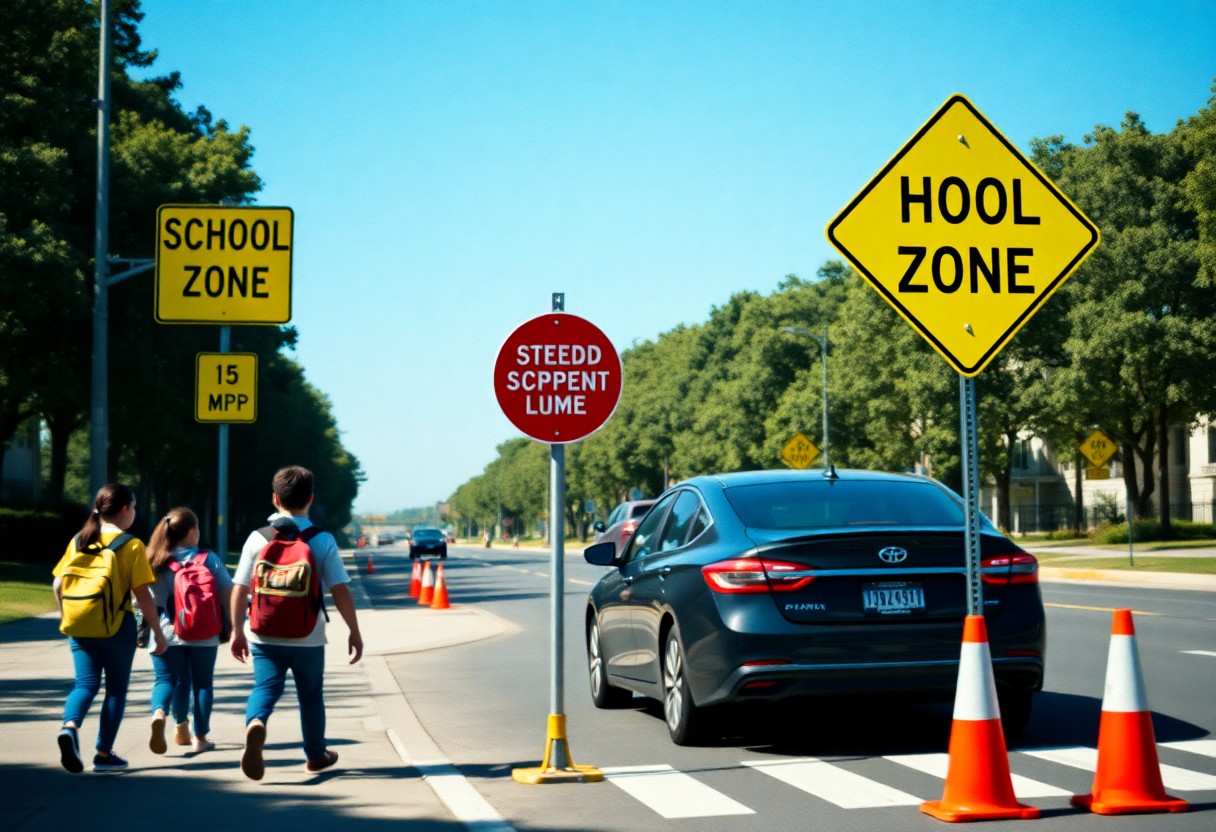
Most accidents in school zones occur due to speeding and inattentive driving. It’s your responsibility to ensure children’s safety by adhering to reduced speed limits and staying alert for pedestrians. These zones are filled with young kids who may be unpredictable, so slowing down gives you the time needed to react to any situation. By being cautious, you not only protect others but also foster a safer community for everyone. Your actions can make a significant difference in preventing tragedies in school zones.
Key Takeaways:
- Reduced speed limits in school zones enhance safety for children crossing the street.
- Increased vigilance is necessary for drivers during school hours to avoid accidents.
- Encouraging community awareness about school zone safety fosters a safer environment for all.
Understanding School Zones
School zones are designated areas around educational institutions where increased safety measures are in place to protect students as they travel to and from school. These zones often feature reduced speed limits, specific signage, and designated crosswalks to guide both drivers and pedestrians. You may encounter flashing lights or other signals indicating the presence of children, and it’s imperative to be aware of these indicators.
Definition of School Zones
A school zone is typically marked by specific signage that indicates lower speed limits and increased caution, particularly during school hours. These zones encompass the areas directly adjacent to schools, often extending several hundred feet to provide a safe environment for children entering and exiting school premises.
Importance of School Zone Safety
Ensuring safety in school zones is vital to protect children from potential dangers. Studies show that more than 20% of child pedestrian accidents occur within school zones, underscoring the need for heightened awareness. As a driver, your actions can significantly impact the safety of students in these areas.
Statistics reveal that schools located near busy streets often face higher traffic-related incidents involving children. By adhering to speed limits during school hours and being vigilant at crosswalks, you contribute to a safer environment for students. Additionally, promoting school zone safety fosters a community culture that values the well-being of children, encouraging families to walk or bike to school, further enhancing safety through visibility and engagement.
Speed Limit Regulations
Adhering to speed limit regulations in school zones is critical for ensuring the safety of children. Speed limits typically vary, but most school zones require drivers to maintain a maximum speed of 25 mph, which may be reduced to 15 mph in high pedestrian traffic areas. Compliance with these limits helps to ensure that you have adequate stopping distance when children unexpectedly cross the road.
Typical Speed Limits in School Zones
In many areas, the standard speed limit in school zones is 20 to 25 mph, often enforced during specific hours when children are arriving at or leaving school. School zone speed limits are typically posted clearly, allowing you to know when to slow down and remain alert.
Variations and Exceptions
Speed limits in school zones can have significant variations based on local regulations, times of operation, or specific school policies. Some zones implement reduced speed limits only during specific hours, while others may have different limits for different types of schools, like elementary versus high schools.
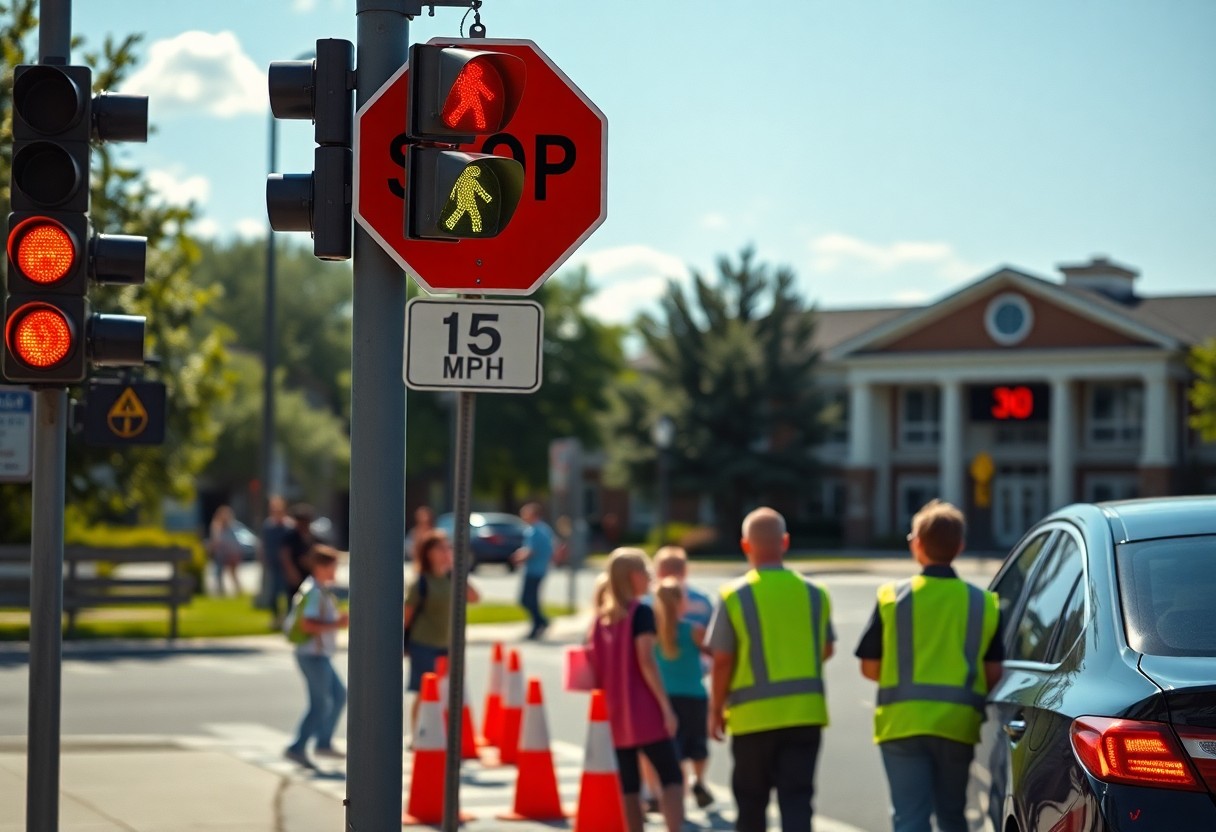
For example, you might find that some districts enforce a 15 mph limit during school opening and closing hours, while others maintain a consistent speed limit throughout the day. Additionally, certain areas might have flaggers or crossing guards to manage traffic during peak times, which can occasionally necessitate a temporary reduction in speed. Be vigilant for different signs and check your local regulations, as ignoring these variances can lead to fines or risks to children’s safety.
Effects of Speeding in School Zones
Speeding in school zones significantly increases the likelihood of accidents and injuries among children. When drivers exceed the speed limit, their reaction time decreases, making it difficult to stop in time to avoid a pedestrian or a group of children crossing the street. The impact of a vehicle traveling at higher speeds can lead to severe injuries or fatalities, with a disturbing increase in reckless behavior observed during peak drop-off and pick-up times.
Statistics on School Zone Accidents
Statistics reveal alarming trends regarding school zone accidents. Data from the National Highway Traffic Safety Administration (NHTSA) indicates that on average, over 100 children are killed in school zone accidents each year in the United States. Furthermore, the odds of a child being struck by a vehicle increase by nearly 20% when the vehicle speed exceeds 25 mph in these zones.
Consequences for Drivers and Pedestrians
Speeding in school zones leads to serious consequences for both drivers and pedestrians involved. A driver may face hefty fines, legal repercussions, and potential criminal charges if they are involved in an accident. On the other hand, pedestrians, particularly children, are at a higher risk of sustaining life-altering injuries or fatalities, because they often lack the ability to predict traffic behavior.
In addition to the immediate dangers, the consequences of such incidents ripple through the community and extend beyond financial penalties. Drivers may face civil lawsuits if found negligent, leading to increased insurance rates or even loss of driving privileges. For victims, the impact can be long-lasting, affecting their physical, emotional, and financial well-being. Peer pressure and guilt can haunt a driver involved in a school zone accident, creating a traumatic experience that influences their future behavior on the road.
Role of Drivers in Ensuring Safety
As a driver, your responsibility in school zones extends beyond observing speed limits. You must actively watch for children crossing the street, especially around pickup and drop-off times. Aside from slowing down, it’s important to yield to pedestrians at crosswalks and be aware of any school staff directing traffic. Engaging in defensive driving practices can significantly reduce the likelihood of accidents.
Tips for Safe Driving in School Zones
To ensure safety in school zones, you should follow these key practices:
- Always reduce speed in school zones.
- Look for school zone signs and follow posted limits.
- Be prepared to stop for school buses with flashing lights.
- Watch for crossing guards and obey their signals.
- Avoid distractions while driving.
Any lapses in attention while driving can drastically increase risk.
Importance of Awareness and Attention
Your awareness and attention while driving in school zones cannot be overstated. The combination of eager children, busy parents, and the unpredictability of foot traffic demands your full focus. Distractions such as mobile devices or engaging with passengers can lead to missed warning signs and crucial moments where you need to react. According to studies, a significant percentage of accidents are due to inattentive driving. Therefore, eliminating distractions and prioritizing your surroundings is crucial for maintaining a safe environment.
Community Involvement
Your active participation in community initiatives significantly enhances school zone safety. By joining local efforts, you can help promote awareness and better practices among drivers, parents, and children. Engaging with School Zone Safety: 10 Essential Driving Tips to Keep Kids … fosters a safer environment for everyone.
Educating Parents and Students
Education plays a vital role in fostering a culture of safety around schools. You can organize workshops to inform parents and students about pedestrian safety and the importance of following traffic regulations within school zones. By providing resources and engaging discussions, you empower families to prioritize safety.
Engaging Local Authorities and Organizations
When you collaborate with local authorities and organizations, you amplify your efforts for school zone safety. Regular meetings with local law enforcement and city planners can lead to the implementation of effective safety measures, such as enhanced signage and crosswalks. Moreover, partnering with community groups enables you to address specific local needs and gather support for initiatives that safeguard children’s safety.
Engaging these local authorities can yield tangible benefits. For instance, by working with law enforcement, you can advocate for increased patrols during school hours, which has been shown to reduce speeding incidents. Collaborations with community organizations can lead to safety campaigns, providing necessary education on proper driving behavior in school zones. Together, these efforts can significantly lower risks for children and families in your community.
To wrap up
Conclusively, as you navigate through school zones, your attention and caution are vital for safeguarding children. By slowing down and being vigilant, you play a key role in creating a safer environment for students, parents, and staff. Your responsible driving contributes to the well-being of the community and sets a positive example for others. Prioritize safety and watch for signs and signals that indicate school zones. Your actions can significantly impact the lives of children and ensure they arrive safely at school.
FAQ
Q: What are the main safety tips for driving in school zones?
A: Drivers should reduce speed when approaching school zones, obey all posted signs, and remain vigilant for children crossing the street. It’s important to stop for school buses that are picking up or dropping off children.
Q: How can parents help keep their children safe in school zones?
A: Parents can educate their children about road safety, ensure they use crosswalks, and encourage them to look both ways before crossing the street. They should also walk with their children when possible to model safe behavior.
Q: What are the penalties for speeding in a school zone?
A: Penalties for speeding in a school zone often include higher fines compared to regular speeding violations, potential points on a driver’s license, and in some cases, mandatory traffic school. Laws vary by location, so it’s important to know local regulations.