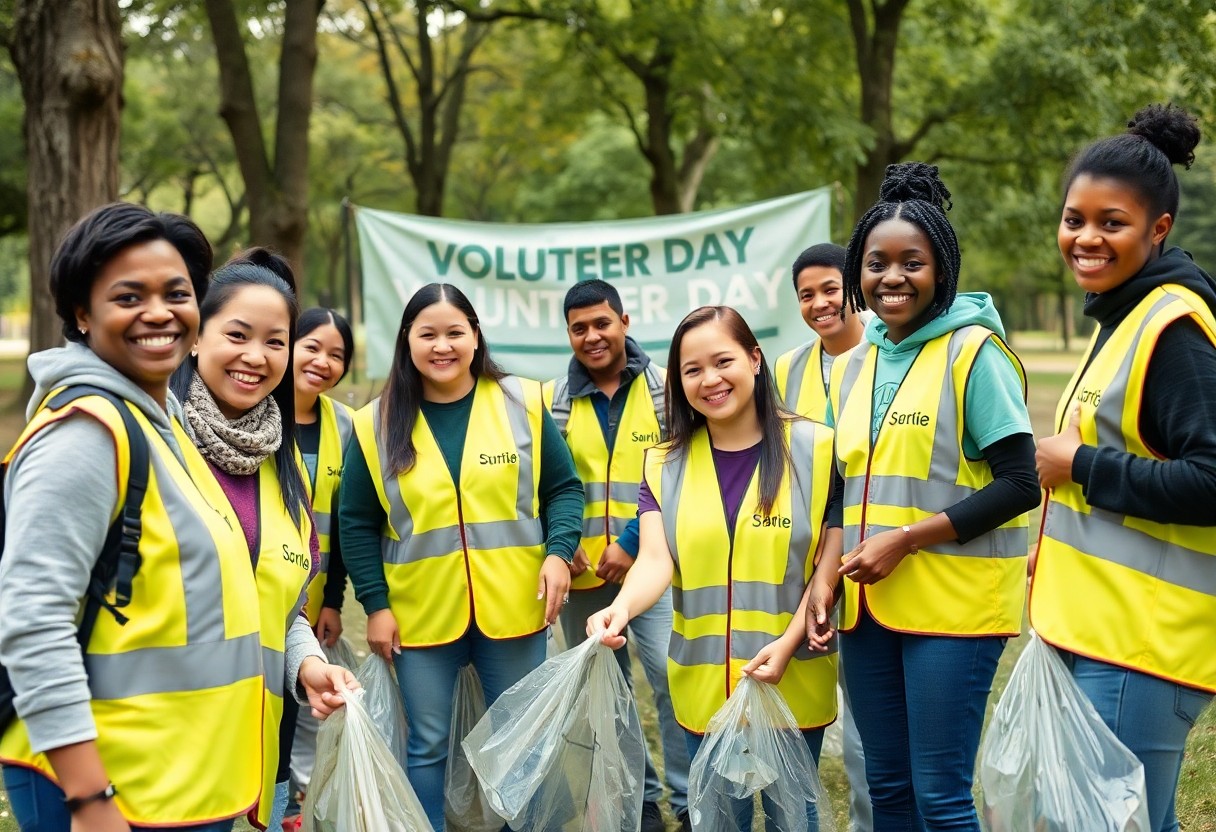
With the growing emphasis on community engagement, volunteerism emerges as a powerful avenue for enhancing your mental health and overall well-being. By giving back, you not only support those in need but also reduce stress, increase happiness, and foster a sense of purpose. Engaging in volunteer activities can expose you to new experiences and positive connections, all while reinforcing the importance of safety in any charitable endeavor. Understand the benefits of volunteerism and how it enhances your life while making a significant difference in your community.
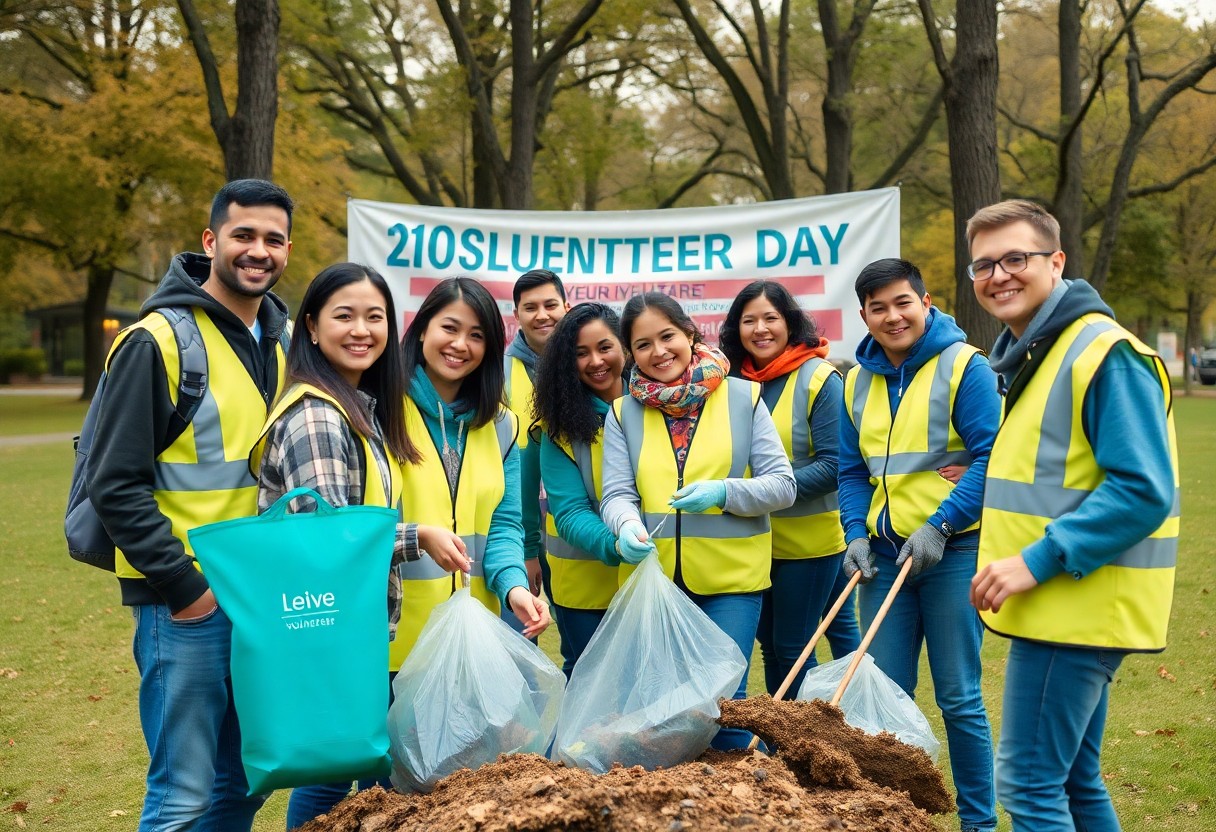
Key Takeaways:
- Volunteerism enhances personal well-being by fostering social connections and a sense of purpose.
- Giving back through community service contributes to reduced stress and improved mental health.
- Participating in volunteer activities promotes a culture of safety and support within communities.
Understanding Volunteerism
Volunteerism is a powerful mechanism for individual and community growth, often leading to improved quality of life and personal satisfaction. Engaging in volunteer work allows you to connect with others, contribute to meaningful projects, and develop skills that can enhance your personal and professional life. This process cultivates a sense of belonging and establishes a supportive network, enriching both your life and the lives of those around you.
Definition and Concepts
Volunteerism is defined as the act of giving your time and skills to help others without financial compensation. It encompasses a wide range of activities, from participating in local clean-up efforts to providing mentorship and support to various organizations. At its core, volunteerism reflects your desire to make a positive impact and embodies a spirit of altruism, empathy, and community engagement.
The Role of Volunteerism in Community Development
Volunteerism plays a pivotal role in community development by fostering connections and addressing social issues collaboratively. Your involvement can drive change, whether through grassroots initiatives or organized programs. When you volunteer, you help to build and sustain vital services that empower residents and promote inclusivity within the community.
In communities across the globe, the impact of volunteerism is evident in the development of local infrastructure, such as parks, schools, and health facilities. For instance, studies show that communities with active volunteer programs often experience lower crime rates, improved public health, and stronger social ties. Your participation in volunteer activities not only uplifts those who benefit directly but also enhances the overall community resilience and cohesion. Engaging in volunteerism provides not only valuable assistance but also cultivates leadership and accountability among residents, paving the way for sustainable growth and improvement.
The Benefits of Giving Back
Engaging in volunteer work offers numerous advantages, extending beyond the altruistic desire to help others. You enhance your skill set, increase your employability, and often experience a sense of purpose that translates into overall life satisfaction. In fact, studies show that volunteers report higher levels of happiness and reduced levels of stress, positively affecting their mental and emotional well-being.
Personal Wellness and Mental Health
Your mental health benefits significantly when you dedicate time to help others. Volunteering can lead to lower levels of depression and anxiety, as the act of giving back releases endorphins, enhancing your mood. Those involved in community service report feeling a strong sense of achievement, which boosts self-esteem and provides a fulfilling sense of life purpose.
Building Social Connections
By volunteering, you create valuable social networks and connections that can enrich your life. The opportunity to meet new people who share similar passions fosters a sense of belonging and community. Whether you engage with fellow volunteers or those you assist, these interactions can lead to meaningful friendships and supportive relationships that last well beyond the volunteering experience.
These social connections often extend into various aspects of your life. For instance, a study by the Corporation for National and Community Service found that individuals who volunteer regularly are 27% more likely to find a job than those who do not. Networking with other volunteers not only opens doors to new opportunities but also creates a supportive environment where you can share experiences and insights. The bonds formed through shared goals and challenges strengthen your social fabric, making the act of giving back a catalyst for personal growth and community building.
Safety Considerations in Volunteer Work
Volunteering can involve inherent risks, making it crucial to prioritize safety. Awareness of potential hazards in your chosen service area ensures that you protect not only yourself but also those you aim to help. By identifying risks ahead of time, you can enhance the effectiveness of your volunteer efforts while minimizing accidents and injuries.
Risk Assessment and Management
Conducting a thorough risk assessment enables you to pinpoint specific dangers associated with your volunteer activities. This process involves evaluating the environment, potential hazards, and the population you serve. By implementing effective management strategies, such as using appropriate personal protective equipment or establishing safety protocols, you mitigate risks and create a safer experience for everyone involved.
Training and Preparation for Volunteers
Your preparedness can significantly affect your safety during volunteer work. Participation in specific training can equip you with the necessary skills and knowledge to navigate potential hazards effectively. Workshops on first aid, emergency response, or even the particular nuances of the volunteer task at hand can bolster your confidence and readiness when engaging with the community.
Investing time in training programs is key to successful volunteerism. These programs often cover crucial skills, such as effective communication, conflict resolution, and situational awareness, fostering a safe environment for all. For instance, first aid training not only empowers you to respond in emergencies but also cultivates a culture of safety within your volunteer group. By understanding your surroundings and potential challenges, you enhance both your contribution and well-being, ultimately enriching the experience for everyone involved in your service endeavor.
Volunteerism and Social Responsibility
Engaging in volunteerism inherently promotes social responsibility as you contribute to the needs of your community. When you volunteer, you not only support vital local initiatives but also create a ripple effect that fosters empathy and kindness. Research indicates that participation in volunteer activities enhances overall wellness and increases community connection, demonstrating that the act of giving back is mutually beneficial. For more on how volunteering positively impacts well-being, check out How the “Feel Good” Nature of Volunteering Extends to ….
Fostering Community Engagement
Your involvement in volunteer work is a powerful way to foster community engagement, creating stronger relationships among residents. As you dedicate time and effort to local causes, you spark conversations and collaborations that build trust and camaraderie. Engaged communities are more resilient and households are more likely to participate in other civic activities, leading to a more vibrant social fabric.
Ethical Considerations in Volunteering
In your volunteer journey, it is vital to navigate ethical considerations to ensure that your contributions are impactful and respectful. You must be aware of cultural sensitivities, the motivations behind your actions, and whether the initiatives align with the genuine needs of the community you serve.
Ensuring ethical volunteering requires self-reflection on your intentions and recognizing potential power dynamics at play. When you engage, acknowledge local voices and prioritize sustainability over short-term fixes. Examples of ethical volunteering include partnering with community leaders, seeking feedback, and being open to learning from those you aim to help. This practice not only increases the effectiveness of your efforts but also honors the dignity of the community, creating a more equitable and lasting impact.
Opportunities for Volunteerism
Exploring opportunities for volunteerism can enhance your life and the lives of others. From local community projects to international aid efforts, diverse options exist for every skill set and schedule. Contributing your time not only supports important causes but also fosters a sense of purpose and belonging. The right opportunity can invigorate your spirit while making a meaningful impact.
Types of Volunteer Programs
There are various types of volunteer programs available to suit your interests and abilities. Whether you prefer hands-on work or behind-the-scenes support, each program plays a vital role in community development. Options include:
- Environmental conservation
- Education and tutoring
- Healthcare support
- Animal welfare
- Social services
The vast array of programs ensures that there is something for everyone.
| Volunteer Type | Description |
| Environmental Conservation | Engage in activities that protect natural resources. |
| Education/Tutoring | Provide guidance and support to students. |
| Healthcare Support | Assist in clinics, hospitals, or outreach programs. |
| Animal Welfare | Care for and rehabilitate animals in need. |
| Social Services | Support vulnerable populations with necessary resources. |
Finding the Right Fit for You
Identifying a volunteer opportunity that aligns with your values and passions is necessary for a fulfilling experience. Consider your interests, available time, and desired impact. Reflect on what causes resonate with you, whether it’s helping children, caring for animals, or addressing environmental issues. You can explore multiple options before committing to find the right fit that not only enriches your life but also maximizes your contributions.
To effectively find the right fit for you, assess your skills and how they may benefit different organizations or groups. Seek out local volunteer fairs, online platforms, or community centers to discover potential matches. Engaging with others already involved can provide insights into various programs and ensure you select a commitment that aligns with your schedule and lifestyle. The process should feel rewarding, paving the way for you to make a genuine difference while enjoying your volunteer journey.
Inspiring Stories of Volunteer Impact
Stories of volunteer efforts illuminate the profound effects of giving back, showcasing how your contributions can drive positive change in your community. By getting involved, you witness firsthand the ripple effects of your actions, often inspiring others to join the cause. These narratives demonstrate that your time and skills can transform lives, create connections, and foster a sense of belonging.
Local Case Studies
Examining local case studies reveals the tangible benefits of volunteerism within your community. Each initiative showcases the power of collective efforts in addressing pressing issues.
- Food Bank Initiative: Provided over 10,000 meals to families in need in the last year.
- Community Clean-Up: Engaged 150 volunteers, collecting 2 tons of waste from local parks.
- Mentorship Program: Matched 50 at-risk youth with mentors, resulting in a 40% increase in school attendance.
- Annual Fundraiser: Raised $100,000 for local shelters, directly impacting 500 homeless individuals.
Global Perspectives on Giving Back
Understanding global perspectives on volunteerism expands your view of how giving back can take various forms across cultures. In different regions, the approach to volunteerism adapts to cultural values and community needs, from urban initiatives in developed countries to grassroots efforts in underserved areas. Engaging in international projects can deepen your understanding of social issues, illustrating that no matter where you are, your contributions foster global connections and collective progress.
Conclusion
Drawing together your experiences in volunteerism emphasizes not only the impact you have on others but also the significant benefits to your own wellness. Engaging in acts of giving back fosters a sense of community and belonging, enriching your life in ways that ripple outward. By contributing your time and skills, you enhance your emotional well-being, connect with like-minded individuals, and cultivate a deeper sense of purpose. Embrace the wellness that comes from volunteering and make it an integral part of your life.
FAQ
Q: What is the purpose of Safety Talk – Volunteerism?
A: The purpose of Safety Talk – Volunteerism is to promote awareness about the importance of community service and the positive impact it has on both volunteers and the communities they serve. It emphasizes the benefits of giving back and encourages individuals to engage in volunteer activities.
Q: How does volunteering contribute to personal wellness?
A: Volunteering contributes to personal wellness by enhancing mental and emotional health. Engaging in acts of kindness can lead to reduced stress, increased happiness, and a sense of purpose. Volunteers often experience improved self-esteem and stronger social connections through their involvement in community service.
Q: What safety measures should volunteers consider when participating in activities?
A: Volunteers should be aware of safety protocols related to their specific activities. This includes wearing appropriate gear, following health guidelines, staying informed about the environment they are working in, and having a plan for emergencies. It’s also important to communicate any health concerns and seek assistance if needed.