
With the ever-evolving landscape of safety practices, it is imperative for you to engage in continuous learning to keep your skills relevant and your mind sharp. Staying informed about new regulations, technologies, and best practices not only enhances your performance but also significantly reduces risks in your work environment. By investing time in education and training, you equip yourself with the knowledge needed to make informed decisions and foster a culture of safety around you.
Key Takeaways:
- Engage in regular training and workshops to enhance safety knowledge.
- Encourage open discussions and sharing of experiences among team members.
- Utilize resources like safety manuals and online courses for continuous improvement.
The Importance of Continuous Learning
Engaging in continuous learning enhances your performance in both personal and professional realms. By staying updated with emerging trends and new skills, you position yourself as a valuable asset. Studies show that lifelong learners are more adaptable, demonstrating greater problem-solving abilities and higher job satisfaction. Embracing this mindset not only helps you navigate changes effectively but also fuels your career advancement and personal growth.
Cognitive Benefits
Continuous learning keeps your brain active, significantly improving your memory and cognitive functions. Engaging in new activities stimulates neuronal connections and enhances neuroplasticity, which means your brain becomes more resilient. Research indicates that individuals who partake in educational activities regularly experience lower risks of cognitive decline, keeping mental acuity sharp well into old age.
Emotional Resilience
Investing time in continuous learning bolsters your emotional resilience. When you acquire new knowledge, your confidence grows, enabling you to face challenges with a positive outlook. The process of learning itself can provide a sense of accomplishment that combats stress and anxiety, making it easier to navigate life’s ups and downs.
Emotional resilience equips you to handle everyday stressors and unforeseen challenges effectively. By fostering a learning environment, you cultivate an attitude of growth, which allows you to respond positively to setbacks. Engaging in discussions, workshops, or online courses not only expands your skills but also creates supportive networks. This combination strengthens your ability to cope with difficulties while enhancing your overall mental well-being.
Strategies for Continuous Learning
To cultivate a mindset geared towards continuous learning, incorporate a blend of structured and spontaneous strategies into your routine. Set specific goals that challenge your existing knowledge base, and leverage resources like online courses, podcasts, and professional seminars tailored to your field. Additionally, fostering an environment where sharing insights is encouraged can enhance collective understanding and growth, allowing you to benefit from the experiences of your peers.
Engaging with New Information
Staying engaged with new information requires a proactive approach. You can enhance your learning by regularly exploring diverse mediums such as books, webinars, and professional forums. Actively seek challenges or unfamiliar topics that stimulate your thinking. This curiosity not only broadens your knowledge but also equips you with the latest trends and best practices in your industry, ensuring you remain relevant and informed.
Applying Knowledge in Real-World Scenarios
Applying what you learn in real-life situations bridges the gap between theory and practice. This involves actively integrating new skills into your daily tasks or projects, allowing you to gain practical exposure. Engaging in simulations, collaborating on team projects, and seeking feedback will reinforce your understanding and drive continuous improvement. For instance, participating in drills or scenario-based training related to safety protocols can highlight your proficiency and readiness.
Incorporating your knowledge into real-world scenarios solidifies your learning and demonstrates its value. For example, when you apply safety principles learned in training during a project, you not only enhance your personal competency but also contribute to a safer workplace. According to a study by the National Safety Council, companies that prioritize hands-on training see a 30% reduction in workplace accidents. Thus, actively seeking opportunities to apply your skills fosters confidence, highlights areas for improvement, and ultimately makes you an invaluable asset to your team.
The Role of Safety Talks in Learning
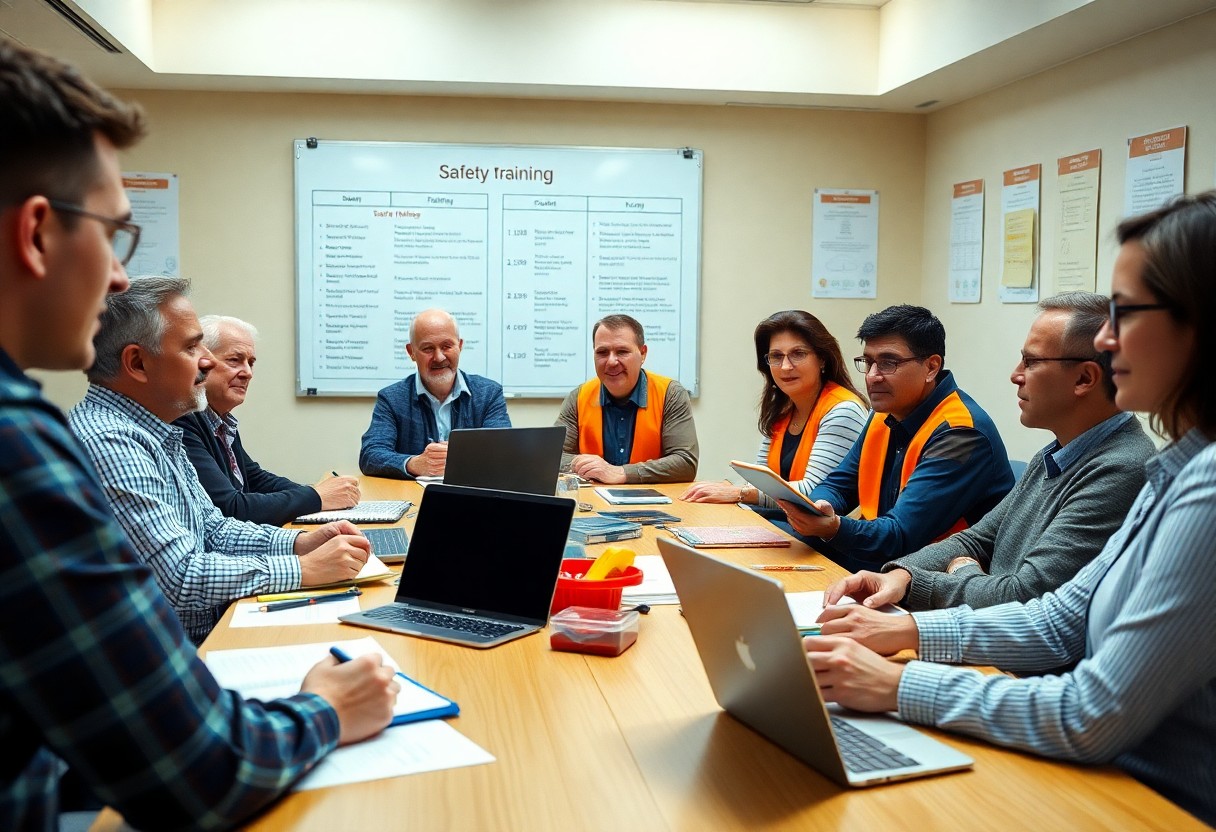
Safety talks serve as vital platforms for ongoing education, fostering an environment where safety becomes a collective priority. These discussions encourage you to engage actively with safety protocols while enhancing your retention of critical information. Incorporating Keep Your Mind Engaged and Memory Sharp practices into these talks can effectively solidify knowledge and reinforce best practices among team members.
Fostering a Culture of Safety
Creating a culture of safety requires consistent commitment from every team member. You must prioritize safety in all operations, integrating it into everyday practices. This means encouraging your colleagues to speak up about hazards and share their experiences, ultimately leading to a safer work environment.
Encouraging Open Dialogue
Open dialogue during safety talks empowers you and your colleagues to express concerns and share insights without fear. This transparency cultivates trust within the team, allowing for enhanced problem-solving and a more comprehensive understanding of safety issues. Each voice contributes to a broader safety narrative, ultimately leading to improved practices.
Encouraging open dialogue means creating an atmosphere where questions and opinions are valued. You can facilitate this by actively soliciting feedback during meetings and making your discussions engaging. Sharing real-life safety examples or stories can help illustrate points while inviting others to contribute their experiences. This collaborative approach not only reinforces learning but also motivates everyone involved to remain vigilant and proactive about safety.
Tools and Resources for Ongoing Education
Utilizing a variety of tools and resources for ongoing education can significantly enhance your safety knowledge and skills. From digital platforms to traditional media, there’s an abundance of options to help you stay informed about best practices and emerging trends in safety. Leveraging these resources not only sharpens your expertise but also empowers you to contribute more effectively to your organization’s safety culture.
Online Courses and Webinars
Online courses and webinars provide flexible, accessible opportunities for expanding your safety knowledge. Numerous platforms offer courses tailored to specific safety practices, allowing you to learn at your own pace. For example, sites like OSHA’s Education Center provide training on compliance standards, while platforms like Coursera and Udemy host a variety of safety-focused webinars perfect for busy professionals.
Books and Articles
Diving into books and articles remains a powerful way to deepen your understanding of safety practices and theories. Resources such as the “Journal of Safety Research” and industry-specific publications often highlight recent findings, case studies, and expert insights. Regularly reading these materials ensures that you stay updated on the latest trends and can apply evidence-based strategies to your work.
Books and articles are particularly beneficial because they offer in-depth explorations of safety issues and trends. For instance, titles like “Safety Culture: An Innovative Leadership Approach” provide frameworks for developing safer workplace environments. Engaging with these resources also fosters analytical skills, enabling you to critically assess safety protocols and implement changes based on researched best practices. With a variety of materials available, you can tailor your reading to topics that resonate with your specific interests and professional responsibilities.
Assessing Your Learning Progress
Evaluating your learning progress is important for understanding how effectively you internalize safety practices. You can track your progress through measurable outcomes, such as incident reports or safety assessments, which reflect your skills and knowledge retention over time. Establishing personal goals and regularly revisiting them can provide insights into your advancement. Furthermore, adapting your learning strategies based on these assessments ensures you remain aligned with safety objectives.
Self-Evaluation Techniques
Utilizing self-evaluation techniques allows you to reflect on your learning journey. Start by setting specific criteria for your safety knowledge, such as understanding protocols or responding to emergencies. Create a checklist to rate your skills and knowledge regularly, which will highlight areas needing improvement. Additionally, journaling your experiences and insights from safety talks can reveal patterns in your learning and help you stay accountable.
Feedback from Peers
Constructive feedback from peers is a powerful tool for enhancing your safety knowledge. Collaborating with colleagues allows for diverse perspectives on your performance. Encourage open discussions about safety practices during team meetings, where everyone can share observations and suggestions. This collaborative approach not only bolsters your learning but also fosters a culture of safety awareness and shared responsibility in your environment.
Engaging actively with feedback from peers can significantly impact your learning curve. For instance, if a colleague points out a potential hazard you overlooked, it’s a chance for you to deepen your understanding and refine your practices. Implement their suggestions into your routine, and track any changes in your safety performance. Regular feedback sessions can also create an atmosphere of mutual support, leading to collective improvement and bolstered safety protocols in your workplace.
Creating a Personal Learning Plan
A well-structured personal learning plan enables you to identify and pursue ongoing safety education effectively. Start by determining your specific learning needs, whether it’s mastering safety protocols, understanding risk management, or enhancing communication skills. Align your plan with real-world applications in your workplace, ensuring that each educational effort directly contributes to your professional growth and your team’s safety performance.
Setting Goals and Milestones
Establish clear, measurable goals to focus your learning efforts. For example, set a goal to complete one safety certification per quarter or attend monthly workshops on industry standards. Defining milestones helps track progress and keeps you motivated. Each achievement, big or small, signals advancement in your safety knowledge and capabilities.
Adjusting Your Approach as Needed
Be prepared to revise your learning plan based on the effectiveness of your current strategies. If a particular course or method isn’t yielding the expected outcomes, don’t hesitate to explore alternative resources or seek feedback from peers. Flexibility in your approach ensures you remain engaged and continue to gain valuable insights.
Adjusting your approach might involve incorporating different learning styles or modalities. For instance, you could switch from traditional classroom settings to hands-on workshops or online courses that offer interactive content. If you find that you’re struggling to grasp certain concepts, consult mentors or join study groups for collaborative learning. Regularly assessing what works best for you will enhance retention and application of safety knowledge, ultimately leading to a safer work environment.
To wrap up
Summing up, prioritizing safety through continuous learning is crucial for you and your workplace. Engaging in regular safety talks keeps your awareness heightened and encourages you to adapt to evolving challenges. By fostering a mindset geared towards ongoing education, you empower yourself to make informed decisions, ensuring a safer environment. Staying informed and proactive will significantly enhance your performance and the well-being of those around you.
FAQ
Q: What is the purpose of Safety Talk – Continuous Learning?
A: The purpose is to promote ongoing education and awareness about safety practices, ensuring everyone stays informed and competent in their roles.
Q: How can continuous learning improve workplace safety?
A: Continuous learning enhances knowledge and skills, allowing individuals to identify hazards more effectively, respond promptly to risks, and contribute to a safer environment.
Q: What methods are recommended for engaging in continuous learning?
A: Recommended methods include attending workshops, participating in safety drills, utilizing online resources, and engaging in discussions with peers to share insights and best practices.