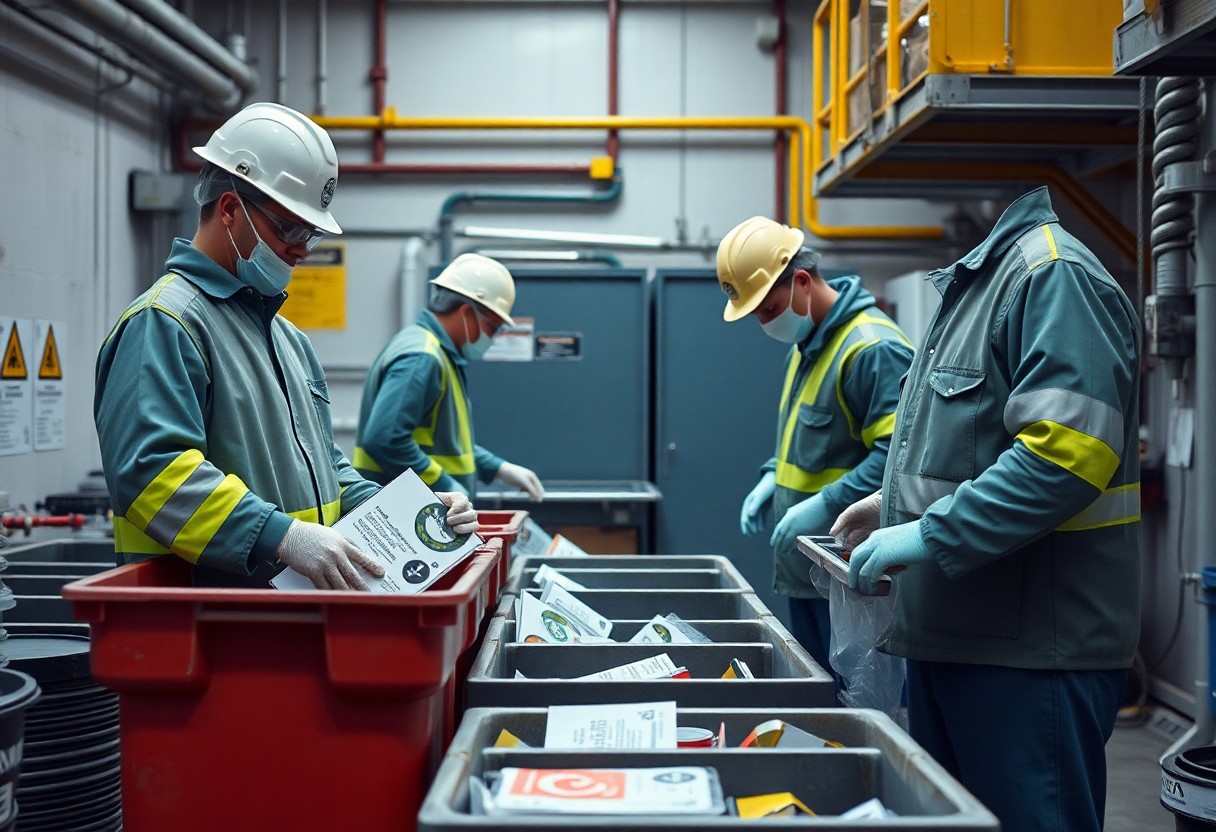
Waste management is not just a responsibility; it’s a critical practice that ensures your safety and the safety of the community. When disposing of hazardous materials, you must follow proper procedures to avoid serious health risks and environmental damage. Knowing how to handle, store, and dispose of hazardous waste properly minimizes potential dangers and reflects your commitment to sustainable practices. By adhering to these guidelines, you play a vital role in protecting yourself, others, and the environment.
Key Takeaways:
- Always identify and classify hazardous waste correctly before disposal.
- Utilize approved containers and labels for hazardous waste storage.
- Follow local regulations and organizational protocols for safe disposal methods.
Understanding Hazardous Waste
Hazardous waste comprises materials that pose significant risks to human health and the environment if not managed properly. This waste can originate from various sources, including industrial processes, healthcare facilities, and household products. Understanding the nature of hazardous waste is vital for implementing effective disposal procedures and safeguarding public safety.
Definition of Hazardous Waste
Hazardous waste is defined as any solid or liquid waste that can be harmful to human health or the environment. These materials may be corrosive, flammable, toxic, or reactive. The classification of waste as hazardous typically depends on specific characteristics and regulatory guidelines designed to protect community health and safety.
Types of Hazardous Waste
Hazardous waste comes in various forms, categorized based on their source and properties. Common types include chemicals, batteries, electronic waste, pharmaceuticals, and infectious waste. Each type has unique disposal requirements that must be understood to prevent contamination and health risks.
| Type of Hazardous Waste | Examples |
|---|---|
| Chemicals | Solvents, paints, pesticides |
| Batteries | Lead-acid, lithium-ion |
| Electronic Waste | Computers, televisions |
| Pharmaceuticals | Expired medications, syringes |
| Infectious Waste | Used medical supplies, lab waste |
Each category of hazardous waste presents distinct challenges for disposal and requires specialized procedures. For example, chemical waste must be treated to neutralize harmful effects, while electronic waste needs proper recycling to recover valuable materials without environmental harm. Comprehending these types ensures you adhere to regulations and protect your community.
- Chemicals pose risks if improperly disposed
- Batteries can leak toxic substances
- Electronic Waste requires responsible recycling
- Pharmaceuticals should never be flushed
- Infectious Waste needs careful handling for safety
| Consideration | Importance |
|---|---|
| Regulation Compliance | Legal compliance helps avoid fines |
| Health Risks | Protects public health from contamination |
| Environmental Impact | Minimizes ecological damage |
| Circular Economy | Encourages sustainable practices |
| Community Engagement | Involves citizens in safety initiatives |
By understanding the diverse types of hazardous waste and their implications, you enhance your ability to engage in responsible waste management. This knowledge not only helps in your compliance with regulations but also promotes a safer environment. Perceiving these categories can empower you to take effective actions towards proper disposal and sustainable practices.
Importance of Proper Disposal
Disposing of hazardous waste properly is necessary for safeguarding both the environment and public health. Your actions directly influence the safety of your community, as improper disposal can lead to significant long-term impacts, including contamination of water sources and harm to local wildlife. Following established protocols not only mitigates liability for you, but it also promotes responsible stewardship of your surroundings.
Environmental Impact
Improper disposal of hazardous waste can release toxic substances into soil and water systems, resulting in severe environmental damage. Chemicals such as heavy metals, solvents, and pesticides can persist in the environment, leading to bioaccumulation in food chains and harming ecosystems. For instance, illegal dumping has been linked to the depletion of aquatic life in affected areas.
Health Risks
Without proper disposal, hazardous waste poses significant health risks to you and your community. Exposure to toxic substances can lead to respiratory issues, skin disorders, and even long-term illnesses like cancer. Emergency responders and workers involved in cleanup operations face heightened exposure risks when hazardous materials are not managed correctly.
Long-term health risks are also a major concern. For example, prolonged exposure to lead can cause neurological damage, particularly in children, while improper handling of asbestos is directly linked to serious respiratory conditions. The consequences extend beyond immediate health; they can affect generations, as contaminated sites may lead to chronic health issues in populations that reside nearby. Thus, your commitment to proper disposal can prevent these severe outcomes.
Legal Regulations
Adhering to legal regulations is imperative when disposing of hazardous waste. These laws are designed to protect human health and the environment from the dangers posed by improperly managed materials. For comprehensive guidance, refer to the Safety Talk – Hazardous Material Disposal document, which outlines the key provisions you must follow.
Federal Regulations
The Resource Conservation and Recovery Act (RCRA) governs hazardous waste management at the federal level. It establishes standards for waste treatment, storage, and disposal to minimize environmental risks. You must understand classifications under RCRA and ensure compliance in your disposal practices.
State and Local Regulations
Your state and local authorities may impose additional regulations that enhance federal guidelines. These rules often address specific waste types and may require more stringent procedures for disposal. You must consult your local hazardous waste management division to stay informed about specific requirements in your area.
State and local regulations can vary significantly, sometimes implementing stricter controls and mandates than federal law. For example, some states require a permit for the disposal of particular hazardous materials, or they may have designated facilities for different waste types. Understanding these nuances is vital; failing to comply with state regulations can lead to hefty fines and legal consequences. Always conduct thorough research and maintain open communication with your local environmental agencies to ensure your compliance with the law.
Procedures for Disposal
Following proper procedures for hazardous waste disposal is important to ensure safety and compliance with regulations. You must familiarize yourself with all steps, from the identification of hazardous materials to the final disposal methods. Implementing these procedures effectively reduces risks and mitigates potential environmental harm, allowing you to act responsibly and in accordance with legal guidelines.
Identification of Hazardous Materials
To manage hazardous waste, you first need to accurately identify these materials. Conduct a thorough assessment of your waste stream, looking for indicators such as labels, Safety Data Sheets (SDS), and characteristics like toxicity, ignitability, and reactivity. This step is imperative since failure to identify hazardous materials correctly can lead to severe legal and environmental consequences.
Categorizing and Segregating Waste
Categorizing and segregating hazardous waste involves classifying waste into specific groups to streamline disposal and reduce risks. You must separate different types of waste, such as corrosive, toxic, and flammable materials, to prevent dangerous reactions and ensure compliance with waste management regulations. Proper segregation not only enhances safety during handling but also simplifies the recycling and disposal processes.
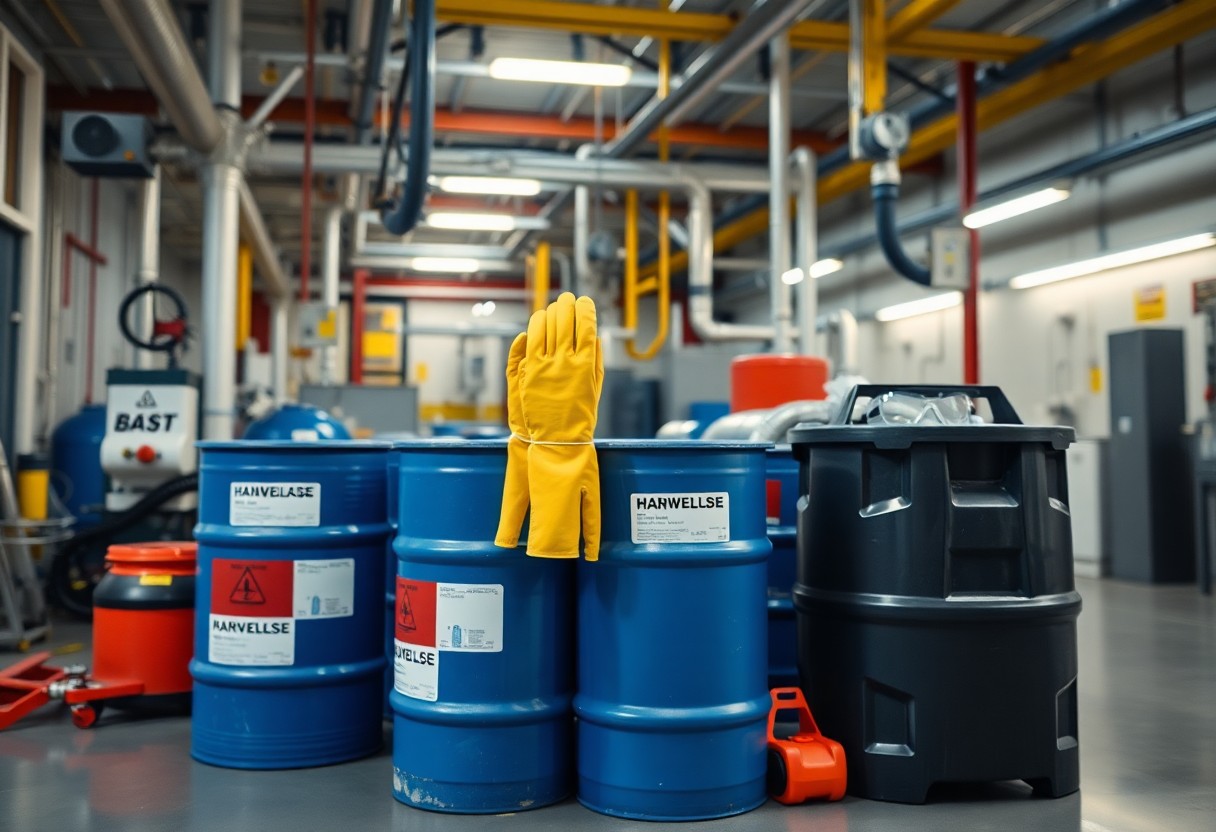
When categorizing and segregating waste, it is vital to utilize appropriate containers and labeling systems to avoid cross-contamination. For instance, store flammable liquids in designated flammable storage cabinets and corrosive substances in non-reactive containers. Implementing a color-coded system can enhance visibility and clarity, aiding staff in quickly identifying each type of waste. Regular training and audits will further reinforce these practices, helping maintain compliance and safety throughout your facility.
Treatment and Disposal Methods
Effective treatment and disposal methods are vital in managing hazardous waste. Depending on the type of waste, different techniques can be employed to mitigate risks to human health and the environment. Options include physical, chemical, and biological treatments, which neutralize or transform hazardous components into less harmful substances. Following these methods ensures compliance with safety standards and reduces potential liability.
Approved Disposal Techniques
Approved disposal techniques involve processes mandated by environmental regulations to handle hazardous waste safely. Common methods include incineration for organic waste, which destroys harmful compounds, and landfilling for waste that cannot be recycled, ensuring it is contained and monitored effectively. Utilizing these techniques helps prevent environmental contamination and protects community health.
Recycling and Recovery Options
Incorporating recycling and recovery options into your waste management strategy can significantly reduce hazardous waste volumes. Many materials, such as metals and solvents, can be recovered and reused, minimizing environmental impact and conserving resources. The right facilities can process these materials safely, turning waste into valuable commodities.
Engaging in recycling and recovery programs not only addresses waste disposal challenges but also supports sustainability initiatives. For example, lead-acid batteries can be recycled to recover lead and sulfuric acid, which are reused in new batteries. Additionally, reusing solvents in industrial processes can lead to substantial cost savings. Your ongoing involvement in such initiatives ensures that you contribute to a cleaner environment while adhering to regulatory requirements.
Employee Training and Responsibilities
Importance of Training
Effective training equips you with the skills needed to identify and manage hazardous waste appropriately. This knowledge not only enhances workplace safety but also ensures compliance with regulations, ultimately reducing the risk of costly fines and environmental hazards. Proper training sessions should be conducted regularly, reinforcing best practices and keeping you updated on any regulatory changes.
Roles and Responsibilities
Your role in hazardous waste management extends beyond disposal; it encompasses identifying hazardous materials and understanding proper storage methods. Each employee must recognize their specific duties, such as reporting spills or unsafe conditions, participating in training programs, and using personal protective equipment. This collective effort fosters a safer work environment.
In this framework, you play an active part in the safety culture of your organization. It is imperative that you understand how to handle various types of hazardous waste—whether it’s chemicals, batteries, or electronic waste—and adhere to specific procedures. Familiarize yourself with Material Safety Data Sheets (MSDS) for all substances in your workspace. Additionally, participating in regular drills and audits reinforces accountability, ensuring that everyone fulfills their obligations in hazardous waste management.
To wrap up
With these considerations, you must prioritize safe hazardous waste disposal by adhering to established procedures. Your actions directly impact not only your health but also the safety of your coworkers and the environment. Ensure that you are familiar with the regulations and protocols applicable to your specific materials. Proper training and a commitment to following guidelines will significantly reduce risks and enhance workplace safety. Take responsibility for your role in maintaining a safe working environment by consistently implementing these best practices.
FAQ
Q: What types of hazardous waste require special disposal procedures?
A: Hazardous waste includes materials like batteries, solvents, chemicals, oils, and electronic waste that can pose health risks and environmental hazards if not disposed of properly.
Q: What steps should be followed to safely dispose of hazardous waste?
A: First, identify and classify the waste according to local regulations. Then, securely package the waste in labeled containers, ensuring they are leak-proof. Finally, transport the waste to an approved disposal facility or contact a licensed hazardous waste disposal service.
Q: What are the potential consequences of improper hazardous waste disposal?
A: Improper disposal can lead to environmental contamination, legal penalties, health risks to individuals handling the waste, and potential liability for cleanup costs.