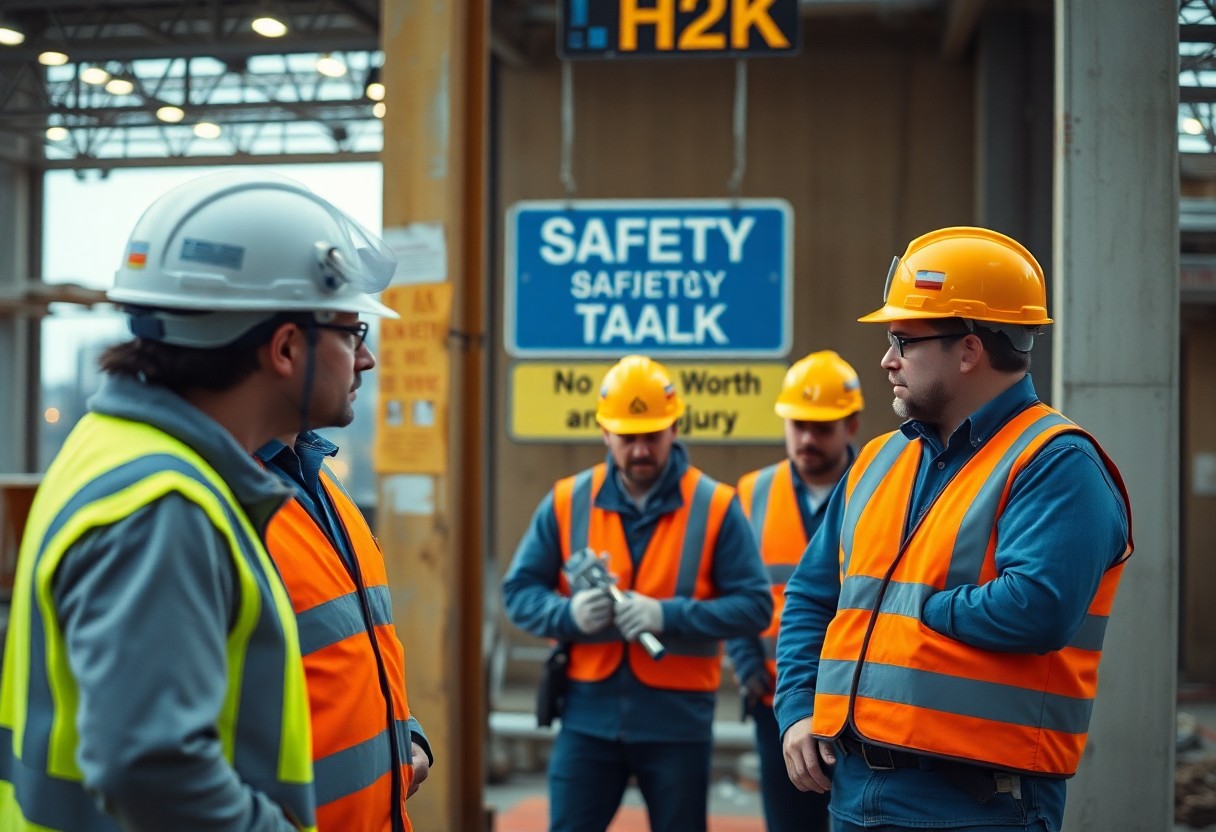
With the right mindset, your safety should always come first on the job. Every task, no matter how small, carries potential risks, and it is imperative for you to minimize these dangers to avoid injuries. Prioritizing safety not only protects you but also fosters a positive work environment. By following established protocols and remaining vigilant, you ensure that no job is worth compromising your well-being. Embrace a culture of safety and make working safely every time your top priority.
Key Takeaways:
- Prioritize safety in every task, no matter how small.
- Always use appropriate personal protective equipment and safety procedures.
- Encourage open communication about hazards and safety concerns among team members.
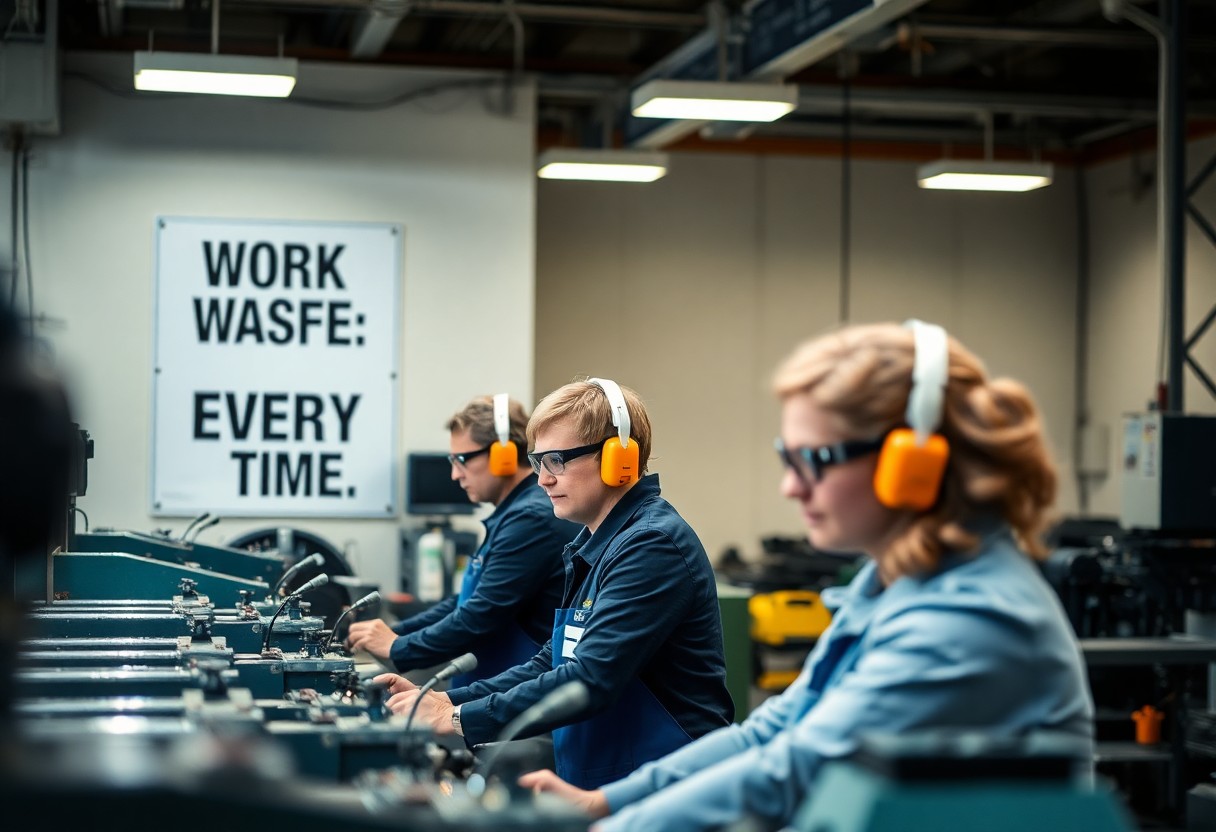
Understanding Workplace Safety
Workplace safety is a fundamental aspect of any job, ensuring that you and your colleagues can perform tasks without fear of injury. A safe environment not only promotes well-being but also enhances productivity. By identifying and addressing potential risks, you can create a culture of safety that prioritizes health and efficiency, making your workplace a better place to be.
Importance of Safety Protocols
Implementing safety protocols is important for mitigating risks and preventing accidents. These guidelines provide structured procedures that everyone must follow, ensuring consistency in safety practices. Familiarizing yourself with these protocols can significantly reduce the likelihood of injuries and promote a culture of accountability among your peers.
Recognizing Hazards
Recognizing hazards is key to maintaining a safe workplace. You should actively monitor your environment for potential dangers, including slippery surfaces, exposed wiring, or inadequate protective gear. Training sessions can enhance your ability to identify these hazards and encourage proactive measures to address them before accidents occur.
When you approach a task, take a moment to assess your surroundings. Consider factors like equipment placement, lighting, and potential obstructions. For instance, improper storage of tools can lead to tripping hazards, while inadequate signage may not alert you to high-risk areas. By conducting regular inspections and remaining vigilant, you can spot hazards early, thus fostering awareness and safety among your team.
Personal Protective Equipment (PPE)
Utilizing Personal Protective Equipment (PPE) is necessary for minimizing risks in any workplace environment. It acts as the last line of defense against potential hazards, ensuring you stay safe while performing your tasks. Always prioritize the appropriate PPE based on the specific risks associated with your job site. Regularly assessing and updating your PPE choices can significantly reduce injury rates and promote a culture of safety.
Types of PPE
Understanding the types of PPE available is vital for effective workplace safety. Common categories include:
- Helmets – Protect against head injuries from falling objects.
- Goggles – Shield eyes from harmful substances and debris.
- Gloves – Safeguard hands from chemicals and abrasions.
- Earplugs – Reduce exposure to damaging noise levels.
- High-visibility clothing – Enhance your visibility in hazardous conditions.
This variety ensures that you have the right protection for your specific working conditions.
| Type of PPE | Purpose |
| Helmet | Prevents head injuries |
| Goggles | Protects eyes from hazards |
| Gloves | Safeguard hands against chemicals |
| Earplugs | Mitigates harmful noise exposure |
| High-visibility clothing | Increases visibility in low-light areas |
Proper Use and Maintenance
Proper use and maintenance of your PPE are integral to its effectiveness. Ensure that you routinely inspect all gear for signs of wear and damage, and replace any items that are compromised. Understand the specific requirements for each type of PPE in relation to your job tasks. Regular training sessions can improve your proficiency in using and caring for your equipment.
To extend the lifespan of your PPE, always follow manufacturer guidelines for cleaning and storage. For example, helmets should be wiped down after use, while gloves may need specific cleaning solutions depending on their material. This attention to detail ensures that your PPE remains in optimal condition, ultimately contributing to your safety and performance on the job.
Safe Work Practices
Implementing effective safe work practices is imperative for minimizing risks and protecting yourself on the job. This encompasses adhering to safety protocols, using personal protective equipment (PPE), and following proper procedures at all times. When you cultivate a culture of safety, you not only protect yourself but also contribute to the well-being of your coworkers and the workplace as a whole. Make it your priority to regularly engage with safety materials and stay updated on best practices to prevent accidents.
Training and Education
Your safety begins with comprehensive training and education that builds your awareness of hazards and teaches you how to manage them effectively. Engaging in regular safety training sessions ensures you are well-versed in emergency procedures, equipment handling, and identifying potential risks. Organizations that invest in continuous learning for employees significantly reduce incident rates, reinforcing the importance of being prepared at all times.
Implementing Safety Procedures
To effectively implement safety procedures, you must integrate them into daily operations and make them second nature. This involves conducting regular safety audits, ensuring that all safety equipment is easily accessible, and fostering open communication about safety concerns in your team. Consistent meetings to discuss safety results and improvements are imperative, as they reinforce that safety is a shared responsibility.
Effective implementation of safety procedures hinges on clear communication and visible leadership commitment. For instance, consider a construction site where daily safety briefings are held before work commences. These meetings allow team members to voice concerns, review recent incidents, and discuss protective measures. Additionally, ensuring that everyone is equipped with and understands how to use their PPE fosters a sense of accountability. When safety procedures become an integral part of your workplace culture, the risk of injury significantly decreases, safeguarding you and your colleagues on the job.
Reporting and Addressing Unsafe Conditions
Recognizing and addressing unsafe conditions is vital in ensuring that everyone remains safe while working. You need to be vigilant and report any hazards immediately, whether it’s a slippery floor, broken equipment, or inadequate lighting. By doing so, you not only protect yourself but also your colleagues, fostering a culture of safety. Promptly addressing unsafe conditions can significantly reduce accident rates and improve overall workplace morale.
Encouraging Communication
Open communication about safety concerns is crucial. When you feel empowered to voice your observations, the likelihood of addressing unsafe conditions increases. Encourage your coworkers to share their concerns and make it clear that safety is everyone’s responsibility. A culture that prioritizes dialogue around safety issues can lead to more effective prevention strategies and foster a sense of solidarity among employees.
How to Report Incidents
Reporting incidents should be straightforward to ensure that hazards are quickly addressed. You should familiarize yourself with your company’s reporting protocols, which typically involve notifying a supervisor or filing a safety report. If immediate action is required, inform your direct manager or safety officer verbally first. Following that, provide written documentation outlining the details of the incident or unsafe condition to create a clear record for future reference.
Use specific details when reporting incidents—include the location, time, and nature of the hazard, as well as any actions taken before the report. If applicable, include the names of affected individuals or witnesses. This level of detail is crucial for your safety team to assess the situation accurately and implement corrective measures. Recording near misses is equally important, as these can provide insights into potential risks and help improve work safety protocols going forward.
The Role of Management in Safety
Management plays a vital role in establishing and maintaining safety standards within the workplace. It’s your responsibility to create policies that support safety practices and invest in training programs that equip your employees to recognize hazards and respond effectively. Providing the necessary resources, such as personal protective equipment, can significantly reduce the risk of accidents, fostering an environment where safety is prioritized over productivity.
Cultivating a Safety Culture
To cultivate a safety culture, you must actively engage your team in safety discussions and decisions. Encouraging open communication about safety concerns creates a sense of shared responsibility among employees. When your team feels heard and valued, they’re more likely to adhere to safety protocols and report potential hazards, ultimately leading to a safer work environment.
Accountability and Responsibility
Accountability and responsibility form the backbone of an effective safety program. You should implement systems that clarify individual responsibilities concerning safety and establish consequences for non-compliance. By fostering a culture where employees at all levels hold themselves and each other accountable, you can enhance overall safety performance while empowering your workforce to take ownership of their actions.
A robust safety program demands that you not only define roles but also actively monitor compliance. For instance, conducting regular safety audits and offering feedback helps reinforce the importance of accountability. When employees see that management is committed to safety oversight, they are more likely to uphold standards themselves. Furthermore, integrating incentives for teams that demonstrate outstanding safety practices can motivate your workforce to prioritize safety consistently. By holding everyone accountable, from management to entry-level workers, you can create a more resilient and safe workplace.
Continuous Improvement in Safety
Your commitment to safety should be a continuous journey rather than a one-time initiative. By regularly reviewing and enhancing safety protocols, you can foster an environment where safety becomes second nature. Engage your team in regular safety discussions and utilize resources like the Weekly Safety Meeting – Stay Alert to Avoid Getting Hurt to expand awareness and knowledge.
Evaluating Safety Programs
To ensure effective safety programs, you must routinely evaluate their performance. Collect feedback from employees about their experiences and incorporate metrics such as incident reports and near-miss data. This approach will help identify gaps in safety measures and drive improvements that protect everyone in the workplace.
Adapting to New Challenges
As industries evolve, new challenges in safety arise. You need to stay informed and proactive, adjusting your safety protocols to address emerging risks. Conduct regular training to keep pace with changing technologies and regulations, ensuring your team is well-prepared.
New challenges can include advancements in machinery, changes in regulatory requirements, or the rise of remote working scenarios. For instance, the shift to more automated processes may present unforeseen hazards. By conducting risk assessments and offering targeted training, you can effectively manage these evolving risks. Additionally, staying connected with industry safety resources will help you adapt swiftly, ensuring that you and your team remain safe amidst change.
To wrap up
Presently, the message is clear: no job is worth an injury. Your safety should be your top priority every time you work. By implementing safe practices and being vigilant about potential hazards, you can protect yourself and others around you. Take the time to assess your environment and follow all safety protocols. You hold the power to create a safe working environment, ensuring that you go home uninjured at the end of each day. Safeguarding your well-being is indispensable to both your personal success and the overall productivity of your team.
FAQ
Q: What is the main message of “No Job Is Worth an Injury”?
A: The main message emphasizes the importance of prioritizing safety over completing tasks quickly. It advocates for maintaining safe practices at all times to prevent accidents and injuries in the workplace.
Q: How can employees implement safe practices in their daily tasks?
A: Employees can implement safe practices by following established safety protocols, using appropriate personal protective equipment (PPE), participating in safety training, and communicating hazards to supervisors or team members immediately.
Q: What should workers do if they feel pressured to bypass safety measures?
A: Workers should feel empowered to speak up and report any pressure to bypass safety measures to their supervisors or human resources. It’s important to advocate for a culture where safety is prioritized over productivity.