
Caffeine is a popular stimulant that can boost your energy and alertness, but consuming it in excess can lead to adverse effects on your health. Too much caffeine can result in insomnia, increased heart rate, and anxiety, which may impact your daily life. While having moderate amounts can enhance your focus and improve physical performance, it’s important to understand the balance. Being aware of your caffeine intake helps you enjoy its benefits while minimizing potential risks. In this post, you’ll learn how to manage caffeine consumption effectively for a healthier lifestyle.
Key Takeaways:
- Consuming caffeine in moderation can enhance alertness and focus, but excessive intake may lead to negative health effects such as anxiety and insomnia.
- Understanding individual tolerance levels is important, as caffeine sensitivity varies from person to person.
- Awareness of caffeine sources, including coffee, energy drinks, and certain medications, helps in managing overall consumption effectively.
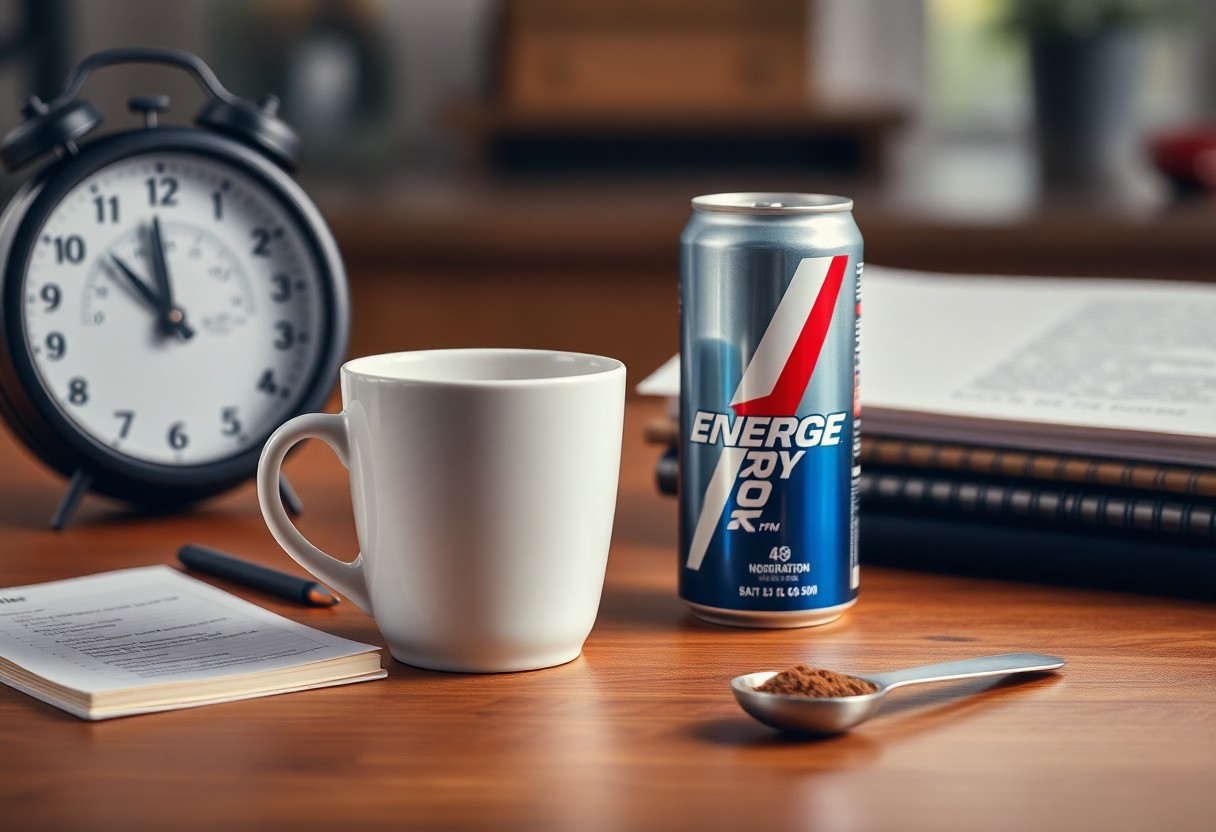
The Double-Edged Sword of Caffeine
Caffeine operates as a double-edged sword, providing both rewards and pitfalls. While it can enhance focus, increase energy levels, and offer a quick boost in productivity, excessive consumption may lead to negative consequences, such as insomnia, jitters, and dependency. Understanding how to harness its benefits while avoiding the downsides is necessary for maintaining your overall well-being.
Physical Benefits: Enhanced Focus and Alertness
A moderate intake of caffeine is known to sharpen your focus and boost alertness, making it a popular choice for those in high-demand environments. Studies show that caffeine can improve cognitive performance, particularly in tasks requiring sustained attention and memory recall. This enhanced mental clarity can be your secret weapon during long work hours or intense study sessions.
Psychological Effects: Mood Boost or Anxiety Trigger?
While caffeine can elevate your mood and create feelings of euphoria, it can conversely lead to heightened anxiety for some individuals. The balance between the two largely depends on your baseline tolerance. Studies indicate that moderate caffeine consumption can improve mood and cognitive function, yet doses exceeding 400 mg per day may amplify anxiety symptoms or trigger panic attacks.
Understanding your personal response to caffeine is paramount. For instance, you might find that even a cup or two in the morning helps you tackle your day with a positive boost. However, you could also be one of the many who experience increased heart rate or irritability after that same amount. Tailoring your caffeine intake to match your body’s response is key; observe your reactions and adjust accordingly for sustained energy and improved mood without crossing into anxiety territory.
Setting Limits: How Much Is Too Much?
Understanding your personal caffeine limits can help you capitalize on its benefits while avoiding adverse effects. The general guideline for most adults suggests up to 400 milligrams of caffeine per day, roughly equivalent to four 8-ounce cups of brewed coffee. However, individual tolerance can vary significantly based on factors such as age, weight, and overall health. It’s wise to monitor your intake and daily response, as what works for one person might not for another.
Recommended Daily Intake and Its Variations
The recommended daily intake of caffeine is approximately 400 milligrams for healthy adults, but this amount can fluctuate based on lifestyle, diet, and personal sensitivity. Pregnant individuals and those with certain health conditions may need to reduce this limit to around 200 milligrams or less. Always consider your unique situation and adjust accordingly for optimal wellness.
Signs of Overconsumption: When Energy Turns into Jitters
You might start experiencing jitters, headaches, or digestive upset when you’ve consumed too much caffeine. These signals indicate that your body’s tolerance has been surpassed, leading to heightened anxiety and disrupted sleep patterns. Symptoms manifest differently for everyone and can escalate based on your consumption frequency.
Caffeine overconsumption often manifests through a specific set of symptoms you should watch for. The jitters may begin as slight tremors in your hands but can escalate into full-on muscle restlessness. Sleep disturbances can follow, leaving you feeling fatigued and prompting you to consume even more caffeine in an attempt to regain energy. Similarly, anxiety may heighten, making you feel on edge or irritable, highlighting the need to tune into your body’s signals before driving your intake to extremes.
Diverse Sources of Caffeine: From Beverage to Supplement
Caffeine can be found in various sources, each offering unique experiences and effects. While most individuals reach for traditional beverages like coffee and tea, other options, including energy drinks and dietary supplements, have grown increasingly popular. Understanding these diverse sources allows you to make informed choices based on your caffeine preferences and your body’s response to different forms.
Coffee vs. Tea: What’s the Real Difference?
The primary distinction between coffee and tea lies in their caffeine content and accompanying compounds. A standard 8-ounce cup of brewed coffee contains roughly 95 mg of caffeine, while the same serving of black tea has about 47 mg. Coffee delivers a more robust and immediate energy boost, while tea offers a gentler lift, thanks to the presence of L-theanine, which promotes relaxation without drowsiness.
Unconventional Sources: Energy Drinks and Supplements
Energy drinks and caffeine supplements present alternative ways to boost energy levels but can come with risks. These pre-packaged beverages often contain 300 mg or more of caffeine per serving and can be loaded with sugars and artificial ingredients. Supplements, on the other hand, may include caffeine in concentrated forms, sometimes leading to unintentional overconsumption.
Many energy drinks utilize a mix of caffeine with other stimulants such as taurine, guarana, and ginseng, creating potent formulas that can overwhelm your system when consumed excessively. Ingredients can vary widely; some drinks also include herbal extracts and vitamins that promote additional energy, but interactions between these substances and caffeine can increase the risk of side effects, including jitters and heart palpitations. Pay close attention to labeling and be cautious with serving sizes. Your body may react differently to energy drinks, especially if you have underlying health concerns or mix them with other caffeinated products.
The Art of Moderation: Strategies for Balanced Consumption
Balancing caffeine consumption involves understanding your body’s limits and integrating mindful habits. You can monitor your intake by setting clear boundaries—perhaps limiting caffeinated beverages to a set number each day. Consider employing techniques like tracking your consumption in a journal or using an app to help maintain awareness. This proactive approach allows you to understand your caffeine patterns better and adjust them as needed for optimal focus and energy.
Creating a Personal Caffeine Plan
Crafting a personal caffeine plan requires you to consider your daily schedule and energy needs. Start by identifying when you typically experience energy dips throughout the day. Design your plan to schedule caffeine consumption during these times, ensuring you avoid dependency on it to overcome fatigue. Gradually adjust your plan based on how your body responds, aiming for a balance where you remain alert yet relaxed.
Alternatives to Caffeine: Exploring Other Energy Sources
Exploring alternatives to caffeine can unveil several methods to boost your energy without the jitters. Natural options such as herbal teas, coconut water, or even fresh juices deliver hydration and vital nutrients that help maintain your energy levels. Foods rich in complex carbohydrates and protein, like whole grains and nuts, keep blood sugar levels stable, minimizing crashes often associated with excessive caffeine consumption.
Beyond beverages and snacks, incorporating small lifestyle changes can lead to sustainable energy levels. Regular physical activity, even a brisk walk, refreshes your mind and body, promoting alertness. Additionally, techniques like deep breathing, yoga, or meditation can rejuvenate your mental state naturally. By diversifying your energy sources, you can not only reduce your reliance on caffeine but also enhance your health and overall well-being.
Balancing Productivity and Health: Achieving the Right Mindset
Success in both work and personal life hinges on harmonizing productivity with health. Striking this balance involves cultivating self-awareness about how caffeine influences your energy levels and mental clarity. By understanding your response to caffeine, you can make informed consumption decisions that enhance performance without sacrificing well-being. A mindset focused on synergy between exuberance and moderation often leads to better outcomes and sustainable productivity.
Integrating Mindfulness and Caffeine Consumption
Mindfulness plays a pivotal role in managing your caffeine consumption effectively. Taking a moment to pause and assess your energy needs can help you determine the right time for a caffeine boost. By tuning into your body and observing your reactions to caffeine, you develop a more intuitive approach that encourages you to enjoy its benefits while mitigating potential drawbacks.
The Role of Sleep: Counteracting Caffeine’s Effects
Adequate sleep serves as a natural counterbalance to the stimulating effects of caffeine. Prioritizing rest allows your body to recover and rejuvenate, mitigating the heightened alertness caffeine can induce. Quality sleep not only improves focus but can also lessen your reliance on caffeine to stay awake and productive throughout the day.
Aim for at least 7-9 hours of sleep per night to optimize cognitive function and overall health. Research indicates that lack of sleep can amplify the side effects of caffeine, such as anxiety and jitteriness, creating a cycle of dependency on caffeine to overcome fatigue. This can lead to misunderstandings about your true energy levels. When you commit to proper sleep hygiene—like a consistent sleep schedule and a calm nighttime environment—you’ll feel more energized naturally, reducing the need for excessive caffeine, and improving your productivity sustainably.
Final Words
Conclusively, as you navigate your daily routines, being aware of your caffeine intake is vital for maintaining energy in moderation. Balancing your consumption can enhance your productivity and well-being while minimizing potential health risks. By understanding how caffeine affects your body and recognizing your limits, you empower yourself to make informed choices. Prioritize your health and energy levels, and consider alternatives when needed. Embrace a mindful approach to caffeine, ensuring it serves you positively rather than detracts from your overall vitality.
FAQ
Q: What are the main effects of caffeine on the body?
A: Caffeine primarily acts as a stimulant, affecting the central nervous system to increase alertness and reduce fatigue. When consumed, it blocks the action of adenosine, a neurotransmitter that promotes sleep, leading to heightened wakefulness. Additionally, caffeine can enhance mood, improve concentration, and boost physical performance. However, excessive intake may lead to side effects such as jitteriness, insomnia, rapid heartbeat, and digestive issues.
Q: How can I determine the right amount of caffeine for myself?
A: The right amount of caffeine varies greatly from person to person based on factors such as age, body weight, tolerance levels, and overall health. Generally, moderate caffeine consumption is considered to be around 200-400 mg per day, which translates to roughly 2-4 cups of brewed coffee. It’s helpful to start by observing how your body responds to caffeine and adjusting accordingly. Consulting a healthcare professional can also provide personalized guidance concerning safe caffeine consumption levels, especially if you have specific health concerns.
Q: What are some strategies to enjoy caffeine while managing its intake?
A: To enjoy caffeine responsibly, consider these strategies: firstly, opt for smaller servings of caffeinated beverages, such as smaller cups of coffee or tea. Secondly, maintain a balanced diet that includes other sources of energy, such as whole grains, fruits, and vegetables, to reduce reliance on caffeine. Additionally, keep track of your daily caffeine consumption by reading labels to be aware of the caffeine content in your favorite drinks and snacks. Finally, consider substituting with lower-caffeine options or herbal teas, especially in the afternoon, to maintain a healthy balance while preventing possible caffeine-induced sleep disturbances.