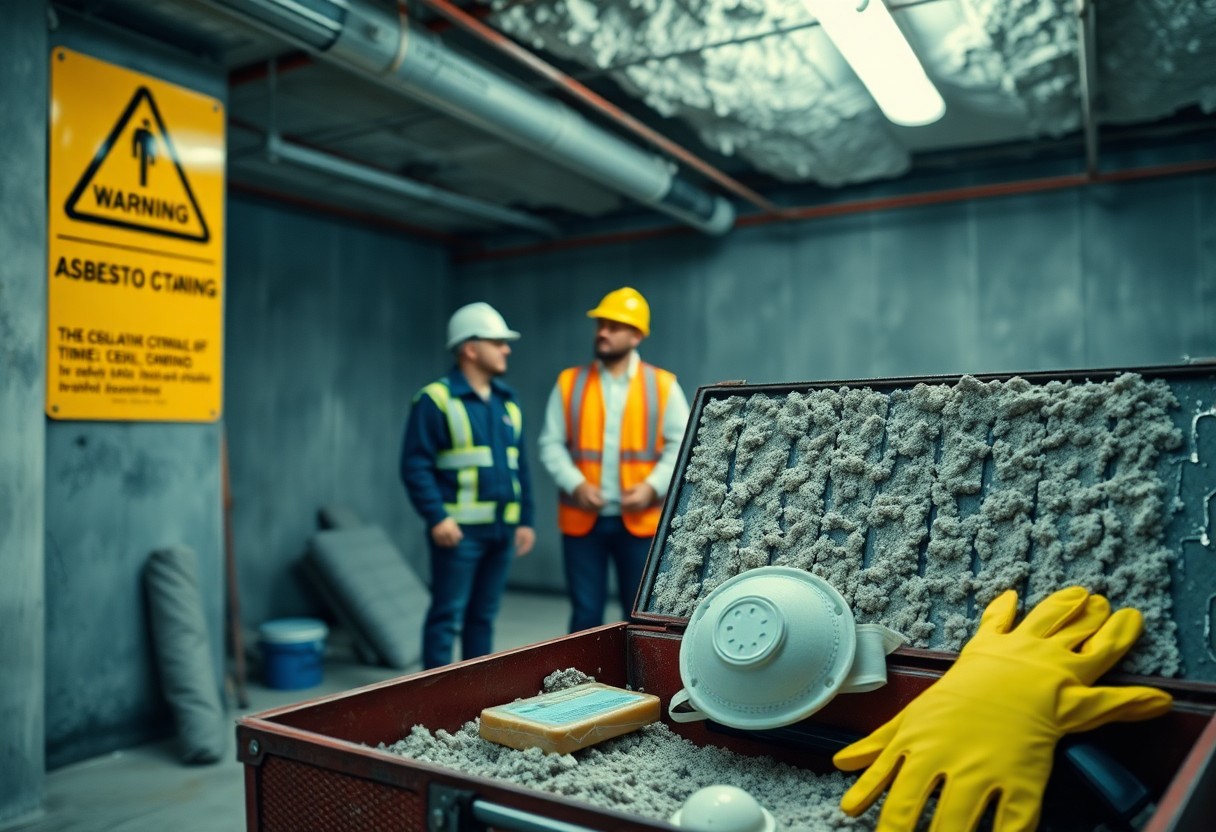
Asbestos is a highly hazardous material that poses significant health risks, including lung cancer and mesothelioma, when disturbed. You must be aware of its presence in older buildings and materials, as disturbing asbestos can release deadly fibers into the air. Your safety depends on knowledge and precaution; always ensure that you assess your environment and seek professional help for any potential asbestos-related work. By understanding these hidden hazards, you can protect both yourself and others from the serious consequences of asbestos exposure.
Key Takeaways:
- Asbestos can be present in older buildings and structures, posing significant health risks if disturbed.
- Proper identification of asbestos locations is imperative for preventing exposure during maintenance and renovation work.
- Adhering to safety protocols and training is vital for workers who may encounter asbestos-containing materials.
Understanding Asbestos
What is Asbestos?
Asbestos refers to a group of naturally occurring mineral fibers known for their durability and resistance to heat. Commonly used in construction materials until the late 20th century, asbestos poses significant health risks when fibers become airborne and are inhaled, leading to serious conditions such as lung cancer and mesothelioma. Awareness and proper handling of materials containing asbestos are imperative for your safety.
Types of Asbestos
There are six main types of asbestos: chrysotile, amosite, crocidolite, tremolite, anthophyllite, and actinolite. Each type has unique properties and potential dangers, with chrysotile being the most commonly used in various products. Understanding the different types is vital for assessing risks in your environment.
| Type | Properties |
| Chrysotile | Flexible, heat resistant |
| Amosite | Strong and durable |
| Crocidolite | Highly durable, very dangerous |
| Tremolite | Possibly contaminant in products |
| Anthophyllite | Rarely used, high potential for harm |
- Chrysotile is the most prevalent type used in many products.
- Amosite is used for insulation and boards.
- Crocidolite is notorious for its high toxicity.
- Tremolite can contaminate other materials.
- Anthophyllite is less common but still a hazard.
Knowing the types of asbestos helps you understand the specific risks they may pose in your environment, guiding you in making informed decisions regarding safety measures and remediation.
More on Types of Asbestos
Chrysotile, accounting for 95% of asbestos used in the U.S., is primarily found in roofing materials, brake linings, and insulation. Amosite, known as brown asbestos, is often utilized in cement sheets and insulation products. Crocidolite, or blue asbestos, is primarily used in high-temperature insulation. The other types, tremolite, anthophyllite, and actinolite, are less common but may be found in some construction materials or as contaminants. Each type presents varying levels of risk, demanding awareness and caution as you encounter older structures or products.
| Type | Common Uses |
| Chrysotile | Insulation, roofing |
| Amosite | Cement sheets, insulation |
| Crocidolite | High-temperature insulation |
| Tremolite | Contaminant in products |
| Anthophyllite | High-risk materials |
- Chrysotile is predominant in modern construction.
- Amosite is linked to industrial use.
- Crocidolite is highly hazardous and strictly regulated.
- Tremolite may appear in older structures.
- Anthophyllite poses a risk if present in materials.
Knowing these details allows you to better assess your environment and take necessary precautions if you suspect the presence of asbestos.
Health Risks Associated with Asbestos
The dangers posed by asbestos exposure are well-documented, with a strong link to severe respiratory diseases, including asbestosis, lung cancer, and malignant mesothelioma. If you live or work in a structure containing asbestos, your risk of developing health complications increases significantly if the materials are disturbed. These risks necessitate a clear understanding of both short-term and long-term exposure effects to safeguard your health.
Short-term Exposure Effects
Short-term exposure to asbestos fibers can lead to immediate respiratory irritation, including coughing, shortness of breath, and chest pain. While these symptoms may subside, they are warning signs that you should take seriously, especially if you find yourself in an area where the materials may be disturbed.
Long-term Exposure Risks
Long-term asbestos exposure can have devastating consequences for your health, leading to chronic diseases that can take years or decades to manifest. You may be at risk for conditions such as lung cancer, which is linked to prolonged inhalation of asbestos fibers, and mesothelioma, a rare cancer of the lining of the lungs or abdomen, often diagnosed many years after exposure.
Exposure to asbestos fibers can lead to scarring of lung tissue, significantly impairing lung function over time. Studies show that individuals with a history of prolonged exposure, such as construction workers or those involved in demolition, face a substantially greater risk of developing lung cancer. In fact, the risk is particularly heightened for smokers, with studies revealing that smoking combined with asbestos exposure dramatically increases the likelihood of lung cancer compared to either factor alone. Being aware of these long-term risks can motivate you to take preventative measures and ensure a safe environment.
Identifying Asbestos in Your Environment
In your quest for safety, you need to know how to spot asbestos in your surroundings. Asbestos may be present in many building materials and products, especially in structures built before 1980. Likely candidates include insulation, floor tiles, roofing materials, and textured paints. If your property has elements from this era, it’s prudent to assess them for asbestos content.
Common Locations
Asbestos frequently hides in basement insulation, attic materials, and piping insulation. Additionally, check around electrical panels, in old plaster, and within ceiling tiles. These areas are prime spots where asbestos may remain undisturbed, posing potential health risks.
Warning Signs of Asbestos
Look for cracks, fraying, or discoloration in materials. These signs indicate that the asbestos-containing materials may be compromised, thus releasing harmful fibers into the air. If you notice any damage, you should act promptly and seek professional evaluation.
If you observe worn or damaged materials, it’s a clear warning that asbestos may be present and can become airborne. Pay attention to materials that may be breaking down, creating dust or debris, which could contain asbestos fibers. Be cautious with renovations; disturbing these materials can lead to serious health risks. In any case of doubt, you must seek the expertise of professionals trained in handling asbestos safely. Taking these steps not only protects yourself but also anyone who may enter your environment.
Safe Handling and Disturbance Procedures
When handling materials suspected of containing asbestos, follow strict protocols to ensure your safety and minimize exposure. Always conduct a thorough assessment of the area before starting work. Secure the site to restrict access to unauthorized personnel, and clearly label hazardous zones. Documentation of all procedures and the use of trained professionals for any removal or disturbance is necessary to effectively manage risk and maintain compliance with regulations.
Personal Protective Equipment (PPE)
Your personal protective equipment (PPE) is vital when working in environments with potential asbestos exposure. Equip yourself with disposable coveralls, gloves, and a suitable respirator designed for asbestos particles. Ensure your PPE is properly fitted and free from defects; this is fundamental in reducing inhalation risks and skin contact with hazardous materials.
Safe Disturbance Practices
Implementing safe disturbance practices is key to preventing asbestos fiber release. Perform work methods that minimize disruption, such as using wetting agents to dampen materials and employing hand tools instead of power tools to limit dust generation. Engage in clear, consistent communication with your team to ensure everyone is aware of procedures and maintains safety protocols throughout the operation.
Utilizing safe disturbance practices involves meticulous planning and execution. Always assess the specific conditions of the site before commencing work. For instance, when removing asbestos insulation, use a minimal disturbance approach by gently removing sections without causing fragmentation. In addition, during demolition, ensure a controlled environment—deploy negative air pressure units, and continuously monitor air quality to safeguard against accidental exposure. Exposure levels must be kept below permissible limits, verifying compliance through appropriate testing methods. These strategies collectively contribute to a robust safety framework when dealing with asbestos-related tasks.
Legal Regulations and Guidelines
Your safety relies on adhering to established legal regulations and guidelines that govern asbestos management. These frameworks are designed to protect both workers and the public from the dangers associated with asbestos exposure. Compliance ensures that you not only safeguard your health but also avoid potential legal ramifications. Understanding these regulations empowers you to make informed decisions regarding asbestos in your environment.
OSHA Standards
The Occupational Safety and Health Administration (OSHA) has stringent standards for asbestos exposure in the workplace. Employers are mandated to monitor asbestos levels, provide necessary training, and implement safety measures to limit exposure to 0.1 fibers per cubic centimeter over an eight-hour shift. Familiarizing yourself with these standards is vital, as they were established to prevent the serious health risks associated with asbestos inhalation.
EPA Guidelines
The Environmental Protection Agency (EPA) has set forth guidelines to manage asbestos during demolition and renovation activities. These guidelines require that you conduct thorough inspections and engage qualified professionals for any work that may disturb asbestos-containing materials (ACMs). Following these guidelines minimizes the risk of releasing harmful fibers into the air, protecting both your health and the environment.
Furthermore, the EPA’s guidance includes protocols such as notifying local authorities before any work involving ACMs and ensuring proper disposal methods that comply with federal and state regulations. You should also refer to the National Emission Standards for Hazardous Air Pollutants (NESHAP), which outlines specific measures for managing and disposing asbestos waste to prevent environmental contamination. By adhering to these guidelines, you safeguard not only yourself but also the broader community.

Asbestos in Renovation and Demolition
During renovation and demolition projects, the risk of encountering asbestos increases significantly. Often found in older buildings, materials such as insulation, floor tiles, and roofing products may contain this harmful substance. If you disrupt these materials, you can release asbestos fibers into the air, posing serious health risks. For more information on the dangers of asbestos, refer to this Asbestos Awareness Toolbox Talk.
Pre-renovation Checklist
Before starting any renovation project, conduct a thorough pre-renovation checklist. Identify areas that may contain asbestos by reviewing building records and conducting an asbestos survey. Ensure that you have the appropriate safety gear and that the worksite is well-ventilated. Engaging professionals may be necessary for safe material handling and proper disposal.
Engaging Professionals
Engaging licensed asbestos professionals is crucial for any renovation involving potential asbestos materials. They possess the expertise to conduct testing and safely manage the removal process. Hiring experts not only mitigates risks but also ensures compliance with legal regulations, minimizing potential liabilities.
Professional asbestos abatement specialists follow strict safety protocols and use specialized equipment to handle and dispose of asbestos-containing materials. They also provide training for your team, ensuring that every worker understands the necessary safety measures. This service significantly reduces the risk of exposure and can prevent costly legal issues associated with improper handling or accidental disturbance of asbestos during renovation or demolition activities.
Conclusion
Presently, your awareness of asbestos hazards is vital for maintaining safety in environments where this material may be present. By understanding the risks associated with disturbing hidden asbestos, you can take proactive measures to protect yourself and those around you. Always prioritize your safety by following guidelines for identification and management of asbestos, ensuring that you seek professional help when necessary. Staying informed empowers you to navigate potential dangers and fosters a safer environment for everyone.
FAQ
Q: What is asbestos and why is it considered a hidden hazard?
A: Asbestos is a naturally occurring mineral that was widely used in construction materials due to its fire resistance and insulating properties. It becomes a hidden hazard when it is disturbed, releasing harmful fibers into the air, which can lead to serious health issues if inhaled.
Q: How can I identify materials that may contain asbestos in older buildings?
A: Materials such as insulation, flooring, roofing, and wall panels in buildings constructed before the 1980s may contain asbestos. Look for products that are fibrous or have a textured surface, and consult with a certified asbestos inspector for professional assessment.
Q: What steps should be taken if I suspect the presence of asbestos in my environment?
A: If you suspect asbestos, do not disturb the material. Limit access to the area and contact a licensed asbestos removal professional. They can conduct testing and safely handle any necessary abatement procedures to manage the risk.