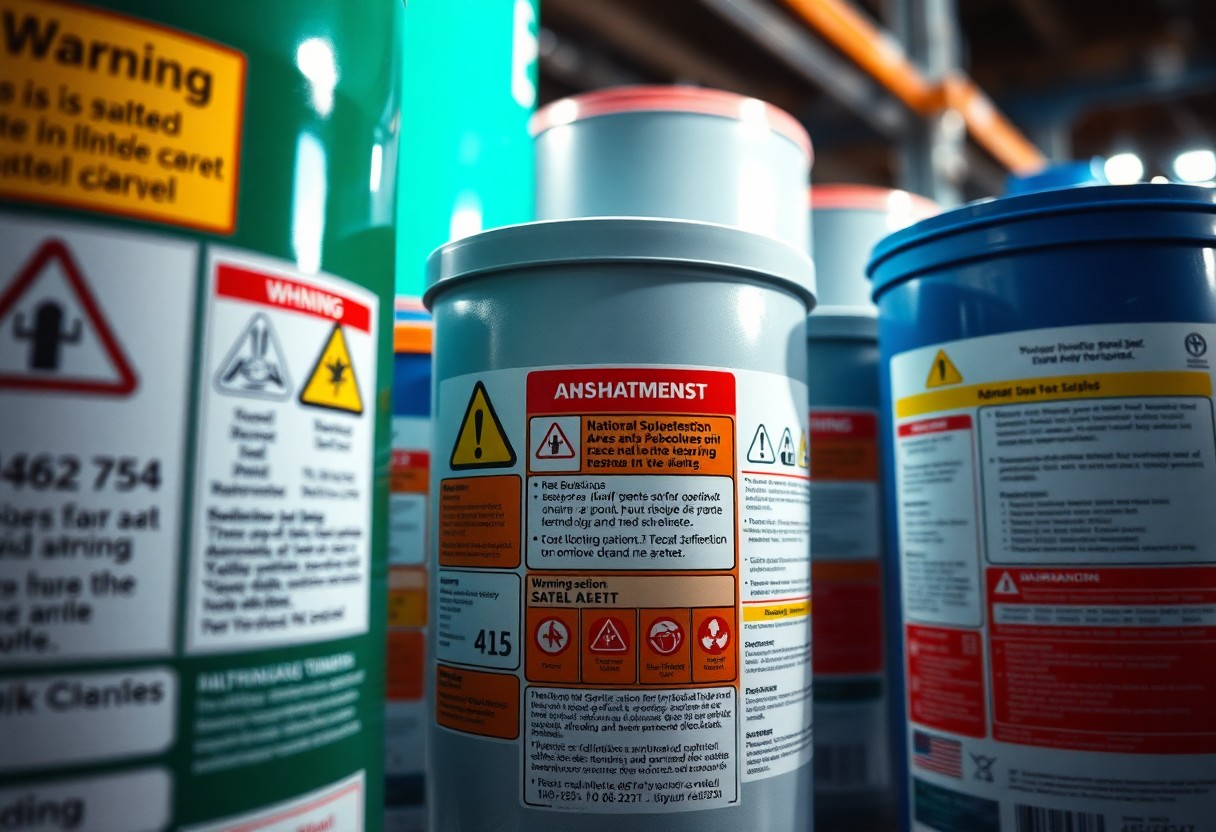
Over time, understanding the labels associated with hazardous materials is vital for maintaining your safety at work. You will learn how to interpret the symbolism and color coding that conveys important safety information. This knowledge empowers you to recognize potential hazards, ensure proper handling, and take necessary precautions. By mastering these basics, you’ll enhance your ability to work confidently around chemicals, contributing to a safer workplace environment.
Key Takeaways:
- WHMIS labels provide important information about hazardous materials, including risks and safety precautions.
- Labels include symbols, signal words, and precautionary statements to effectively communicate hazards.
- Understanding labels is vital for the safe handling and storage of chemical products in the workplace.
Understanding WHMIS
WHMIS, or the Workplace Hazardous Materials Information System, provides imperative information about hazardous materials used in Canadian workplaces. It consists of labels, safety data sheets (SDS), and training programs designed to ensure you have the information needed to work safely with these substances. Understanding WHMIS is not just about compliance; it’s about fostering a culture of safety to protect you and your coworkers.
Overview of WHMIS
WHMIS encompasses various components, including classification of hazardous materials, standardized labeling, and detailed safety data sheets. Each label clearly identifies the hazards associated with a product, utilizing symbols and precautionary measures that you must follow. This standardized system simplifies understanding of potential dangers, thereby enhancing safety at work.
Importance of WHMIS in Workplace Safety
WHMIS plays a vital role in workplace safety by equipping you with knowledge about hazardous materials. It helps you recognize the risks associated with these substances and the proper procedures to handle them safely, thereby significantly reducing the likelihood of accidents and injuries.
This system has proven effective, with statistics showing that workplaces implementing WHMIS see a 20-30% decrease in incidents related to hazardous materials. When you understand WHMIS, you not only comply with legal requirements but also ensure a safer environment for everyone. By familiarizing yourself with the labels and SDSs, you can make more informed decisions, respond effectively in emergencies, and contribute to a culture of safety that benefits the entire team.
Types of WHMIS Labels
WHMIS labels come in various forms, providing crucial information about hazardous materials. The main types include:
| Supplier Labels | Workplace Labels |
| Used by manufacturers | Used by employers |
| Standardized format | Customized format |
| Require specific symbols | May use symbols per workplace policy |
| Contains detailed information | Provides crucial information only |
Perceiving these labels ensures you’ll have a clear understanding of the materials you work with.
Supplier Labels
Supplier labels are attached to hazardous materials by the manufacturer and provide vital details about the product. These labels must include the product name, hazard symbols, a signal word, and a description of the hazards. Familiarizing yourself with supplier labels ensures you know how to handle the material safely.
Workplace Labels
Workplace labels are generated to provide information about hazardous materials used within a specific workplace. These labels must contain the product name, safe handling instructions, and any hazards associated with the material. They add a layer of safety by conveying relevant information tailored to your working environment.
In your workplace, these labels serve as a quick reference for safe practices. They can vary significantly depending on the materials and processes in use, allowing you to adapt labeling to fit your unique situation. Ensuring compliance with WHMIS guidelines, these labels help promote a safe working environment by providing immediate clarity on how to handle various substances correctly.
Label Components
The components of a WHMIS label are vital for conveying the necessary information about hazardous materials. A label typically includes the product identifier, hazard symbols, signal words, and precautionary statements, which together inform you about the nature of the hazard and how to handle the substance safely.
Product Identifier
The product identifier is the name or number used to identify the hazardous material. It is crucial for ensuring that you can recognize the substance in question and access its safety data sheet (SDS) for more detailed information. This identifier must be clear and easily readable.
Hazard Symbols
Hazard symbols are graphical representations that depict the nature of the hazard associated with the material. These symbols provide you with instant visual cues about the risks, such as flammability, toxicity, or corrosiveness, allowing for quick assessment and response.
For example, the flame symbol indicates that a substance is flammable, while the skull and crossbones denotes acute toxicity. These standardized symbols are vital for immediate recognition and understanding of the associated hazards, helping you make informed decisions when handling potentially dangerous materials.
Signal Words
Signal words are brief terms used to convey the level of hazard associated with a product. The two primary signal words are ‘Danger’ for more severe hazards and ‘Warning’ for less severe hazards. Understanding these terms helps you gauge the potential risks and necessary precautions.
Using the appropriate signal word can significantly influence your perception of risk. ‘Danger’ suggests immediate risks that require more stringent safety measures, while ‘Warning’ indicates a need for caution but may not imply the same level of urgency. Pay attention to these words to ensure your safety when working with hazardous materials.
Precautionary Statements
Precautionary statements provide specific instructions on how to minimize risks associated with the hazardous material. These can include recommended personal protective equipment (PPE), handling procedures, and emergency measures to follow in case of exposure.
These statements are crafted to enhance safety and prevent incidents. For example, a precautionary statement may instruct you to wear gloves and goggles when handling a chemical to avoid skin and eye irritation. By following these guidelines, you reduce the likelihood of accidents, ensuring a safer work environment when dealing with hazardous substances.
Interpreting Hazard Symbols
Hazard symbols play an imperative role in communicating the risks associated with various substances. By familiarizing yourself with these symbols, you can quickly assess the potential dangers and take appropriate safety precautions to protect yourself and others in your environment.
Physical Hazards
Physical hazards include symbols indicating risks such as flammability, explosivity, and reactivity. For example, a flame symbol signals that a material is flammable, requiring careful storage away from heat sources. Understanding these symbols is vital for preventing accidents and ensuring safe handling.
Health Hazards
Health hazards are represented by symbols indicating potential risks to your health, including long-term effects. These hazards can range from respiratory issues to organ toxicity, emphasizing the need for proper ventilation and protective equipment when handling such materials.
Health hazards can also include carcinogenic substances and reproductive toxins. When you see symbols like the exclamation mark or the health hazard symbol, it’s imperative to review the Safety Data Sheet (SDS) for specific safety measures. Statistics show that exposure to certain chemicals can lead to severe long-term health problems, reinforcing the importance of adhering to safety protocols.
Environmental Hazards
Environmental hazards highlight the risks materials pose to aquatic life and the broader environment. Symbols indicating this hazard signal that improper disposal can lead to significant ecological damage, necessitating strict adherence to disposal guidelines to minimize your environmental footprint.
With growing awareness of environmental impacts, understanding these symbols has become increasingly important. For instance, substances classified with the environmental hazard symbol can cause harm to wildlife and ecosystems when released. Being informed about how to manage and dispose of these materials responsibly can help protect our planet for future generations.

Responsibilities of Employers and Workers
Employer Responsibilities
Your role as an employer is to ensure a safe workplace by implementing WHMIS guidelines. This includes providing appropriate training on hazardous materials, maintaining current Safety Data Sheets (SDS), and effectively labeling all hazardous products. Failure to comply can lead to serious safety risks and legal consequences. For more information, refer to Safety Talk – WHMIS – Workplace Chemical Awareness.
Worker Responsibilities
As a worker, you are responsible for understanding the hazards associated with materials you may encounter. This includes actively participating in training sessions, using personal protective equipment (PPE) when necessary, and reporting unsafe conditions to your supervisor without delay.
Understanding your responsibilities is necessary for workplace safety. You’re expected to read and comprehend labels and safety data sheets, as these resources detail hazards, emergency procedures, and safe handling practices. Staying informed and engaged in safety protocols not only protects you but also your coworkers. Your proactive approach can significantly contribute to creating a culture of safety within your organization.
Training and Education
Effective WHMIS training is vital for enhancing safety in the workplace. It equips you and your colleagues with the knowledge to identify hazardous materials and understand their implications. A well-informed workforce minimizes risks, promotes compliance, and fosters a culture of safety. Regular training sessions, including updates on legislation and best practices, ensure that you are always informed about the hazards you may encounter.
Importance of Training
Training is necessary for you to understand the proper handling of hazardous materials. It ensures that you can identify risks, use protective measures effectively, and respond appropriately to emergencies. This knowledge not only protects your health but also contributes to a safer work environment for everyone.
Resources for WHMIS Training
Numerous resources are available for WHMIS training, including online courses, workshops, and employer-led sessions. Many organizations offer comprehensive materials designed to meet regulatory requirements while addressing specific industry hazards. Additionally, trade associations and safety organizations often provide tailored resources to support ongoing education.
For instance, online platforms like the Canadian Centre for Occupational Health and Safety (CCOHS) offer tailored WHMIS courses that feature interactive elements to enhance learning. Moreover, industry-specific guidelines from associations like the Canadian Chemistry Industry Association provide valuable insights into the unique risks associated with chemicals used in various sectors. Engaging in these training resources helps you stay current with WHMIS standards and practices, ultimately enhancing your safety and the safety of your colleagues.
Final Words
Drawing together the key aspects of WHMIS basics, understanding labels is vital for your safety in the workplace. By familiarizing yourself with the symbols, color codes, and information presented on hazardous material labels, you empower yourself to make informed decisions about handling these substances. This knowledge not only enhances your personal safety but also contributes to a safer environment for all. Make a habit of reviewing labels and staying updated on WHMIS regulations to minimize risks effectively.
FAQ
Q: What does WHMIS stand for?
A: WHMIS stands for Workplace Hazardous Materials Information System. It is Canada’s national communication standard for hazardous workplace materials.
Q: How can I identify hazardous materials using WHMIS labels?
A: WHMIS labels feature symbols known as pictograms, which indicate the type of hazard associated with the material. Labels also include product identifiers, hazard statements, and precautionary statements to provide important safety information.
Q: What should I do if I encounter a label with a hazard symbol that I do not understand?
A: If you encounter an unfamiliar hazard symbol on a label, refer to the Safety Data Sheet (SDS) for the material. The SDS provides detailed information about the hazards and safe handling practices associated with the substance.