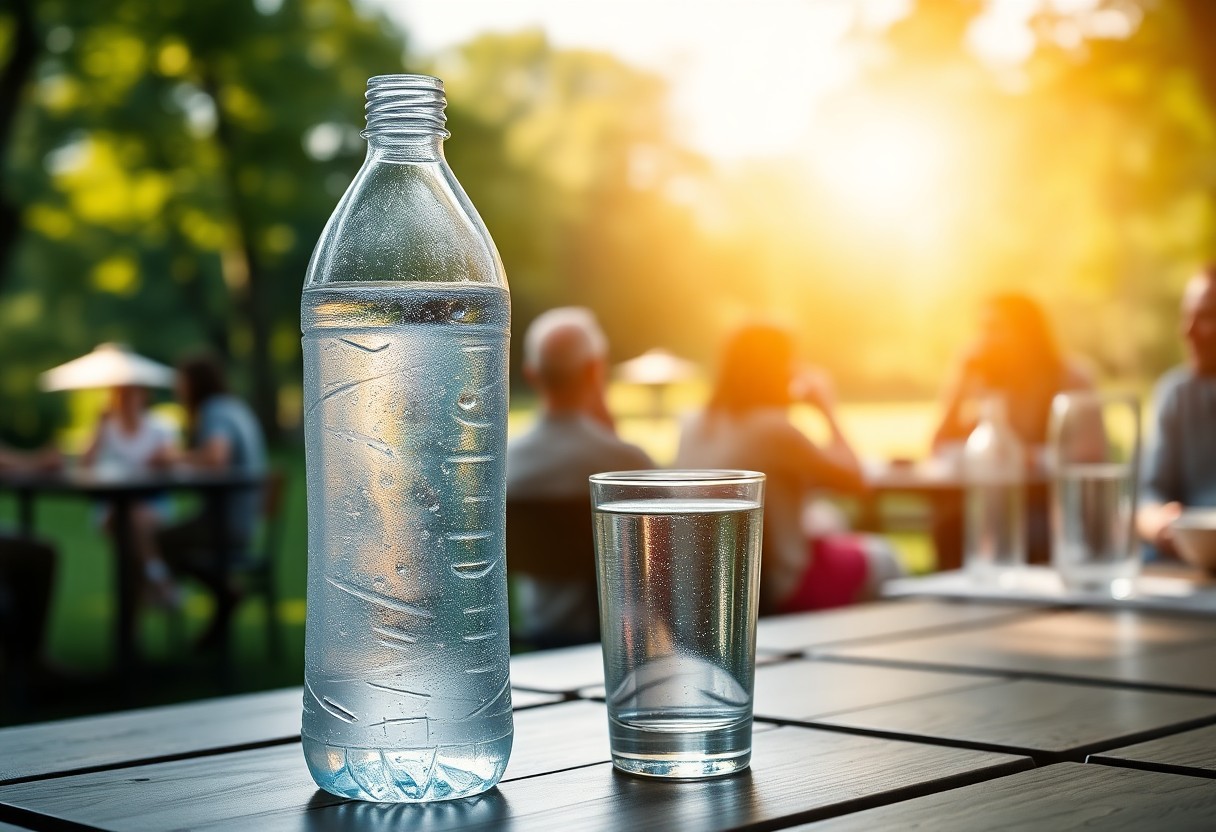
There’s a direct link between your hydration levels and overall health. Dehydration can lead to serious issues such as fatigue, headaches, and impaired cognitive function, affecting your daily performance. To maintain optimal health, you should make drinking water a habit throughout your day. Water regulates your body temperature, lubricates your joints, and supports vital bodily functions. Ensuring you consume enough water not only enhances your physical capabilities but also improves your mood and mental clarity. Prioritize hydration for a healthier, more vibrant life.
Key Takeaways:
- Hydration is important for maintaining overall health and wellness.
- Drinking adequate water can enhance physical performance and cognitive function.
- It is important to recognize signs of dehydration to take proactive steps in fluid intake.
Importance of Hydration
Understanding the importance of hydration is vital for your health. Water plays a key role in various bodily functions, including regulating temperature, maintaining joint lubrication, and supporting cell function. It is imperative for nutrient transport and waste removal, influencing your energy levels and mental clarity. Adequate hydration can enhance physical performance, support weight management, and promote better digestion. Neglecting to hydrate can leave you vulnerable to health issues.
Benefits of Proper Hydration
Proper hydration provides numerous benefits, including improved cognitive function, increased energy levels, and enhanced physical performance. When you drink enough water, your body operates more efficiently, which can lead to better focus and productivity. Additionally, staying hydrated aids in digestion and supports healthy skin, making you feel more vibrant. Regular hydration can also help control appetite, which is beneficial for weight management.
Consequences of Dehydration
Dehydration can significantly impair your health, leading to fatigue, headaches, and decreased cognitive abilities. Severe dehydration may result in more serious conditions, such as kidney stones or urinary tract infections. Recognizing the signs of dehydration, such as dry mouth, dizziness, or concentrated urine, is imperative for preventing these adverse effects.
When dehydration sets in, its consequences affect you both physically and mentally. Mild dehydration can lead to feelings of fatigue and irritability, diminishing your focus and reaction time, which can be particularly dangerous in situations requiring alertness, such as driving. As dehydration worsens, you may experience muscle cramps, rapid heartbeat, and confusion, which could escalate into heat exhaustion or heat stroke—critical conditions requiring immediate medical intervention. Keeping your body properly hydrated combats these risks and supports optimal functioning.
Daily Water Intake Recommendations
The daily water intake recommendations vary depending on several factors, but a common guideline is to aim for about 3.7 liters for men and 2.7 liters for women, which includes all beverages and food. Adjust these amounts based on activity level, environment, and health status. Individual needs may differ based on lifestyle and overall health, so tune into your body’s signals.
Factors Affecting Water Needs
Your water needs can be influenced by several factors. Age, gender, and activity level play significant roles, while climate and health conditions, such as fever or diarrhea, also contribute. For example:
- Age: Older adults may require less water due to decreased thirst sensation.
- Climate: Hot or humid environments increase hydration needs.
- Activity Level: Increased physical activity necessitates higher fluid intake.
Perceiving your unique situation can help you determine the adequate amount of water for your daily routine.
General Guidelines for Water Consumption
To maintain optimal hydration, consider drinking water consistently throughout the day. It’s beneficial to start with two cups of water before meals, as this can aid digestion and control appetite. The color of your urine can also be a practical indicator of hydration; a pale yellow hue typically signifies adequate hydration. Aim to drink at least 8-10 cups of water daily, adjusting based on your activity level and environment.
General guidelines for water consumption emphasize that drinking water should never be an afterthought. You can also enhance your hydration by including foods high in water content, such as cucumbers, oranges, and strawberries. Having water readily available during workouts and throughout the day makes it easier to stay on track. Establish a routine that encourages regular intake, and pay attention to your body’s thirst signals. Staying adequately hydrated directly correlates to your energy levels and performance, affecting both your physical and mental well-being.
Hydration Sources
Identifying various hydration sources is crucial for maintaining healthy fluid levels in your body. While water is the most obvious choice, multiple beverages and foods contribute to your daily hydration needs. You should diversify your intake to stay adequately hydrated and support optimal body function.
Water vs. Other Beverages
Water is the best beverage for hydration, as it has no added sugars or calories. While drinks like tea and coffee can contribute to your fluid intake, they may also have caffeine, which has a mild diuretic effect. In contrast, sugary sodas and energy drinks can lead to weight gain and health issues. Opt for water as your primary source, supplemented by other beverages in moderation.
Foods with High Water Content
Certain foods can significantly contribute to your hydration levels. Fruits and vegetables have high water content, making them not only nutritious but also excellent choices for quenching your thirst. Items like cucumbers, watermelon, and oranges can provide hydration while also supplying crucial vitamins and minerals.
For instance, watermelon is about 92% water, making it a refreshing choice on hot days. Cucumbers follow closely with a water content of 95%. Incorporating these foods into your diet can help you meet your hydration goals and enhance your overall health. Other options like strawberries, lettuce, and celery are also excellent, adding variety to your meals while ensuring you stay well-hydrated. Eating these foods regularly can help you avoid dehydration, especially when temperatures rise or during physical activities.
Signs of Dehydration
Identifying the signs of dehydration is vital for maintaining your health. Early detection can prevent complications and promote better hydration practices. Common indicators include feelings of thirst, dry mouth, or decreased urine output. If you notice your urine is dark yellow instead of light straw, it’s a clear sign that you need to increase your fluid intake. Paying attention to these symptoms can help you address dehydration before it worsens.
Early Symptoms
In the early stages of dehydration, you might experience symptoms such as thirst, dry skin, and fatigue. You may notice a slight headache or increased irritability as your body signals the need for more fluids. These signals often go unnoticed but are vital. It’s important to take them seriously and hydrate promptly to avoid further complications.
Severe Dehydration Effects
If dehydration progresses to a severe level, you may experience rapid heartbeat, confusion, and extreme fatigue. In extreme cases, you could face complications like kidney failure or heat-related illnesses. These conditions can escalate quickly, making it imperative to act fast when you recognize these severe symptoms.
Severe dehydration can be particularly dangerous, with potential outcomes leading to hospitalization or serious health issues. For example, in extreme cases, lack of fluids can result in hypovolemic shock, where your body loses so much blood volume that your organs begin to fail. According to studies, prolonged severe dehydration can lead to brain swelling, impaired cognitive function, and long-term damage. It’s vital to understand the urgency of addressing severe symptoms to safeguard your overall well-being.
Tips for Staying Hydrated
To enhance your hydration, focus on these effective tips:
- Always carry a water bottle with you.
- Set reminders on your phone to drink water.
- Flavor your water with fruits or herbs to make it more appealing.
- Drink a glass of water before every meal.
Any step you take towards hydration can significantly impact your health. For more insights, visit Hydration: The Importance of Water.
Strategies for Increased Water Consumption
Implementing strategies for increased water consumption can transform your hydration habits. Start by integrating water breaks into your daily routine, perhaps during specific tasks or meetings. Keeping a visible water bottle reminds you to drink throughout the day. Additionally, using larger containers can create a visual goal, encouraging you to finish more water. By associating hydration with your daily activities, you’ll more easily incorporate it into your lifestyle.
Hydration Apps and Tools
Utilizing hydration apps and tools can significantly boost your water intake. Many apps allow you to track your daily consumption, set personalized goals, and even send notifications to remind you to drink water. Some wearable devices now integrate hydration monitoring as well, providing real-time feedback on your fluid intake. These technological advancements can make staying hydrated easier and more engaging.
Some popular hydration apps, like WaterMinder and MyWater, offer features like goal setting and customizable reminders. They can help you track your daily water intake, encouraging consistent habits. Some apps also provide insights into your hydration trends over time, highlighting the impact on your energy levels and overall health. By leveraging these tools, you can not only stay on top of your hydration goals but also build a sustainable habit of drinking enough water every day.
Hydration and Physical Activity
Your hydration levels significantly impact your physical performance, especially during intense activity. Inadequate fluid intake can lead to decreased endurance, strength, and overall athletic ability. As you sweat, you lose not only water but also electrolytes, which are important for muscle function. Ensuring that you drink enough water throughout your workouts helps maintain your energy levels and concentration, ultimately enhancing your performance.
Importance for Athletes
For athletes, staying properly hydrated is vital for achieving peak performance. Even a 2% loss of body weight in fluids can negatively affect your physical capabilities and cognitive functions, leading to fatigue and decreased coordination. Consistently monitoring your hydration status and adjusting accordingly can significantly improve your training outcomes and competitive edge.
Hydration Before, During, and After Exercise
Optimal hydration is a three-part process that involves drinking water before, during, and after your exercise routine. Pre-exercise, aim to drink about 500 mL (17 oz) of water 2-3 hours prior to help prepare your body. During your workout, continue to sip water or sports drinks to replenish lost fluids, targeting about 7-10 oz every 10-20 minutes. Post-exercise, aim to replace any fluid lost by drinking approximately 16-24 oz for every pound lost during the session, incorporating electrolytes as needed to aid recovery.
To wrap up
As a reminder, staying hydrated is necessary for maintaining your overall health and well-being. Drinking enough water helps you to regulate temperature, fuels your physical performance, and supports various bodily functions. Be mindful of your daily water intake and recognize the signs of dehydration. By prioritizing proper hydration, you empower yourself to feel better, perform better, and lead a healthier lifestyle.
FAQ
Q: Why is hydration important for overall health?
A: Hydration is necessary for maintaining bodily functions, including temperature regulation, digestion, and nutrient transport. Adequate water intake supports cognitive function, energy levels, and physical performance, contributing to overall well-being.
Q: How much water should I consume daily?
A: Daily water intake can vary by individual and activity level, but a general guideline is about 8-10 cups (2-2.5 liters) per day. Factors such as exercise, climate, and personal health can increase these needs, so listen to your body’s signals.
Q: What are the signs of dehydration?
A: Signs of dehydration include dry mouth, fatigue, headache, dizziness, and dark yellow urine. If you notice these symptoms, it’s important to increase your fluid intake to restore hydration levels.