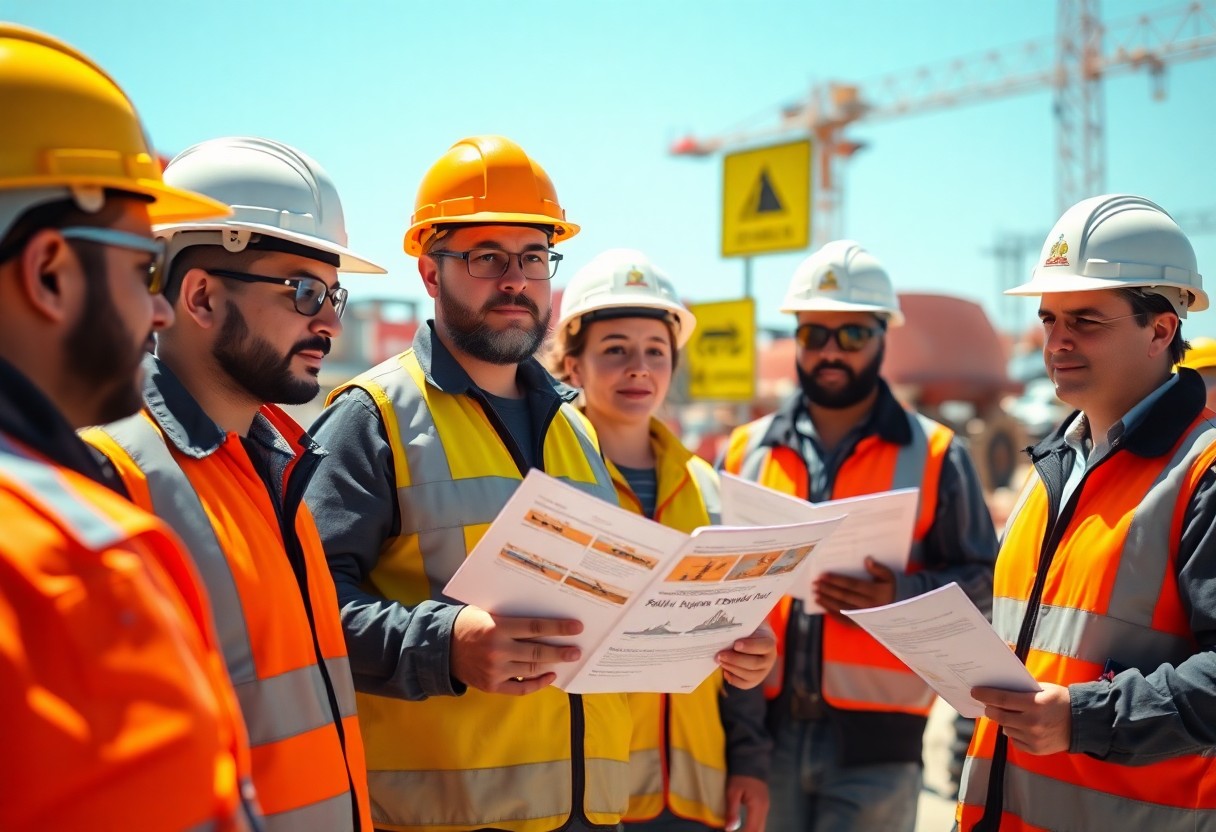
With a focus on ensuring safety in the workplace, it is crucial for every contractor to understand that adhering to safety regulations is not just a requirement but a responsibility. You play a vital role in creating a secure environment by following established guidelines and procedures. By doing so, you not only protect yourself but also your coworkers and the overall integrity of the project. Emphasizing safety means everyone can work confidently and efficiently, reducing the risk of accidents and ensuring a successful outcome.
Key Takeaways:
- Emphasizes the importance of adherence to safety protocols by all personnel on-site.
- Encourages open communication about safety concerns to foster a collaborative environment.
- Outlines specific consequences for non-compliance to ensure accountability among contractors.
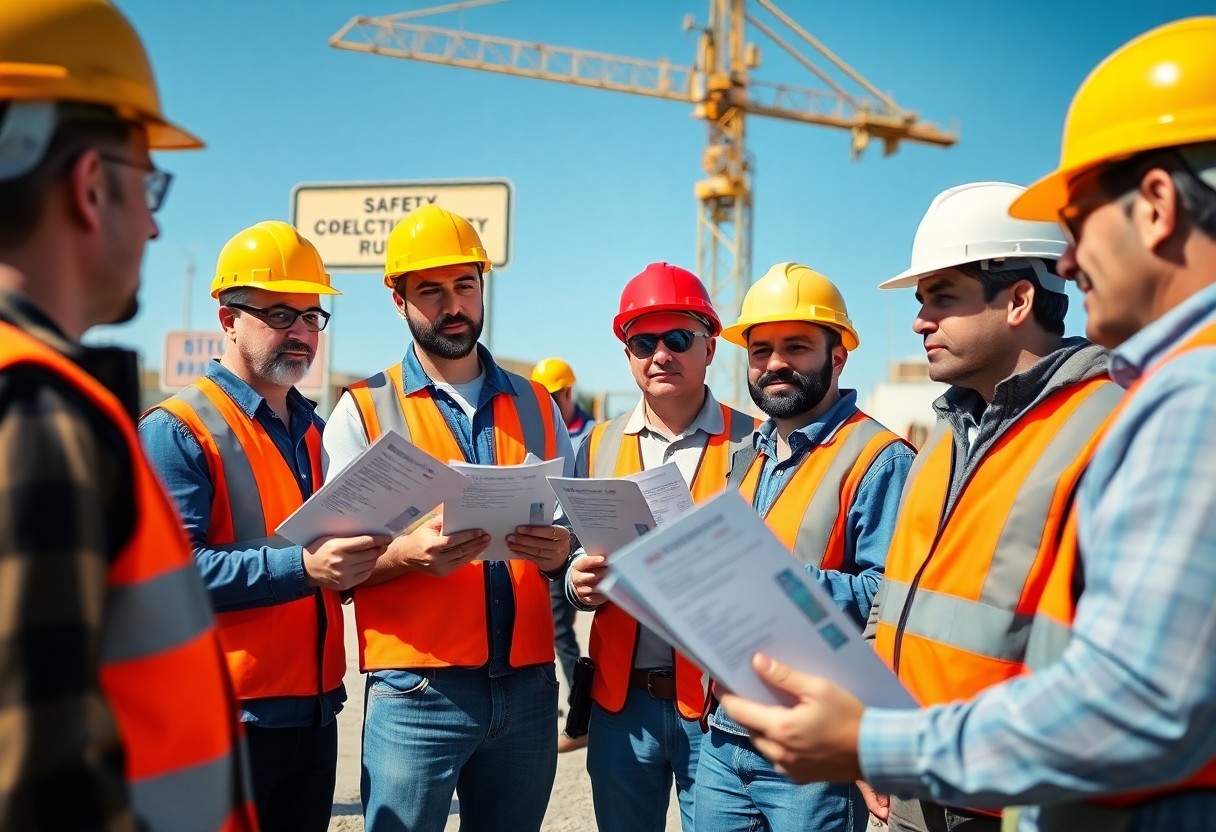
Importance of Contractor Safety
Prioritizing contractor safety is important for maintaining a productive work environment and minimizing accidents. When safety protocols are strictly followed, you not only protect your workforce but also enhance efficiency and reduce costs associated with workplace injuries. Establishing a culture of safety leads to fewer disruptions, ensuring that projects are completed on time and within budget. Ultimately, emphasizing safety can improve employee morale and foster a sense of responsibility among all workers.
Understanding Contractor Responsibilities
You must clearly understand your responsibilities as a contractor to maintain a safe working environment. This includes conducting regular safety training, ensuring that all team members are equipped with proper personal protective equipment (PPE), and performing routine safety inspections. By being proactive in these areas, you mitigate risks and demonstrate your commitment to safety, fostering a more secure workplace for everyone involved.
Legal Implications of Safety Violations
Violations of safety regulations can lead to severe legal consequences for contractors. Fines, penalties, and lawsuits can result from non-compliance with established safety standards. You not only risk your financial investment but also damage your reputation in the industry. Regulatory bodies such as OSHA impose strict guidelines, and failing to adhere can result in inspections, citations, or even shutdowns of your operations, significantly impacting your business’s viability.
Legal implications extend beyond fines and penalties; they can lead to criminal charges in severe cases of negligence. For example, if a contractor’s negligence results in a serious injury or fatality, it can stem into personal liability, and insurance might not cover all legal costs. In 2021, OSHA proposed nearly $3 million in penalties for a single contractor following multiple safety violations that led to worker injuries. Protecting your workforce is not merely a regulatory measure; it’s a fundamental aspect of maintaining your business’s integrity and operational continuity.
Key Safety Regulations
Understanding key safety regulations is important for maintaining a safe work environment. Compliance with these regulations not only protects you but also enhances overall efficiency. You must be familiar with standards that apply to your specific role, which helps in minimizing the risk of accidents and injuries on the job site.
Overview of OSHA Standards
OSHA standards set the baseline for workplace safety, requiring you to follow guidelines that cover everything from hazard communication to personal protective equipment. Compliance with these regulations helps reduce the incidence of workplace injuries and fatalities, ensuring a safer environment for all workers on site.
Industry-Specific Safety Protocols
Different industries have tailored safety protocols designed to address specific hazards unique to their operations. You must adhere to these protocols to mitigate risks effectively, as they can include specialized training, equipment, and safety measures relevant to your field of work.
For instance, in construction, you may face fall hazards that require strict adherence to protocols such as guardrails and safety harnesses, while those in the chemical industry must follow strict handling guidelines for hazardous materials. Training programs tailored to your industry ensure you are equipped with the knowledge and skills needed to stay safe. Additionally, regular safety audits help identify potential areas for improvement and ensure compliance with evolving regulations. Understanding and following these industry-specific protocols not only protects you but also fosters a culture of safety in your workplace.
Safety Training for Contractors
Your organization’s commitment to safety training for contractors minimizes risks and fosters a culture of safety. Comprehensive training gives contractors the knowledge they need to identify hazards and follow safety protocols effectively. Programs should be tailored to specific jobs, ensuring that all team members understand their roles and the importance of adhering to safety guidelines.
Types of Safety Training
Various types of safety training are vital for contractors to ensure they operate safely on-site:
- Orientation Training: Introduction to site rules and safety expectations.
- Job Hazard Analysis: Understanding specific risks related to job tasks.
- Emergency Response Training: Preparing for potential emergencies.
- Equipment Safety Training: Operating machinery and tools safely.
- Personal Protective Equipment (PPE) Training: Proper use and maintenance of safety gear.
After implementing these training types, you will see significant improvements in compliance and workplace safety.
Importance of Continuous Education
Continuous education reinforces vital safety principles and keeps contractors updated on best practices. As regulations and technologies evolve, staying informed helps you mitigate risks effectively. Encouraging regular training sessions or refresher courses promotes a proactive rather than reactive approach to safety.
Engaging in continuous education not only enhances safety knowledge but also instills a culture of awareness among contractors. With industry standards constantly changing, ongoing training is vital for adapting to new regulations and technological advancements. When contractors receive updated training, they are better equipped to identify and address hazards, thereby reducing accidents and improving overall site safety. Invest in your contractors’ skills and knowledge by prioritizing ongoing educational opportunities that address both emerging challenges and foundational safety practices.
Role of Safety Equipment
Safety equipment plays a vital role in minimizing risks on job sites. Compliance with safety regulations ensures that you have access to the necessary tools and gear designed to protect against hazards. Utilizing the right equipment not only fosters a safer working environment but significantly decreases the likelihood of injuries and accidents. Implementing proper safety protocols around this equipment enhances overall project efficiency and productivity.
Personal Protective Equipment (PPE)
Personal Protective Equipment (PPE) is imperative in safeguarding you from workplace hazards. Items such as hard hats, gloves, safety goggles, and high-visibility clothing create a barrier against injuries caused by falling objects, chemicals, or machinery. Ensuring that your PPE fits properly and is in good condition can drastically improve your safety while performing tasks on-site.
Tools and Machinery Safety
Tools and machinery safety is vital in preventing accidents and injuries. You should always inspect equipment before use and ensure that it meets safety standards. Proper training on handling tools and machinery significantly reduces the risk of accidents, allowing you to work confidently and without fear.
When operating machinery, adhering to manufacturer guidelines and safety protocols streamlines your operations while preventing malfunctions. For example, in construction settings, using guards on saws or ensuring that safety locks are operational can prevent serious injuries. Regular maintenance checks can identify potential issues before they result in failures. Always maintain clear communication among your team regarding the operation of heavy machinery to enhance safety awareness. Keeping these principles in mind fosters a more secure work environment for everyone involved.
Communication and Reporting
Effective communication is imperative in contractor safety, ensuring that everyone understands their roles and responsibilities. Regular updates and clear channels for Construction Tool Box Safety Talks facilitate the sharing of vital safety information, preventing misunderstandings that can lead to incidents.
Safety Meetings and Briefings
Your participation in regular safety meetings and briefings is vital to foster a culture of safety on the job site. These gatherings not only offer a platform for you to raise concerns but also provide updates on best practices, recent incidents, and safety protocols to follow. Engaging fully during these sessions enhances awareness and readiness.
Incident Reporting Procedures
Understanding and adhering to your site’s incident reporting procedures is imperative for maintaining safety and accountability. Promptly reporting near-misses, accidents, or unsafe conditions helps identify patterns and prevent future occurrences. Ensure that you know the steps, contacts, and timelines involved in the reporting process.
With respect to incident reporting, clarity and timeliness are vital. Your immediate action can significantly influence the investigation process and the subsequent implementation of corrective measures. Familiarize yourself with the reporting forms and who to notify on your team. Engaging in this process helps create a safer work environment for all and reinforces the importance of vigilance in safety practices.
Encouraging a Safety Culture
Establishing a safety culture requires a commitment from all levels of the organization. Cultivating an atmosphere where safety is prioritized encourages everyone to adopt best practices and adhere to regulations. This environment thrives on open dialogue, shared responsibility, and collective ownership of safety outcomes, transforming individual behaviors into a unified safety approach.
Leadership and Accountability
Your leadership plays a pivotal role in shaping a safety culture. When leaders demonstrate accountability for safety protocols, it sets a powerful example for all employees. A visible dedication to safety from leadership fosters trust and encourages everyone to engage seriously with safety practices, ultimately reducing incidents.
Employee Involvement and Feedback
Active participation from employees enhances safety outcomes significantly. Encouraging your team to provide feedback and share concerns about potential hazards creates a sense of ownership. When employees feel their voices matter, they are more likely to engage in proactive safety measures, committing to a safer work environment.
Engaging your workforce in safety discussions can lead to practical improvements and innovations. For instance, implementing regular safety meetings where employees can voice concerns or share ideas encourages dialogue and collaboration. Additionally, establishing a suggestion program allows employees to contribute their insights, which can reveal previously unnoticed risks or opportunities for enhancing safety protocols. This participative approach not only boosts morale but also strengthens the collective commitment to maintaining a safe workplace.
Conclusion
Presently, adhering to safety protocols as a contractor is imperative for protecting both you and your team. By understanding that everyone must follow the rules, you help foster a culture of safety that minimizes risks and enhances overall project efficiency. Your commitment to these standards not only ensures compliance with regulations but also reinforces accountability among all workers. Ultimately, prioritizing safety safeguards your health, promotes teamwork, and leads to successful project outcomes.
FAQ
Q: Why is contractor safety important on the job site?
A: Contractor safety is vital to ensure the well-being of all workers and to maintain a productive work environment. When everyone adheres to safety rules, it reduces the risk of accidents and injuries, promotes teamwork, and helps comply with legal regulations, ultimately leading to a successful project outcome.
Q: What are the key safety rules that all contractors must follow?
A: Key safety rules include wearing appropriate personal protective equipment (PPE), reporting hazards immediately, following established safety protocols, attending safety meetings, and maintaining clear communication among team members. These rules help create a culture of safety that benefits everyone on-site.
Q: How can contractors ensure compliance with safety rules?
A: Contractors can ensure compliance by providing comprehensive safety training, conducting regular safety audits, implementing a buddy system for real-time observation, encouraging open dialogue about safety concerns, and recognizing adherence to safety practices through incentives. This proactive approach fosters accountability and promotes a safer working environment.