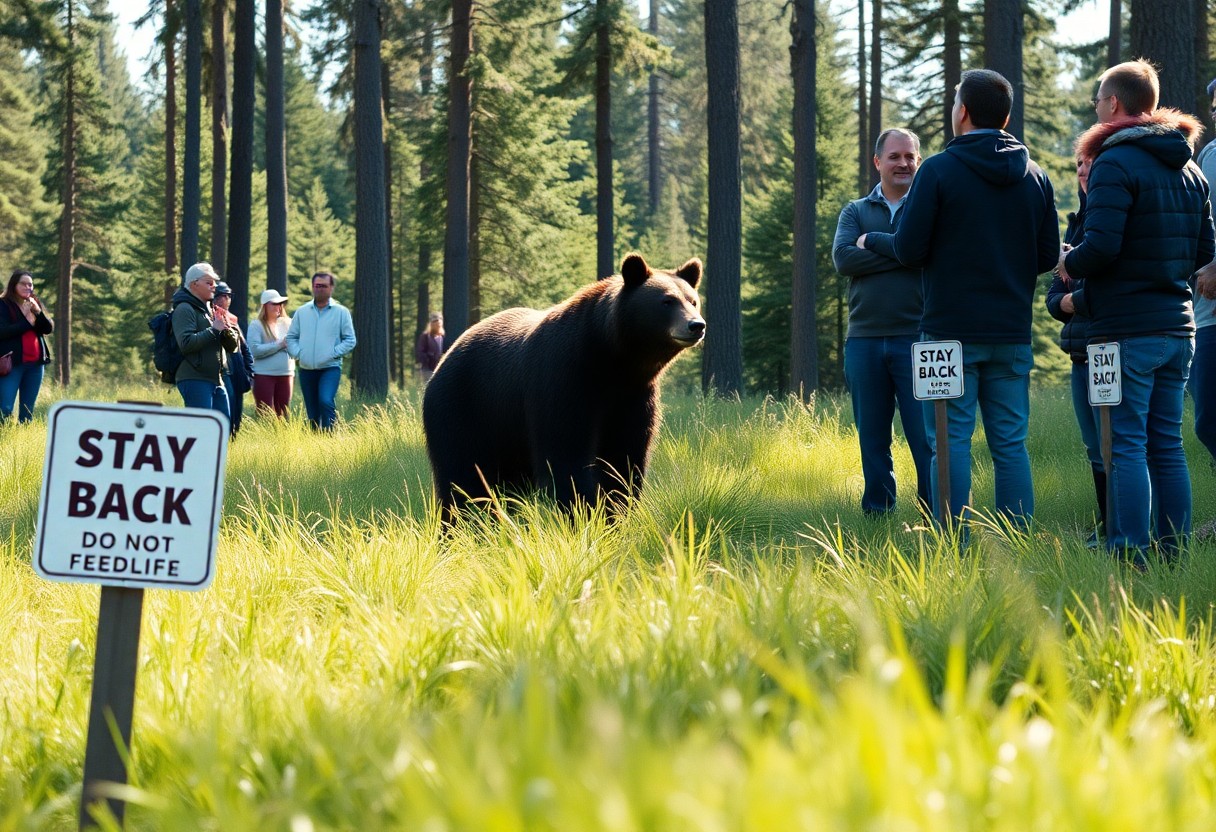
Safety is paramount when encountering wildlife. As you venture into natural habitats, understanding animal behavior and knowing how to respond can protect both you and the animals. Whether you encounter bears, snakes, or moose, staying calm, keeping a safe distance, and avoiding feeding them are important practices. Equip yourself with the right information, and you can enjoy nature while minimizing risks associated with wildlife interactions.
Key Takeaways:
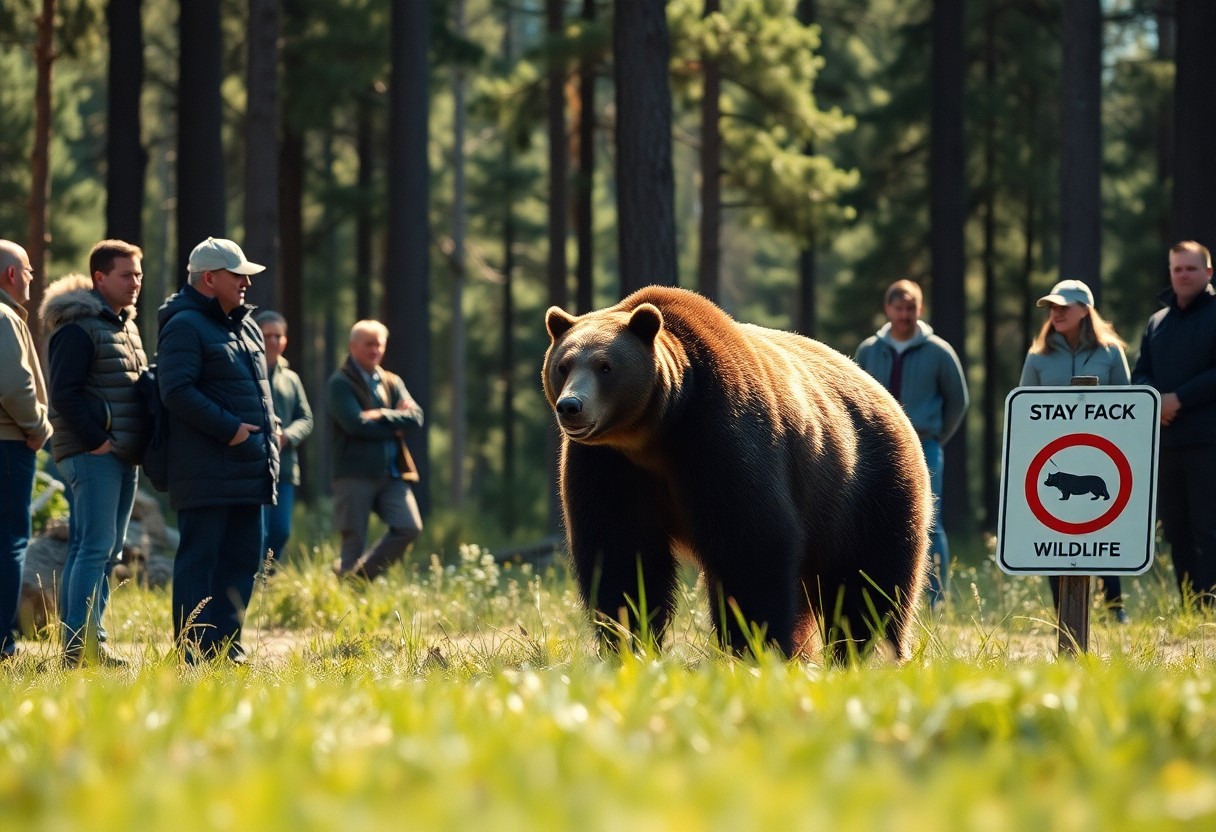
- Keep a safe distance from wildlife; approaching can provoke aggressive behavior.
- Store food securely to avoid attracting animals and keep campsites clean.
- Know local animal behaviors and warning signs to enhance personal safety.
Importance of Wildlife Awareness
Being aware of the wildlife around you is imperative for ensuring both your safety and the well-being of animals. Understanding that wild animals can be unpredictable helps you navigate outdoor environments with caution. Awareness can prevent dangerous encounters, foster respect for nature, and promote coexistence with local ecosystems, ultimately enriching your outdoor experiences.
Understanding Animal Behavior
Recognizing how animals behave in their natural habitats is vital. Animals exhibit a range of behaviors that signal potential threats or discomfort. For instance, an agitated bear may huff or moan as a warning, while a rattlesnake vibrates its tail to deter perceived threats. By learning these signs, you can avoid confrontations and act appropriately in the presence of wildlife.
Recognizing Local Wildlife
Familiarizing yourself with the wildlife species in your area enhances your outdoor safety and experience. Each region hosts unique animals, and understanding their habits, habitats, and potential dangers is paramount. For example, in coastal areas, you should be aware of the presence of jellyfish and their stings, while forests might have bears or moose, which require specific safety protocols to interact with safely.
Take time to research and recognize the common wildlife in your vicinity. In the United States, for instance, black bears are prevalent in many national parks, and understanding their range, foraging habits, and territorial behaviors can prepare you for encounters. Similarly, awareness of local snakes helps you identify venomous varieties like rattlesnakes or copperheads. Utilize local resources, like wildlife guides or community workshops, to enhance your knowledge and ensure a safer outdoor experience.
Preparing for Encounters
Preparation can significantly reduce the likelihood of dangerous wildlife encounters. Familiarize yourself with the local fauna by researching potential wildlife interactions in your area. Resources like Wildlife in the Workplace provide valuable insights. Knowing the behaviors and habitats of animals helps you make informed choices when you’re outdoors, ensuring both your safety and the animals’ well-being.
Know Your Environment
Your surroundings play a significant role in wildlife encounters. Cozy locations like forests or wetlands attract diverse animals. Take the time to note habitats where animals frequent, such as water sources or feeding grounds. Stay alert in these areas, particularly at dawn and dusk when many animals are active.
Essential Safety Gear
Equipping yourself with the right safety gear is vital for preventing wildlife encounters. Items such as bear spray, noise-making devices, and sturdy boots can enhance your protection. Additionally, using brightly colored clothing can help make you more visible to animals, reducing the chances of unexpected interactions.
Investing in effective gear is key to enjoying outdoor activities safely. For instance, carrying bear spray can deter aggressive wildlife, while noise-makers, like air horns, can alert animals to your presence, encouraging them to move away. Wearing rugged footwear ensures you can navigate rough terrain while staying secure. Always check the condition of your equipment before venturing out, as well-maintained gear is more reliable during unexpected situations.
Encountering Large Animals
When you find yourself in the presence of large animals, your first instinct should be to maintain a safe distance. Always give these creatures their space, as they can be unpredictable, especially if they feel threatened. Observing animals from afar allows you to enjoy the moment without putting yourself at risk. If you encounter large animals on trails or near campsites, stay calm, back away slowly, and avoid sudden movements. Your safety depends on respecting their territory.
Bears
If you encounter a bear, it’s vital to stay calm. Make your presence known by speaking softly, but don’t yell or run. Most bears will not attack if they are aware of you; they typically prefer to avoid humans. If a bear approaches, try to make yourself look larger, stand tall, and slowly back away. Carry bear spray as a precaution, and ensure it’s accessible. In bear country, keeping food secured in airtight containers and away from sleeping areas is vital.
Moose
Moose can be particularly dangerous due to their size and unpredictable nature. They weigh between 800 to 1,600 pounds and can be aggressive during the rutting season or if a calf is nearby. Always keep a respectful distance, at least 50 yards, and avoid sudden movements. If you encounter a moose on the road, stop your vehicle and wait for it to move away; honking your horn or trying to drive around it may provoke an aggressive response.
In addition to their size, moose often appear calm but can react quickly if they feel threatened. Their long legs give them the ability to run at speeds up to 35 miles per hour over short distances, making them surprisingly agile. If you see a moose with a calf, you should stay even further away; a mother moose will defend her young fiercely. Always be aware of your surroundings while hiking in areas known for moose activity, particularly during dawn and dusk when they are most active.
Encountering Small Animals
When encountering small animals, your approach should be cautious and respectful. These creatures, although often overlooked, can pose significant risks. Maintaining distance is important, especially since many small animals can be surprisingly fast or aggressive if they feel threatened. Understanding their behavior helps ensure a safe interaction, allowing you to enjoy observing wildlife while prioritizing your safety.
Snakes
When you encounter snakes, it’s imperative to stay calm and avoid sudden movements. Most snakes are non-aggressive and will retreat if given the chance. If you see one, keep a safe distance of at least six feet, as even non-venomous snakes can bite if startled. Familiarizing yourself with local species, particularly venomous ones, can be beneficial for your safety.
Rodents
Rodents can carry diseases and may become aggressive if cornered. If you encounter one, do not approach it, as you could provoke a defensive reaction. Always be mindful of your surroundings, especially in urban areas where rodents like rats and mice are common. Avoid leaving food out that could attract them to your vicinity.
In urban settings, rodent encounters may increase during colder months as these animals seek warmth and shelter. Rats and mice are not only capable of carrying diseases like hantavirus and leptospirosis, but they can also become a nuisance and lead to infestations if food sources are readily available. Keeping your environment clean, sealing entry points, and using secure waste disposal methods can drastically reduce the chance of unwanted encounters with these small animals.
Safety Tips for Hiking and Camping
To ensure your safety while hiking and camping, adhere to these necessary tips:
- Stay on marked trails to avoid unexpected wildlife encounters.
- Maintain a safe distance from all wildlife.
- Keep noise levels up to alert animals of your presence.
- Carry bear spray in bear country and know how to use it.
- Be aware of your surroundings, especially in dense vegetation.
Perceiving potential risks can significantly reduce accidents and injuries.
Traveling in Groups
When hiking or camping, traveling in groups enhances your safety. Animals are less likely to approach larger groups, which can deter potential encounters. It’s also beneficial for shared knowledge; group members can inform each other of sightings or dangers. Additionally, in the event of an emergency, having more people around facilitates quicker response and support.
Keeping Food Secure
Securing your food is vital to prevent attracting wildlife. Use airtight containers and keep your food stored at least 100 yards away from your sleeping area. Invest in bear-resistant canisters if camping in bear territory, as these containers are specifically designed to withstand animal attempts at access.
Properly securing your food not only protects wildlife from obtaining human food, which can be harmful, but it also keeps your campsite safe from unwanted animal visitors. Consider using hanging methods or designated food lockers. Even the scent of food can attract animals from miles away, so ensure that trash and leftovers are also stored away. Cleaning utensils and residue properly can further minimize incidents, as animals often follow their noses.
Reporting Wildlife Encounters
Reporting wildlife encounters is important for ensuring safety and protecting the ecosystem. Informing local authorities can help manage animal populations and provide valuable data for wildlife conservation. If you witness aggressive behavior, a potential threat, or injured animals, your report can facilitate timely assistance or intervention. Be proactive to help create a safer environment for both humans and animals.
When to Report
You should report wildlife encounters when animals display aggressive behavior, are injured, or are in close proximity to populated areas. Additionally, any sighting of rare or endangered species can provide important information for conservation efforts. If an animal poses a significant risk to public safety, it is vital to notify authorities immediately.
How to Report
To report a wildlife encounter, contact your local wildlife management agency or park service directly. Provide detailed information, including the type of animal, location, and any behavior exhibited. If necessary, take photos from a safe distance to support your report. Many areas also have online platforms and hotlines for quick reporting.
The process of reporting can vary based on your location. For instance, if you encounter a bear near a campsite, you would want to contact local wildlife authorities who may have specific protocols for bear sightings. Be sure to include location details, such as GPS coordinates or landmarks, and explain the context of the encounter (aggressive behavior, proximity to people, etc.). Your accurate and timely report could lead to prompt action and help prevent potential incidents.
Final Words
Summing up, staying safe around wildlife requires you to stay informed and prepared. Always observe animals from a safe distance and never approach or feed them, as this can provoke defensive behavior. Familiarize yourself with local wildlife and their habits to better understand how to react in encounters. Having a plan and understanding your surroundings can significantly reduce risks, ensuring that both you and the animals remain safe. By prioritizing safety, you contribute to coexistence with wildlife, allowing you to enjoy nature responsibly.
FAQ
Q: What should I do if I encounter a wild animal while hiking?
A: Stay calm and assess the situation. Do not approach the animal. Back away slowly, keeping the animal in your sight, and make noise to signal your presence if needed. Always give wildlife enough space to feel safe and escape.
Q: How can I minimize wildlife encounters while camping?
A: Store all food and waste in animal-proof containers, keep your campsite clean, and avoid cooking near your sleeping area. Make noise while hiking and avoid hiking alone to reduce unexpected animal interactions.
Q: What are the guidelines for safely observing wildlife from a distance?
A: Use binoculars or a camera with a zoom lens to observe wildlife from afar. Stay at least the recommended distance based on the species, and never feed or lure animals, as this can alter their natural behavior.