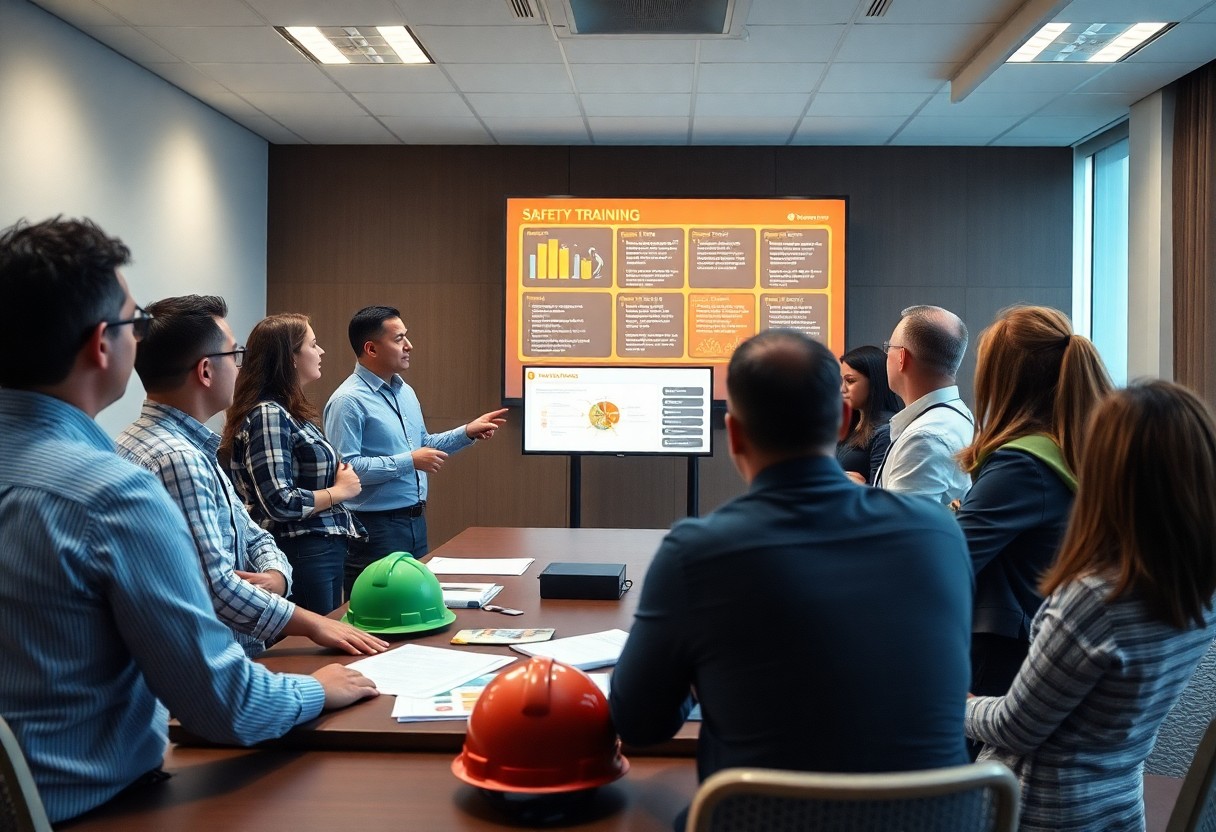
You hold a vital role in ensuring a safe environment for yourself and those around you. By actively participating in safety awareness initiatives, you can help prevent accidents and create a culture of vigilance. Embrace the idea that safety is not solely the responsibility of designated personnel; it requires your proactive engagement. Understanding the potential hazards in your surroundings empowers you to make informed decisions that can significantly reduce risks. Together, with a commitment to safety, you contribute to a safer community for everyone.
Key Takeaways:
- Safety awareness is a shared responsibility among all team members.
- Effective communication is important for identifying and addressing safety concerns.
- Regular training and discussions enhance overall safety culture in the workplace.
Understanding Safety Awareness
Safety awareness encompasses the knowledge and practices that enable individuals to recognize, assess, and mitigate risks in their environment. By being aware of potential hazards, you can take proactive steps to protect yourself and your colleagues. This mindfulness not only enhances personal safety but fosters a culture where everyone is equipped to contribute to a secure workplace.
Definition of Safety Awareness
Safety awareness is the ability to identify hazards, understand their implications, and implement appropriate measures to ensure a safe environment. This involves continuous observation and evaluation of surroundings, processes, and behaviors. By being vigilant, you promote a proactive approach that minimizes accidents and injuries.
Importance of Safety Awareness in the Workplace
Being safety aware in the workplace is fundamental to preventing accidents and ensuring the well-being of all employees. When you prioritize safety awareness, you reduce the likelihood of injuries and incidents that can lead to costly downtime and legal issues. Studies show that organizations with high safety awareness experience significantly lower accident rates, resulting in enhanced morale and productivity.
Engaging in safety awareness not only protects you but also contributes to a positive workplace culture. For example, when you actively participate in safety meetings or training, you help create an environment where employees feel valued and empowered. Statistics reveal that companies with strong safety programs see a reduction of up to 40% in injury-related costs. Furthermore, fostering a safety-first mentality can boost teamwork and improve overall performance, leading to a healthier and more efficient workplace.
Role of Leadership in Promoting Safety
Your leadership sets the tone for safety in any organization. When leaders prioritize safety, it resonates throughout the workforce, establishing a standard that you and your colleagues are more likely to follow. Effective leaders model safe behaviors, communicate expectations clearly, and ensure that safety protocols are embedded in day-to-day operations. When you see leaders engaged in safety initiatives, it creates a sense of accountability and shared responsibility among all team members.
Leadership Responsibilities
Leaders are tasked with establishing and enforcing safety policies, offering the necessary training, and providing resources to promote safe practices. You need to invest time in identifying potential hazards and regularly review procedures to ensure effectiveness. Regular safety meetings and open communication channels will empower you and your colleagues to voice concerns or suggestions, fostering a more informed work environment.
Creating a Safety Culture
Building a safety culture involves integrating safety into every aspect of the organization. You must see safety as a collective value rather than just a checklist. This means that all team members, including you, are actively involved in maintaining safety standards and supporting each other. Encouraging peer-to-peer feedback and recognizing safe behaviors can strengthen this culture, making safety a shared goal rather than individual responsibility.
To reinforce this safety culture, you can implement regular training sessions and workshops that focus on the importance of safety in your specific field. Sharing real-life incidents, both positive and negative, helps illustrate the consequences of ignoring safety protocols. Consider initiating safety incentives that reward individuals or teams for exemplary safety performance. When you and your colleagues witness tangible results from these efforts, it creates a more profound commitment to safety within the workplace and beyond.
Employee Involvement and Responsibility
Your active participation in safety practices directly impacts the overall workplace environment. Taking ownership of safety means understanding that you play a vital role in identifying risks and implementing solutions. When you engage with your peers about safety concerns, you foster a culture that prioritizes well-being. Make it a habit to assess your surroundings and influence your colleagues to adopt proactive safety measures, creating a collaborative safety network.
Reporting Unsafe Conditions
When you observe unsafe conditions, it is necessary to report them immediately. Delaying the reporting of hazards can lead to accidents that might have been avoided. Utilize your organization’s reporting system, ensuring that issues are documented clearly and communicated effectively to management. Your vigilance in monitoring safety can prevent incidents and enhance the overall safety culture.
Engaging in Safety Training
Participating in safety training equips you with necessary knowledge and skills to maintain a safe work environment. These sessions are designed to address specific hazards and promote best practices. By attending all training opportunities, you’re not just enhancing your personal safety but also contributing to a shared knowledge base that benefits everyone.
Engaging in safety training allows you to familiarize yourself with the latest regulations, safety equipment, and emergency protocols, which can be critical in averting workplace accidents. For instance, a study showed that companies with regular safety training programs have reduced workplace injuries by up to 50%. Actively participating in exercises, simulations, and discussions reinforces your understanding, enabling you to respond effectively in real-life scenarios. This proactive approach not only protects you but also enhances team coordination during emergencies.
Effective Communication Strategies
Effective communication is necessary in fostering a safety culture. It enables you to share important safety information, lessons learned from incidents, and ongoing safety initiatives. By establishing clear channels for communication, you ensure that everyone is aware of their responsibilities and any hazards present in the workplace. This collaborative environment aids in preventing accidents and fostering a sense of shared accountability among all employees.
Open Lines of Communication
Open lines of communication allow for continuous dialogue about safety concerns and proactive strategies. You should encourage team members to voice their observations, whether they identify potential hazards or suggest safety improvements. Regular meetings and feedback sessions foster an atmosphere where everyone feels comfortable discussing safety issues, ensuring that vital information flows freely.
Tools for Safety Communication
Implementing effective tools for safety communication can greatly enhance your workplace safety strategy. Utilizing digital platforms such as safety management software, incident reporting apps, and collaborative tools helps streamline communication efforts. Engaging methods like safety bulletins, visual aids, and training videos also reinforce critical safety messages, ensuring they’re easily understood and retained by all employees.
Consider using specific tools that suit your organizational needs, such as incident-reporting software, which allows employees to quickly report hazards and near-misses. Incorporating visual safety boards keeps important statistics and reminders prominently displayed. Additionally, mobile apps facilitate instant communication to alert your team about safety updates or urgent issues. These tools not only improve communication but also create a transparent environment where safety is prioritized and everyone remains informed.
Safety Training and Education
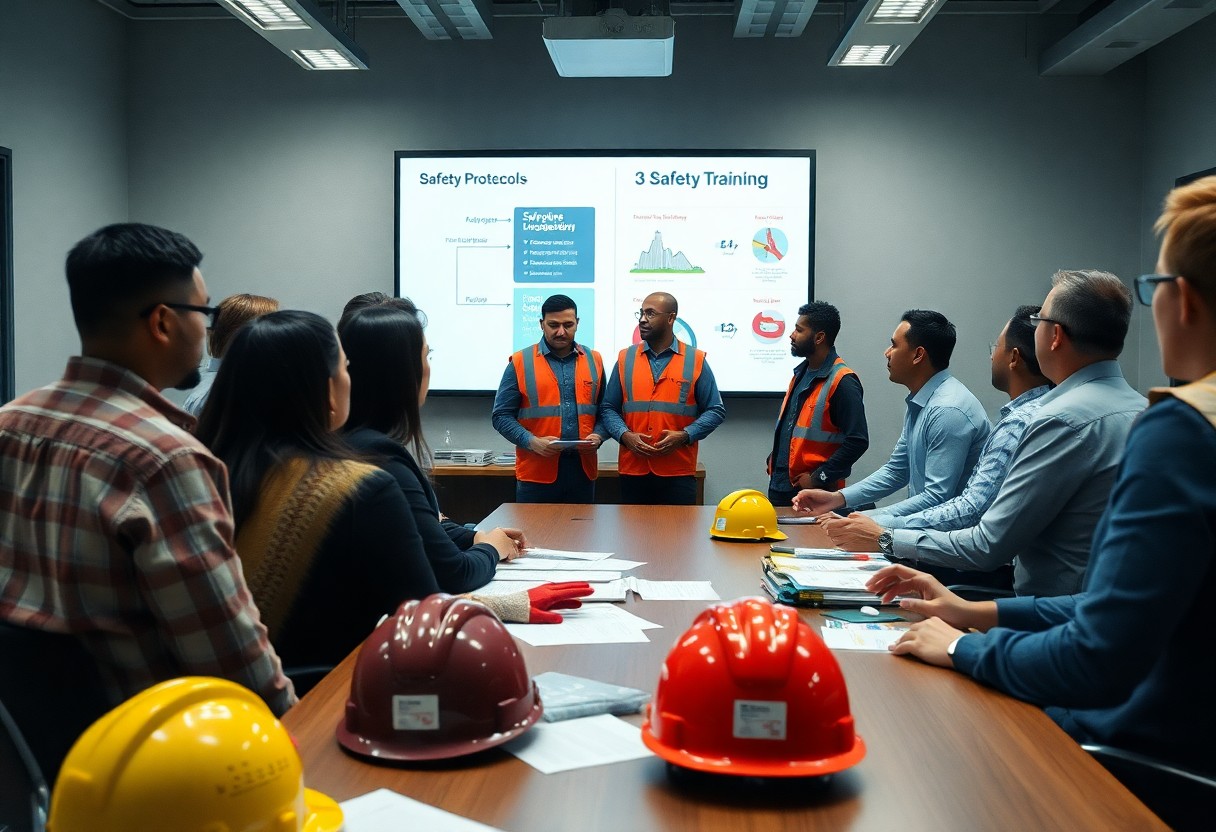
Effective safety training and education are crucial for fostering a culture of safety within your organization. Each team member plays a pivotal role in maintaining safety, as highlighted in the Safety – Everyone’s Responsibility guide. By equipping employees with the right skills and knowledge, you ensure that safety protocols are understood and followed diligently.
Types of Safety Training
Various types of safety training address specific hazards and promote safe practices tailored to your workplace. Consider incorporating:
- Orientation Training – Introduces new employees to safety policies.
- Job Safety Analysis – Evaluates risks associated with specific tasks.
- Emergency Response Training – Prepares staff for unexpected incidents.
- Equipment Operation Training – Ensures safe use of machinery.
- First Aid/CPR Training – Equips employees to handle medical emergencies.
After incorporating these trainings, you create a workforce that is not only knowledgeable but also proactive in safety measures.
Continuous Learning and Improvement
Continuous learning and improvement are crucial for enhancing safety practices. As new technologies and methodologies emerge, you must adapt training programs to include the latest safety standards and practices. Regular feedback, audits, and evaluations help identify areas for enhancement, ensuring that safety remains a top priority in your organization.
Investing in continuous learning fosters an atmosphere where employees feel empowered to voice safety concerns and contribute ideas for improvement. Revisiting and refining training materials based on real-world experiences allows you to cultivate a proactive safety culture. Furthermore, integrating new information from industry research or reviews can help you stay ahead of potential risks and increase overall workplace safety resilience.
Evaluating and Improving Safety Practices
Regular evaluation and enhancement of safety practices help identify vulnerabilities and boost overall safety performance. By analyzing incidents and near misses, you can isolate patterns that indicate where improvements are needed. You should establish a continuous improvement cycle that integrates new safety technologies and adheres to evolving regulations. Engaging employees in this process ensures that everyone has a stake in safety outcomes, fostering a proactive approach to risk management.
Conducting Safety Audits
Conducting safety audits is vital for assessing your current safety practices against established standards. These audits typically involve systematic examinations of operations, policies, and procedures, revealing both compliance and areas for improvement. You should schedule these audits regularly, utilizing checklists and expert eyes to scrutinize practices that may otherwise slip through the cracks. Key findings can drive targeted interventions to reduce risks significantly.
Implementing Feedback and Changes
Implementing feedback and changes is vital for enhancing your safety culture. After collecting input from employees through surveys or discussions, you should prioritize the actionable suggestions and establish clear timelines for addressing them. Transparent communication about changes fosters trust and encourages ongoing dialogue about safety.
Effectively implementing feedback involves following a structured approach. Start by categorizing suggestions based on urgency and impact—address high-risk concerns immediately. Provide updates to staff on how their input shaped changes, reinforcing their value in the process. Establish training sessions to introduce new safety protocols and solicit additional feedback post-implementation to gauge effectiveness. For example, a manufacturing company that adjusted its machinery lockout procedures after worker input saw a 30% decrease in related incidents within six months, highlighting the profound impact of effectively integrating on-the-ground insights.
Final Words
To wrap up, fostering safety awareness is a shared responsibility that starts with you. By remaining vigilant and proactive in identifying potential hazards, you contribute to a safer environment for yourself and those around you. Encourage open communication about safety concerns and participate in safety training initiatives. Your commitment to safety not only protects you but also enhances the wellbeing of your community. Embrace this responsibility and help cultivate a culture where safety is prioritized and valued by everyone.
FAQ
Q: What is the main purpose of Safety Talk – Safety Awareness?
A: The main purpose is to promote a culture of safety within the workplace, emphasizing that everyone has a role in ensuring a safe environment. It aims to raise awareness about potential hazards and encourage proactive safety measures among employees.
Q: How can employees contribute to safety awareness at work?
A: Employees can contribute by actively participating in safety training sessions, reporting unsafe conditions or behaviors, and encouraging their colleagues to prioritize safety in their daily activities. Engaging in open discussions about safety concerns also helps in fostering a collaborative safety culture.
Q: What are some key topics covered in Safety Talk sessions?
A: Key topics include hazard identification, proper use of personal protective equipment (PPE), emergency response procedures, and safe work practices. These discussions aim to equip employees with the knowledge and skills necessary to maintain a safe workplace.