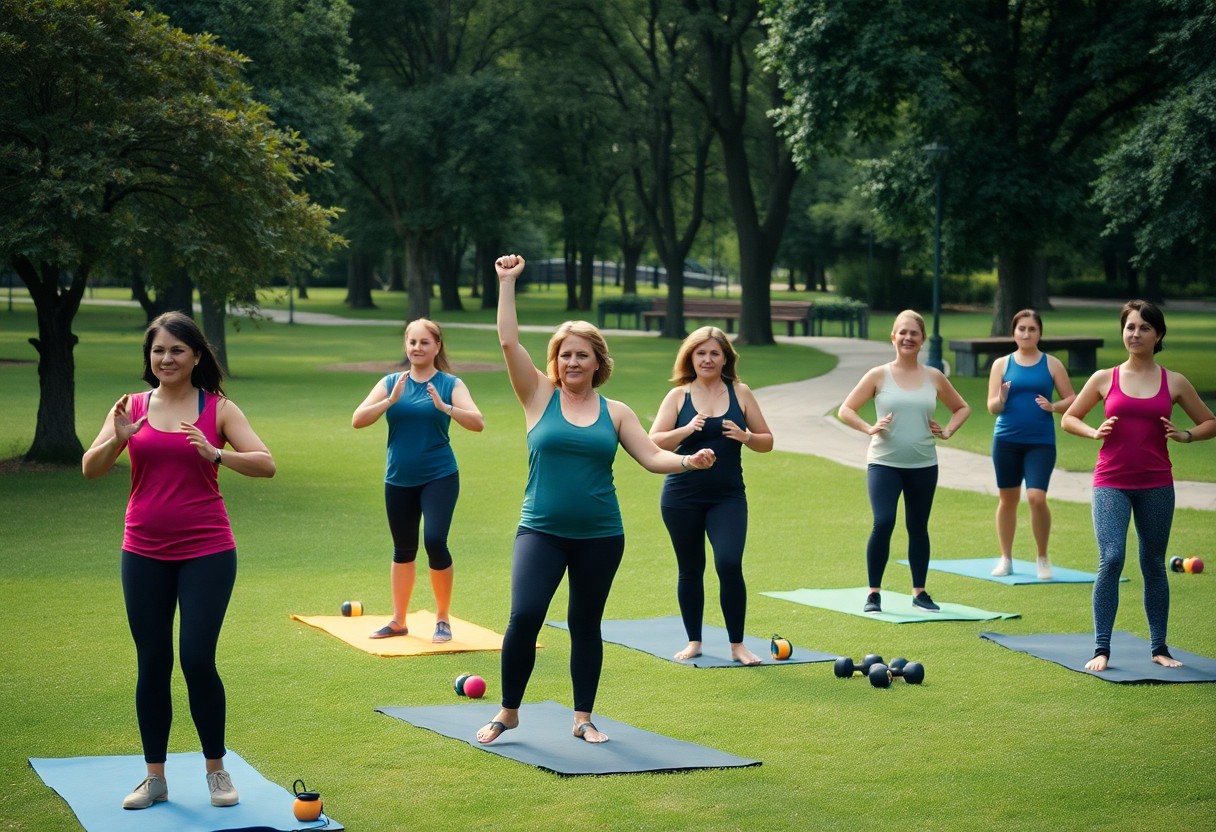
Most people spend a significant portion of their day at work, which can lead to a sedentary lifestyle that negatively impacts your health. Engaging in regular exercise outside of work not only boosts your physical well-being but also enhances your mental health, improving overall productivity. By incorporating outdoor activities, you can reduce the risk of chronic illnesses while enhancing your mood. This blog post will guide you on how to effectively integrate safe and enjoyable physical activities into your daily routine to stay active.
Key Takeaways:
- Incorporate physical activity into daily routines for overall well-being.
- Explore outdoor exercise options to enhance mood and reduce stress.
- Join community sports or fitness groups for motivation and social interaction.
The Importance of Staying Active Outside of Work
Staying active outside of work significantly impacts your overall health and productivity. Engaging in regular physical activity helps mitigate the negative effects of prolonged sitting and can enhance your quality of life. Whether it’s a brisk walk, cycling, or participating in sports, making time for exercise outside of your job sets the foundation for long-term wellness and energy levels necessary to perform daily tasks efficiently.
Benefits of Regular Exercise
Regular exercise offers numerous physical benefits, including improved cardiovascular health, stronger muscles, and enhanced flexibility. Engaging in consistent physical activity can help you maintain a healthy weight and lower your risk for chronic diseases. Additionally, studies show that incorporating exercise into your routine can boost metabolic health, making it easier to manage stress and improve your immune system functionality.
Mental Health and Well-Being
Your mental health significantly benefits from regular exercise, as physical activity releases endorphins, which help improve mood and reduce feelings of anxiety and depression. Engaging in fitness routines allows you to focus, promotes better sleep, and cultivates a sense of accomplishment, all contributing to overall well-being.
Exercise acts as a powerful tool for mental health improvement. For instance, a study published in the Journal of Clinical Psychiatry indicates that just 30 minutes of moderate physical activity can lead to substantial reductions in anxiety levels and depressive symptoms. Additionally, activities like yoga and tai chi improve mindfulness, helping you manage stress more effectively. Creating a routine that incorporates enjoyable outdoor activities not only enhances your physical fitness but also fosters a positive mindset necessary for navigating daily challenges.
Types of Outdoor Exercises
Exploring various types of outdoor exercises can enhance your physical fitness and boost mental well-being. Engaging in activities such as warm-up routines, high-intensity workouts, and cool-down practices can diversify your regimen. Below is a breakdown of effective outdoor exercises:
| Activity | Benefits |
| Walking | Low-impact, improves cardiovascular health. |
| Running | Boosts endurance, burns calories quickly. |
| Cycling | Good for joints, promotes leg strength. |
| Hiking | Enhances balance, engages multiple muscle groups. |
| Yoga | Improves flexibility, reduces stress. |
After exploring these options, you can tailor your fitness journey to what best suits your lifestyle.
Walking and Running
Walking and running are excellent outdoor exercises that cater to all fitness levels. Both promote cardiovascular health and facilitate weight management. Walking can be done leisurely, making it accessible for everyone, while running elevates your heart rate and strengthens lower body muscles. Incorporating intervals or varied terrains can also increase the effectiveness of your workouts.
Cycling and Hiking
Cycling and hiking offer versatile opportunities for outdoor fitness. Cycling builds leg strength and endurance while being kinder to the joints compared to running. Hiking not only improves physical endurance but also connects you with nature, reducing stress levels. Whether you choose a mountain trail or a flat bike path, both activities promote overall well-being.
Engaging in cycling and hiking allows you to explore diverse terrains and natural settings. Cycling through parks or along scenic routes enhances your aerobic fitness while allowing for easy progression in intensity. Hiking, with its variable elevation and settings, promotes strength and agility, making it a full-body workout. Both activities encourage a stronger mind-body connection, promoting mental clarity alongside physical benefits.
Safety Considerations for Outdoor Exercise
Prioritizing safety during outdoor exercise can prevent injuries and enhance your experience. By understanding environmental factors and utilizing appropriate gear, you can engage in activities with confidence. This ensures you not only maximize your workout but also enjoy the outdoors safely.
Weather Awareness
Being aware of the weather is important for outdoor exercise. Monitor local forecasts for temperature, precipitation, and wind conditions that could impact your activity. Extreme temperatures can lead to heat exhaustion or hypothermia, while rain or storms may create hazardous conditions. Always adjust your plans to ensure safety.
Proper Gear and Equipment
Your choice of gear directly affects your performance and safety during outdoor activities. Invest in weather-appropriate clothing, suitable footwear, and necessary equipment tailored to your specific exercise. Proper gear reduces the risk of injury, enhances comfort, and keeps you motivated to stay active.
Adequate footwear is especially important; choose shoes that provide support and traction appropriate for your chosen terrain. Wearing moisture-wicking apparel can help regulate body temperature while protecting against the sun’s harmful UV rays. For specific activities, such as cycling or hiking, consider additional gear such as a helmet or hydration pack to enhance safety and performance. Understanding and investing in the right equipment reflects your commitment to safe and enjoyable outdoor exercise.
Creating a Sustainable Exercise Routine
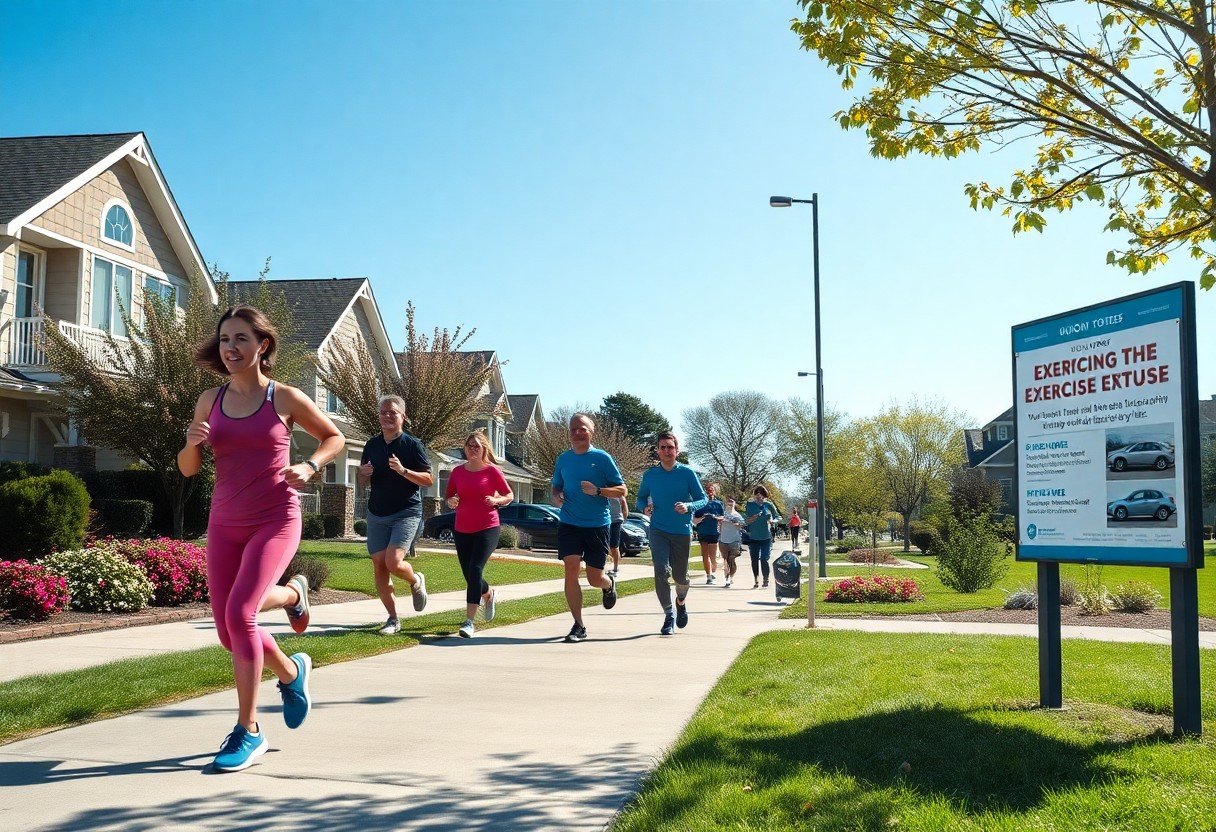
Establishing a sustainable exercise routine involves integrating physical activity into your daily life while ensuring it remains enjoyable and adaptable. You can explore different outdoor activities that align with your interests and schedule, making it easier to stay committed. Utilize resources like How to Be Active Safely in Warm Weather for ideas on how to maintain activity levels year-round, regardless of weather conditions.
Setting Realistic Goals
To sustain your exercise routine, it’s imperative to set realistic goals that you can achieve over time. Start by assessing your current fitness level and gradually increasing the intensity and duration of your activities. Aim for measurable short-term targets that contribute to long-term success, such as walking for 30 minutes a day, three times a week.
Finding Accountability Partners
Having accountability partners can significantly enhance your commitment to your exercise routine. Surround yourself with friends, family, or colleagues who share similar fitness goals, as their support can motivate you to stay on track. Regular check-ins and group activities create a sense of community and make exercising more enjoyable.
Consider forming a workout group or joining local exercise classes to bolster your accountability. Studies show that individuals who engage in group activities are more likely to stick with a routine, as they benefit from social support. Set up weekly meetings to discuss progress, share challenges, and celebrate achievements together. This camaraderie transforms your exercise journey into a shared experience, making it easier to stay motivated and reach your fitness goals.
Incorporating Flexibility and Strength Training
Integrating flexibility and strength training into your routine enhances overall fitness and resilience. These elements reduce the risk of injuries, improve posture, and increase muscle strength, enabling you to perform daily activities more efficiently. Stretching increases joint mobility and muscle elasticity, while strength training builds lean muscle mass, vital for metabolism and functional strength. Balancing these components with your cardiovascular activities will create a well-rounded fitness strategy.
Benefits of Flexibility Exercises
Flexibility exercises offer numerous advantages that go beyond simply improving range of motion. Engaging in regular stretching can alleviate muscle stiffness, enhance blood circulation, and promote relaxation. Studies show that incorporating flexibility work into your routine can lead to improved athletic performance and a reduced risk of injuries, particularly when combined with other training forms.
Strength Training Options for Outdoors
You can easily incorporate strength training into your outdoor activities using the environment around you. Try exercises that utilize your body weight such as push-ups, squats, and lunges. Natural elements like benches or stairs can be employed for step-ups or dips, while resistance bands can add extra challenge without needing heavy equipment. Consider group activities such as outdoor boot camps or hiking with weighted backpacks to build strength effectively.
Utilizing natural outdoor settings for strength training can enhance your workout experience significantly. Parks provide ample opportunities to engage in bodyweight exercises, allowing you to perform squats, planks, and core exercises on the grass or trails. You can also use tree branches or sturdy benches for pull-ups and tricep dips, promoting creativity in your routine. Research indicates that training outdoors can elevate mood and motivation, making you more likely to stick with it. So, mix in some outdoor sessions with traditional gym workouts for balanced and enjoyable fitness progress.
Staying Motivated to Exercise Outside
Staying motivated to exercise outside requires a combination of strategy and perseverance. You can enhance your commitment by forming a schedule that fits into your lifestyle while also prioritizing activities you genuinely enjoy. Joining a workout group or seeking a workout buddy can provide accountability, making it harder to skip your sessions. Setting realistic goals and surrounding yourself with supportive individuals can further bolster your determination, ensuring that outdoor exercise becomes an anticipated part of your routine rather than a chore.
Setting Challenges and Rewards
By establishing specific challenges, you can inject excitement into your outdoor workouts. Consider setting personal milestones, such as hiking a particular trail or completing a distance run. Align these challenges with reward systems to keep your motivation high; treat yourself to a favorite meal, new workout gear, or a relaxing day off after reaching your goal. This positive reinforcement can transform your mindset towards exercise into one of achievement and satisfaction.
Tracking Progress and Celebrating Achievements
Tracking your progress is necessary to stay on course and celebrate your achievements, no matter how small. Use tools like fitness apps or journals to document workouts, track distances, and monitor improvements. This documentation not only highlights your efforts but also reveals trends that can inform your training. Whether you’ve successfully increased your running speed or mastered a challenging rock climb, recognizing these successes fuels your motivation and encourages continued commitment.
Engaging in regular progress tracking offers insights that can fine-tune your exercise routine. For instance, reviewing your workout journal may reveal that hiking twice a week boosts your stamina more than your usual routine. Celebrating achievements, such as completing a half-marathon or achieving a personal best in cycling, fosters a sense of pride and accomplishment. Your progress serves as a tangible reminder of your hard work and dedication, creating a positive feedback loop that enhances your motivation to stay active in the long run.
Conclusion
With these considerations, you can maximize your productivity and overall well-being by engaging in regular physical activity outside of work. Prioritizing exercise not only enhances your physical health but also contributes to improved mental clarity and focus. By incorporating outdoor activities into your routine, you create a balanced lifestyle that promotes both personal and professional success. Taking the time to stay active will ultimately benefit you in various aspects of your life.
FAQ
Q: What are the benefits of exercising outside of work?
A: Exercising outside of work provides numerous benefits, including improved physical health, increased mental clarity, better mood, and enhanced productivity. Engaging in physical activity can also reduce stress and help establish a work-life balance.
Q: What types of exercises are safe to do outdoors?
A: Safe outdoor exercises include walking, jogging, cycling, yoga, and bodyweight workouts. Always ensure the environment is suitable, consider weather conditions, and wear appropriate gear to prevent injuries.
Q: How can I stay motivated to exercise regularly outside of work?
A: Staying motivated can be achieved by setting specific, achievable goals, scheduling workouts similarly to work commitments, finding a workout buddy, and tracking progress. Joining a local fitness group or class can also provide social support and accountability.