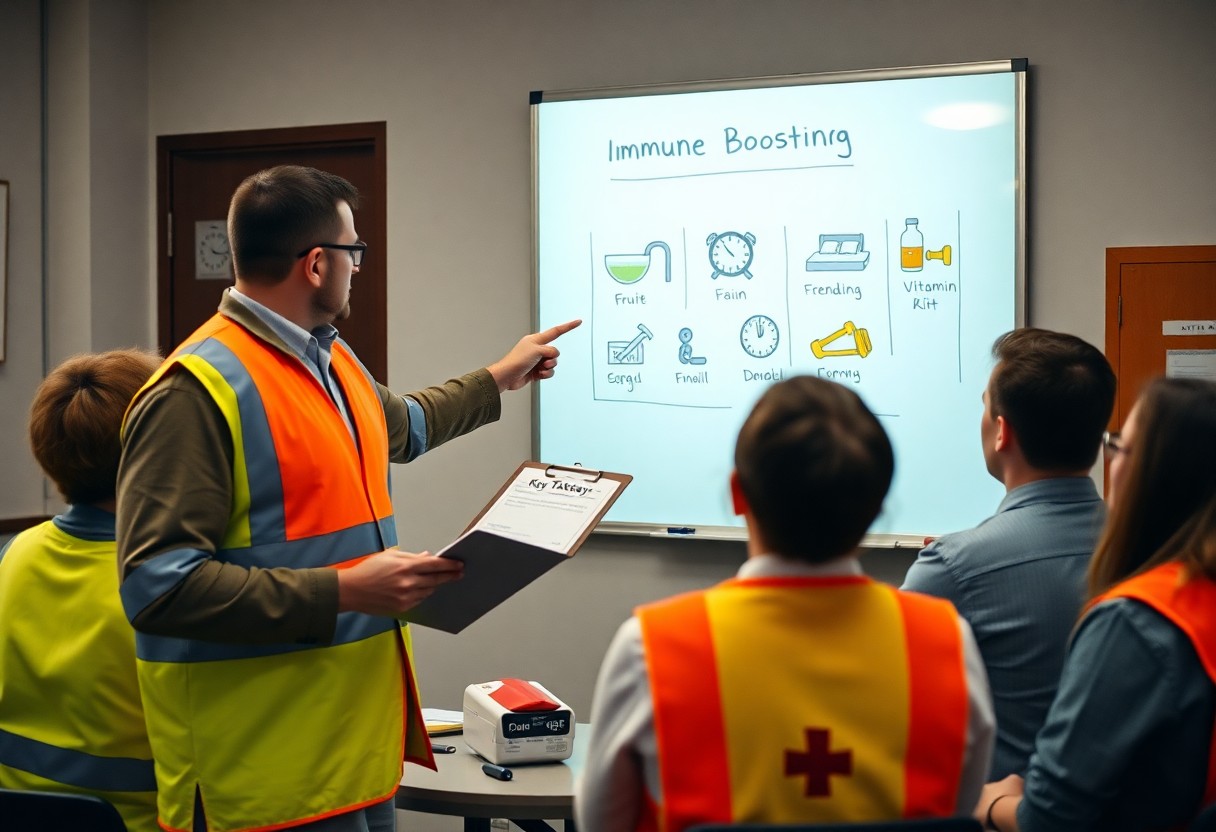
Many everyday illnesses are influenced by your habits, so you should adopt proven practices to strengthen defenses: adequate sleep, balanced nutrition, regular exercise, hand hygiene, and timely vaccinations. These steps lower the chance of serious infections and reduce spread at work and home, giving you clear, actionable guidance to maintain resilient immunity and stay productive.
Key Takeaways:
- Prioritize sleep, a balanced diet rich in fruits and vegetables and adequate protein, and regular physical activity to support immune function.
- Practice hand hygiene, stay up to date on vaccinations, and isolate when sick to reduce transmission.
- Manage stress, stay hydrated, and avoid smoking or excessive alcohol to maintain resilient immunity.
Understanding the Immune System
Your immune system is a network of cells, tissues and organs that identify and remove pathogens; about 70% of immune activity is tied to the gut-associated lymphoid tissue. Innate defenses like skin and neutrophils act within minutes, while adaptive responses from B cells and T cells develop over days and produce antibodies. Vaccines train adaptive memory so you respond faster to repeat exposure. This layered response helps your body limit infections and recover faster.
Basics of Immunity
Your first line of defense includes physical barriers-skin and mucous membranes-and biochemical factors like stomach acid; beneath that, innate cells (neutrophils, macrophages) clear invaders quickly. Adaptive immunity deploys T cells to kill infected cells and B cells to produce antibodies and long-term memory, improving responses on re-exposure. Inflammation signals danger but chronic inflammation increases disease risk. This layered coordination defines how effectively you resist and recover from infection.
- Skin
- Mucosa
- Neutrophils
- B cells
- T cells
Factors Influencing Immune Function
Sleep, nutrition and stress strongly shape immune responses: getting 7-9 hours of sleep supports natural killer cell activity, a balanced diet supplies micronutrients like vitamin D and zinc, and chronic stress elevates cortisol that suppresses immune signaling. Regular moderate exercise-about 150 minutes weekly-enhances surveillance, while smoking, excess alcohol and unmanaged chronic disease blunt defenses. This mix of lifestyle and medical factors determines how resilient your immunity is day to day.
- Sleep
- Nutrition
- Stress
- Exercise
- Vaccination
Age and body composition alter immunity: after age 65 you commonly see reduced vaccine responses and slower pathogen clearance, and obesity drives low-grade inflammation that impairs immune signaling. Medications such as corticosteroids or chemotherapy markedly suppress cell-mediated immunity, increasing infection risk, so coordinate care with your clinician. Targeted supplements (e.g., vitamin D when deficient) and tailored exercise plans can restore function. This targeted approach helps you and your provider prioritize interventions that strengthen your defenses.
- Age
- Obesity
- Medications
- Supplements
Nutrition for Immunity
Fueling your immune defenses starts with consistent intake of whole foods: aim for at least five servings of fruits and vegetables daily, quality protein (about 0.8-1.2 g/kg body weight), and healthy fats like omega-3s from salmon or flaxseed. Limit added sugars and excess alcohol, which blunt white blood cell function, and if you have low sun exposure check your vitamin D level to reach a target 25(OH)D above 30 ng/mL.
Essential Vitamins and Minerals
Vitamin C (75-90 mg/day) supports neutrophil activity and collagen synthesis, while vitamin D (600-800 IU/day or higher if deficient) modulates innate immunity; zinc (8-11 mg/day) is required for T-cell function. Selenium, iron and B6 also influence immune responses. If you follow restrictive diets, track these micronutrients and use blood tests-low ferritin or 25(OH)D under 30 ng/mL often indicates need for intervention.
Foods to Boost the Immune System
Fill your plate with colorful choices: citrus and berries for vitamin C, bell peppers and broccoli for beta-carotene, leafy greens for folate, and mushrooms for vitamin D precursors. Add fermented foods like yogurt, kefir or sauerkraut for live cultures, and include fatty fish twice weekly for EPA/DHA. You’ll get the best effect by prioritizing variety and at least five daily servings to support gut-associated immune cells.
Clinical evidence supports these choices: a large meta-analysis found vitamin D supplementation reduced acute respiratory infection risk most in people with baseline 25(OH)D below 10 ng/mL; vitamin C trials shortened cold duration by roughly 8-14% depending on age. Trials of probiotic strains (Lactobacillus, Bifidobacterium) showed modest reductions in upper respiratory infections, so including fermented foods or a targeted supplement can be a cost-effective strategy for you.
The Role of Physical Activity
Regular physical activity boosts circulation of immune cells, lowers systemic inflammation, and supports sleep and metabolic health, all of which strengthen your defenses. Aim to pair activity with nutrition and rest; following the 150 minutes of moderate-intensity or 75 minutes of vigorous-intensity weekly guideline gives measurable immune benefits. However, overtraining can suppress immunity, so schedule rest and recovery.
Exercise and Immune Health
Acute, moderate exercise sessions of 20-60 minutes mobilize natural killer cells, neutrophils and T cells, increasing pathogen surveillance. Over weeks, consistent activity lowers baseline inflammation and can shorten illness duration in observational studies. Still, intense endurance efforts or consecutive sessions beyond 90 minutes may transiently reduce some immune markers, so you should plan recovery days after hard workouts.
Recommended Physical Activities
Choose activities you enjoy: brisk walking, cycling, swimming, jogging, HIIT, and mind-body practices like yoga or tai chi. Combine aerobic work with strength training at least twice weekly to preserve muscle and immune function. For most adults target 150-300 minutes of moderate activity weekly-or 75-150 minutes vigorous-and modify intensity for age or chronic conditions.
Practical weekly structure: perform 3 cardio sessions of 30-45 minutes plus 2 strength sessions of 20-30 minutes, adding daily mobility. Use heart-rate zones: moderate = 50-70% of max heart rate (approx. 220 − your age), vigorous = 70-85%. Make sure you prioritize sleep, proper fueling and hydration, and avoid training while acutely ill to get full immune benefit.
Importance of Sleep
Sufficient nightly rest supports cellular repair, hormonal balance and pathogen defense; chronic short sleep (under 6 hours) raises your risk of respiratory infection and reduces vaccine response and overall immune defense. You produce fewer protective cytokines and experience heightened inflammation when sleep is restricted, which lengthens recovery times and increases illness severity.
Sleep and Immune Function
Sleep consolidates immune memory: during slow-wave sleep your body releases growth hormone and immune-signaling cytokines that regulate inflammation, while sleep loss lowers antibody production. You can see measurable effects in studies where partial sleep restriction reduced flu vaccine efficacy by up to 50% and increased susceptibility to rhinovirus, so prioritize deep sleep stages to support antibody response.
Tips for Better Sleep Hygiene
Adopt a consistent bedtime and wake time, limit caffeine after mid-afternoon, dim lights one hour before bed, and avoid heavy late meals to stabilize your circadian rhythm and improve sleep quality. You should keep your bedroom cool and dark and use calming pre-sleep routines like reading or breathing exercises. The improved sleep amplifies immune recovery.
- consistent sleep schedule
- limit caffeine
- no screens 60 minutes
- bedroom cool and dark
- regular exercise (avoid late-night vigorous workouts)
Small, evidence-backed adjustments make a difference: aim for 7-9 hours if you’re 18-64, maintain bedroom temps near 60-67°F (15-19°C) to boost slow-wave sleep, and track sleep efficiency with a diary or basic tracker. You can shift bedtime by 15-minute increments to recalibrate your rhythm and use short daytime naps (under 30 minutes) only when needed. The long-term payoff is lower inflammation and stronger vaccine response.
- 7-9 hours
- 60-67°F
- no screens 60 minutes
- sleep diary
- stable wake time
Stress Management
When stress piles up, your body’s priorities shift and immune function can suffer; chronic stress elevates cortisol and suppresses lymphocyte activity, so you should monitor ongoing worry, sleep loss, or irritability as signals to intervene. Small, consistent changes-short breathing breaks, brief walks, or scheduled social time-often prevent stress from becoming a persistent immune burden.
Impact of Stress on Immunity
Longitudinal studies link sustained psychological stress with higher infection rates-research shows it can raise your risk of respiratory illness by up to twofold-and blunt vaccine responses and wound healing. Biologically, you get higher cortisol, reduced natural killer cell function, and altered cytokine profiles, all of which lower your ability to clear pathogens.
Techniques for Reducing Stress
Practical tools you can use include 10-20 minutes of daily mindfulness or meditation, paced breathing (4-6 breaths per minute for 5 minutes), and meeting the guideline of 150 minutes of moderate exercise per week; adding regular social support and cognitive-behavioral strategies further lowers perceived stress and physiological arousal.
Start with a weekly routine: two 10-minute morning mindfulness sessions, three 30-minute brisk walks, and two 5-minute breathing breaks during work shifts. Combine that with one social check-in and sleep hygiene (7-9 hours). Over 4-8 weeks you often see measurable drops in perceived stress and improved sleep, which together strengthen your immune resilience.
Healthy Lifestyle Choices
You can boost immune resilience by combining habits: aim for 150 minutes of moderate exercise weekly, target 7-9 hours of sleep, and prioritize a variety of fruits, vegetables, and lean protein to support antibody production. Small, consistent changes pay off-see practical strategies in 6 simple ways to boost your immune system for meal swaps, movement breaks, and stress-reduction tips shown to lower inflammation in trials.
Avoiding Harmful Substances
You should quit smoking and limit alcohol because smoking increases respiratory infection risk and consuming more than three drinks per day impairs white blood cell function. Avoid recreational drugs that suppress immunity; for example, chronic opioid use correlates with higher infection rates. If you vape, treat it like smoking-cessation improves mucociliary clearance within weeks and reduces illness susceptibility.
Hydration and its Effects on Health
Keeping hydrated preserves mucosal barriers and circulation; aim for about 2.7 L/day for women and 3.7 L/day for men (total water from food and beverages) per National Academies, adjusting for heat and exertion. Even a 1-2% fluid deficit can impair cognition and immune responses, so sip regularly instead of waiting until thirst hits.
Watch urine color-pale straw indicates adequate hydration-and increase fluids by 400-800 ml per hour during intense exercise to maintain plasma volume and lymph flow. Use electrolyte solutions after prolonged sweating or diarrhea, and if you have heart, kidney disease, or take diuretics, consult your clinician before altering fluid intake to avoid fluid overload.
Summing up
Now you can apply simple daily habits-adequate sleep, balanced nutrition, regular exercise, stress management, proper hygiene, and up-to-date vaccinations-to strengthen your immune defenses and lower illness risk. Make these practices routine, hydrate well, limit tobacco and excessive alcohol, and consult your healthcare provider for personalized advice; doing so helps you protect yourself and colleagues while improving resilience over time.
FAQ
Q: What daily habits most effectively support immune health at work and home?
A: Prioritize consistent, restorative sleep (generally 7-9 hours for adults), a nutrient-dense diet rich in vegetables, fruit, lean protein and whole grains, and adequate hydration. Include sources of vitamin C, zinc and vitamin D through food, safe sun exposure or supplements as advised by a healthcare provider. Maintain regular moderate exercise (about 150 minutes/week) but avoid overtraining. Practice good hand hygiene-wash with soap and water for 20 seconds or use alcohol-based sanitizer when washing isn’t available-and avoid touching your face. Limit tobacco and excessive alcohol use, and support gut health with fiber and, if appropriate, fermented foods. Manage stress with brief daily practices (deep breathing, short walks, or scheduled breaks) and keep social connections for emotional support. Stay up to date on vaccinations (seasonal flu, COVID-19 boosters and others per guidance) and consult a clinician before starting high-dose supplements.
Q: What workplace practices reduce the risk of infectious illness spreading?
A: Implement and communicate a clear sick-leave and remote-work policy so symptomatic staff can stay home without penalty. Provide easy access to soap, paper towels and alcohol-based hand sanitizer, and post signage demonstrating handwashing and respiratory etiquette. Increase cleaning frequency for high-touch surfaces, ensure adequate ventilation (open windows, upgrade HVAC filters, use portable HEPA units where appropriate), and offer masks during outbreaks or for high-risk tasks. Arrange staggered breaks and flexible seating to reduce crowding, hold routine training on hygiene and infection prevention, and facilitate on-site or nearby vaccination clinics when possible. Establish a symptom-reporting and outbreak-response plan that identifies contact-tracing steps, communication protocols and criteria for temporary operational changes.
Q: If I feel ill or have been exposed to someone with an infectious disease, what steps should I take?
A: Isolate from others as soon as symptoms begin and notify your supervisor or workplace health contact. Avoid public transit if possible and use a well-fitted mask around others until you are fever-free for at least 24 hours without fever-reducing medication and symptoms are improving, or until you meet local health authority guidance. Seek testing if recommended for the illness in question and follow public-health isolation and quarantine instructions. Monitor for warning signs (difficulty breathing, persistent chest pain, confusion, inability to stay hydrated) and seek immediate medical care if they occur. Arrange for work coverage and document your absence per workplace policy; before returning, confirm you meet the employer’s return-to-work criteria and clean or replace personal and shared items you used while symptomatic.