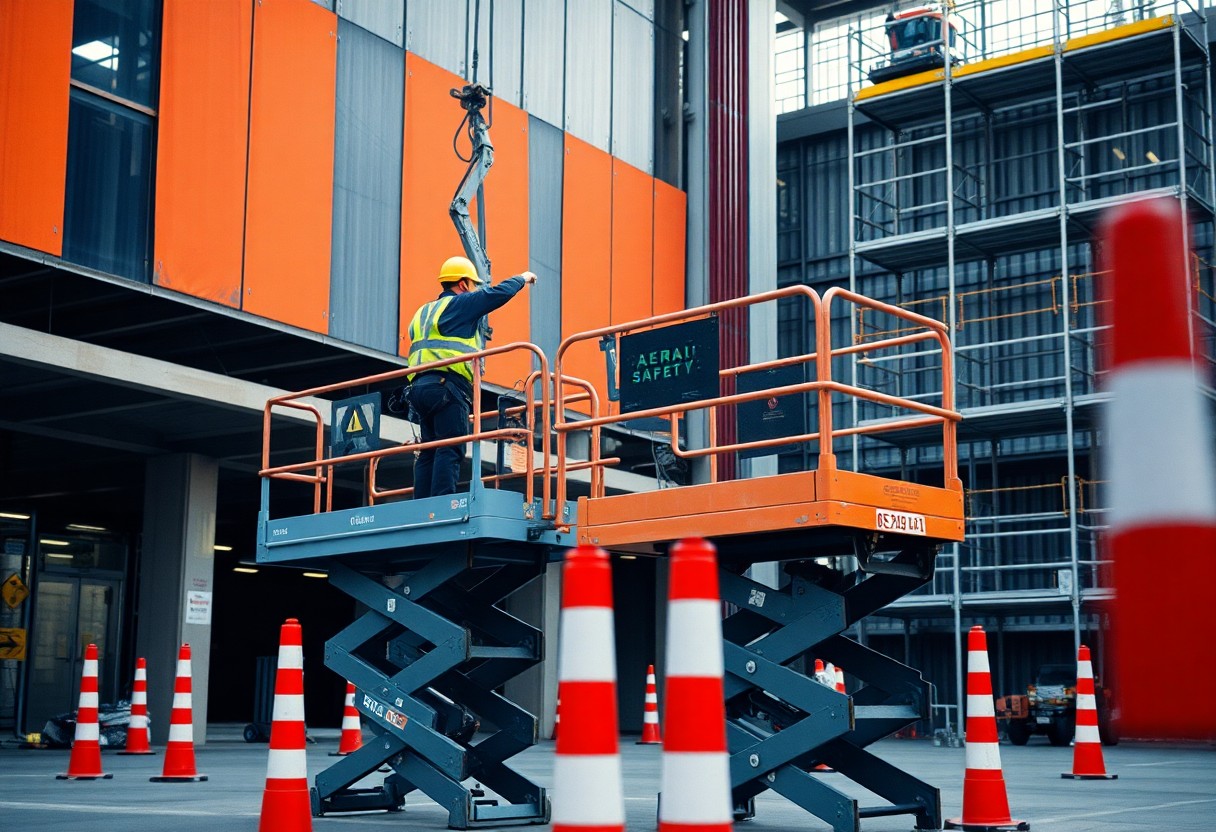
Over the years, improper use of aerial lifts, including scissor lifts and boom lifts, has led to numerous accidents on job sites. Understanding the key safety protocols and operational guidelines will significantly enhance your safety and that of your coworkers. You must ensure that fall protection equipment is used, inspect lifts before operation, and maintain clear communication with ground personnel. By prioritizing these safety measures, you can reduce risks and promote a safer work environment when operating aerial lifts.
Key Takeaways:
- Understand the specific operational requirements and limitations of scissor and boom lifts.
- Always utilize appropriate personal protective equipment (PPE) and ensure proper training before operating lifts.
- Conduct thorough inspections of equipment prior to use, focusing on safety features and functionality.
Understanding Aerial Lifts
Aerial lifts are necessary equipment for accessing elevated work areas safely. They come in various configurations, designed to meet specific requirements in construction, maintenance, and other industries. Understanding the types and functions of these lifts can help you choose the right equipment and enhance workplace safety.
Types of Aerial Lifts
Various types of aerial lifts cater to different applications, each with its unique functionality. Common types include:
- Scissor Lifts – Ideal for vertical elevation on flat, stable surfaces.
- Articulating Boom Lifts – Perfect for accessing hard-to-reach areas with obstacles.
- Telescoping Boom Lifts – Offer extended reach for high elevations.
- Personal Lifts – Designed for individual access to elevated areas.
- Vertical Lifts – Excellent for quick vertical movements in limited spaces.
Recognizing the right type of aerial lift for your task is vital in ensuring efficiency and safety.
| Type | Function |
| Scissor Lift | Vertical elevation on stable surfaces. |
| Articulating Boom Lift | Access to hard-to-reach areas around obstacles. |
| Telescoping Boom Lift | Extended reach for high elevations. |
| Personal Lift | Individual access for elevating tasks. |
| Vertical Lift | Quick vertical movements in limited spaces. |
Key Components and Functions
The key components of aerial lifts include safety features, control systems, and power sources that work together to enable safe operation. Understanding these components ensures you can operate the equipment effectively.
Each aerial lift comprises necessary components that enhance safety and efficiency. For example, the guardrails protect you while working at heights, and the platform controls allow for intuitive operation from within the lift. Additionally, features like outriggers stabilize the lift on uneven terrain. Power sources, such as electric or diesel, impact lift performance and suitability for specific environments. Be aware that each component plays a critical role in maintaining the integrity of the lift during operations. Always inspect these components thoroughly before use to ensure they are in optimal condition.
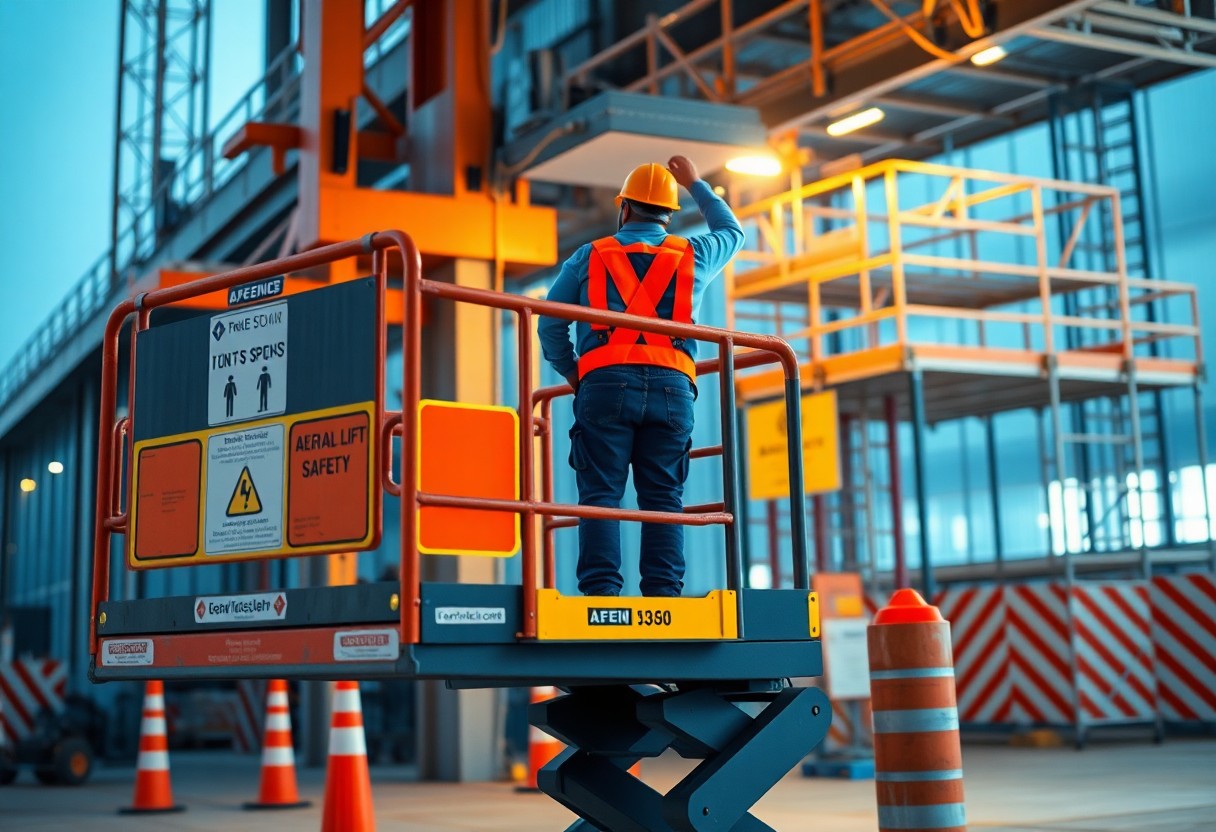
Scissor Lifts: Safety Considerations
When operating a scissor lift, safety considerations are paramount to avoid accidents and ensure a secure working environment. Prioritize stability and adhere to weight limitations, as well as following proper operation guidelines to maximize safety. This ensures both your safety and the safety of your coworkers while working at elevated heights.
Stability and Weight Limitations
Your scissor lift’s stability is key to safe operation. Always adhere to the manufacturer’s weight limits, which are typically listed on the lift itself. Overloading can significantly compromise stability and increase the risk of tipping over, especially when elevated. Assess the working conditions and ensure that the ground is level and firm.
Proper Operation Guidelines
Adhering to proper operation guidelines is crucial for effective and safe scissor lift use. Always conduct a pre-operation inspection, ensuring the lift is in proper working condition. Secure any tools or materials before elevating and never exceed the maximum platform height. Always operate within the designated work zone and be aware of your surroundings, particularly overhead obstructions.
For proper operation, start by inspecting the lift before each use, checking for any mechanical issues. Ensure that only trained operators use the lift, as several operational protocols can prevent accidents. You should always be aware of your balance and body positioning on the platform, keeping your center of gravity low. Secure tools, and do not lean over the edge, which could lead to falls. Additionally, communicate with ground personnel for coordination when working at heights, ensuring that everyone is aware of lift movements and any potential hazards in the area.
Boom Lifts: Safety Considerations
Operating boom lifts comes with specific safety considerations that are vital for preventing accidents. You must be aware of the potential dangers associated with the lift’s height, stabilization, and environmental conditions. Regular inspection of the equipment, understanding load capacities, and adhering to safety policies can significantly minimize risks while maximizing productivity on job sites.
Reach and Maneuverability Risks
The reach and maneuverability of boom lifts can present risks, particularly in overhead work and confined spaces. You should assess your surroundings to prevent collisions, especially with overhead structures and electrical lines. Ensuring proper stabilization, using the right equipment for the task, and maintaining a clear area beneath the lift helps mitigate these dangers.
Safe Usage Protocols
To ensure safety while using boom lifts, you must follow established protocols. This includes conducting a thorough pre-use inspection, securing your harness, and maintaining communication with ground personnel. Adhering to manufacturer guidelines and only allowing trained operators to handle the lifts are fundamental to safety.
Following safe usage protocols is vital for maintaining a secure work environment. You should start each job by performing a detailed inspection of the boom lift, checking for any mechanical issues or safety equipment deficiencies. Wearing appropriate personal protective equipment (PPE), like hard hats and harnesses, is non-negotiable. Always maintain clear communication signals with your team on the ground to coordinate movements and ensure everyone’s awareness of the lift’s operation. Additionally, staying within designated load limits and avoiding sudden movements can significantly reduce the risk of accidents. Understanding the specific lift characteristics and adhering to safe operating practices will contribute immensely to a safe worksite.
Pre-Operational Safety Checks
Before operating aerial lifts, conducting pre-operational safety checks is necessary to ensure the equipment’s integrity and your safety. Refer to guidelines from Aerial Lift Safety | Falls for comprehensive procedures. Evaluate the work area, inspect the lift for any visible damage, and verify that all safety devices are functional. Prioritizing these steps will help you avoid potential hazards during lift operation.
Daily Inspection Procedures
Conducting daily inspection procedures is vital for maintaining the safety and reliability of aerial lifts. You should visibly inspect all components, including the platform, emergency systems, and safety features. Test controls and ensure that the lift responds correctly to inputs. If you find any discrepancies, address them appropriately before use to prevent accidents.
Identifying Hazards
Identifying hazards before operating aerial lifts plays a critical role in ensuring a safe work environment. You must assess the site for potential dangers such as overhead power lines, uneven surfaces, and surrounding obstructions. Familiarize yourself with the conditions that may affect the lift’s stability, such as wind and ground conditions, to make informed decisions during operation.
Consider specific site conditions that can pose a threat to safety. For instance, overhead electrical lines can lead to electrocution if the lift comes into contact. Slippery or uneven ground can affect lift stability, increasing the risk of tip-overs. By diligently recognizing and evaluating these hazards, you not only safeguard your safety but also that of your coworkers. Regular communication with your team about potential hazards reinforces a culture of safety on the job site.
Operator Training and Certification
Operator training and certification are mandatory for ensuring safe operation of scissor and boom lifts. Your competence directly influences the safety of the worksite and the personnel around you. Engaging in comprehensive training not only enhances your skills but also equips you with knowledge about potential hazards and proper emergency procedures, allowing you to respond effectively in unexpected situations.
Importance of Training Programs
Participating in training programs helps you understand the specific controls and functionalities of aerial lifts. These programs highlight the importance of safety protocols, empowering you to make informed decisions while operating the equipment. Studies show that organizations with rigorous training see a significant reduction in accidents and injuries associated with lift operations.
Certification Requirements
Certification for aerial lift operators typically involves passing both a written test and a practical skills assessment. You need to meet regulatory standards set by organizations such as OSHA and ANSI, ensuring that you can operate the equipment safely and effectively in various conditions.
Certification requirements often vary by location and the specific equipment type. Generally, operators must complete a training course provided by an accredited institution or employer, underscoring both theoretical knowledge and practical skills. Your certification may require renewal every few years, reflecting the importance of staying updated on safety practices and operational changes. In addition, some employers may have their own certification protocols to ensure that their safety standards align with industry best practices.
Emergency Procedures
In the event of an emergency while operating aerial lifts, you must follow established procedures to ensure safety. Quickly assess the situation to determine the severity of the incident and evaluate whether an evacuation is necessary. Always communicate clearly with your team and emergency responders, providing them with accurate information about the incident and the conditions at the site.
Responding to Accidents
If an accident occurs, your immediate response should focus on ensuring the safety of all personnel involved. Stabilize the lift if it is safe to do so, and assess any injuries before calling for medical assistance. Reporting the incident to your supervisor is necessary to initiate the proper investigation and response protocols.
Rescue Operations
Executing rescue operations requires a well-coordinated effort to safely evacuate personnel from a compromised aerial lift. You need to be familiar with the specific rescue equipment available on-site, which may include harnesses and rescue ropes, and understand the roles each team member will play during the operation.
Successful rescue operations hinge on your preparedness and training. This includes knowing how to operate rescue equipment, establishing safe evacuation routes, and communicating effectively with your team. For instance, in a case where a worker becomes immobilized at height, you must utilize rescue kits and trained personnel to lower the individual carefully without aggravating potential injuries. Regular drills can enhance your team’s proficiency, ensuring that everyone knows their responsibilities and the techniques required to conduct safe and efficient rescues in urgent situations.
Conclusion
Summing up, your safety when operating aerial lifts—whether scissor or boom lifts—depends on understanding and adhering to best practices. Always ensure that you conduct thorough pre-operation inspections, use appropriate personal protective equipment, and follow all manufacturer guidelines and safety regulations. By prioritizing these safety measures, you significantly reduce the risk of accidents and enhance your comfort while working at heights. Stay informed and proactive to ensure both your safety and that of your coworkers in any aerial lift operation.
FAQ
Q: What are the primary safety concerns when using aerial lifts such as scissor and boom lifts?
A: The main safety concerns include the risk of falls from heights, the potential for tip-overs, hazards from overhead obstacles, and ensuring proper training for operators. Additionally, proper inspection and maintenance of the equipment are necessary to prevent mechanical failures.
Q: What training is required for operators of aerial lifts?
A: Operators must undergo formal training that includes understanding the specific lift’s operation, recognizing safety features, and demonstrating the ability to conduct pre-operational inspections. They should also be trained on hazard identification and emergency procedures.
Q: What personal protective equipment (PPE) should be used while operating aerial lifts?
A: Operators should wear appropriate PPE, including a hard hat, safety glasses, high-visibility clothing, and harnesses with lanyards when required. Footwear should also provide adequate grip and support to prevent slips and falls.