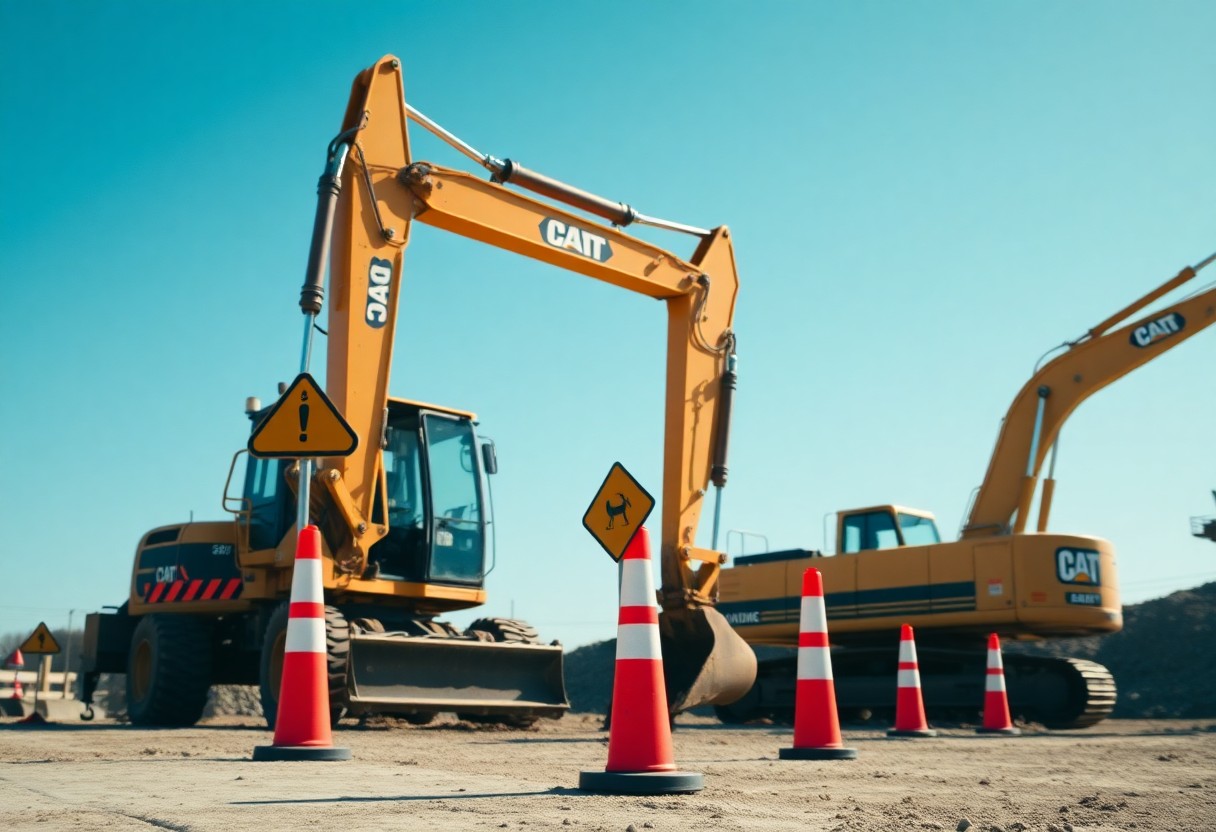
Just because you operate heavy machinery like backhoes and excavators doesn’t mean you can overlook safety. Understanding the swing radius is vital as it poses serious dangers to your coworkers and surroundings. By actively monitoring your machine’s movements and ensuring a clear zone, you can prevent accidents and injuries. Always be aware of your environment, use spotters, and maintain a safe distance from obstacles. Prioritizing safety in these operations not only protects you but also enhances overall productivity on the job site.
Key Takeaways:
- Maintain a safe distance from the swing radius of backhoes and excavators to prevent accidents.
- Always be aware of the equipment’s blind spots and utilize spotters when necessary.
- Conduct regular inspections and maintenance on equipment to ensure safe operation.
Understanding Backhoe and Excavator Mechanics
Knowing the mechanics behind backhoes and excavators is vital for safe operation. These machines are designed for specific tasks, and understanding their functionalities helps you maximize efficiency while minimizing hazards. With a combination of hydraulic systems, powerful engines, and precise controls, these heavy equipment pieces can perform a variety of jobs. Familiarity with their mechanics not only enhances your operational skills but also reinforces safe practices on the job site.
Types of Backhoes and Excavators
There are several types of backhoes and excavators tailored for various applications. These include:
- Standard Backhoes for excavation and loading tasks.
- Mini Excavators for tighter spaces and smaller jobs.
- Hydraulic Excavators with advanced hydraulic systems for heavy-duty tasks.
- Crawler Excavators designed for rough terrains.
- Wheel Excavators for improved mobility and versatility.
Recognizing the correct type for your task ensures efficiency and safety on the job site.
| Type | Key Feature |
|---|---|
| Standard Backhoe | Versatile for multiple jobs |
| Mini Excavator | Compact size for limited space |
| Hydraulic Excavator | High lifting capability |
| Crawler Excavator | Stability on uneven surfaces |
| Wheel Excavator | Fast movement on flat terrain |
Component Functions and Safety Features
Each component of backhoes and excavators plays a specific role in their operation and safety. Hydraulic systems control movement, while engines provide the necessary power. Safety features include automatic shutoff systems, backup alarms, and seatbelt sensors, which are vital for ensuring operator safety. Understanding these components allows you to troubleshoot effectively and enhance overall safety on the job.
For instance, hydraulic systems enable precise movement of the boom, dipper, and bucket, allowing you to handle materials with accuracy. Engine capacity typically ranges from 50 to 400 horsepower, influencing performance based on job requirements. Important safety features, such as stability systems, prevent tipping, while advanced controls provide smoother operation. Being adept in these areas not only improves your performance but also reduces the risk of accidents. Recognizing the significance of each component ensures a safer and more efficient work environment.

Common Hazards Associated with Backhoes and Excavators
Operating backhoes and excavators comes with various hazards that can compromise safety and efficiency. You must stay alert to potential risks ranging from mechanical failures to environmental factors. Issues like blind spots, overhead power lines, and unstable ground can all lead to serious incidents. Familiarizing yourself with these common hazards is important in mitigating risks and ensuring a safe work environment.
Swing Radius Risks
The swing radius of backhoes and excavators poses significant risks to nearby workers and property. As these machines pivot, their long arms can strike anything in their path, leading to injuries or damage. Maintaining a safe distance from the swing radius, indicated by clearly marked boundaries, is vital to protect yourself and your colleagues during operations.
Ground Stability and Excavation Hazards
Ground stability is a major concern when operating backhoes and excavators, particularly in excavation zones. You should conduct thorough inspections of the ground conditions before beginning work, as unstable soil can lead to collapses, rollovers, or equipment tip-overs. Excavation depths exceeding five feet heighten these risks significantly.
When working with backhoes and excavators, be vigilant about ground stability. Weak or saturated soils can lead to cave-ins, making it critical to comply with OSHA excavation standards. Using appropriate shoring and protection measures when working near edges can mitigate these hazards. For example, a slope angle of 1:1 (one foot back for every foot of depth) is often sufficient, but local conditions may require more conservative approaches. Always assess the excavation site’s characteristics, and employ a soil engineer if necessary to ensure safety.
Safety Protocols Before Operation
Before operating a backhoe or excavator, you must adhere to established safety protocols to prevent accidents. This not only protects you but also safeguards your coworkers and the surrounding environment. Always ensure that you are equipped with appropriate personal protective equipment (PPE) and that the machinery complies with safety standards. A thorough understanding of the machine’s controls and safety features is also non-negotiable.
Pre-Operational Checks
Conducting pre-operational checks is vital for ensuring machinery is in safe working order. Inspect hydraulic fluids, fuel levels, and all moving parts for wear and damage. You should also verify that safety devices, like seat belts and alarms, are functioning properly. If you discover any issues, report them immediately for resolution before commencing work.
Site Assessments and Hazard Communication
Effective site assessments and hazard communication are key elements in maintaining safety on the job site. Assess the area for potential hazards such as overhead power lines, unstable ground, and pedestrian traffic. Engaging in clear communication with your team about identified risks fosters a safer working environment. Establishing a protocol for reporting changes in site conditions is important for ongoing safety.
A comprehensive site assessment involves identifying and analyzing specific risks associated with your work area. Take note of the terrain and any nearby obstacles, as machinery can easily swing and cause damage or injury if not monitored. Conduct regular briefings with your team to discuss observed hazards, share experiences, and reinforce safety measures. This practice fosters an environment where safety is prioritized, encouraging everyone on site to remain vigilant and informed about changing conditions and risks. By working collaboratively to communicate hazards, you foster an atmosphere that supports safe operations throughout the duration of your project.
Safe Operation Practices
Employing safe operation practices is imperative for preventing accidents while using backhoes and excavators. Always conduct a pre-operation inspection, focusing on vital components such as hydraulics, brakes, and lights. Adhere to proper load limits and never exceed the machine’s capacity. You can enhance your safety knowledge by reading Safety watch: How to avoid backhoe accidents. Additionally, ensure a clear worksite, free of obstacles, and maintain a safe distance from all bystanders.
Operator Training and Certification
Your skills as an operator directly impact safety outcomes. Undergoing comprehensive training and obtaining certification ensures you understand the equipment’s operation and safety features. Seek recognized programs that provide hands-on experiences and are compliant with local regulations. Being aware of these elements builds your competence and confidence, reducing the likelihood of incidents.
Maintaining Clear Visibility and Communication
Clear visibility and effective communication are imperative. Always position your equipment to enhance your view of the work area, utilizing mirrors or cameras when necessary. Communicate clearly with ground crew members through hand signals or radios, ensuring everyone is coordinated. In situations involving multiple operators, establish a common communication protocol to prevent miscommunication and potential mishaps.
For optimal visibility, position mirrors or rearview cameras to eliminate blind spots. Utilize spotters for guidance when moving or swinging the equipment in tight spaces. This coordination not only promotes safety but also fosters a collaborative environment, ensuring that everyone involved is aware of their surroundings and potential hazards. Prioritizing visibility and communication can significantly mitigate risks during operation.
Emergency Procedures
Emergency procedures are crucial at job sites where backhoes and excavators operate. Establish a clear plan detailing actions to take in various emergencies, such as equipment failure, accidents, or severe weather conditions. Ensure all workers are trained and familiar with these procedures to minimize confusion and response times during actual incidents.
Responding to Accidents
When an accident occurs, your immediate priority should be ensuring the safety of all personnel. Assess the situation quickly and call for medical help if necessary. Provide first aid to injured individuals only if you are trained to do so and it is safe. Document the accident details accurately for reporting purposes and communicate with supervisors promptly.
Evacuation Protocols
Having well-defined evacuation protocols is vital for ensuring safety during emergencies. Designate safe meeting areas away from equipment and possible hazards, and ensure all employees are aware of evacuation routes. Regularly conduct drills to reinforce these protocols, preparing everyone for a swift and organized exit under pressure.
During evacuation, stay calm and alert while prioritizing the safety of yourself and your teammates. Use designated paths and avoid walking under suspended loads. Ensure that heavy machinery operators are aware of the evacuation and can safely shut down equipment. Always account for all personnel at the designated meeting point, as confirming everyone’s safety reduces panic and confusion during emergencies.
To wrap up
So as you operate backhoes and excavators, always keep an eye on the swing radius to protect yourself and your coworkers. Awareness of your machinery’s movement zones significantly reduces the risk of injury and damage. Before starting any task, assess your surroundings and ensure that personnel are at a safe distance. Prioritize communication with your team to maintain a conducive work environment. By practicing these safety measures, you enhance not just your safety but also the overall efficiency of your operations.
FAQ
Q: What are the primary hazards associated with backhoe and excavator operation?
A: The primary hazards include swing radius incidents, underground utility strikes, and tip-over risks. Operators must be aware of surrounding personnel and obstacles, ensuring a clear work zone before beginning operations.
Q: How can operators prevent accidents related to the swing radius of a backhoe or excavator?
A: Operators should conduct site assessments to identify the swing radius and mark it clearly. Maintaining communication with ground personnel and using spotters can enhance safety. It’s important to keep unauthorized personnel out of the swing zone during operation.
Q: What safety measures should be taken when working near utilities with excavation equipment?
A: Before beginning work, operators should verify the location of underground utilities using relevant maps or utility location services. Using hand tools for initial excavation near utilities minimizes risks. Additionally, following safety regulations and guidelines is necessary when operating near any identified utility lines.