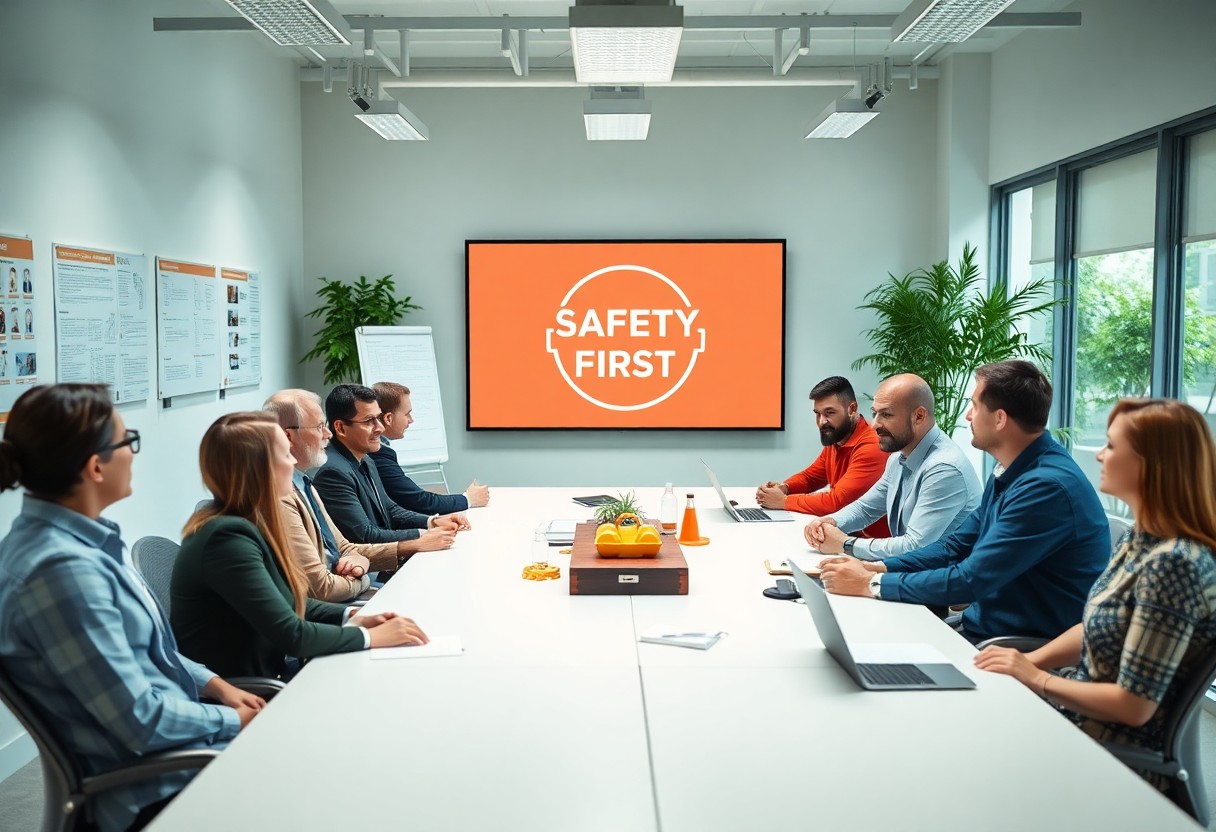
There’s a strong connection between safety talks and employee morale that can significantly enhance your workplace environment. By prioritizing open communication around safety practices, you not only protect your team but also foster a culture of trust and engagement. When employees feel valued and secure, their productivity and overall job satisfaction increase, leading to a positive workplace atmosphere. This blog post will guide you through effective strategies to implement safety talks that reinforce both safety and morale in your organization.
Key Takeaways:
- Encourage open communication to foster trust and collaboration among team members.
- Recognize and celebrate achievements to enhance employee engagement and satisfaction.
- Promote a supportive environment that values mental well-being and work-life balance.
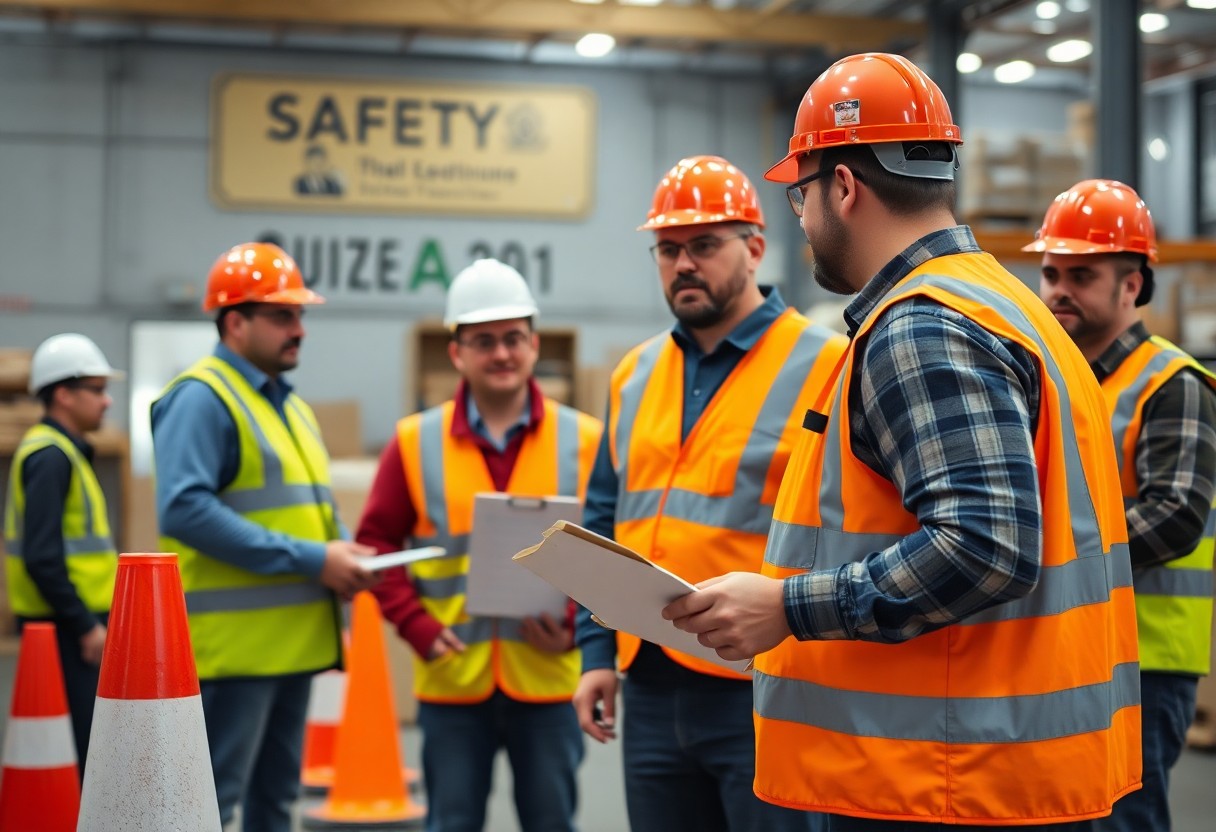
Understanding Workplace Safety
In today’s fast-paced work environment, understanding workplace safety is necessary for fostering a secure and productive atmosphere. You need to be aware of both the regulations and best practices that ensure your safety and that of your colleagues. A proactive approach, including regular training and risk assessments, can substantially reduce incidents and promote a culture where everyone prioritizes safety.
The Importance of Safety in the Workplace
Prioritizing safety in your workplace not only protects employees but also enhances overall productivity and morale. By implementing effective safety measures, you reduce accidents, minimize downtime, and create an environment where employees feel valued and secure. This foundation leads to increased job satisfaction and loyalty, ultimately benefiting the entire organization.
Common Safety Issues and Their Impact
Identifying common safety issues such as slips, trips, falls, and equipment-related accidents can significantly impact workplace culture. You may not realize it, but these issues can result in decreased staff morale, increased absenteeism, and potential legal ramifications. Understanding the implications of these hazards helps you advocate for necessary changes and promote an environment of safety.
With slip and fall incidents being among the most frequent workplace accidents, they accounted for nearly 25% of all claims in various industries last year. Likewise, improper use of machinery contributes to numerous injuries, often leading to lengthy recovery times. By addressing these safety issues proactively, you can mitigate risks and foster a sense of collective responsibility among your team, reinforcing the value of each member’s well-being. This commitment to safety not only protects individuals but also serves as a catalyst for improving morale and productivity across the board.
The Link Between Safety and Morale
When safety is prioritized, employee morale often follows suit, creating a more engaged and productive workforce. A safe working environment can lead to lower stress levels, instilling confidence in employees that their well-being is valued. This positive atmosphere fosters an emotional connection to the organization, reducing turnover and increasing job satisfaction. Studies show that companies with strong safety cultures report up to 50% fewer accidents and a 30% increase in employee morale.
How Safety Affects Employee Engagement
Effective safety measures directly enhance employee engagement by demonstrating that you value their health and well-being. When employees feel secure, they are more likely to be fully present and invested in their tasks. This active participation not only boosts productivity but also strengthens teamwork, ensuring a cohesive work environment.
The Role of Management in Promoting Safety
You play a pivotal role in promoting safety within your organization. By actively prioritizing safety practices and encouraging open communication regarding hazards, you create a culture that emphasizes well-being. Establish regular safety training sessions and foster an environment where employees feel comfortable reporting unsafe conditions. Your commitment to safety can lead to a more engaged workforce and a significant reduction in workplace incidents.
Furthermore, you should lead by example; when management visibly adheres to safety protocols, it sets a standard for all employees. Implementing a recognition program for those who follow safety guidelines can further reinforce positive behaviors. According to research, companies that engage managers in safety initiatives see a 25% decrease in injury rates and a corresponding boost in morale. Your ongoing commitment is necessary to building a culture where safety and teamwork flourish together.
Strategies for Boosting Safety Morale
Implementing effective strategies to boost safety morale is vital in creating a thriving workplace. You can foster a safety culture by actively engaging employees in safety conversations, providing feedback, and implementing reward systems that reinforce safe practices. Additionally, regular safety training and team-building activities can help strengthen trust and collaboration. These approaches not only enhance safety awareness but also uplift overall morale, making safety a shared value among team members.
Encouraging Open Communication
Facilitating open communication is vital in promoting a safe work environment. You should encourage your team to express concerns regarding safety practices without fear of reprimand. Establishing regular safety meetings and anonymous reporting options helps to create an open dialogue, allowing you to address potential hazards proactively and demonstrate that safety concerns are taken seriously.
Recognizing and Rewarding Safe Behavior
Acknowledging safe behavior has a powerful impact on workplace morale. You can implement a recognition program that highlights employees who consistently follow safety practices. This could range from verbal praise during team meetings to tangible rewards like gift cards or safety bonuses. By doing so, you not only validate their efforts but also set a standard for all employees to emulate.
Recognition should be timely and specific to reinforce safe actions effectively. For instance, when an employee identifies a safety hazard and reports it, acknowledge this immediately in front of peers to emphasize its importance. You might establish a monthly “Safety Champion” award to celebrate those who excel in promoting safety. Research indicates that organizations implementing such recognition programs see a significant reduction in accidents, demonstrating that you can effectively enhance morale while prioritizing safety. By consistently rewarding safe behavior, you cultivate an environment where taking safety seriously becomes a collective goal.
Team Building Activities for a Positive Environment
Implementing team building activities fosters collaboration and strengthens bonds among employees, directly impacting workplace positivity. Engaging in group activities, such as volunteering or team sports, offers a relaxed atmosphere where colleagues can connect outside of their daily tasks. These shared experiences help build trust and enhance communication, resulting in a more cohesive team that feels valued and motivated to contribute to the organization’s goals.
Safety Training Workshops
Safety training workshops are an vital component of maintaining a positive work environment. By providing hands-on training, you empower your team with the knowledge and skills to manage potential hazards effectively. This proactive approach reinforces the safety culture within your organization and encourages employees to take personal responsibility for their safety and that of their colleagues.
Group Safety Challenges
Introducing group safety challenges can enhance teamwork while simultaneously emphasizing the importance of safety. By creating fun and competitive scenarios where teams must address safety concerns, you boost engagement and foster a sense of camaraderie. These challenges often incorporate real-life situations that require creative problem-solving, further reinforcing the knowledge gained in training sessions.
For instance, conducting a fire drill competition allows teams to collaborate and strategize on swift evacuations. By putting their training into practice, team members become more adept at responding to emergencies. Plus, rewarding successful teams with safety recognitions or minor incentives cultivates a positive reinforcement cycle. Engaging in these challenges not only heightens safety awareness but also contributes to the overall morale and unity within your workplace.
Implementing a Safety-First Culture
Creating a safety-first culture begins with clear communication about safety expectations and practices. This culture promotes accountability among all employees and instills a sense of ownership over workplace safety. Organizations can explore Proven Strategies on How to Boost Employee Morale in 2024 to cultivate an environment where safety is prioritized like any other core value. Regular training, safety audits, and visible leadership commitment enforce these standards and ultimately strengthen workplace morale.
Leadership Commitment to Safety
Your leaders must act as safety champions, visibly prioritizing safety in daily operations. When leadership sets a strong example, it fosters a culture where safety is valued and modeled. Regularly holding safety meetings and participating in training shows your employees that safety is a personal commitment from management, leading to increased trust and morale.
Involving Employees in Safety Decisions
Engaging employees in safety decision-making empowers them and demonstrates that their opinions matter. When employees feel invested in safety policies, they are more likely to adhere to them and encourage their peers to do the same. This involvement sparks ownership and accountability, which are vital for maintaining a safe workplace.
To effectively involve employees in safety decisions, form committees or task forces that include diverse representatives from various departments. Solicit feedback through surveys and open forums, ensuring everyone has a platform to voice concerns and suggestions. By incorporating this feedback into your safety policies, you create a sense of community in safety efforts, enhancing overall morale and commitment to a safer workplace.
Measuring the Impact of Safety Initiatives
To truly gauge the effectiveness of your safety initiatives, you need to analyze their impact on your workplace. Key metrics such as incident rates, employee morale, and productivity levels provide a comprehensive view of safety program effectiveness. By establishing clear targets and regularly reviewing performance data, you can identify areas for improvement and celebrate successful outcomes that foster a culture of safety.
Collecting Feedback and Data
Gathering employee feedback and relevant data is imperative for understanding the real-world effects of your safety measures. Use surveys, informal discussions, and incident reports to obtain insights directly from your team. Analyzing this feedback allows you to pinpoint specific concerns and gauge the overall perception of safety within your organization, leading to actionable improvements.
Continuous Improvement and Adaptation
Adaptation is key in maintaining an effective safety culture. Regularly reviewing your safety protocols based on feedback and new safety trends ensures that your initiatives remain relevant and effective. Implement training sessions and workshops that evolve with industry standards, and actively involve employees in refining practices. This ongoing process not only enhances safety but also empowers your team to take ownership of their safety responsibilities.
Consider introducing results-driven initiatives such as a safety committee that meets monthly to discuss real-time data and employee suggestions. Track metrics over time to measure change; for instance, a decrease in near-misses can indicate effectiveness. Collaboratively updating safety protocols based on data and input fosters a sense of ownership among employees, strengthening their commitment to a safer workplace. Encourage innovation by allowing your team to propose solutions, creating a dynamic loop of feedback, evaluation, and adaptation that keeps safety a top priority.
Final Words
As a reminder, prioritizing safety and boosting morale are necessary to creating a positive workplace environment. By actively engaging with your team, implementing safety talks, and fostering open communication, you contribute to a culture of respect and cooperation. You have the power to elevate your workplace by promoting both safety and positivity, ensuring that your colleagues feel valued and motivated. Ultimately, this approach not only enhances productivity but also strengthens team bonds, creating a healthier and more thriving work atmosphere.
FAQ
Q: What is the purpose of a Safety Talk focused on boosting morale?
A: The purpose is to enhance employee engagement, promote a positive work environment, and increase productivity by addressing safety concerns while fostering a supportive atmosphere.
Q: How can Safety Talks improve workplace morale?
A: Safety Talks can improve morale by encouraging open communication, acknowledging employee contributions to safety practices, and providing opportunities for team bonding, which leads to a more cohesive work culture.
Q: What elements should be included in a Safety Talk to ensure it is effective in creating positivity?
A: An effective Safety Talk should include relatable safety anecdotes, interactive discussions, recognition of employee efforts, and practical tips that highlight the importance of safety as a shared responsibility, all while maintaining an upbeat tone.