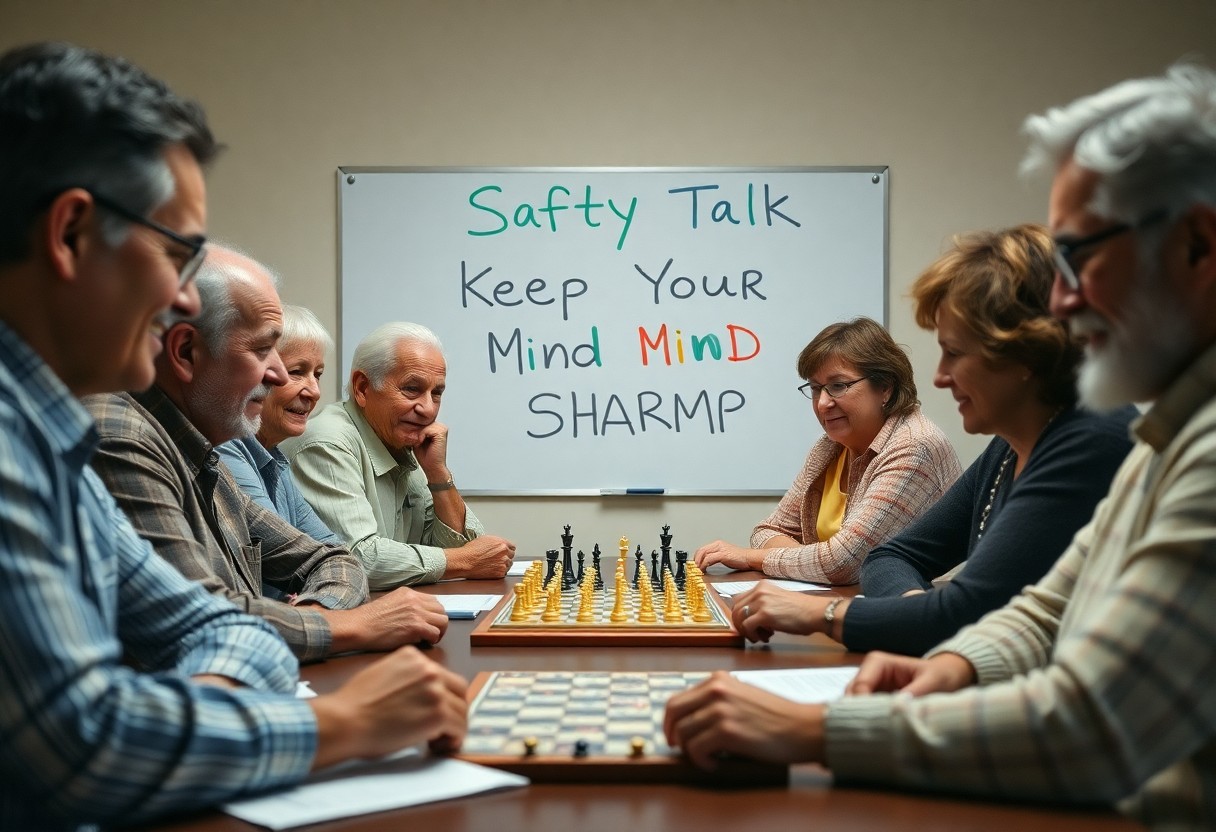
Over time, your brain’s cognitive abilities can decline, making it crucial to engage in brain exercises that promote mental sharpness. By incorporating simple yet effective activities into your daily routine, you can enhance your memory, improve your focus, and maintain overall cognitive health. Consistent mental challenges not only keep your mind active but also lower the risk of conditions such as dementia. Prioritizing these exercises can significantly impact your mental well-being, ensuring you stay alert and engaged in daily life.
Key Takeaways:
- Engaging in brain exercises can enhance cognitive function and mental agility.
- Regular mental challenges, such as puzzles and memory games, contribute to long-term brain health.
- Incorporating social interactions during brain exercises can further boost mental sharpness and enjoyment.

The Importance of Mental Fitness
Your brain, much like any other muscle, requires regular workouts to function optimally. Engaging in activities that boost mental fitness helps you maintain sharp thinking, enhance memory, and improve overall cognitive health. Mental fitness reduces the risk of age-related decline and supports emotional well-being, ensuring that you remain alert and engaged in daily activities. By prioritizing your brain health, you’re not just prolonging your ability to think clearly but also enhancing your quality of life.
Benefits of Keeping Your Mind Sharp
Keeping your mind sharp offers a multitude of benefits, from improved memory retention to heightened problem-solving skills. Regular cognitive engagement can enhance your decision-making abilities, increase creativity, and boost your confidence in social interactions. Moreover, maintaining mental agility has been linked to a decreased risk of cognitive diseases, empowering you to lead an active, fulfilling lifestyle well into later years.
Real-Life Examples of Cognitive Decline
Many individuals experience cognitive decline in various forms, often exemplified through conditions like Alzheimer’s disease or dementia. For instance, a once-quick-thinking relative may struggle with everyday tasks such as budgeting or remembering names, showcasing the gradual loss of cognitive faculties. These signs are critical reminders of the potential impacts of neglecting mental fitness, emphasizing the importance of proactive brain engagement.
Consider the case of an individual diagnosed with Alzheimer’s disease, who initially excelled in their career but began to show difficulties with tasks that require logical reasoning and memory recall. Friends and family noted forgetfulness, confusion in conversation, and challenges in managing familiar routines. Cases like these highlight how cognitive decline can manifest in daily life, illustrating the stark differences in capability and independence. Fostering mental fitness through consistent brain exercises can help mitigate these changes, allowing individuals to retain their cognitive abilities for as long as possible.
Types of Brain Exercises
- Puzzles – Engage with crosswords or Sudoku.
- Memory Games – Play card-matching games.
- Creative Writing – Write daily journal entries.
- Meditation – Practice mindfulness to enhance focus.
- Learning New Skills – Explore new hobbies or languages.
| Type | Benefit |
| Puzzles | Improve problem-solving skills. |
| Memory Games | Enhance short-term memory. |
| Creative Writing | Boost creative thinking. |
| Meditation | Reduce stress and increase concentration. |
| Learning New Skills | Stimulate brain plasticity. |
Thou will find that a mix of exercises keeps your brain engaged and active.
Puzzles and Games
Puzzles and games offer a fun way to sharpen your cognitive abilities. Engaging in activities like crosswords, Sudoku, or jigsaw puzzles challenges your brain to think critically and creatively. Furthermore, these exercises can improve problem-solving skills and increase focus. Participating in these games regularly can offer measurable improvements in mental agility and overall brain health.
Memory Enhancement Techniques
Implementing memory enhancement techniques can significantly boost your cognitive functions. Techniques such as visualization, chunking information, and utilizing mnemonic devices facilitate easier recall of information. You can also leverage spaced repetition, which reinforces memory over increasing intervals, aiding long-term retention. Regularly practicing these techniques can lead to noticeable improvements in your memory capabilities.
Investing time in memory enhancement techniques involves diverse approaches that cater to different learning styles. For instance, visualization allows you to create mental images that represent information, making it easier to retrieve later. Chunking helps with breaking down large amounts of information into smaller, manageable parts, aiding memorization. Mnemonic devices, such as acronyms or rhymes, serve as memory cues, prompting recall. Spaced repetition leverages the brain’s natural learning curve, optimizing retention through strategic practice intervals. Embrace these techniques to create a multi-faceted memory improvement strategy.
Developing a Brain Exercise Routine
Creating a brain exercise routine requires commitment and consistency. Start by dedicating at least 15 minutes each day to activities that challenge your mind. Incorporate puzzles, memory games, or learning a new language. Set specific goals, such as completing a certain number of crossword puzzles weekly, to track your progress and stay motivated. Regularly assess and adjust your routine to include more challenging exercises as your mental agility improves, ensuring you continuously stimulate your brain.
Daily Practices for Mental Agility
Engaging in daily brain exercises enhances your mental agility. Activities like Sudoku, chess, or memorizing short stories can effectively sharpen your cognitive skills. Aim to mix in arts or music-related exercises, such as learning an instrument or practicing drawing. These practices not only provide amusement but also strengthen neuronal connections, improving memory and problem-solving abilities.
Incorporating Variety for Optimal Results
To maximize the benefits of your brain exercises, it’s crucial to incorporate variety into your routine. Diverse activities stimulate different areas of the brain, which prevents stagnation and promotes overall cognitive health. Switch between logic puzzles, language learning apps, and creative exercises weekly to keep the experience fresh. Consider a mix of solo and group activities, such as taking a class or joining a trivia night, which encourages social interaction and reinforces learning.
Incorporating variety into your brain exercises can elevate the effectiveness of your routine significantly. Engaging in different types of challenges, such as switching from math puzzles to word games, forces your brain to adapt and problem-solve in new ways. Research indicates that variety also enhances long-term retention of skills and concepts, ensuring that the knowledge you gain through these activities remains accessible. Moreover, introducing new strategies stimulates curiosity and can turn your sessions into a dynamic mental landscape, making the challenge enjoyable and productive.
Nutrition and Its Role in Brain Health
Your brain demands proper nutrition to function optimally. Nutrient-rich foods can enhance cognitive abilities, improve memory, and support overall brain health. Incorporating a balanced diet that includes omega-3 fatty acids, antioxidants, and vitamins can lead to better mental performance. For insights on integrating effective brain exercises into your routine, check out 3 Ways to Improve Safety by Exercising Your Brain at Work.
Foods that Boost Cognitive Function
Certain foods significantly enhance cognitive function. Incorporate fatty fish like salmon, blueberries, and leafy greens into your meals. These foods provide important nutrients, such as omega-3s and antioxidants, which promote brain health. Additionally, include nuts and seeds for a boost of Vitamin E, which can help maintain cognitive agility as you age.
Hydration and its Impact on Mental Sharpness
Staying hydrated is vital for maintaining mental sharpness. Dehydration can lead to fatigue, difficulty concentrating, and impaired memory. Aim to drink enough water throughout the day to keep your brain functioning at its best. Even mild dehydration can negatively affect your cognitive abilities, impacting decision-making and reaction time.
Research shows that dehydration can decrease cognitive performance by as much as 30%. This highlights the importance of drinking enough fluids to counter feelings of fatigue and confusion. Carry a water bottle with you and set reminders to ensure you remain adequately hydrated. As little as a 2% drop in normal hydration levels can compromise your ability to think clearly, so make hydration a priority in your daily routine.
Technology and Brain Training
In today’s digital age, technology offers innovative ways to enhance your cognitive skills. From brain games to stimulating puzzles, various resources can help keep your mind agile. Virtual reality platforms and artificial intelligence are revolutionizing brain training, making exercises more engaging and personalized. By integrating these tools into your daily routine, you can effectively challenge your brain and improve memory, focus, and problem-solving abilities.
Apps and Online Platforms for Cognitive Improvement
Numerous apps, like Lumosity and Elevate, provide fun and challenging tasks designed to boost your mental capabilities. These platforms utilize neuroscience research to create games targeting memory, attention, and processing speed. Engaging with these tools for just a few minutes daily can lead to noticeable improvements. Accessible and convenient, they offer the flexibility to train your brain whenever you have a spare moment.
Balancing Screen Time and Mental Exercises
While technology can enhance cognitive function, it’s important to balance screen time with other forms of mental exercise. Excessive device use can lead to cognitive overload, diminishing your overall mental capacity. Setting aside time for non-digital activities, such as reading or solving physical puzzles, allows your brain to process information more effectively and prevents burnout. Finding this balance ensures sustained cognitive health.
Maintaining a healthy balance between screen time and mental exercises is key to optimizing brain function. Aim to combine digital brain training with offline activities that promote critical thinking, like board games or creative hobbies. Establish specific time slots for device-free intervals, allowing your brain to rest and rejuvenate. Striving for a mix will not only prevent monotony but also enhance your learning and retention capabilities in diverse environments.
Long-Term Strategies for Sustained Mental Health
Implementing long-term strategies is necessary for maintaining mental health and cognitive function. By engaging in consistent practices that promote mental agility and resilience, you can bolster your mind against aging and stress. Incorporate a mix of activities that challenge your brain, enhance your social skills, and ensure a well-rounded lifestyle to support sustained mental health.
Lifelong Learning and Skill Development
Lifelong learning keeps your brain engaged and adaptable. Pursuing new skills, whether it’s a language, musical instrument, or technical expertise, stimulates neural pathways and enhances cognitive function. Embrace opportunities for growth, such as online courses or workshops, to keep your skills fresh and your mind sharp.
Social Interaction and its Cognitive Benefits
Regular social interaction is vital for mental health and cognitive enhancement. Engaging with others stimulates brain activity and provides emotional support, which can combat feelings of isolation. Studies show that socializing frequently can improve memory retention and decrease the risk of cognitive decline.
Incorporating social interaction into your routine can significantly boost your cognitive health. Activities like group classes, clubs, or volunteering not only expose you to diverse perspectives but also encourage the mental flexibility needed for problem-solving. The positive effects of sharing experiences and engaging in stimulating conversations can elevate your mood, reduce anxiety, and enhance your overall brain function. Through meaningful connections, you actively work to preserve and strengthen your mental acuity over time.
Final Words
Drawing together the concepts from this safety talk on brain exercises, you can enhance your cognitive abilities and keep your mind sharp. Engaging in regular mental challenges not only boosts your memory and focus but also contributes to overall well-being. By incorporating these practices into your daily routine, you empower yourself to maintain mental agility and resilience. Make these exercises a priority to ensure your mind remains as attentive and responsive as your body.
FAQ
Q: What are brain exercises?
A: Brain exercises are activities designed to engage and stimulate mental processes, improving cognitive functions such as memory, attention, and problem-solving skills. These can include puzzles, memory games, and strategy-based tasks.
Q: How often should I perform brain exercises?
A: To effectively keep your mind sharp, it’s recommended to incorporate brain exercises into your routine at least a few times a week. Consistency is key, but even short, daily sessions can yield beneficial results.
Q: Are there specific types of brain exercises that are more effective?
A: Yes, exercises that challenge different cognitive skills tend to be more effective. This includes activities involving logic puzzles, word games, and learning new skills or languages. A varied approach can enhance overall brain health.