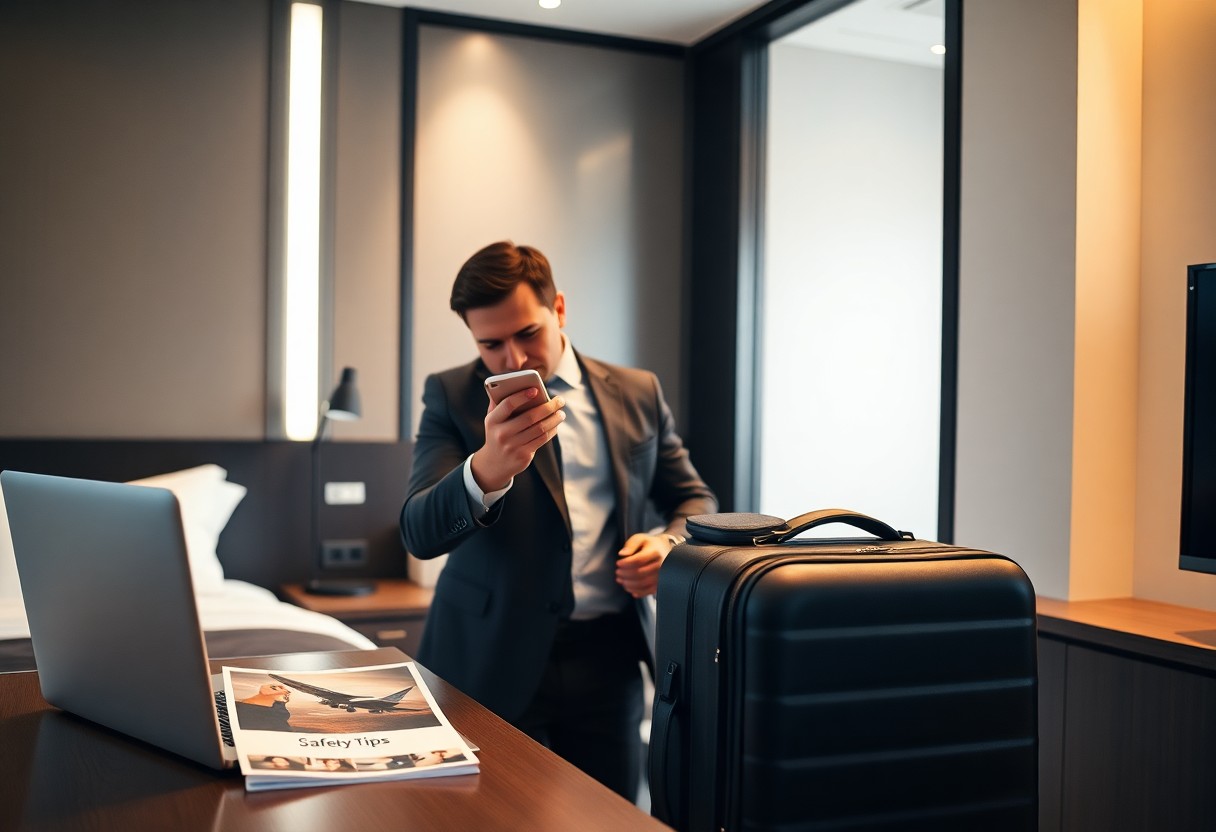
With the increasing frequency of business travel, ensuring your safety while on the road is more important than ever. You face potential risks such as theft, health emergencies, and natural disasters. By following some simple yet effective travel safety tips, you can mitigate these dangers and focus on achieving your business goals. This guide will provide you with necessary strategies to protect yourself, facilitating a more secure and productive business trip experience.
Key Takeaways:
- Plan your itinerary and share it with a trusted person.
- Stay aware of your surroundings and avoid risky areas.
- Keep important documents secure and have digital backups.
Preparing for Your Trip
Effective preparation minimizes risks during your business trip. Start by reviewing your itinerary, ensuring all necessary documents are in order, including ID, travel insurance, and vaccination records. Create a checklist that encompasses everything from necessary electronics to emergency contacts. Being organized not only enhances your safety but also optimizes your productivity on the road.
Researching Your Destination
Understanding your destination is necessary for safety. Before your trip, investigate the local customs, language, and laws of the area. Identify any regions that might be unsafe and plan your routes accordingly. Familiarize yourself with the location of your meetings and accommodations, as well as emergency services and hospitals in case of any unforeseen circumstances.
Booking Accommodations and Transportation
Selecting where you’ll stay and how you’ll get around impacts your safety and comfort during your trip. Choose reputable hotels located in safe neighborhoods and consider booking transportation options in advance. Utilize trusted services for taxis or rideshares, and if possible, share your itinerary with a colleague or family member so someone knows your whereabouts.
Prioritizing security when booking accommodations can significantly reduce your risk. Look for hotels with 24-hour security, electronic key access, and positive online reviews regarding safety. When choosing transportation, prefer established companies with high safety ratings over ride-hailing services without a clear background check process. Always keep your valuables secure and stay aware of your surroundings, particularly in unfamiliar areas.

Personal Safety Tips
Your personal safety is necessary while traveling for business. Focus on protecting yourself and your belongings with these tips:
- Stay alert and aware of your surroundings.
- Keep your personal items close and secured.
- Always notice emergency exits and local emergency numbers.
- Trust your instincts; if a situation feels uncomfortable, leave.
- Limit your alcohol intake to remain aware.
Recognizing potential risks can help you navigate unfamiliar environments safely.
Staying Aware of Your Surroundings
Awareness is key when traveling. You should consistently scan your environment for anything out of the ordinary. Pay attention to the people around you and avoid distractions from your phone or other devices. Engaging with your environment helps you spot potential threats early, allowing you to respond proactively. Stay vigilant, especially in crowded places or transit systems where opportunities for theft may increase.
Managing Personal Belongings
Protecting your belongings is vital during business trips. Ensure your bags are fastened securely and carry only what you need. Use anti-theft bags with reinforced straps and zippers to deter pickpockets. When in restaurants or public places, never leave your items unattended. If utilizing hotel safes, double-check their functionality before storing valuables. Always carry important information separately in case of theft.
Consider utilizing technology to aid in managing your belongings. For example, packing a smart tracker in your bag can help locate lost items and deter theft. Additionally, storing important documents electronically can lessen the risk if physical copies are lost or stolen. Evaluating your security measures and adjusting them based on different environments will enhance your overall travel safety.
Securing Your Travel Documents
Securing travel documents is vital for smooth business trips. Keep your passport, ID, tickets, and insurance details safe by using a secure and accessible method of storage. Consider using a travel wallet or a sealed pouch that you carry with you at all times. Additionally, make photocopies of important documents; store them separately from the originals. In case of loss or theft, having duplicates simplifies the process of obtaining replacements.
Organizing Important Papers
Organizing important papers is key to avoiding chaos during your trip. Use labeled folders or envelopes for different categories, such as itineraries, accommodation confirmations, and meeting schedules. Keep important documents in a designated pocket of your carry-on bag, ensuring easy access. By sorting these papers before your journey, you enhance efficiency and minimize stress.
Digital Security Measures
Implementing digital security measures is important when traveling for business. Use strong, unique passwords for all accounts and consider enabling two-factor authentication. Encrypt sensitive files and avoid using public Wi-Fi for accessing confidential information. Additionally, regularly back up important data to a secure cloud service to prevent data loss.
Investing in a VPN (Virtual Private Network) while traveling provides an extra layer of security, especially when dealing with sensitive business information. For instance, using a VPN can protect your data from potential eavesdroppers on public networks, making it significantly harder for hackers to intercept your communications. Be vigilant about software updates on your devices as they often contain security patches that guard against vulnerabilities. This proactive approach significantly reduces the risk of cyber threats during your travels.
Health and Emergency Preparedness
Health and emergency preparedness is vital for any business traveler. You should prioritize understanding any health risks associated with your destination and be equipped to deal with potential emergencies. In addition to maintaining personal health, knowing how to navigate local healthcare systems can significantly enhance your safety during travel. This preparation ensures that you are well-equipped to handle anything that may arise unexpectedly during your trip.
Packing a Travel Health Kit
When packing for your business trip, include a travel health kit tailored to your needs. Essential items should feature basic first aid supplies, prescription medications, hand sanitizer, and any over-the-counter pain relievers you might require. Including a list of medical allergies or conditions can also be beneficial should emergencies arise. Tailor your kit based on the specific health risks of your destination.
Identifying Local Emergency Services
Familiarizing yourself with local emergency services is vital while traveling. Research nearby hospitals, urgent care clinics, and pharmacies before your business trip. Note down contact information for local police and fire departments, as well as any emergency numbers specific to the country or region. This knowledge ensures that you can respond quickly and effectively should a medical situation or other emergency occur while you’re abroad.
Identify local emergency services by checking online resources and reviewing travel advisories from your government. Utilize mapping applications to locate the nearest hospitals and clinics in relation to your accommodation. Many major cities now have dedicated apps that list emergency services and their contact numbers, simplifying access when needed. Carrying this information on your phone can save valuable time in a high-stress situation, allowing you to focus on your health and safety. Additionally, seek recommendations from colleagues familiar with the area for reputable medical facilities.
Business Etiquette and Cultural Awareness
Demonstrating strong business etiquette and cultural awareness can significantly enhance your professional interactions abroad. You’ll need to adapt to varying norms that govern communication, decision-making, and relationship-building in different cultures. Failing to respect these differences may lead to misunderstandings or jeopardize business deals. Being observant and receptive can facilitate smoother interactions and build trust with international partners.
Understanding Local Customs
Grasping local customs can make a remarkable difference in your business relationships. For instance, in Japan, engaging in a bow rather than a handshake shows respect. Conversely, in some Middle Eastern cultures, it’s vital to avoid using your left hand for greetings or handshakes, as it’s considered impolite. Take the time to research and understand these nuances to avoid faux pas that could affect your business endeavors.
Dress Code and Professionalism
Your attire speaks volumes about your professionalism during business trips. Dress codes can vary significantly, from formal suits in Western countries to tailored outfits that are culturally specific in other regions. In many Asian countries, conservative clothing is preferred, while creative industries in urban settings may endorse a more casual but polished look. Prioritize understanding the specific expectations in your destination to project confidence and respect.
For instance, a recent survey found that 60% of professionals believe that appropriate attire influences initial perceptions on competence and credibility. When attending meetings, opt for clothing that aligns with local business standards. In some regions, wearing overly casual outfits can undermine your professional image, while in others, being too formal might come off as aloof. Investing time in researching the prevailing dress code can facilitate positive impressions and foster better collaboration with local stakeholders.
Communication and Connectivity
Effective communication is vital during business travel. Ensure you have access to reliable communication tools to stay in contact with colleagues and family. Utilize resources like business travel safety tips for employees to equip yourself with necessary information for emergencies.
Staying Connected
Staying connected can alleviate stress while traveling. Use a combination of mobile data and Wi-Fi to ensure constant access to important contacts and information. Always have a backup plan, such as carrying a portable charger, to maintain your necessary connections even when other options fail.
Using Technology Safely
As you rely on technology for navigation and communication, prioritizing safety in its use is critical. Always connect to secure networks, especially when using sensitive applications. Enable two-factor authentication for added protection on your accounts, and refrain from accessing financial information on public Wi-Fi to minimize risks.
When using technology, be aware of phishing attempts and malware that target travelers. Scams can occur via emails or texts, posing as legitimate services. Always verify the sender before clicking on links or downloading attachments. Keep your device updated with the latest security patches and use VPNs when connecting to hotel or café networks. This proactive approach significantly reduces the potential for data breaches and identity theft while you are on the go.
To wrap up
Hence, prioritizing travel safety during your business trips is crucial for ensuring a successful experience. By staying informed about your destination, utilizing reliable transportation, and maintaining awareness of your surroundings, you can mitigate risks effectively. Ensure that you have all necessary documentation and emergency contacts readily accessible. Implementing these strategies will enhance your overall travel experience, allowing you to focus on your work and connections without unnecessary distractions.
FAQ
Q: What are crucial tips for packing for a business trip to ensure safety?
A: When packing for a business trip, include a travel first-aid kit, ensure your personal identification and travel documents are secure, and opt for a crossbody bag or travel wallet to deter pickpockets. Consider carrying a portable charger to maintain communication and emergency contacts.
Q: How can I stay safe while traveling for business in unfamiliar locations?
A: Research your destination ahead of time, including local customs and areas to avoid. Share your itinerary with a colleague or family member, keep emergency contacts handy, and use reputable transportation options. Stay aware of your surroundings and trust your instincts regarding safety.
Q: What precautions should I take when booking accommodations for business travel?
A: Book accommodations in reputable areas and read recent reviews for safety concerns. Ensure the hotel has adequate security measures, such as keycard access and in-room safes. Opt for rooms on higher floors and close to the elevator for easier access while minimizing risk.