Category: Uncategorized
-

Safety Talk – Building Resilience – Bounce Back from Stress
Over time, stress can erode your performance and safety; chronic stress raises the risk of accidents, injury, and illness. You can strengthen your response by building habits that protect your well-being: small daily routines, social support, and controlled breathing increase tolerance and recovery. Use practical, measurable steps so your resilience reduces downtime and sharpens decision-making,…
-

Safety Talk – Workplace Fire Drills – Be Ready to Evacuate
Just because drills feel routine, you must treat them as lifesaving practice: you should know all exits and your assembly point, assist co-workers when safe, and follow the alarm and evacuation leader instructions. Be aware that fire can spread within minutes, so evacuate immediately and do not use elevators. Regular, practiced drills save lives and…
-
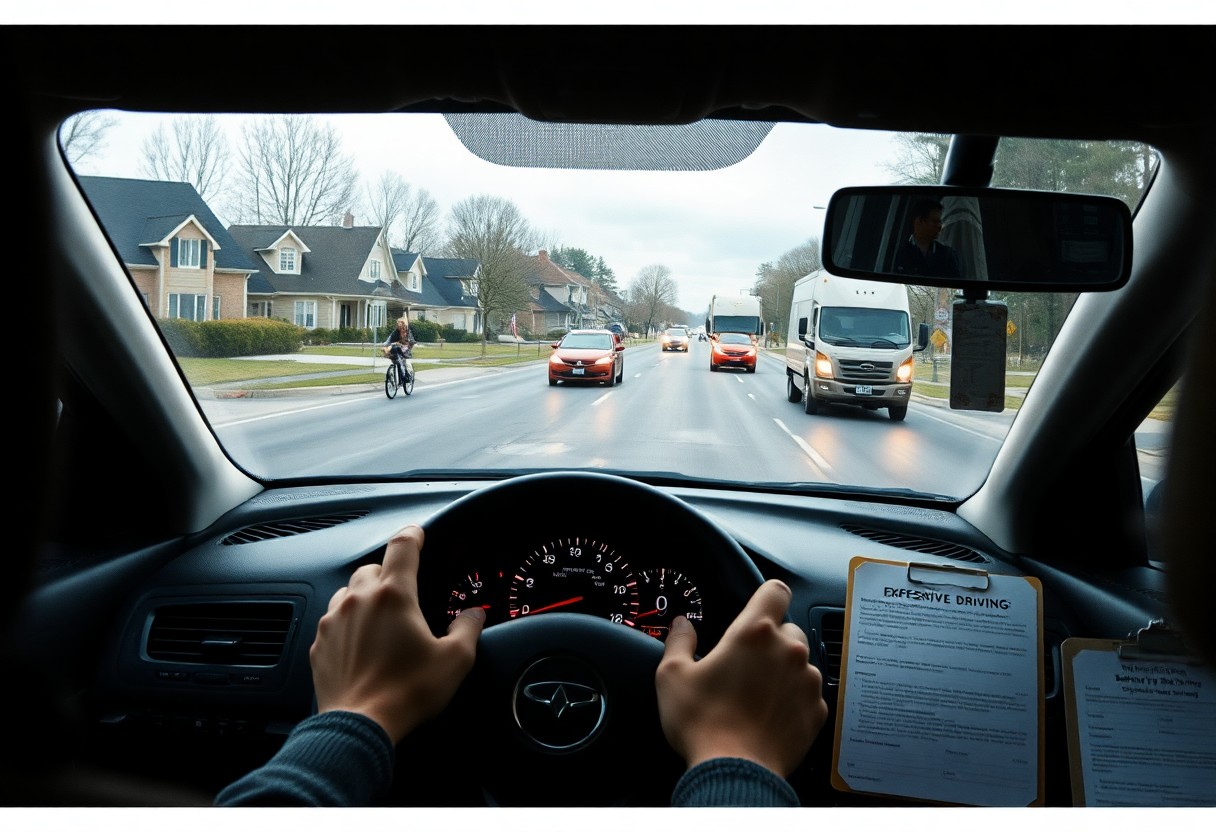
Safety Talk – Defensive Driving – Expect the Unexpected
Most drivers underestimate how quickly conditions change, so you must adopt defensive habits that reduce risk; this briefing shows how to detect unexpected hazards like sudden stops or erratic drivers, manage poor weather, and apply positive tactics-scanning ahead, maintaining a safe following distance, and eliminating distractions-to keep you and others safe. Key Takeaways: Maintain a…
-

Safety Talk – Mental Stretching – Brain Exercises for Focus
It’s easy to underestimate how mental fatigue undermines your safety and increases the chance of costly mistakes; by practicing brief brain exercises you sharpen attention, strengthen situational awareness, and reduce error risk. Use quick routines throughout your shift to maintain focus, recover from distractions, and improve reaction time, so you consistently make safer decisions and…
-

Safety Talk – Hand Truck Safety – Moving Loads with a Dolly
With proper technique and attention, you can safely move heavy items using a hand truck or dolly; inspect your equipment, secure the load, and avoid overloading to prevent tipping and serious injury. Position items evenly, keep your back straight, push rather than pull, and watch your footing on ramps or uneven surfaces. Use straps and…
-
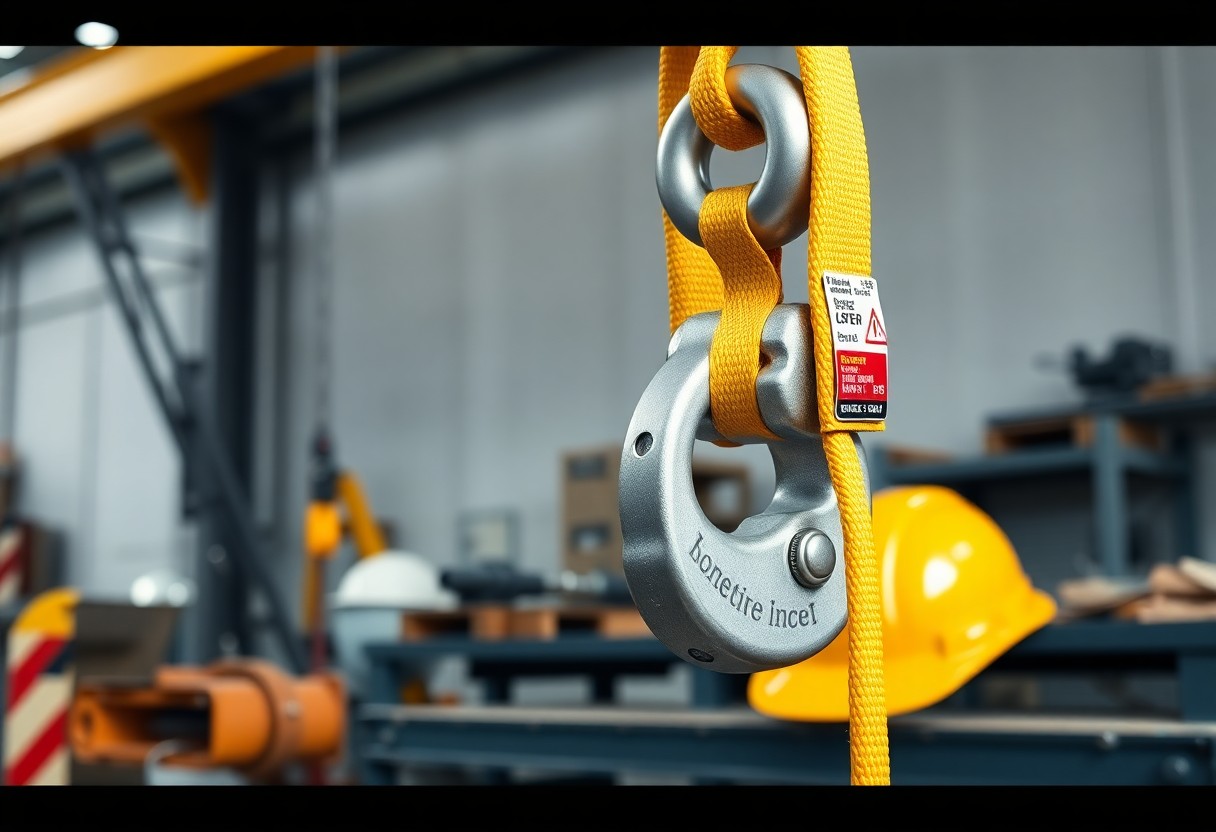
Safety Talk – Rigging Safety – Lifting Slings and Hooks
Safety begins with you inspecting slings and hooks before every lift: check for cuts, abrasion, corrosion, deformation, confirm tags and rated capacity, and never exceed load limits. Use hooks with safety latches, apply edge protection and choose the correct sling type and hitch for your load. Keep clear of suspended loads, follow manufacturer guidance, and…
-
Safety Talk – Remember Why – The Reason We Work Safely
You lead safety by acting deliberately to protect yourself and others; when you follow procedures you reduce exposure to serious hazards, help prevent injury and fatality, and keep projects on schedule. Use your training to identify risks, stop unsafe acts, and speak up when conditions threaten your team; consistent attention to protocol makes the workplace…
-

Safety Talk – Financial Stress – Resources to Help
Resources can help you reduce financial stress by connecting you with emergency assistance, budgeting tools, and mental health support; recognizing warning signs of crisis such as overwhelming anxiety or impaired judgment protects your safety, while accessing free and low-cost services strengthens your ability to cope and regain control of your finances and wellbeing. Key Takeaways:…
-

Safety Talk – Office Chair Safety – Don’t Lean Back Too Far
Overreclining in your office chair can cause a sudden tip that leads to falls, head or spinal injuries; to prevent this, keep your hips fully on the seat, maintain both feet on the floor, and use the chair’s tilt lock and height adjustments so your posture stays stable. If your chair wobbles or lacks support,…
-

Safety Talk – Travel Wellness – Overcoming Jet Lag and Fatigue
There’s a clear set of steps you can take to reduce jet lag and stay safe: shift your sleep schedule before travel, use daylight exposure to reset your clock, and stay hydrated while avoiding alcohol and sedatives. If you’re tired, do not drive – drowsy driving is dangerous. Prioritize short naps and gradual adjustment so…