Category: Uncategorized
-

Safety Talk – Overhead Loads – Never Stand Under
It’s vital that you never stand under suspended loads; falling loads can cause fatal injuries in seconds. You must inspect rigging, maintain clear exclusion zones, use taglines and spotters, and wear appropriate PPE so you can reduce risk and protect co-workers. Follow lift plans, communicate with operators, and stop work if controls fail to keep…
-

Safety Talk – Gratitude and Mental Well-being
Gratitude practices help you notice positives and protect your team by strengthening safety and awareness; when you make gratitude a habit you reduce stress and guard against burnout and impaired judgment, while boosting focus, resilience, and morale. Use brief daily acknowledgments to shift your mindset, support your colleagues, and maintain operational readiness by linking mental…
-
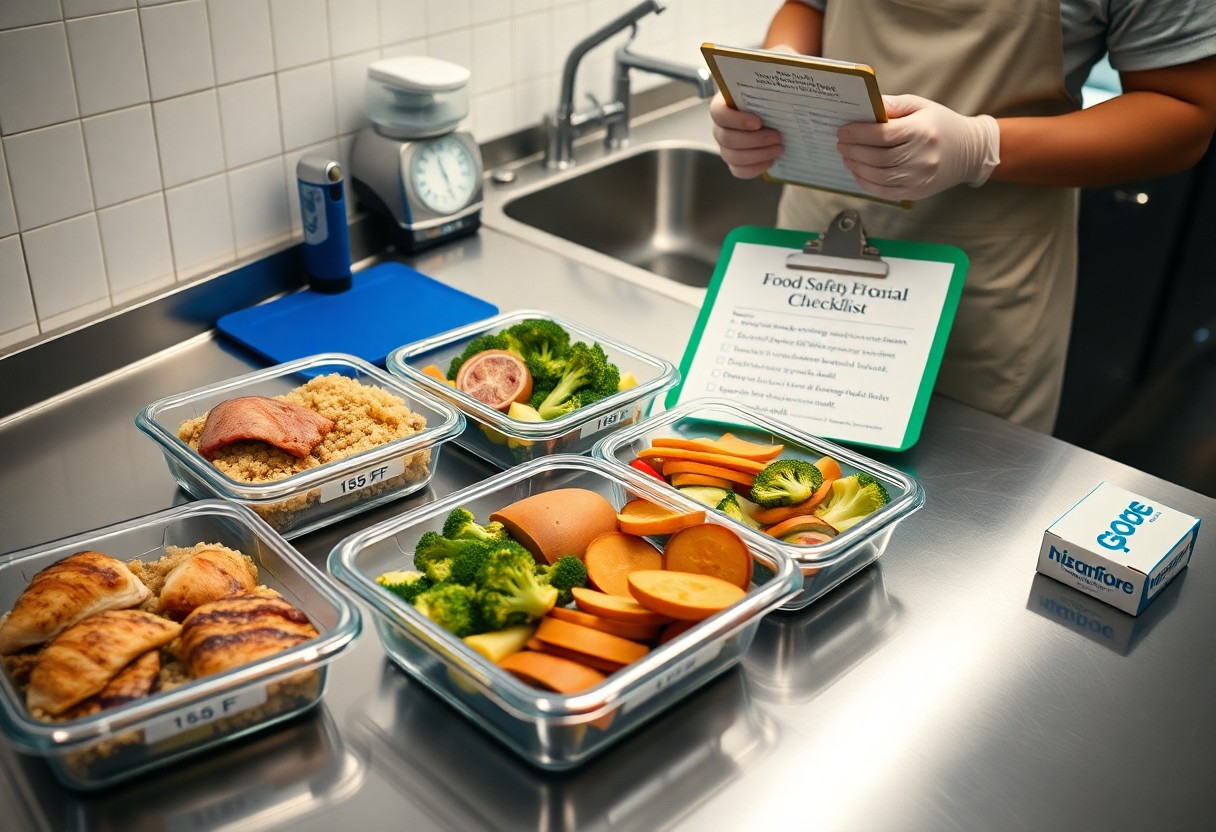
Safety Talk – Meal Prepping – Save Time and Eat Healthy
MealPrep gives you more free time and healthier meals, but to protect your health you must follow proper cooling, storage, and reheating and prevent cross-contamination that can cause foodborne illness. With simple labeling, portioning, and balanced recipes you lock in the time-saving and nutritious benefits of batch cooking while keeping your kitchen safe. Key Takeaways:…
-

Safety Talk – Truck Cargo Securement – Tie It Down Tight
There’s a simple rule you must follow every time you load: secure your cargo firmly using rated tie-downs and edge protection to prevent movement; improperly secured loads can shift, causing rollovers, roadway hazards, and fatalities. You must inspect straps, anchor points, and tension before departure and during stops so you can correct failures; proper securement…
-

Safety Talk – When in Doubt, Ask – Don’t Guess on Safety
There’s no room for guessing when safety is at stake; if you are unsure, ask a supervisor or colleague rather than making assumptions. Using your voice protects you and others, prevents dangerous mistakes, and ensures procedures are followed. Make it policy to stop work and confirm instructions, report hazards, and use available resources so you…
-

Safety Talk – Defensive Driving – Avoid Road Rage
Over your driving career, you may face aggressive drivers; using defensive techniques ensures you avoid confrontations, reduce collision risk, and protect your life and others. You should keep distance, manage speed, use signals early, and prioritize escape routes so you can maintain control and stay calm while de-escalating tense situations. Key Takeaways: Keep emotions under…
-

Safety Talk – Utility Cart Safety – Drive Safely On Site
Utility carts move quickly across site, so you must operate them with focused attention to avoid tip-overs and collisions. Before each trip you must inspect the cart, secure loads, use restraints or handholds, follow posted speeds and traffic flow, and give pedestrians the right of way to keep your crew safe. Key Takeaways: Perform pre-operation…
-

Safety Talk – Extension Cords – Use Them Safely
Just because extension cords are common doesn’t mean you can be careless; you must treat them as temporary tools and manage risks. Inspect cords before use, avoid running them under rugs, and never overload circuits because overloading and frayed cords can cause fire or electric shock. Choose the right cord for the job-correct gauge and…
-

Safety Talk – Ladder Inspections – Check Before Climbing
Many ladder incidents occur when inspections are skipped, so before you climb you must visually and physically inspect your ladder for damaged or bent rungs, loose spreaders or hinges, missing or worn feet, corrosion, and proper load rating; verify your ladder is on a stable, level surface and free of slippery contaminants. If you find…
-
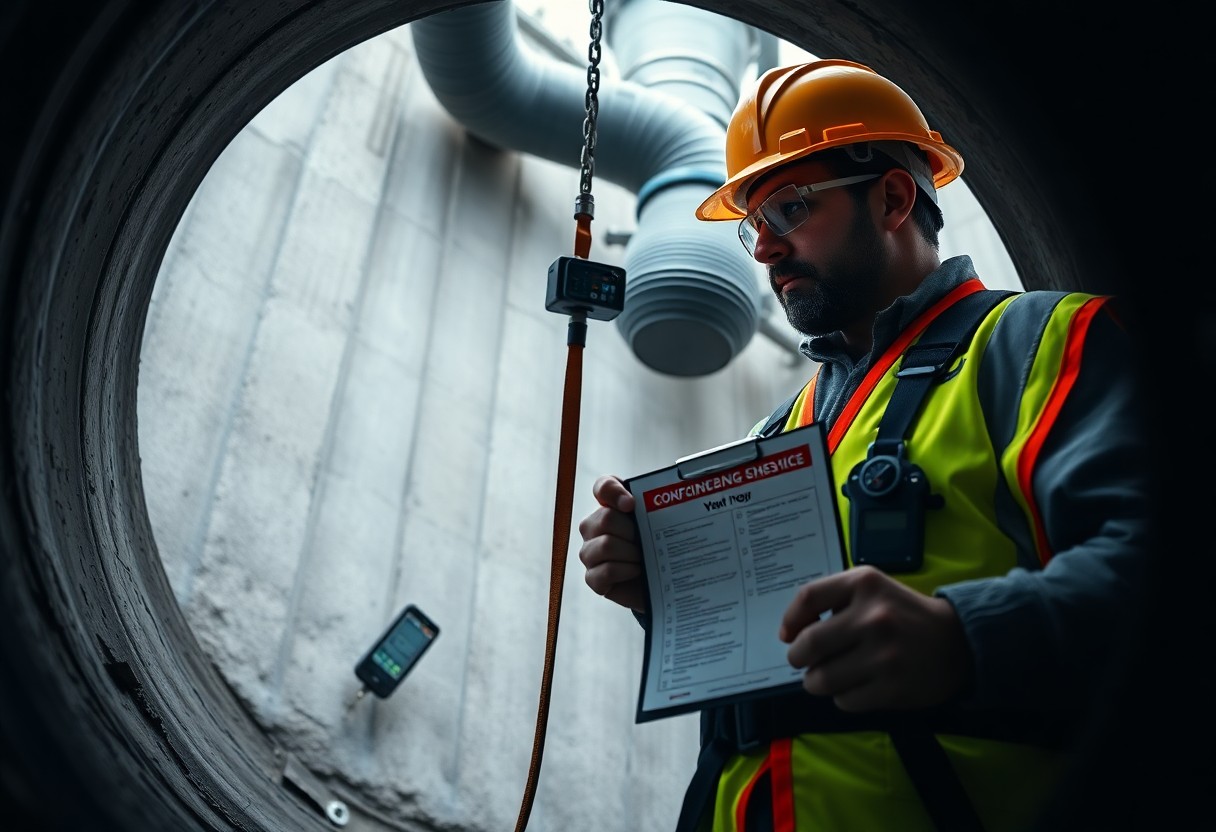
Safety Talk – Confined Space Entry – Plan and Permit
Many confined spaces can expose you to oxygen-deficient or toxic atmospheres, engulfment, and mechanical hazards, so your entry must follow a written permit and entry plan that includes atmospheric testing, ventilation, trained attendants, communication, and a rescue-ready procedure. You are responsible for verifying controls, following lockout/tagout, and ensuring only authorized personnel enter. Key Takeaways: Entry…