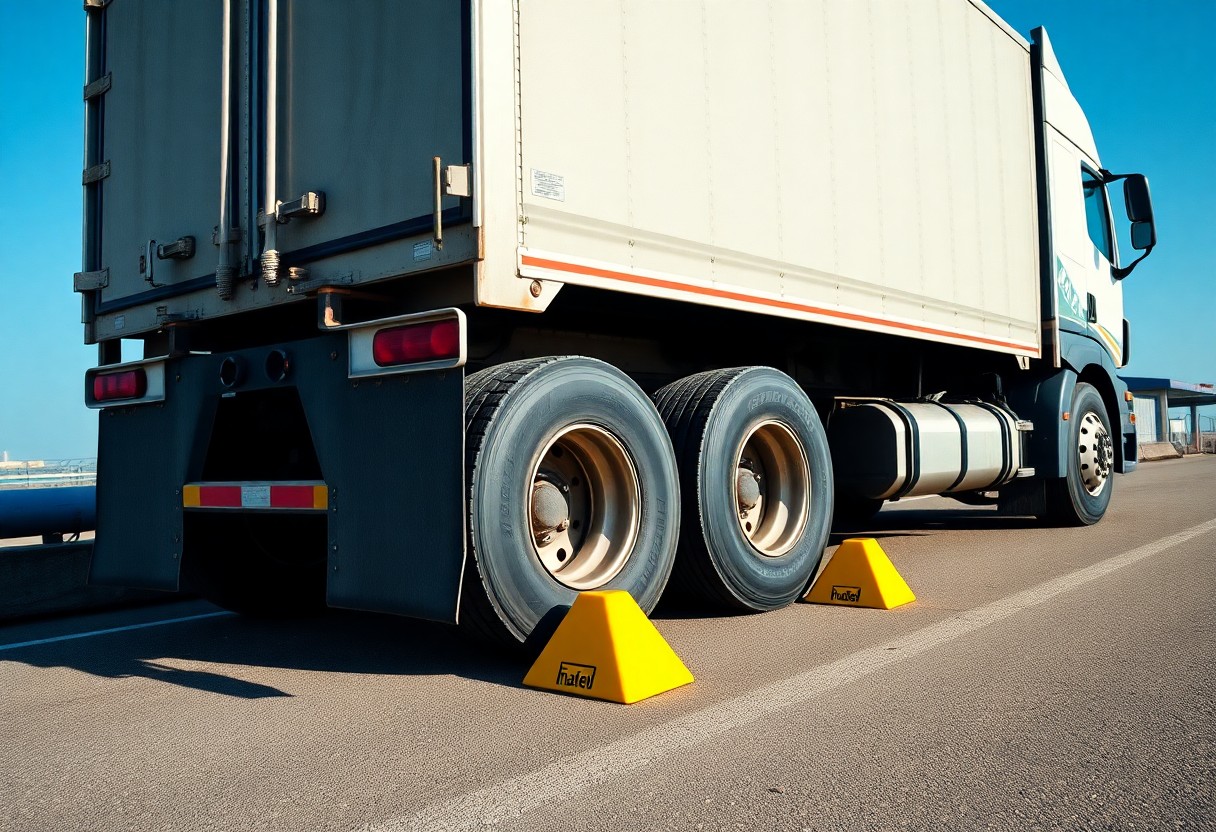
It’s vital for you to understand the importance of chocking your wheels to prevent dangerous rollaways, especially when parking on inclines or uneven surfaces. By using wheel chocks, you significantly reduce the risk of your vehicle unintentionally moving, which can lead to severe injuries or property damage. Ensuring that you properly secure your vehicle not only promotes safety for yourself but also protects those around you. Incorporating this simple yet effective practice into your routine can make a positive impact on overall safety management.
Key Takeaways:
- Always use wheel chocks when parking vehicles on inclines or uneven surfaces to prevent accidental rollaways.
- Ensure chocks are properly positioned against the wheels and in good condition to provide effective support.
- Educate all personnel on safe parking practices and the importance of using wheel chocks as a standard procedure.
Understanding Rollaways
Rollaways occur when a parked vehicle unexpectedly moves without warning, posing a significant danger to personnel and equipment. This situation can lead to injuries, damage to property, and even fatalities. Understanding the underlying factors is crucial to effectively mitigate these risks and ensure a safe working environment.
Definition of Rollaways
A rollaway incident is defined as any occurrence where a stationary vehicle begins to move autonomously due to inadequate securing measures. This often surprises operators and can escalate into serious accidents if not adequately addressed.
Causes of Rollaway Incidents
Rollaway incidents typically stem from a combination of human error, mechanical failures, and environmental factors. Common causes include failing to engage parking brakes, improper use of wheel chocks, or shifting currents, which may displace vehicles on sloped terrain.
Human error is often the predominant cause, with studies showing that around 70% of rollaway accidents arise from unmade safety checks before leaving a vehicle unattended. Mechanical failures of brakes or parking systems also contribute significantly, accounting for nearly 20% of incidents. Environmental factors, such as wet or icy conditions, may lead vehicles to slide even on seemingly flat surfaces. Whenever you park, remain vigilant about these factors to help ensure your safety and the safety of those around you.
Importance of Wheel Chocks
Utilizing wheel chocks is important to maintaining safety and stability when parking vehicles. By properly positioning these devices, you can effectively counteract the forces of gravity and ensure that your equipment remains stationary. In situations where vehicles are parked on slopes or uneven surfaces, wheel chocks become your first line of defense against rollaways, significantly reducing the risk of accidents that can result in injury or property damage.
Overview of Wheel Chocks
Wheel chocks are solid blocks or wedges made of durable materials, designed to be placed against the wheels of a vehicle to prevent it from rolling. They come in various sizes and shapes, tailored to fit the specific dimensions and weight of different vehicles, from light-duty cars to heavy-duty trucks. This simple yet effective tool is often required in construction sites, warehouse facilities, and any area where vehicles and equipment are frequently parked.
Benefits of Using Wheel Chocks
Incorporating wheel chocks into your parking routine offers numerous benefits, such as enhanced safety for you and your colleagues and reduced liability. By stabilizing vehicles, you mitigate the chance of rollaways and the associated injuries or damages. Furthermore, using wheel chocks can improve workflow efficiency by preventing unexpected movements that can disrupt operations.
Beyond preventing rollaways, wheel chocks enhance workplace safety by promoting good practices among employees. When you routinely use wheel chocks, you cultivate a culture of caution, reducing complacency around vehicle operation. Studies indicate that workplaces that consistently emphasize safety equipment, including wheel chocks, see up to a 30% reduction in related accidents, showcasing their vital role in protecting both personnel and equipment.

Proper Use of Wheel Chocks
Utilizing wheel chocks correctly is necessary for effective vehicle stabilization. Always position your chocks against the downhill side of the tires to counteract gravity, especially on inclines. Ensure that your chocks are made of durable materials, suitable for the weight of your vehicle. It’s also vital to check that the ground is flat and stable where you’re placing the chocks, as loose surfaces can reduce their effectiveness.
Techniques for Chocking Wheels
Proper techniques for chocking wheels can significantly enhance safety. First, choose the appropriate size and type of chock for your vehicle. Place the chocks snugly against the tires, ensuring they fit tightly without gaps. For added security, use at least two chocks per vehicle, placing them on opposite sides to prevent rolling in either direction.
Common Mistakes to Avoid
Many users make simple mistakes when chocking wheels that can lead to accidents. One frequent error is failing to use chocks on all wheels, leaving some unsupported, which can result in rolling. Additionally, neglecting to inspect the chocks for wear and tear can compromise their effectiveness. Always ensure that your chocks are positioned securely and are appropriate for the vehicle load.
Avoid not using wheel chocks on both sides of a vehicle, as this can lead to dangerous rollaway situations. Ensure chocks are not placed too far from the tires; they should sit snugly against the wheels. Check for any debris or obstacles that may interfere with their grip. Regularly inspect your chocks for cracks or deformities, as maintaining their integrity is vital for safety. Inadequate attention to these details can turn a simple parking procedure into a hazardous situation.
Safety Guidelines and Best Practices
Implementing effective safety guidelines and best practices enhances your ability to prevent rollaways. Always ensure that wheel chocks are placed correctly and that their condition is regularly assessed. Use standardized procedures for their placement, securing both front and rear wheels whenever vehicles are parked on any incline. Prioritize training and education to inform all personnel about the importance of using chocks consistently, thus creating a safer working environment.
Inspection and Maintenance of Chocks
Your wheel chocks should undergo regular inspections and maintenance to ensure they perform effectively. Check for cracks, signs of wear, or damage before each use, as any flaw can compromise their ability to stabilize a vehicle. Replace worn or faulty chocks promptly. Keeping your chocks in optimal condition minimizes risk and enhances safety.
Creating a Safety Culture
To foster a strong safety culture, involve every team member in the conversation about vehicle safety and rollaway prevention. Encourage feedback and suggestions regarding safety practices, and hold regular training sessions focused on the importance of using chocks effectively. Make safety a shared responsibility, not just a top-down mandate, to ensure everyone understands their role in preventing accidents.
Creating a robust safety culture begins with open lines of communication. You can implement regular safety meetings where employees share their experiences and learnings related to using wheel chocks. Incorporate visual reminders around the worksite, such as posters displaying best practices. Additionally, consider establishing a reward system for teams that demonstrate exemplary safety habits. By prioritizing safety at all levels, you can cultivate an environment where everyone feels accountable and empowered to act.
Legal and Regulatory Considerations
Understanding the legal and regulatory landscape surrounding wheel chocking is vital for workplace safety. Failure to comply with regulations can result in significant penalties, especially if rollaway incidents occur. Ensuring adherence to guidelines not only protects employees but also safeguards your organization from litigation and fines.
OSHA Standards
The Occupational Safety and Health Administration (OSHA) mandates that employers implement safety measures to prevent equipment rollaways. Under the General Duty Clause, you are required to keep work environments hazard-free. Additionally, specific OSHA standards may detail the use of wheel chocks for vehicles and heavy equipment, emphasizing their necessity during maintenance and loading operations.
Industry Regulations
Your industry may have unique regulations that further specify requirements for wheel chocking. These could include mandates from organizations such as the National Fire Protection Association (NFPA) or regulations set by the Environmental Protection Agency (EPA) for hazardous materials handling. With varying laws depending on your sector, staying informed is important.
For instance, in the construction industry, regulations often dictate that heavy machinery must be immobilized using wheel chocks in addition to the parking brake when on slopes or uneven surfaces. Non-compliance could lead to accidents and regulatory scrutiny. Similarly, in shipping and logistics, adherence to the Federal Motor Carrier Safety Administration (FMCSA) guidelines reinforces the importance of chocking to prevent trailers from rolling during loading and unloading. Staying updated on these regulations ensures you maintain compliance and promote a safer working environment.
Training and Awareness
Effective training and awareness initiatives are vital in mitigating the risks associated with rollaways. It’s not just about compliance; it’s about fostering a safety culture where everyone understands the importance of Chocking Wheels Safety Talk. Regular training sessions should include hands-on demonstrations and practical exercises to reinforce safe chocking practices.
Employee Training Programs
Your employee training programs should integrate comprehensive modules on wheel chocking procedures. This should cover the types of wheel chocks, their specifications, and proper placement techniques. Incorporating case studies showcasing incidents due to improper chocking may also highlight the risks involved, enhancing retention of key safety practices.
Raising Awareness about Rollaway Risks
To effectively raise awareness about rollaway risks, consistent communication is necessary. Regular updates and reminders through posters, newsletters, and safety meetings can help keep these risks at the forefront of your team’s mind. Sharing statistics, such as that rollaway accidents account for 33% of all vehicle-related incidents in work zones, can emphasize the importance of vigilance.
Implementing engaging activities—like safety quizzes or scenario-based discussions—can further educate your team about rollaway hazards. Highlighting real-life examples of accidents and their repercussions reinforces the need for adherence to established safety protocols. By keeping the conversation ongoing, you cultivate an environment where safety is prioritized, reducing the likelihood of tragic incidents.
Final Words
Presently, ensuring your vehicle is securely chocked when parked on an incline is important for preventing rollaways. By using wheel chocks, you significantly reduce the risk of accidents and injuries. Take the time to properly position your chocks before exiting the vehicle. This simple yet effective action not only protects you but also others in the vicinity. Prioritizing this safety measure reflects your commitment to responsible vehicle management.
FAQ
Q: What is the purpose of chocking wheels?
A: Chocking wheels is a safety measure to prevent vehicles from rolling away when parked on an incline or decline. It involves placing wedges or blocks against the wheels to provide stability and control.
Q: When should I chock my vehicle’s wheels?
A: Wheels should be chocked whenever a vehicle is parked on uneven ground, during loading and unloading, or when working on the vehicle. This practice enhances safety by minimizing the risk of accidental movement.
Q: What type of chocks should I use for my vehicle?
A: Use chocks that are appropriate for your vehicle’s size and weight. Rubber or durable plastic chocks are commonly recommended for cars, while heavier-duty metal or wood chocks are suitable for larger vehicles like trucks and trailers.