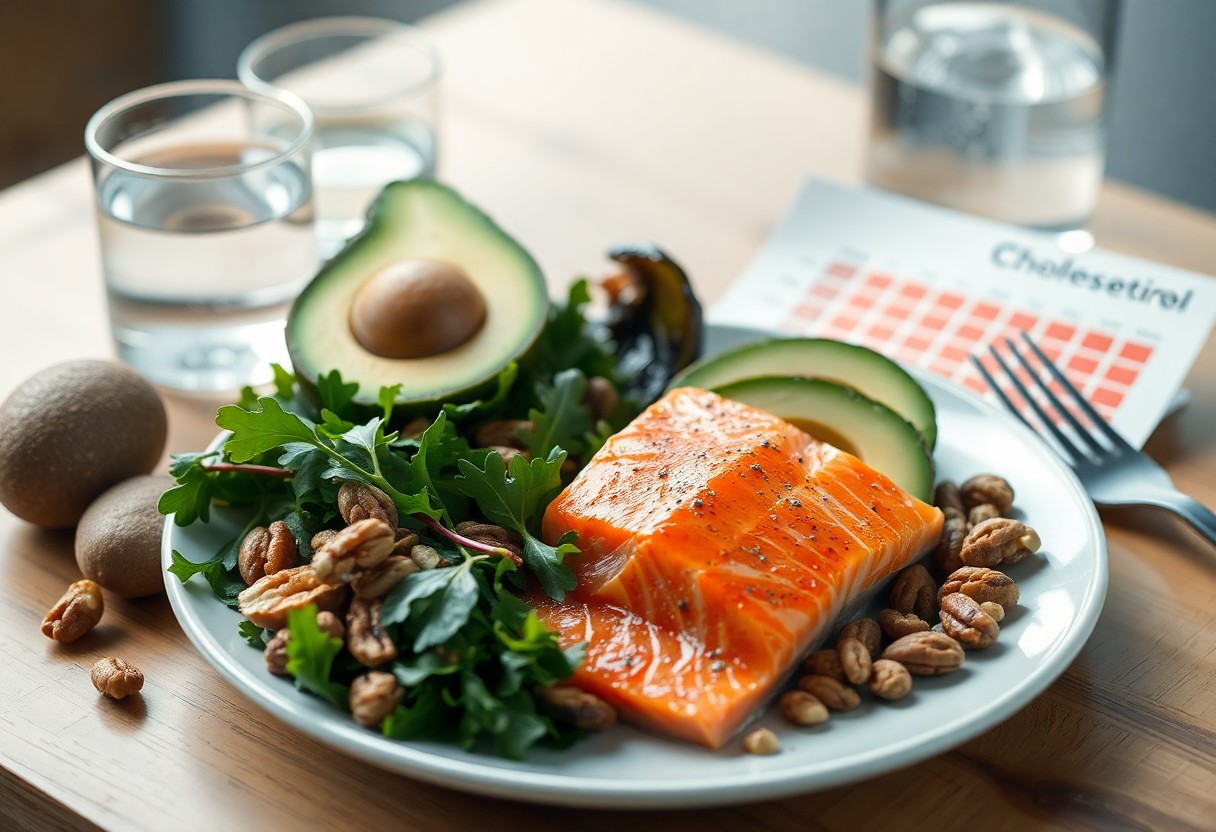
Many people overlook the impact of cholesterol on their heart health, but understanding how your diet influences your cholesterol levels is key to making healthy choices. By focusing on nutritious foods that promote heart health, you can significantly reduce the risk of heart disease. Simple dietary adjustments, such as incorporating healthy fats and limiting saturated fats, can transform your overall well-being. Discover how you can make informed dietary choices that support a healthier heart and enhance your quality of life.
Key Takeaways:
- Consuming a balanced diet rich in fruits, vegetables, whole grains, and healthy fats can help manage cholesterol levels.
- Limit intake of saturated and trans fats found in processed foods to reduce the risk of heart disease.
- Regular physical activity complements dietary choices in promoting heart health and maintaining healthy cholesterol levels.
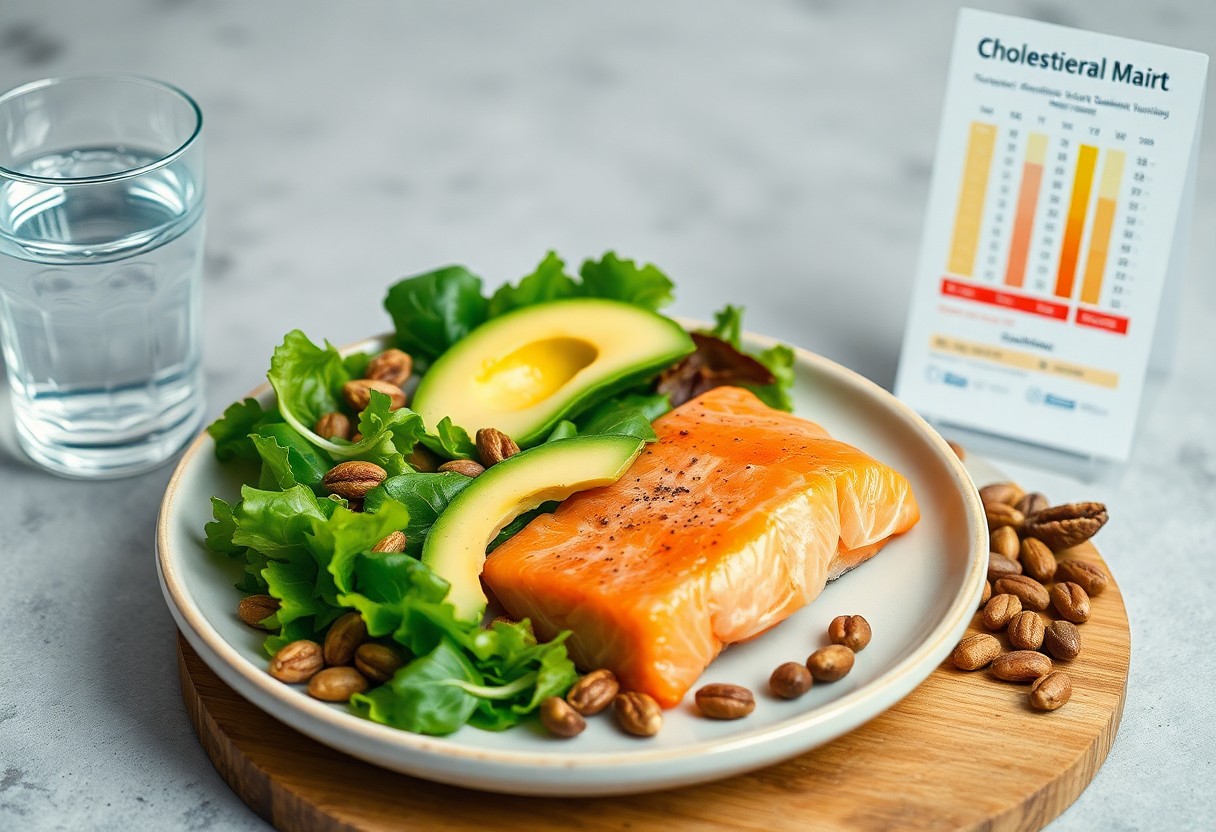
Understanding Cholesterol
Cholesterol is a waxy substance that your body needs to build cells and produce hormones. Despite its important role, too much cholesterol can lead to heart disease and other health problems. You have two main sources of cholesterol: your body synthesizes it, and you get it from dietary sources. Maintaining appropriate levels is vital for overall health.
Types of Cholesterol
Two main types of cholesterol affect your health differently. You have low-density lipoprotein (LDL), often termed “bad” cholesterol, which can build up in the arteries, increasing your risk of heart disease. Conversely, high-density lipoprotein (HDL) is known as “good” cholesterol, as it helps remove LDL from the bloodstream.
- LDL: Associated with heart disease
- HDL: Protects against heart disease
- Triglycerides: Another harmful fat in the blood
- Total cholesterol: Combination of LDL and HDL
- Balance: Key for heart health
| Type | Description |
| LDL | Bad cholesterol that can clog arteries |
| HDL | Good cholesterol that protects heart health |
| Triglycerides | Type of fat linked to heart disease |
| Total cholesterol | Overall cholesterol number |
| Balance | Essential for reducing health risks |
Importance of Cholesterol Levels
Monitoring your cholesterol levels is vital for maintaining heart health. Elevated LDL can lead to plaque buildup in your arteries, which increases the risk of heart attacks and strokes. On the other hand, healthy levels of HDL can help transport LDL cholesterol away from your arteries, minimizing potential damage. Regular check-ups can help you understand your cholesterol profile and make necessary dietary adjustments.
Understanding the importance of cholesterol levels means recognizing their profound impact on your cardiovascular health. For instance, studies show that having high levels of LDL cholesterol increases the probability of heart disease significantly. Keeping your cholesterol in check through lifestyle changes such as a balanced diet rich in omega-3 fatty acids, fiber, and antioxidants is vital. Regularly testing your cholesterol levels allows you to take proactive steps to mitigate health risks associated with heart disease.
The Role of Diet in Heart Health
Your diet significantly influences heart health, as the foods you consume can affect cholesterol levels, blood pressure, and inflammation. Incorporating heart-healthy foods into your meals helps reduce the risk of cardiovascular diseases. A balanced diet rich in nutrients fosters optimal heart function, enabling you to lead a healthier life.
Nutrients that Promote Heart Health
Key nutrients that promote heart health include omega-3 fatty acids, fiber, antioxidants, and potassium. Omega-3 fatty acids, found in fatty fish, can lower triglycerides and reduce heart disease risk. Fiber helps lower cholesterol levels, while antioxidants protect cells from damage. Potassium aids in maintaining healthy blood pressure.
Foods to Include and Avoid
Choosing the right foods is important for heart health. You should include fruits, vegetables, whole grains, and lean proteins in your diet while avoiding saturated fats, trans fats, and excessive sodium. Incorporating foods rich in beneficial nutrients can promote better cardiovascular health.
Focus on including foods like leafy greens, berries, nuts, and fatty fish in your meals. Opt for whole grains like oatmeal and quinoa, which provide fiber and important nutrients. Avoid processed snacks, red meats, and sugary beverages, as these can elevate cholesterol and blood pressure levels, contributing to heart disease. Making these dietary adjustments can significantly improve your heart health.
Making Healthy Choices
Making informed dietary choices is necessary for maintaining heart health. You can significantly impact your cholesterol levels by prioritizing nutrient-dense foods such as fruits, vegetables, whole grains, and healthy fats while minimizing processed and sugary items. Incorporating a variety of food groups can help ensure you’re getting the vital nutrients needed for optimal cardiovascular function.
Meal Planning for a Healthy Heart
Meal planning is an effective strategy for supporting heart health. By organizing your meals around whole, unprocessed ingredients, you can create a balanced diet that focuses on lean proteins, healthy fats, and fiber-rich foods. Aim for a weekly menu that includes colorful fruits and vegetables, whole grains like quinoa or brown rice, and sources of omega-3 fatty acids such as salmon or flaxseeds.
Reading Labels and Making Informed Choices
Understanding food labels is key to making healthier choices at the grocery store. By examining nutrition facts, you can identify high levels of saturated fats, trans fats, and sodium. Look for foods with low cholesterol content and high amounts of fiber and whole grains to promote heart health, ensuring you choose items that support your dietary goals.
To navigate food labels effectively, familiarize yourself with key terms and nutritional values. Check the serving size at the top, as products can be deceiving with portion sizes. Focus on the percent daily values to gauge how a food fits into your overall diet, and aim for foods that provide at least 10% of daily values for heart-healthy nutrients. Recognizing added sugars is necessary; opt for foods with natural sweetness, and limit those with high sugar content to maintain stable cholesterol levels.
The Impact of Lifestyle on Cholesterol
Your lifestyle choices profoundly impact your cholesterol levels. Regularly consuming high-saturated fat foods can increase LDL (bad) cholesterol, leading to a higher risk of heart disease. Conversely, adopting a diet rich in fruits, vegetables, whole grains, and healthy fats can help maintain or lower your cholesterol. For practical tips, check out Cholesterol – healthy eating tips.
Exercise and Physical Activity
Incorporating regular exercise into your routine can significantly improve your cholesterol levels. Aim for at least 150 minutes of moderate-intensity aerobic activity each week, as this helps raise HDL (good) cholesterol while lowering LDL levels. Activities such as walking, cycling, or swimming not only promote heart health but can also enhance overall well-being.
Stress Management and Its Effects
Effectively managing stress is vital for maintaining healthy cholesterol levels. Chronic stress triggers the release of hormones like cortisol, which can lead to increased fat accumulation and unhealthy eating patterns, negatively impacting your cholesterol. Implementing relaxation techniques, such as meditation or yoga, can help mitigate these effects and promote a healthier heart.
When stress becomes a regular part of your life, your body’s response can lead to elevated cholesterol levels. Research indicates that stressed individuals may resort to unhealthy eating habits, such as higher sugar and fat intake, which can further strain lipid profiles. Finding healthy coping mechanisms, such as engaging in hobbies or physical activity, can not only alleviate stress but also promote healthier cholesterol management over time.
Common Myths About Cholesterol
Misinformation surrounding cholesterol can lead to confusion about healthy dietary choices. For instance, many believe that all cholesterol is bad, disregarding the importance of high-density lipoprotein (HDL), the “good” cholesterol that helps eliminate other cholesterol from your bloodstream. Additionally, some people think that dietary cholesterol found in foods like eggs significantly raises your blood cholesterol levels, when research shows its impact is minimal. Understanding these myths is vital for making informed decisions about your heart health.
Debunking Misconceptions
Common misconceptions, such as believing that all fats lead to heart disease, oversimplify a complex issue. You can consume healthy fats from sources like avocados, nuts, and olive oil, which can actually improve cholesterol levels. Misunderstandings about the role of trans fats also persist, as many assume they are only found in fried foods. In reality, processed and packaged foods often contain trans fats, which are linked to heart disease and should be avoided.
Understanding Dietary Guidelines
Following dietary guidelines can help you manage cholesterol levels effectively. Current recommendations suggest limiting saturated fat intake to less than 10% of your daily calories, while trans fats should be avoided entirely. Increasing your intake of soluble fiber, found in foods such as oats and beans, can help lower cholesterol. Combining these guidelines with regular physical activity and routine health screenings sets a solid foundation for heart health.
The guidelines also emphasize the importance of a balanced diet rich in fruits, vegetables, whole grains, and lean proteins. Aiming for a variety of nutrient-dense foods not only supports overall health but can specifically aid in managing cholesterol levels. For example, incorporating fatty fish rich in omega-3 fatty acids—a type of polyunsaturated fat—into your meals can lower blood triglycerides and improve heart health. Regularly consult with a healthcare provider to tailor dietary choices to your individual needs.
Monitoring and Managing Cholesterol Levels
To maintain optimal heart health, you need to actively monitor and manage your cholesterol levels. Regular testing helps identify any fluctuations in your LDL and HDL cholesterol, allowing you to make informed dietary and lifestyle adjustments. Aim for a comprehensive cholesterol panel at least once every five years, or more frequently if you have risk factors such as obesity, diabetes, or a family history of heart disease.
Recommended Testing
You should undergo a cholesterol test, or lipid panel, to assess your total cholesterol, LDL, HDL, and triglycerides. The American Heart Association suggests starting these tests at age 20 and continuing every 4 to 6 years if your levels are in healthy ranges. If your results show elevated risk, your doctor may recommend more frequent screenings to track your progress.
Working with Healthcare Professionals
Your healthcare provider plays a vital role in managing cholesterol levels through tailored advice and treatment plans. Open communication about your diet, lifestyle, and family history will aid them in assessing your cardiovascular risk and developing strategies suited to your needs.
To effectively manage your cholesterol, collaborate closely with your healthcare team. Regular consultations can lead to personalized dietary recommendations, adjustments to medication if necessary, and setting achievable goals for maintaining a healthy weight and active lifestyle. They may also suggest lifestyle interventions like increasing physical activity or making dietary changes, such as incorporating more soluble fiber and healthy fats while reducing saturated and trans fats. Engaging in this partnership empowers you to take control of your heart health.
Summing Up
Hence, understanding the relationship between cholesterol and diet empowers you to make informed decisions for a healthier heart. By incorporating heart-healthy choices, such as fruits, vegetables, whole grains, and healthy fats, you can effectively manage your cholesterol levels. Regularly monitoring your dietary habits and opting for nutritious foods will not only enhance your heart health but also contribute to your overall well-being. Take charge of your health by prioritizing your diet and making choices that benefit your cardiovascular system.
FAQ
Q: How does cholesterol affect heart health?
A: Cholesterol is a fatty substance found in the blood. High levels of LDL (bad cholesterol) can lead to the buildup of plaques in arteries, increasing the risk of heart disease and stroke. Maintaining a balance between LDL and HDL (good cholesterol) is important for heart health.
Q: What dietary choices can help lower cholesterol levels?
A: Incorporating foods high in soluble fiber, such as oats, beans, and fruits, can help reduce cholesterol absorption. Healthy fats from sources like avocados, nuts, and olive oil can also support healthy cholesterol levels. Limiting saturated and trans fats found in processed foods is recommended.
Q: How often should cholesterol levels be checked?
A: It is advisable to have cholesterol levels checked at least every four to six years for adults. Individuals with risk factors for heart disease may need more frequent testing as directed by their healthcare provider.