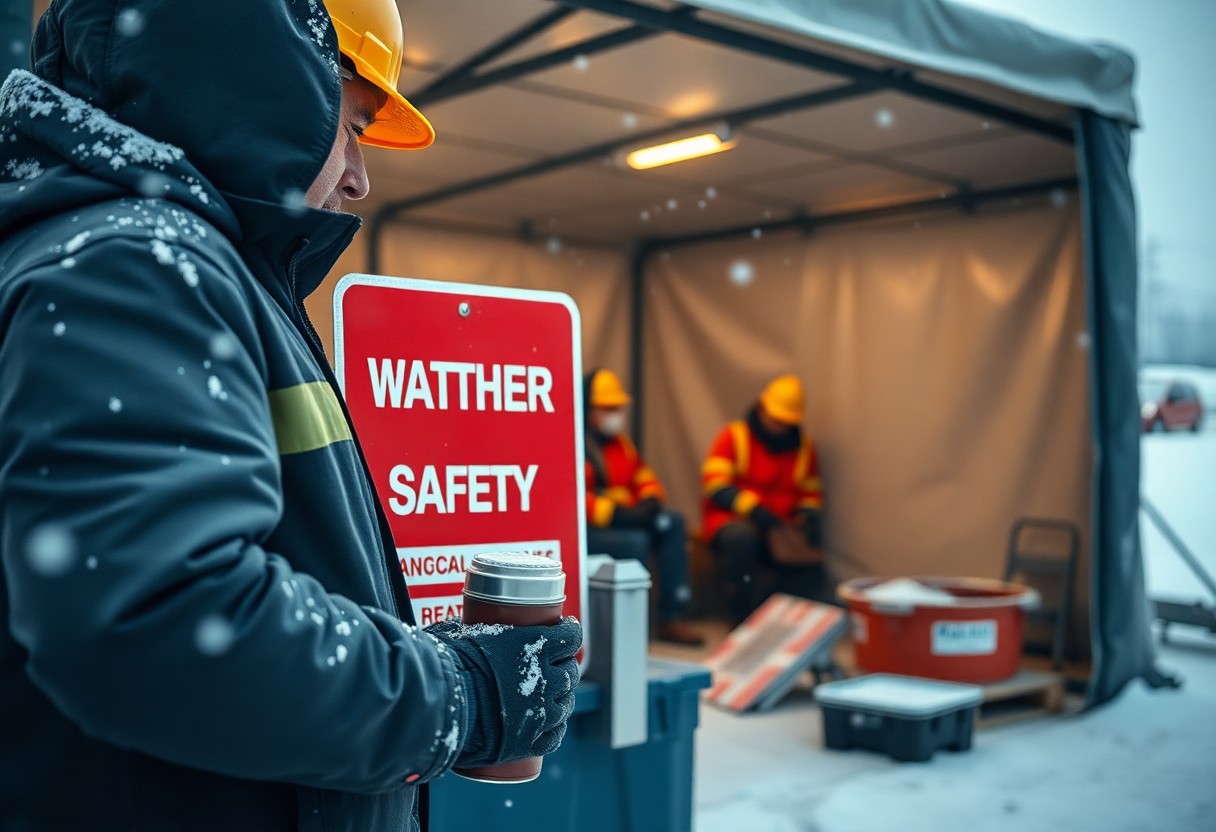
There’s a pressing need to prioritize your well-being during harsh winter conditions. Bundling up in appropriate clothing safeguards you against the biting cold, while taking regular breaks can prevent fatigue and reduce the risk of cold-related illnesses. Pay attention to your body’s signals and ensure you’re adequately protected to maintain both safety and comfort when facing frigid temperatures.
Key Takeaways:
- Dress in layers to retain body heat and protect against cold temperatures.
- Take regular breaks indoors to warm up and avoid prolonged exposure to the cold.
- Stay hydrated and be aware of the signs of cold-related illnesses, such as hypothermia and frostbite.
Understanding Cold Weather Hazards
Cold weather presents unique hazards that can affect your safety and health. Low temperatures, biting winds, and wet conditions can lead to various conditions, including hypothermia and frostbite. Awareness of these hazards is vital for anyone who works or spends extended periods outdoors. By understanding the risks, you can take proactive steps to protect yourself and ensure a safe experience in the cold.
Effects of Cold Weather on the Body
As temperatures drop, your body begins to lose heat more rapidly, which impacts your core temperature. Prolonged exposure can lead to decreased physical performance, impaired judgment, and slowed reaction times. This physiological response makes you more vulnerable to injuries and accidents, so it’s vital to dress appropriately and monitor your condition regularly.
Recognizing Symptoms of Hypothermia and Frostbite
Hypothermia and frostbite can develop quickly in cold weather. Hypothermia symptoms include intense shivering, confusion, drowsiness, and slurred speech, while frostbite often manifests as numbness or a tingling sensation in extremities, followed by skin changes like redness or a pale appearance. Early recognition of these symptoms is key to taking swift action.
Frostbite typically occurs in fingers, toes, and exposed facial areas, especially in temperatures below 32°F (0°C). If you notice any affected areas turning white or feeling hard and cold, this indicates severe tissue damage. Hypothermia may progress from mild shivering to a state of confusion and sluggishness. If you or someone else experiences these symptoms, seek warmth immediately and consider medical assistance promptly. The dangers increase with each passing minute, so swift action is vital for recovery.
Importance of Dressing Appropriately
Dressing appropriately for cold weather is imperative to maintain your body temperature and prevent hypothermia or frostbite. When you expose yourself to low temperatures without adequate protection, your body struggles to conserve heat, which can lead to severe health issues. Layering your clothing helps trap warm air, providing insulation while allowing moisture to escape. Choosing the right materials, such as wool or moisture-wicking fabrics, can significantly impact your comfort level and overall safety in cold conditions.
Layering Techniques for Optimal Warmth
Utilizing layering techniques effectively maximizes warmth and comfort. Start with a moisture-wicking base layer to keep sweat away from your skin. Follow this with an insulating layer, such as fleece or down, to trap body heat. Finally, a waterproof and windproof outer layer protects you from the elements. This approach not only keeps you warm but also allows you to add or remove layers as needed, adapting to changes in activity levels or temperatures.
Essential Cold Weather Gear and Accessories
Your cold weather gear should include insulated boots, gloves, hats, and scarves to shield vulnerable extremities. Invest in thermal socks to keep your feet warm and dry, as well as face masks to protect against biting winds. Don’t overlook quality; items labeled with temperature ratings or features designed for severe weather provide suitable protection while you work in harsh conditions.
Choosing the right cold weather gear can make a significant difference in your outdoor experience. Insulated boots should provide warmth and traction, imperative for icy surfaces, while gloves should ideally feature a waterproof outer layer to keep your hands dry. Often, a warm hat is what keeps heat from escaping your body, with earmuffs or a face mask adding extra protection for your face. Ensure your gear fits well; overly tight clothing can inhibit circulation, while loose items can let in cold air, diminishing insulation effectiveness. Equip yourself properly to stay safe and comfortable during winter activities.
The Role of Breaks in Cold Environments
Breaks play an necessary role in maintaining safety and well-being in cold environments. Acknowledging the effects of cold weather on your body, it’s vital to prioritize taking regular breaks to warm up. This can significantly reduce the risk of cold-related conditions such as frostbite and hypothermia. For more insights on maintaining safety during cold weather, check out these Cold-Weather Safety Tips & Topics [+ Checklist].
Importance of Regular Warm-up Breaks
Taking regular warm-up breaks is necessary for preserving your body heat and preventing fatigue. These breaks allow you to retreat to a warmer area, helping to regulate your body temperature. Short, frequent breaks can also boost your productivity, as working in frigid conditions can lead to decreased focus and efficiency.
Signs That It’s Time to Take a Break
You should always be vigilant for signs indicating it’s time for a break. Symptoms like shivering, numbness, or a tingling sensation in your extremities signal that your body is losing heat. Additionally, if you find yourself feeling unusually fatigued or unable to concentrate, it’s crucial to step away and warm up.
Pay attention to your body’s signals. Shivering is your first indicator that your temperature is dropping, while numbness or tingling can signify potential frostbite. If you experience confusion or extreme fatigue, it’s necessary to take action immediately. Ignoring these signs can escalate to serious conditions, compromising your safety and well-being.
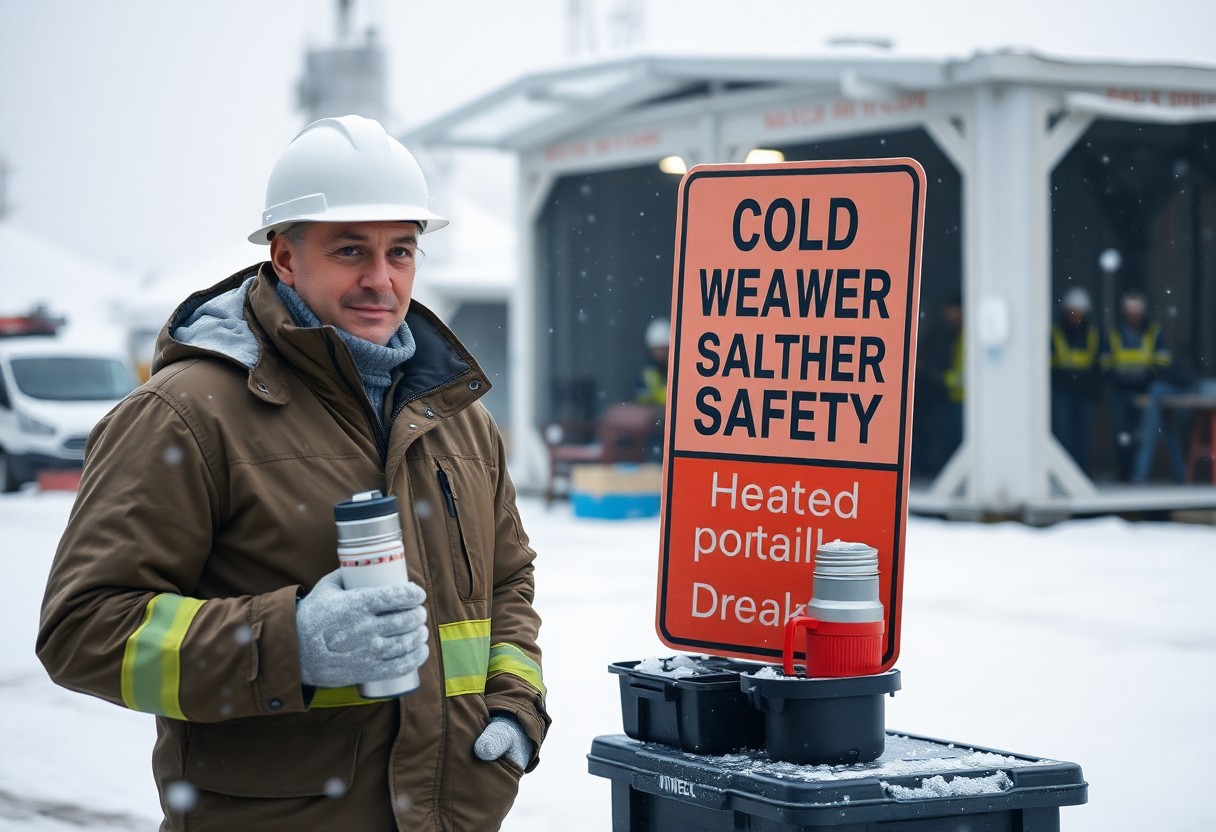
Work Environment Considerations
The cold weather can drastically alter the work environment, making it imperative to adapt accordingly. Ensure your job site is well-organized and equipped to handle low temperatures. Assess the physical conditions, such as wind chill and snow accumulation, and adjust your work plan to incorporate adequate shelter and heating options. Always communicate clearly with your team about safety protocols, including proper attire and hydration practices in colder climates.
Preparing Job Sites for Cold Weather
Before starting work in cold conditions, assess your job site for safety hazards. Clear snow and ice to prevent slips and falls, and ensure that walkways and work areas are accessible. Providing portable heaters or insulated shelters can enhance employee comfort and productivity. Establish a plan to monitor weather conditions throughout the day, as quick changes may require you to adapt your strategies promptly.
Utilizing Tools and Equipment Safely in Cold Conditions
When operating tools in cold weather, be aware that extreme temperatures can affect their performance. Lubricants may thicken, and batteries may lose charge more quickly. Always conduct pre-use inspections to ensure that machinery operates smoothly. Additionally, keep tools within a warm environment when not in use to avoid equipment failure and maintain optimal functioning.
It’s important to select the correct type of tools for cold weather. For example, use insulated handles on tools to prevent cold-related injuries to your hands. Additionally, ensure that power tools are maintained regularly, as cold temperatures can cause components to become brittle and prone to breakage. By staying proactive about equipment care, you minimize risks associated with tool failures, protecting not only your safety but also the efficiency of your work process.
Safety Training and Awareness
Enhancing safety through training and awareness is vital during cold weather. You can establish a comprehensive program that focuses on the hazards posed by low temperatures, ensuring that all employees understand the risks of freezing injuries, frostbite, and hypothermia. Regular drills and informational sessions can reinforce the importance of vigilance and preparedness. You must emphasize that recognizing symptoms early leads to effective intervention, significantly reducing the likelihood of cold-related incidents.
Educating Employees on Cold Weather Risks
To effectively combat cold weather hazards, you need to educate employees about potential risks. Use engaging workshops and interactive training sessions to inform them about frostbite, hypothermia, and other cold weather injuries. Real-life anecdotes and statistics can illustrate these dangers, making the training relatable and memorable. Ensuring that your team knows how to recognize the signs and symptoms of cold stress elevates overall workplace safety.
Implementing Safety Protocols
Implementing clear safety protocols is imperative for addressing cold weather challenges. You should develop procedures that dictate when and how to take breaks, appropriate clothing requirements, and buddy systems for outdoor tasks. For instance, consider scheduling regular check-ins for workers during frigid conditions, ensuring that they stay safe while completing their tasks. Establishing these protocols ensures that you create a safer work environment and minimize the potential for cold-related injuries.
Specific safety protocols might include mandatory breaks every hour for outdoor workers, allowing them to warm up indoors. Additionally, you should provide guidelines for clothing, recommending layers that retain warmth without causing overheating during physical activities. Utilize a buddy system to increase monitoring; when working outside, having a partner can allow for immediate assistance if someone shows signs of cold stress. Post visible reminders around the workplace about the importance of taking breaks can further bolster awareness among employees.
Resources for Cold Weather Safety
Equipping yourself with the right resources can significantly enhance your cold weather safety. Agencies like the National Weather Service provide timely alerts and weather updates. Local government websites often have winter safety tips tailored to your region. You can also benefit from community programs that focus on cold weather preparedness, ensuring you have access to important information when it matters most.
Recommended Apps and Tools
Utilizing technology can improve your cold weather safety. Apps like AccuWeather or The Weather Channel offer real-time updates about temperature changes, snow accumulation, and wind chill factors. Additionally, tools such as Frosty can alert you when temperatures drop to critical levels, helping you make informed decisions about outdoor activities.
Where to Find Further Information
To deepen your understanding of cold weather safety, explore resources from government and non-profit organizations. The Centers for Disease Control and Prevention (CDC) provide guides on hypothermia and frostbite, while the American Red Cross offers overarching winter preparedness resources. These platforms feature instructional videos, articles, and checklists that cater to various scenarios you may encounter.
To directly access reliable cold weather information, visit websites like the CDC’s emergency preparedness section or the American Red Cross’s winter safety page. Other valuable sources include local university extension offices, which often release region-specific guidelines. Remember to engage with your community, as local news outlets frequently report on winter safety precautions relevant to your area.
FAQ
Q: What are the key recommendations for staying safe in cold weather?
A: To stay safe in cold weather, it is important to dress in layers, wear insulated and waterproof clothing, and protect extremities such as hands, feet, and ears. Additionally, staying hydrated and limiting time spent outdoors during extreme conditions can help prevent cold-related illnesses.
Q: How often should breaks be taken when working in cold environments?
A: It is advisable to take breaks every hour, or more frequently if temperatures are extremely low or if wind chill is a factor. During breaks, find a warm location to rest and rewarm the body to reduce the risk of hypothermia and frostbite.
Q: What signs should I look for that indicate cold stress or injuries?
A: Signs of cold stress include shivering, numbness, fatigue, confusion, and a decrease in physical performance. In cases of frostbite, affected areas may appear pale, hard, or numb. If these symptoms occur, it is important to seek warmth and medical attention promptly.