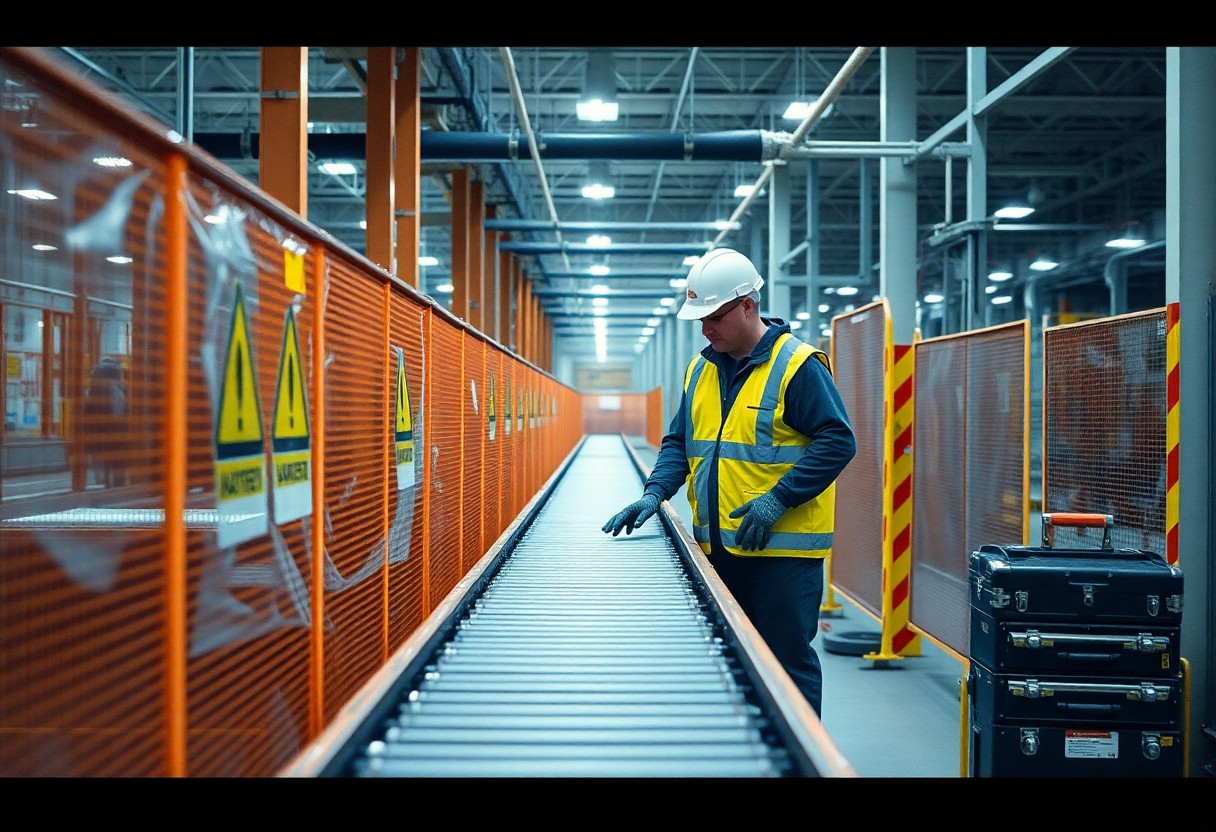
Many workers underestimate the risks associated with conveyor systems, leading to accidents that could be avoided. Understanding how to operate conveyors safely is necessary for your well-being and the safety of your colleagues. This post will guide you through common hazards, effective preventive measures, and best practices to ensure a secure work environment. Equip yourself with the knowledge to prevent injuries and maintain a safe workplace as you navigate the complexities of conveyor safety.
Key Takeaways:
- Implement proper training for all personnel working around conveyors to mitigate risks.
- Conduct regular inspections and maintenance on conveyors to ensure safety features are functional.
- Establish clear safety protocols, including lockout/tagout procedures, to prevent accidental starts and injuries.
Understanding Conveyor Systems
Conveyor systems play a vital role in industrial operations, streamlining material handling and enhancing productivity. These systems consist of various components, including belts, rollers, and motors, which work together to transport goods efficiently. Understanding how they function is vital for maintaining safety and operational efficiency. Familiarity with the mechanics of your specific conveyor allows you to identify potential hazards and implement safety measures effectively. Assume that taking the time to learn about these systems will improve not only your safety but also your efficiency on the job.
Types of Conveyors
- Roller conveyors: Used for heavy loads, offering high durability.
- Belt conveyors: Common in manufacturing, suitable for various materials.
- Chain conveyors: Ideal for transporting heavy products or pallets.
- Pneumatic conveyors: Utilize air pressure to move bulk materials safely.
- Magnetic conveyors: Best for metal materials, minimizing movement disruption.
| Type | Application |
| Roller conveyors | Heavy loads |
| Belt conveyors | Manufacturing |
| Chain conveyors | Pallet transportation |
| Pneumatic conveyors | Bulk material handling |
| Magnetic conveyors | Metal product transport |
Common Uses in Industry
Conveyors are integral in various industries, from manufacturing to logistics. They are widely used for transporting materials between different stages in production lines, ensuring the timely and efficient handling of goods. Applications range from moving small items, like packages in warehouses, to bulk materials like grain or coal in processing plants. Their ability to reduce manual handling not only speeds up production but also minimizes the risk of injuries associated with lifting. Assume that knowing these uses enhances your ability to work safely around evolving operational needs.
In the automotive industry, conveyors transport components through assembly lines, maintaining high efficiency and quality control. While in food processing, they assist in moving items to packaging stations, ensuring compliance with safety regulations. Warehouses benefit from belt conveyors that effortlessly sort packages during shipping, improving retrieval times. Furthermore, mining operations utilize heavy-duty conveyors to manage ore and coal transport. By understanding these applications, you will foster a safer workspace and enhance your contributions to operational success.
Identifying Hazards
To effectively prevent accidents involving conveyor systems, you must start by identifying potential hazards. This process involves assessing the entire conveyor setup, including environmental conditions, operational practices, and employee interactions with the machinery. Pay close attention to areas where materials may spill, pinch points, or where personnel might inadvertently come into contact with moving parts. A thorough hazard assessment can significantly reduce the risk of injury and enhance overall workplace safety.
Common Conveyor Risks
Common risks associated with conveyor systems include entrapment, falls, and struck-by injuries. Entrapment can occur when clothing or body parts are caught in moving components, while falls may happen due to inadequate access or insufficient guarding. Struck-by injuries can arise during the loading and unloading of materials or when machinery malfunctions. Recognizing these risks is the first step toward effective mitigation strategies.
Employee Safety Concerns
Your employees may have several safety concerns related to conveyor systems, such as the potential for injuries from moving parts and the lack of emergency stop mechanisms. These worries can lead to anxiety about operating or working near conveyors, which can decrease productivity and morale. Addressing these concerns through safety improvements and training can foster a safer work environment.
Providing adequate training and resources to address these concerns is vital. Develop safety protocols and ensure employees have easy access to emergency stop mechanisms and safety guards. Conduct regular safety meetings to encourage open dialogue about hazards and concerns. Engaging employees in safety discussions not only enhances their awareness but also promotes a culture of safety where everyone feels responsible for their well-being and that of their colleagues.
Safety Protocols
Implementing effective safety protocols is imperative for minimizing risks associated with conveyor systems. These protocols should encompass comprehensive training, routine inspections, and clear communication channels to ensure everyone understands their responsibilities. Engaging employees in safety discussions can also reinforce the importance of vigilance around conveyors.
Personal Protective Equipment (PPE)
Your use of personal protective equipment (PPE) is vital when working near conveyors. Hard hats, steel-toed boots, and gloves provide imperative protection against falling objects and potential pinch points. Eye protection, such as goggles, should be mandatory to safeguard against debris during operation.
Operational Safety Procedures
Establishing operational safety procedures helps mitigate hazards during conveyor operation. Procedures should include maintaining a safe distance from moving parts, using lockout/tagout systems during maintenance, and adhering to signage that highlights potential risks. Regular drills and training refreshers ensure everyone remains aware of safe practices.
Operational safety procedures should also detail the correct way to report safety incidents or near-misses. By encouraging reporting, you contribute to the continuous improvement of safety measures. For example, some facilities have implemented a “safety champion” program, where employees take the initiative to assess risks and suggest enhancements. Regularly reviewing and updating these procedures based on feedback helps maintain a proactive safety culture, fostering an environment where every team member is responsible for upholding safety standards.
Emergency Response
In the event of a conveyor-related incident, a swift and organized emergency response is vital for minimizing injury and property damage. Your facility should have clear protocols in place, including immediate access to first aid supplies and emergency contact numbers. Regular training sessions on emergency procedures will ensure that all employees know how to respond appropriately, reducing panic and promoting safety. For a comprehensive overview of hazards, review The Top 8 Hazards Associated With Conveyors.
Procedures for Injuries
When an injury occurs, prioritizing the affected individual’s well-being is paramount. You should first stop the conveyor and assess the situation. If the injury is serious, call emergency services immediately. Administer first aid as required, and do not attempt to move the injured person unless there is a risk of further harm. Document all details of the incident, as thorough records are vital for any follow-up investigations and preventative measures.
Reporting Incidents
Reporting incidents promptly and accurately is vital for understanding potential hazards and preventing future occurrences. You must notify your supervisor or designated safety officer immediately after an incident, providing all relevant details. Each incident report should include the time, location, nature of the incident, and any witnesses. Ensure that you follow your company’s specific reporting procedures to maintain compliance and improve safety protocols.
The incident reporting process not only facilitates immediate responses but also contributes to a culture of safety within your organization. By analyzing reported incidents, you can identify trends, uncover root causes, and implement targeted interventions effectively. Encouraging open communication about incidents fosters a proactive approach to safety. Engaging employees in discussions about their experiences leads to valuable insights that can be utilized to enhance safety measures, potentially reducing the number of future incidents.
Training and Education
Ensuring that all employees understand the risks associated with conveyor systems is imperative for maintaining a safe workplace. Training and education initiatives should focus on both operational procedures and safety practices to help you and your team recognize potential hazards. Regularly scheduled sessions and refreshers empower your workforce to make informed decisions, which is imperative for reducing incidents and accidents.
Importance of Training
Training plays a vital role in establishing a safety culture. By actively engaging in training, you develop a deeper understanding of the machinery, which in turn, enhances your ability to identify unsafe conditions. In fact, organizations that invest in comprehensive training programs often see a significant decrease in workplace injuries, with some companies reporting reductions of up to 50% in accidents related to machinery.
Training Programs and Resources
Various training programs and resources are available to enhance your knowledge of conveyor safety. Industry organizations, regulatory agencies, and equipment manufacturers often provide tailored materials designed to meet safety standards. These resources can include online courses, hands-on workshops, and comprehensive manuals, enabling you to stay informed about the latest safety practices and compliance requirements.
Many organizations offer specific training modules focusing on conveyor systems, such as OSHA guidelines and lockout/tagout procedures. For example, the Conveyor Equipment Manufacturers Association (CEMA) provides training seminars that cover best practices, while agencies like OSHA offer free online courses focusing on general safety standards in the industry. These platforms provide invaluable insights and empower you to enhance your workplace knowledge, ultimately promoting a safer environment for you and your colleagues.
Maintenance and Inspection
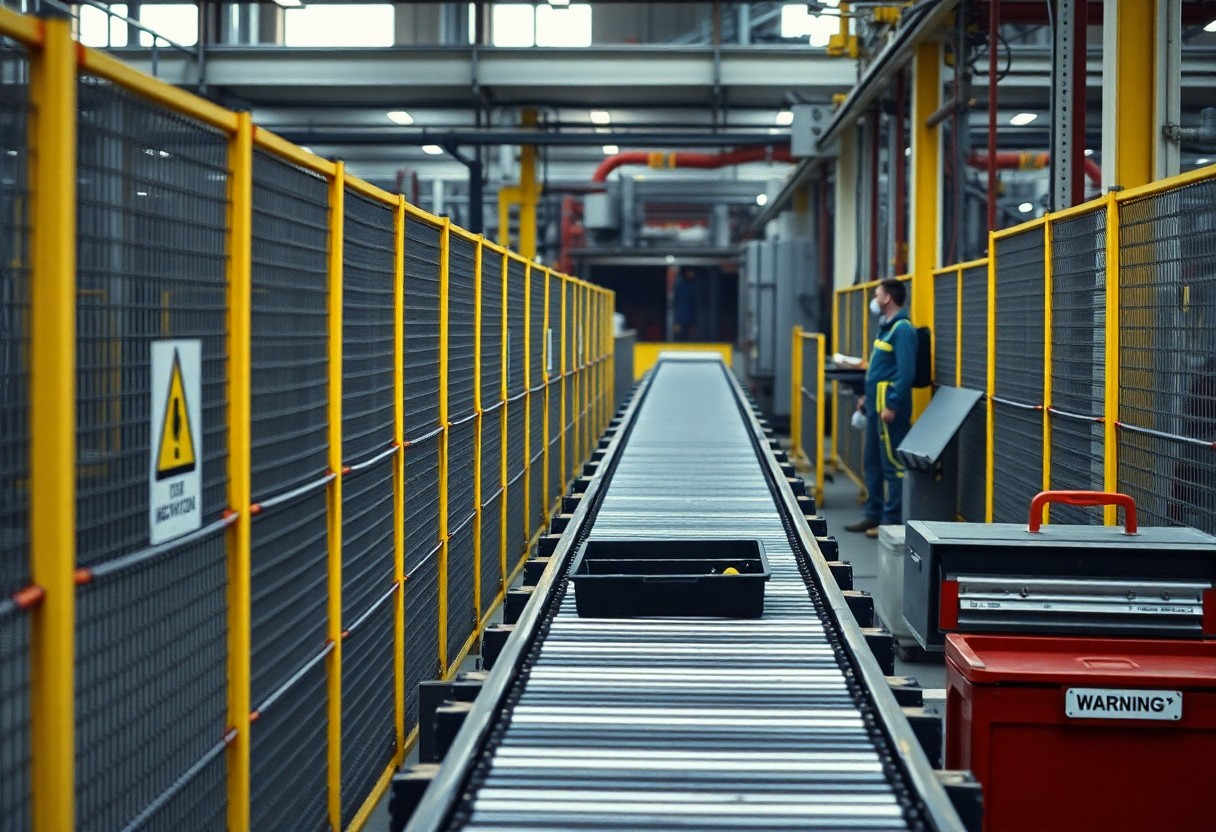
Regular maintenance and thorough inspections are fundamental to ensuring conveyor safety and operational efficiency. Implementing a routine maintenance schedule helps identify wear and tear, reduces downtime, and extends the lifespan of your conveyor systems. Always prioritize servicing components such as belts, rollers, and drive systems to keep your equipment running smoothly and safely.
Regular Maintenance Practices
Engage in regular maintenance practices, including lubricating moving parts and tightening loose bolts to prevent malfunctions. Establish a checklist for parts that require frequent attention, and conduct these checks at specified intervals—daily, weekly, or monthly—as stated in your operating manuals. Consistent upkeep prevents larger issues and promotes a safer working environment.
Importance of Inspections
Conducting regular inspections is vital in maintaining safe conveyor operations. By systematically checking for misalignments, unusual wear, and other potential hazards, you can prevent accidents before they occur. It is recommended to perform a detailed inspection at least monthly, while daily walkarounds can help catch minor issues before they escalate.
Inspections serve as a proactive measure to identify risks and ensure compliance with industry standards. For instance, checking for improper belt tracking can mitigate the danger of entanglement, while inspecting emergency stop controls ensures they function properly. Companies that embrace a culture of regular inspections often see a significant reduction in workplace incidents. Documentation of these inspections can also provide evidence of due diligence, protecting you from liability in cases of safety audits or incidents.
To wrap up
Hence, ensuring conveyor safety is necessary for protecting yourself and your coworkers from accidents. Always maintain a safe distance from moving parts and follow established safety protocols. Regularly inspect equipment and report any issues immediately. By staying vigilant and informed about safe practices, you can significantly reduce the risk of getting caught in hazardous situations. Take responsibility for your own safety and that of others in the workplace.
FAQ
Q: What are the main hazards associated with conveyor systems?
A: The primary hazards include entanglement, crushing, falling objects, and noise exposure. Employees can be caught in the conveyor or get injured from materials falling off.
Q: What safety measures should be implemented when using conveyor systems?
A: Install proper guarding around moving parts, ensure emergency stop controls are accessible, and provide training on safe operating procedures. Regular maintenance checks are also crucial.
Q: How can employees protect themselves while working near conveyors?
A: Employees should wear appropriate personal protective equipment (PPE), stay alert to their surroundings, avoid wearing loose clothing, and follow lockout/tagout procedures during maintenance.