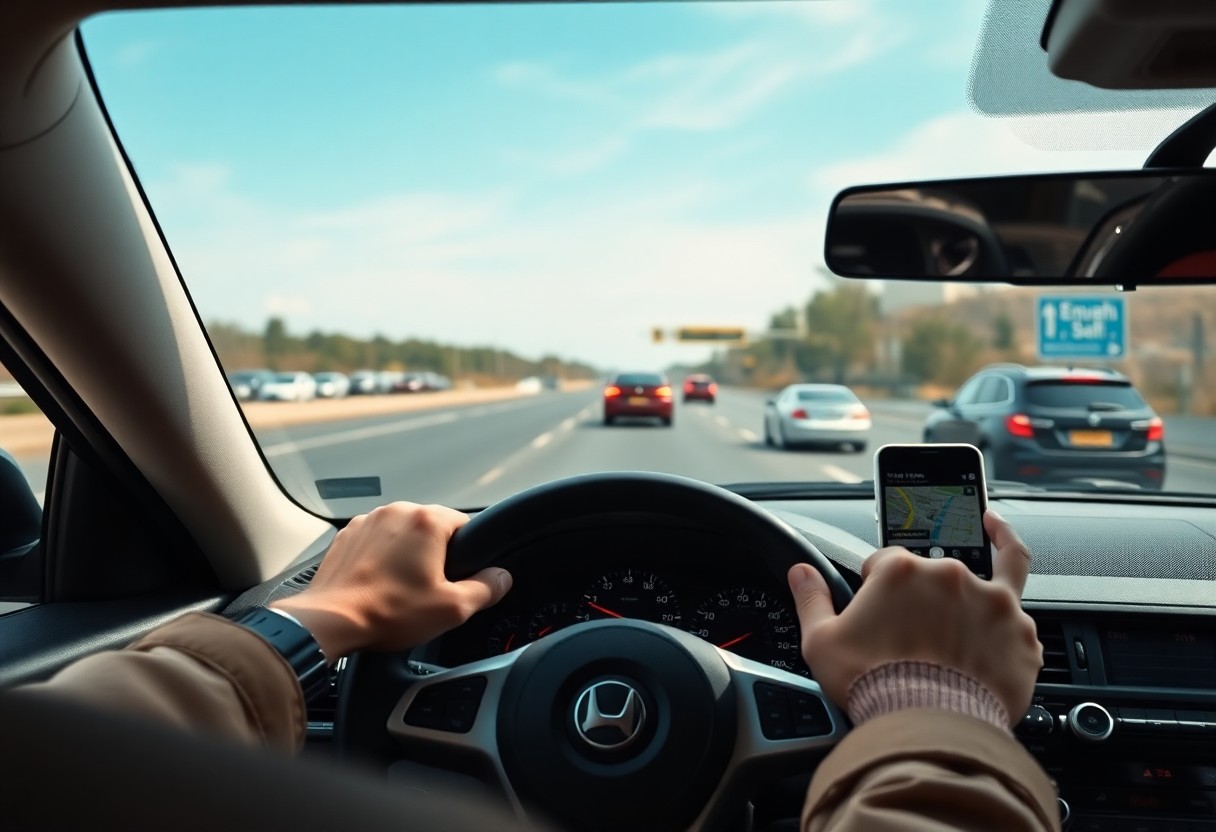
Over your driving career, you may face aggressive drivers; using defensive techniques ensures you avoid confrontations, reduce collision risk, and protect your life and others. You should keep distance, manage speed, use signals early, and prioritize escape routes so you can maintain control and stay calm while de-escalating tense situations.

Key Takeaways:
- Keep emotions under control: avoid eye contact and gestures, don’t engage, and create distance to de‑escalate aggressive drivers.
- Drive defensively: maintain safe following distance, scan for hazards, signal early, and avoid sudden maneuvers that may provoke others.
- If confronted, prioritize safety: lock doors, drive to a public or well‑lit area, call authorities if threatened, and report violent or reckless behavior.
Understanding Road Rage
Aggressive driving often escalates from minor acts-honking, tailgating, abrupt lane changes-into dangerous behaviors like intentional blocking or physical confrontation; when you notice sustained eye contact, repeated horn blasts, or a driver matching your speed, treat them as a serious, immediate threat and give space to avoid escalation.
Definition and Causes
Road rage describes deliberate hostile driving-yelling, obscene gestures, brake‑checking, or even assaults-typically triggered by stressors such as traffic congestion, running late, alcohol, or perceived disrespect; when you rush during peak commute hours or react to being cut off, you increase the chance that small frustration turns into aggressive action.
Statistics and Impact
Surveys show about 80% of drivers report experiencing anger on the road, and roughly 5-10% admit to physical confrontations; aggressive driving is linked to a substantial share of collision injuries and deaths, so when you engage or retaliate you markedly raise crash risk for yourself and others.
Further data indicate younger male drivers are overrepresented in incidents: drivers aged 18-34 account for a disproportionate share, with spikes on weekends and evenings; insurers report increases in claims tied to aggressive behavior, and case studies frequently show a single minor conflict-like a lane merge-escalating into vandalism or assault within minutes, underscoring why you must de‑escalate or disengage immediately.
Principles of Defensive Driving
You consistently maintain a safe margin by scanning 12-15 seconds ahead, leaving a 3-4 second following distance under normal conditions and increasing it in rain or heavy traffic. You expect other drivers to make mistakes, check mirrors every 5-8 seconds, and signal at least 3 seconds before maneuvers. At 60 mph your total stopping distance can exceed 240 feet, so planning lane changes and exits early reduces conflict and road‑rage triggers.
Key Defensive Driving Techniques
You keep your eyes moving: scan intersections, mirrors, and blind spots every 5-8 seconds, and signal early. Maintain 3-4 seconds following distance-extend to 6+ seconds in wet or icy conditions. When someone tailgates, drop back or change lanes instead of reacting. Use the two‑second rule as a baseline and increase spacing with speed; at 70 mph braking distances grow significantly, so smooth inputs prevent sudden moves that spark aggression.
The Importance of Awareness
You watch for behavioral cues-rapid lane changes, sustained horn use, flashing headlights, or close following-and treat those as red flags. Scan 12-15 seconds ahead to spot brake lights, merging traffic, and obstacles so you can adjust gradually. Awareness reduces surprise braking and gives you options to de‑escalate by creating distance, signaling intentions, or taking an alternate route.
For example, at 55 mph you cover roughly 242 feet in 3 seconds, so a two‑second glance away still lets you travel about 160 feet without seeing changes ahead. Scanning 12-15 seconds ahead (roughly 900-1,200 feet at typical highway speeds) helps you detect brake lights or erratic drivers in time to avoid emergency maneuvers. If a vehicle closes to under 2 seconds behind you, don’t speed up-slow gradually, change lanes when safe, or pull off; those actions lower collision risk and defuse potential road rage.
Strategies to Avoid Road Rage
Adopt practical habits that lower the chance of escalation: maintain a 3‑second following distance, plan an extra 5-10 minutes to reduce impatience, and use your signals early. When another driver behaves aggressively, avoid eye contact and gestures, create space by changing lanes or slowing safely, and if you feel threatened, call 911 rather than confronting the driver.
Managing Personal Emotions
You can defuse mounting anger with quick, proven techniques: practice box breathing (inhale 4, hold 4, exhale 4, hold 4), count to 10, or play calming audio to reset your focus. If stress persists, pull over safely or take the next exit to regroup; getting out of the traffic environment for just a few minutes reduces heart rate and cognitive bias toward retaliation.
Recognizing Provocative Behaviors
Watch for clear triggers-tailgating, repeated horn blasts, abrupt lane cuts, brake‑checking, or obscene gestures-and treat them as warning signs. About 78% of drivers report witnessing aggressive driving, so you’ll often be the witness rather than the instigator; when you spot these behaviors, prioritize creating distance and documenting the vehicle description if needed.
Respond to specific provocations with concrete actions: if someone tailgates, gradually increase following distance and change lanes when safe; if cut off, avoid retaliatory braking or gestures and note the plate number from a safe position. Should a driver block you or attempt to force you to stop, lock doors, call 911, and drive to a public, well‑lit area; do not exit your vehicle to confront them, since police reports commonly show that roadside confrontations escalate rapidly.
Communication and Road Etiquette
When you signal intent clearly and stay predictable, you cut conflict: use your turn signal at least 100 feet before a turn and leave a 3-second gap to allow merges. Keep gestures minimal and nonconfrontational, flash hazards for stopped vehicles, and avoid horn blasts except to warn. For practical de‑escalation tactics and data-backed tips, review 9 Ways to Avoid Road Rage.
Non-Verbal Communication on the Road
You communicate continuously without words: steady lane position signals intent, a brief tap on brakes warns following drivers, and a polite wave can defuse tension during merges. At highway speeds, keep a 3-4 second following buffer so your brake lights transmit clear stopping intent. Avoid aggressive hand gestures or prolonged horn use-those actions often escalate encounters and increase collision risk.
Proper Use of Signaling
You must signal every lane change and turn, even when a lane appears empty; signaling late or not at all surprises others. Aim to signal at least 3-4 seconds before a lane change and about 100 feet before turns in urban settings. Consistent, early signaling reduces abrupt maneuvers and gives drivers time to adjust speed or lane position.
When traffic is heavy, signal earlier-on a freeway at 60 mph, signaling 3-4 seconds equates to roughly 250-300 feet of notice. Cancel your signal promptly after the maneuver to avoid confusing following drivers, and if your turn signals fail, use hand signals or hazard lights to maintain clear communication and lower the chance of escalation.
Handling Aggressive Drivers
When an aggressive driver behaves unpredictably, protect yourself by increasing space and avoiding confrontation: move to the right lane, use your 3-4 second following distance, and scan ahead 12-15 seconds for safe escape routes. If someone tailgates, flashes lights, or makes threatening gestures, slow gradually and let them pass; if they persist, drive to a populated area or a well-lit business. Keep doors locked and avoid making eye contact to reduce escalation.
Tips for Responding Calmly
Keep control of your emotions by taking slow breaths, turning down music, and using clear, early signals so your intentions are predictable. Use defensive moves-change lanes safely, increase following gaps, and avoid gestures or honking that could inflame the situation. After you’ve created distance and reached a safe location, decide whether to report the incident with details.
- Keep distance – move over or slow to increase space
- Avoid eye contact – do not respond to gestures
- Do not engage – refuse to retaliate or block
- Document – note plate, make/model, direction
- Use public areas – head for a busy, well-lit place
When to Seek Help
If a driver follows you, makes threats, displays a weapon, or forces you off course, prioritize contacting authorities: call 911, drive to a public location, and avoid stopping at your residence. If possible, record license plate, vehicle description, and direction of travel while keeping a safe distance and staying on main roads.
For more context, if the aggressor tails you for over two minutes, repeatedly attempts to block your path, or attempts to force you to stop, treat the situation as escalating and get law enforcement involved immediately; dashcam or phone video and a written log of times and locations greatly increase the likelihood of a successful report and prosecution.
The Role of Education and Training
Education and training give you practical tools to defuse anger and avoid collisions: most defensive driving programs run 4-8 hours, teach hazard anticipation, controlled braking and verbal/nonverbal de‑escalation, and often qualify you for 5-10% insurance discounts or ticket dismissal in many jurisdictions; by practicing techniques like safe gap management and calm communication you reduce exposure to road rage, tailgating, and unnecessary confrontations.
Defensive Driving Courses
Many courses mix classroom, on‑road drills and simulators so you rehearse responses to sudden merges, brake failure and aggressive drivers; you’ll learn legal duties, safe following distances, and verbal tactics to defuse situations, with state‑approved options (4-8 hours) that both lower premiums and provide ticket mitigation-use courses with scenario-based exercises and measurable skill checkpoints to track your progress.
Community Awareness Programs
Public campaigns and partnerships with police, schools and employers amplify safe driving norms by combining signage, social media, workshops and enforcement stings; programs like Vision Zero and local “drive calm” initiatives focus on behavior change, reaching commuters, teen drivers and fleet operators with targeted messages to reduce incidents of aggressive driving.
When you engage with community programs, expect a mix of metrics and interventions: employers often pair policy, classroom refreshers and telematics to cut risky events-industry reports cite reductions up to 30% in harsh braking/acceleration-while municipalities track complaint volumes, citation trends and crash rates to tweak messaging and enforcement for measurable, community‑level impact.
Summing up
With this in mind, you must keep a steady focus on safe choices so you can prevent incidents and defuse potential road rage: anticipate others’ actions, maintain ample following distance, signal early, avoid retaliatory behavior, and pull over or contact authorities if threats escalate; these practices protect your safety and set the tone for responsible road-sharing.
FAQ
Q: What commonly triggers road rage and how does defensive driving prevent escalation?
A: Road rage is often provoked by actions like being cut off, tailgating, excessive honking, slow drivers in the fast lane, running late, or personal stress and substance impairment. Defensive driving prevents escalation by shifting focus from retaliation to safety: anticipate other drivers’ mistakes, maintain a generous following distance, signal early, yield space rather than challenge, and choose routes or departure times that reduce congestion. Use calm, steady inputs (smooth braking and lane changes) and non-confrontational body language to lower the chance of conflict; if tensions rise, create distance and exit the situation safely.
Q: What specific defensive driving techniques reduce the likelihood of encountering road rage?
A: Key techniques include maintaining a space cushion (two to three seconds in good conditions, more in poor conditions), continuous scanning of mirrors and intersections, anticipating hazards before they become problems, and avoiding sudden lane changes or aggressive maneuvers. Signal intentions early, match speed to flow without blocking lanes, check blind spots, and reduce distractions (phone, eating, excessive conversation). Manage fatigue and stress with scheduled breaks, keep your vehicle well-maintained, and adopt a cooperative mindset-being predictable and courteous lowers the chance another driver becomes hostile.
Q: What should I do if another driver becomes aggressive or confrontational?
A: Stay calm, avoid eye contact and retaliation, and do not exit your vehicle. Give the aggressive driver room by slowing or changing lanes safely, lock doors and keep windows up if you feel threatened, and drive to a public, well-lit area or a police station rather than your home. If the situation escalates or you are threatened, call emergency services, note the vehicle description and license plate, record time and location, and preserve any dashcam or phone video. Report the incident to your employer or insurance provider as required and obtain a police report and witness information to support any follow-up.