
With the rise of technology in our daily lives, distracted driving has become a significant threat to your safety on the road. Engaging in activities like texting, scrolling through social media, or even adjusting the radio can divert your attention and increase the risk of an accident. By prioritizing focused driving and minimizing distractions, you not only protect yourself but also contribute to the safety of everyone sharing the road. Stay alert, stay safe, and keep your eyes on the journey ahead.
Key Takeaways:
- Stay focused on driving by avoiding use of mobile devices and other distractions.
- Always use hands-free technology if phone usage is necessary while driving.
- Educate passengers about the importance of minimizing distractions during travel.
Understanding Distracted Driving
Distracted driving is a critical risk factor on the road, significantly increasing the chances of accidents. It occurs when drivers divert their attention from the primary task of driving to focus on other activities. This lapse in concentration can lead to fatal consequences for the driver, passengers, and others sharing the road.
Definition of Distracted Driving
Distracted driving refers to any activity that diverts attention away from driving, making it inherently dangerous. This could include using a phone, adjusting the radio, or even engaging with passengers. The focus you give to these distractions can severely impair your ability to react to road conditions or hazards.
Types of Distractions
There are three main categories of distractions: visual, manual, and cognitive. Visual distractions draw your eyes away from the road, manual distractions take your hands off the wheel, and cognitive distractions affect your mental focus. Understanding these types can help you take preventive measures while driving.
| Type | Description |
| Visual | Anything that distracts your eyes from the road. |
| Manual | Actions that involve taking your hands off the steering wheel. |
| Cognitive | Thoughts that distract your mind from driving. |
| Combined | Activities that involve multiple types of distractions. |
| Technology | Devices that can cause distractions while driving. |
Visual distractions include activities such as checking your GPS or looking at your phone screen. Manual distractions occur when you decide to adjust the radio or eat while driving. Cognitive distractions engage your mind, like having a deep conversation with a passenger. Each type can significantly impair your driving effectiveness. Recognizing these distractions is vital in reducing risks while on the road.
- Visual distractions
- Manual distractions
- Cognitive distractions
- Technology use
- Driving behavior
| Distraction Type | Example |
| Visual | Looking at a text message |
| Manual | Reaching for an item on the passenger seat |
| Cognitive | Thinking about other tasks |
| Multitasking | Talking to passengers |
| Devices | Using a navigation app |
The Impact of Distracted Driving
Distracted driving poses severe risks that affect not just the driver but everyone on the road. When your attention is diverted, even briefly, your reaction time diminishes, increasing the likelihood of collisions. Your ability to make split-second decisions is impeded, which can lead to devastating accidents, injuries, and fatalities. Understanding the repercussions of distracted driving can motivate you to prioritize safety while behind the wheel.
Statistics and Consequences
Distracted driving is responsible for approximately 9 fatalities and 1,000 injuries every day in the U.S. According to the National Highway Traffic Safety Administration, 391,000 injuries occurred in crashes involving texting while driving in a single year. The economic cost of these accidents exceeds $129 billion annually. These statistics highlight the critical need for vigilance and focus on the road.
Personal Stories and Case Studies
Real-life experiences emphasize the destruction that distracted driving can cause. Many personal accounts detail the loss of loved ones or life-altering injuries due to simple distractions. A mother lost her son to a crash caused by a texting driver, illustrating that just a moment’s inattention can lead to irreversible circumstances. These stories highlight the human cost of diverting attention from the road.
- Case Study 1: A 21-year-old texting driver collided with a stopped vehicle, resulting in a fatality and multiple injuries on the scene.
- Case Study 2: In a survey, 78% of drivers admitted to using mobile devices while driving, leading to a marked increase in accidents.
- Case Study 3: A strong correlation exists between social media use and a rise in distracted driving cases, resulting in 35% more crashes in affected demographics.
- Case Study 4: Statistics show a 300% increase in injury cases involving distracted driving among teen drivers over a decade.
Through these narratives and data points, the visceral realities of distracted driving become evident. With the growing prevalence of smartphones and other distractions, you must stay vigilant. Each account serves as a reminder of why maintaining focus on the road is non-negotiable. The tragic outcomes of these incidents emphasize your responsibility to drive attentively and discourage distractions that can change lives forever.
- Case Study 1: A driver involved in a fatal accident caused by texting received a 10-year prison sentence.
- Case Study 2: In a report, 25% of all crashes were attributed to driver distraction.
- Case Study 3: Rear-end collisions due to distracted driving rose by 15% in urban areas.
- Case Study 4: A family shared their story of loss due to distracted driving, leading to legislative changes in their state.
Identifying Common Distractions
To effectively combat distracted driving, it’s crucial to identify common distractions that can divert your attention away from the road. These distractions come in various forms, including Distracted Driving | NDDOT – Traffic Safety: Vision Zero activities that impair your focus, such as mobile devices, passengers, and in-vehicle tasks. Each type of distraction can heighten the risk of accidents, making awareness vital.
Mobile Devices
Mobile devices are a leading cause of distraction while driving. Texting, scrolling through social media, or even browsing your contacts takes away valuable seconds that could prevent an accident. In fact, using a cell phone while driving increases the likelihood of crash involvement by 23 times, making it one of the deadliest distractions.
Passengers and In-Vehicle Activities
Passengers and activities within your vehicle can also lead to distractions that compromise your focus. Engaging in conversations, especially heated ones, can divert your attention from the road. Additionally, tasks such as adjusting the radio or dealing with children can significantly impair your driving performance.
In-vehicle distractions extend beyond just conversations. When there are multiple passengers, their interactions can become a source of noise and activity that pulls your focus away from driving. Activities like reaching for items in the backseat or trying to manage children can lead to reduced reaction times and increased vulnerability to accidents. Prioritizing your driving duties over in-vehicle distractions is imperative to ensure safety on the road.
Strategies to Avoid Distractions
To ensure a safe driving experience, implementing effective strategies to avoid distractions is vital. You can take proactive steps to minimize potential interruptions and keep your focus on the road. By organizing your environment and being mindful of your habits, you can significantly reduce the chances of a dangerous driving situation.
Pre-Driving Preparations
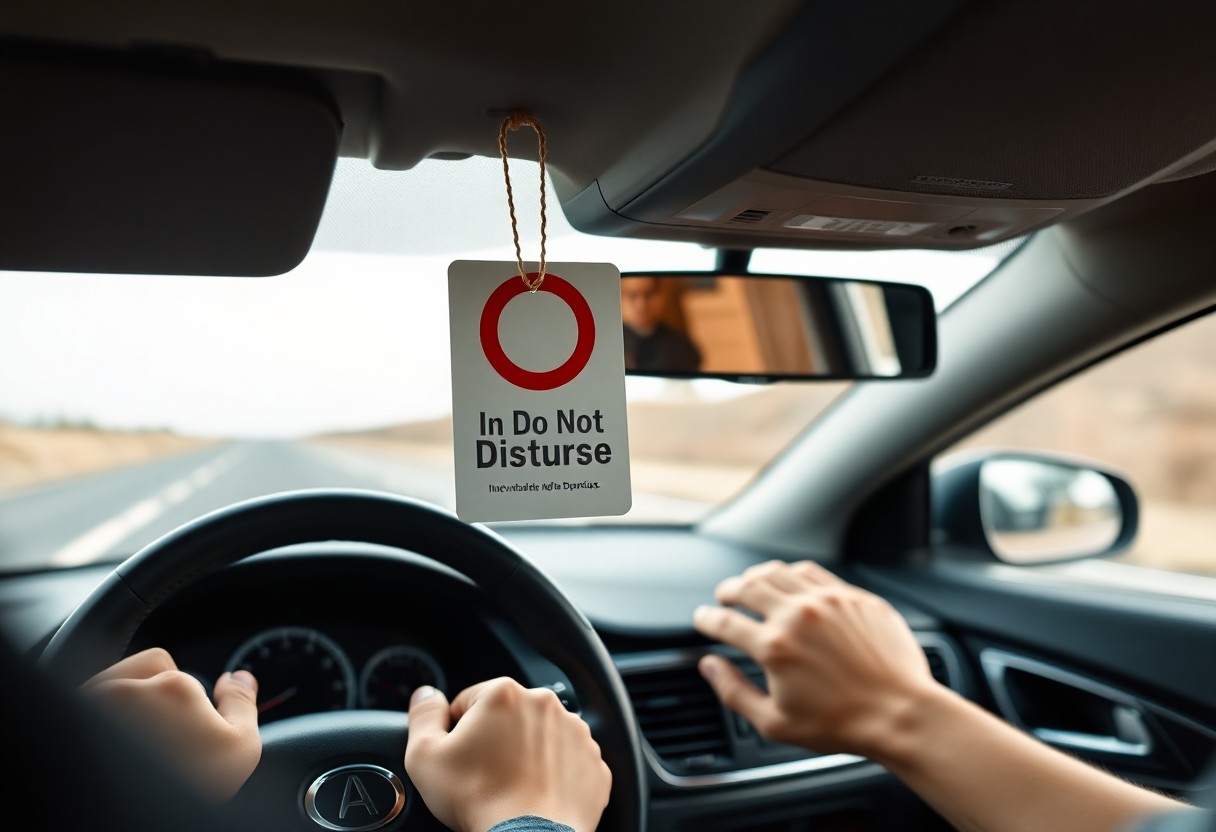
Before you start your journey, take time to set up your vehicle for a distraction-free ride. Adjust your mirrors, chosen your music, and set a GPS route before driving. Ensure your phone is placed out of reach and utilize ‘Do Not Disturb’ modes to minimize incoming notifications. These simple pre-driving preparations help establish an environment conducive to concentration.
Techniques for Staying Focused
Employing techniques for staying focused while driving can dramatically enhance your road safety. Utilize methods such as employing deep breathing to maintain calmness or using mindfulness practices to keep your mind present. Additionally, consider driving with the radio off occasionally to minimize noise distractions and tune into your surroundings.
Staying focused also benefits from engaging with your environment. Actively scanning the road ahead and checking mirrors can keep your mind alert. Shift your focus by anticipating the actions of other drivers or potential hazards, which fosters a more proactive mindset. Creating a mental checklist of your surroundings ensures you’re prepared for sudden changes, making you a safer driver overall.
Legal Implications
Understanding the legal implications of distracted driving is necessary for every driver. Laws are increasingly stringent as the dangers of distracted driving become more evident. Failing to adhere to these laws can result in significant penalties and long-lasting consequences for you and other road users.
Laws Surrounding Distracted Driving
Many states have enacted laws specifically targeting distracted driving, which often include bans on handheld mobile device use while operating a vehicle. In some areas, even talking on a phone without a hands-free device can result in violations. This legislation aims to reduce accidents linked to distractions.
Penalties and Enforcement
Penalties for distracted driving can vary widely by state and may include hefty fines, points on your driving record, and even license suspension. Enforcement typically involves law enforcement officers monitoring for distracted behaviors such as texting or using a phone while driving.
In some jurisdictions, fines can reach over $200 for first-time offenders, with repeat violations potentially resulting in steeper penalties. Additionally, acquiring points on your record can lead to higher insurance premiums and may affect your ability to secure or maintain your driver’s license. Officers often utilize technology, such as dash cameras, to enforce these laws effectively. This heightened enforcement underscores the importance of staying focused while driving, as authorities are increasingly vigilant about distracted driving behaviors.
Promoting Safe Driving Practices
Adopting safe driving practices is crucial for reducing accidents and promoting road safety. By prioritizing a few key habits, such as obeying speed limits, using seat belts, and maintaining a safe following distance, you can significantly decrease the risks on the road. Furthermore, implementing regular vehicle maintenance checks ensures your car remains in optimal condition, decreasing the likelihood of mechanical failures that could lead to accidents.
Educating Others
Sharing knowledge about safe driving techniques with family and friends can extend the impact of your commitment to road safety. By engaging in discussions about the dangers of distracted driving and demonstrating proper driving behaviors, you contribute to a safer driving environment for everyone. Consider organizing informal classes or group discussions where safe driving practices can be shared and learned collectively.
Creating a Culture of Safety
Fostering a culture of safety within your community involves promoting awareness and personal responsibility in driving behavior. Encourage open dialogue about the risks associated with distracted driving, and support initiatives that hold individuals accountable for their actions on the road. By establishing trust and prioritizing safety, you positively influence your peers and contribute to a collective responsibility that extends beyond your immediate circle.
Creating a culture of safety empowers individuals to make informed choices while driving. When you advocate for safe practices, you not only promote responsible behaviors but also reinforce their importance within your community. Utilize social media platforms or local events to share statistics about accidents caused by distracted driving. Implement initiatives like carpooling to reduce distractions, or host workshops highlighting the dangers of using phones while driving. Collectively, these actions build a community where the focus on safety becomes second nature, ultimately reducing incidents on the road.
Summing up
Taking this into account, your commitment to avoiding distractions while driving can significantly enhance your safety and that of others on the road. Be vigilant about setting aside your phone, limiting passenger interactions, and staying focused on your surroundings. By implementing these practices, you actively contribute to a safer driving environment. Prioritize your attention and make responsible choices behind the wheel to protect yourself and those around you.
FAQ
Q: What is distracted driving?
A: Distracted driving refers to any activity that diverts attention from driving, such as texting, using a phone, eating, or adjusting the radio. It increases the risk of accidents significantly.
Q: What are some common distractions while driving?
A: Common distractions include mobile phone usage, conversations with passengers, using in-car navigation systems, or eating and drinking while driving. Each of these can impair focus and reaction time.
Q: How can drivers minimize distractions while on the road?
A: Drivers can minimize distractions by silence or stowing their phones, setting GPS routes in advance, limiting passenger conversations, and avoiding eating or drinking while driving. Prioritizing focus on the road is imperative for safety.