
There’s a significant risk when you choose to drive without adequate rest, as drowsy driving can impair your reaction times and decision-making abilities. You may think you can push through the fatigue, but fatigue reduces your ability to stay alert, leading to serious accidents. Getting enough sleep not only enhances your safety but also improves your overall driving performance. Prioritize rest before getting behind the wheel to protect yourself and those around you.
Key Takeaways:
- Drowsy driving significantly increases the risk of accidents.
- Prioritize getting sufficient sleep before operating a vehicle.
- Recognize the signs of fatigue and take breaks as needed.
Understanding Drowsy Driving
Understanding drowsy driving is vital for ensuring your safety on the road. This term refers to operating a vehicle while experiencing sleepiness or fatigue, which can significantly impair your reaction time, judgment, and awareness. When you drive drowsy, you are not fully alert, making it challenging to respond quickly to unexpected situations.
Definition of Drowsy Driving
Drowsy driving is defined as the act of driving while feeling excessively sleepy or fatigued, often due to a lack of adequate sleep. This state can lead to decreased focus and slowed reactions, much like driving under the influence of alcohol.
Statistics and Impact
Drowsy driving is more prevalent than you might think. According to the National Highway Traffic Safety Administration, it accounts for approximately 100,000 crashes annually in the United States alone. These incidents result in thousands of injuries and fatalities, emphasizing the significant risk posed by drowsy drivers on the roadway.
In fact, studies indicate that driving after being awake for 18 hours can impair your ability similarly to having a blood alcohol concentration of 0.05%. Alarmingly, nearly 50% of adults admit to driving while drowsy, highlighting its prevalence as a serious road safety issue. The impact is clear: drowsy driving not only puts your life at risk but also endangers passengers and other road users, underscoring the critical need for awareness and preventive measures.
Causes of Drowsy Driving
Drowsy driving stems from various factors that can compromise your alertness behind the wheel. Common issues include sleep deprivation, which reduces cognitive function, and disruptions in your natural body rhythms, known as circadian rhythms, that can increase your susceptibility to fatigue. Understanding these causes is vital for preventing drowsy driving and enhancing your overall safety on the road.
Sleep Deprivation
Sleep deprivation occurs when you fail to get adequate rest, leading to decreased focus and slower reaction times. Even missing just one or two hours of sleep can significantly impair your driving abilities, making you more prone to accidents. Prioritizing quality sleep is important for maintaining alertness during your journeys.
Circadian Rhythms
Circadian rhythms are the natural cycles that regulate your sleep-wake patterns, typically following a 24-hour cycle. These rhythms can be disrupted by factors such as shift work, travel across time zones, or irregular sleep schedules, leading to periods of increased drowsiness. During the night, especially between midnight and 6 a.m. and early afternoon hours, your body naturally experiences dips in alertness, which can heighten the risk of drowsy driving.
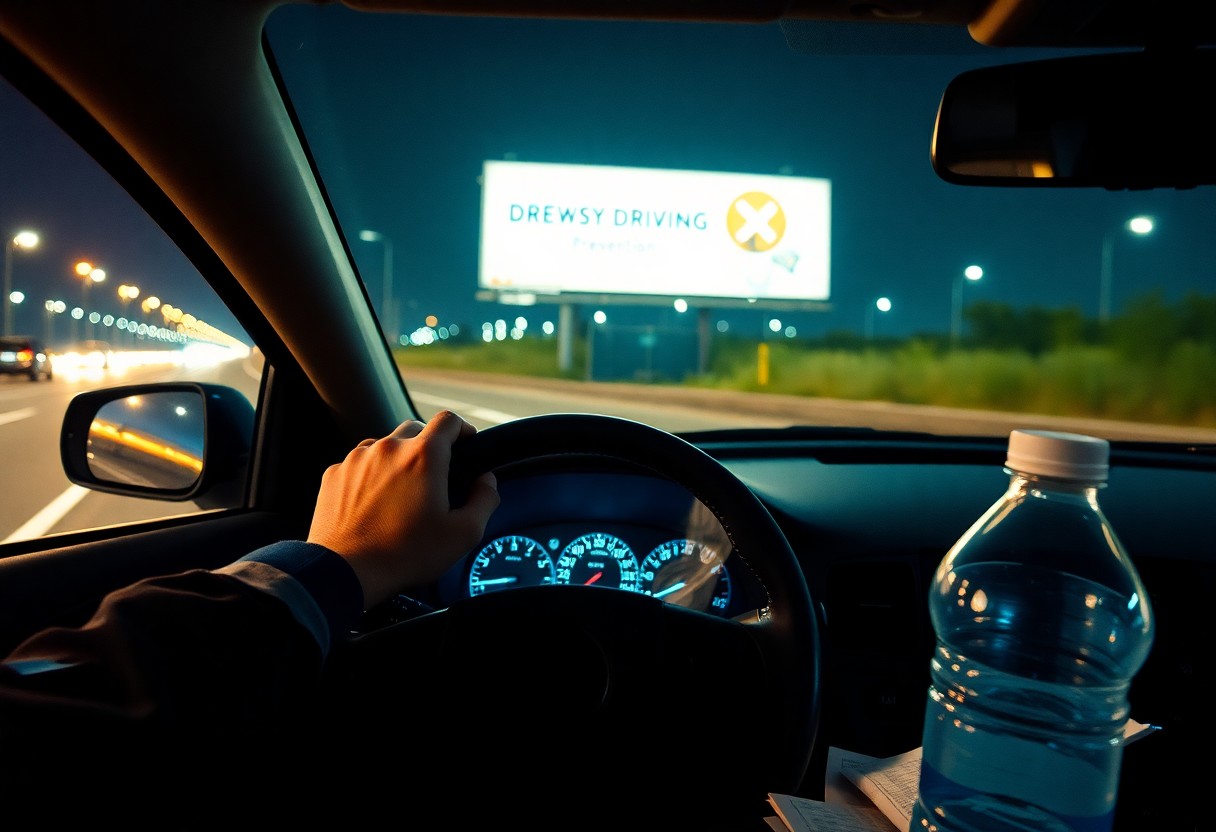
Signs and Symptoms of Drowsiness
You may not always recognize when you’re becoming drowsy while driving. Understanding the signs and symptoms can be a lifesaver. Frequent yawning, difficulty concentrating, and feeling restless are common indicators that your body needs rest. Additionally, microsleeps, which are brief moments of sleep that last only a few seconds, can occur without your awareness, significantly impairing your driving abilities. Monitoring these signs can help you decide when it’s time to pull over and take a break.
Physical Indicators
Physical symptoms of drowsiness can manifest as heavy eyelids, blurred vision, and dry mouth. If you find yourself rubbing your eyes frequently or leaning your head against the window, these are strong signs that you need to rest. You might also experience a quickened heart rate or feel unusually sluggish. Ignoring these physical indicators can lead to a dangerous situation on the road, so it’s important to be aware of how your body feels during long drives.
Behavioral Cues
Your behavior will often reveal your level of alertness. Exhibiting lapses in attention, such as drifting out of your lane, frequently tailgating, or misjudging traffic signals, indicates increasing drowsiness. You might also find yourself engaging in excessive speeding or having trouble recalling the last few miles you’ve driven. These cues point to diminishing responsiveness and can escalate into serious accidents if not addressed promptly.
Monitoring your driving habits is pivotal. For example, if you catch yourself repeatedly jerking awake after dozing off, it’s time to take immediate action. Your reaction times can slow significantly when you’re drowsy, often longer than being legally intoxicated. Studies show that drowsy driving can be as dangerous as driving under the influence, thereby emphasizing the importance of recognizing these behavioral cues before they lead to a critical incident. Stay vigilant to ensure your safety and the safety of others on the road.
Prevention Strategies
Taking proactive measures can greatly reduce the risk of drowsy driving. By implementing effective prevention strategies, you ensure safer journeys and protect yourself and others on the road.
Prioritizing Sleep
Quality sleep is non-negotiable when it comes to safe driving. Aim for seven to nine hours of sleep per night to recharge your body. Establishing a consistent sleep schedule can enhance your alertness and cognitive function, making it easier to stay awake and focused while driving.
Taking Breaks During Long Drives
During long drives, it’s vital to take breaks at regular intervals. Stopping every two hours or every 100 miles allows your body to recharge and helps to maintain concentration. Stand up, stretch, and hydrate during these breaks to combat fatigue effectively.
Incorporating breaks into your driving schedule is not just a suggestion; it’s a necessity. Studies show that taking a break can enhance your reaction time and improve overall driving performance. Use these moments to grab a quick snack, move around, and rejuvenate your body and mind, particularly if you’re driving long distances. This practice can significantly diminish the chances of falling asleep at the wheel and keeps your reflexes sharp for the road ahead.
Legal Implications
Consequences of Drowsy Driving
Drowsy driving can lead to severe legal repercussions, including liability for accidents, fines, and even criminal charges. If you cause a collision due to drowsiness, you may face civil lawsuits from injured parties, leading to significant financial burdens. Moreover, insurers often consider drowsy driving a form of negligence, affecting your policy and premiums.
Laws and Regulations
Many states have established specific laws concerning drowsy driving. While not all areas explicitly penalize drowsy driving, officers can still charge you with reckless or negligent driving if drowsiness is determined to be a factor in an accident.
In certain jurisdictions, drowsy driving is treated similarly to driving under the influence of alcohol. For instance, some states have adopted regulations that require drivers to adhere to specific guidelines if they have not had a minimum amount of rest before operating their vehicles. Various campaigns also emphasize the importance of sleep, increasing awareness and pushing for stiffer penalties aimed at reducing drowsy driving incidents. The challenge lies in proving drowsiness, as unlike alcohol, there’s no clear measurement, illustrating the need for diligence and adherence to sleep guidelines to protect not just yourself, but also others on the road.
Resources for Help
To combat drowsy driving, various resources are available to support you in staying safe on the road. You can access helpful information on preventive measures and the hazards of drowsy driving through resources like Motor Vehicle Safety – Drowsy Driving. These resources not only provide guidelines for safe driving practices but also emphasize the importance of rest before you set out.
Support Groups
Connecting with support groups can be beneficial if you’re struggling with sleep issues or drowsiness that affects your driving. These groups provide a platform for individuals to share experiences, tips, and coping strategies to improve your sleep hygiene and overall well-being. Engaging with others facing similar challenges can empower you to take action towards healthier habits.
Educational Materials
Various educational materials are available to increase awareness and understanding of drowsy driving. Access brochures, videos, and online courses that explain the importance of sleep hygiene and safe driving practices. These resources often highlight statistics indicating that roughly 20% of fatal crashes involve drowsy drivers, underscoring the need for you to be informed and proactive.
Many organizations, including the National Highway Traffic Safety Administration (NHTSA), offer comprehensive guides and tips focusing on sleep health and safe driving behaviors. By utilizing these materials, you can learn about the impacts of sleep deprivation on driving performance and develop strategies to prioritize rest. This knowledge empowers you to make informed decisions and reduce the risk of drowsy driving incidents.
Final Words
On the whole, prioritizing rest before getting behind the wheel is necessary for your safety and the safety of others on the road. Drowsy driving significantly impairs your reaction time and judgment, increasing the risk of accidents. You must recognize the signs of fatigue and make it a habit to assess your alertness before driving. By ensuring you are well-rested, you not only protect yourself but also contribute to safer roadways. Make adequate rest a non-negotiable part of your driving routine.
FAQ
Q: What are the common signs of drowsy driving?
A: Common signs of drowsy driving include difficulty focusing, heavy eyelids, frequent yawning, drifting out of the lane, and difficulty remembering the last few miles driven.
Q: How many hours of sleep are recommended before driving?
A: It is recommended to get at least 7 hours of sleep before driving. This helps ensure alertness and reduces the risk of drowsy driving.
Q: What should I do if I feel drowsy while driving?
A: If you feel drowsy while driving, pull over to a safe location as soon as possible and take a short nap, or switch drivers if you’re traveling with someone else. If possible, wait until you feel fully alert before continuing to drive.