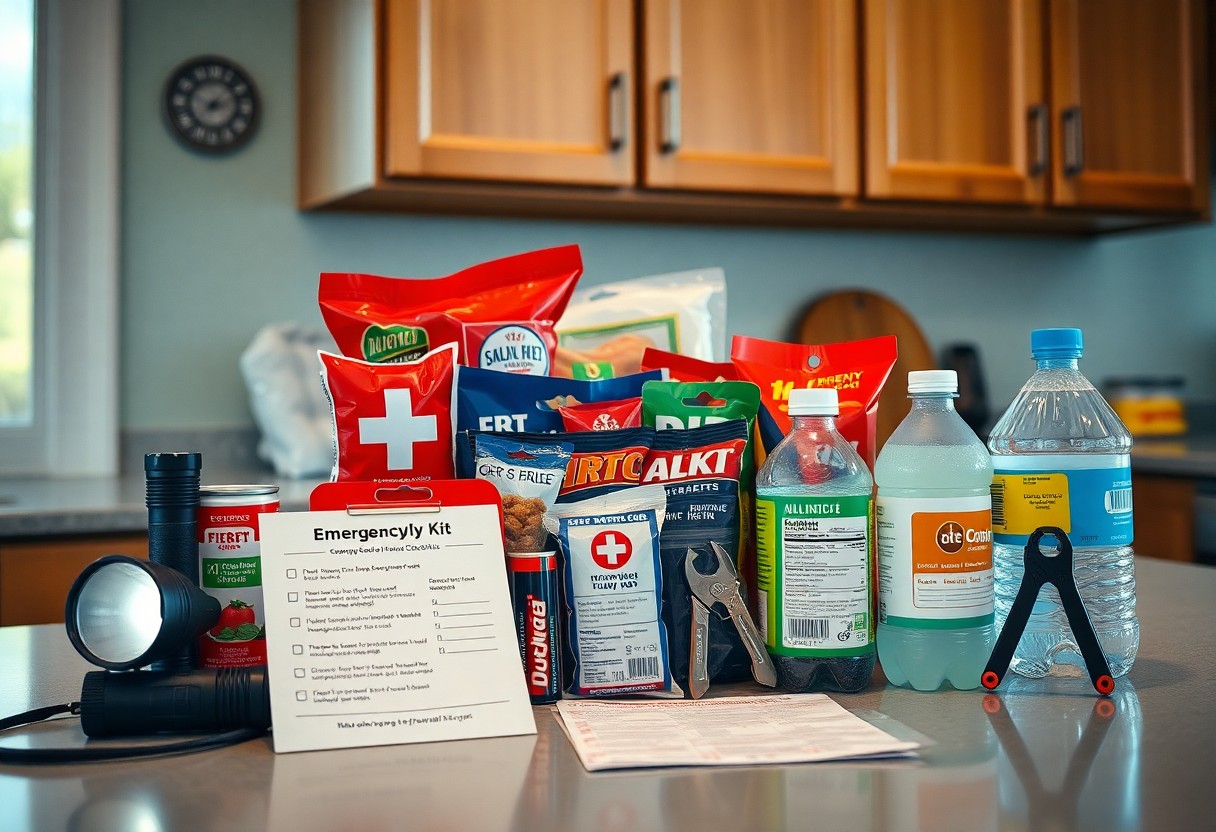
There’s no telling when an emergency might strike, making it vital for you to have a comprehensive home emergency kit ready to go. This kit can be the difference between chaos and safety during unexpected situations such as natural disasters, power outages, or medical emergencies. By equipping yourself with vital supplies, you enhance your safety and that of your loved ones. Ensure you include items like food, water, first-aid supplies, and important documents to navigate through any crisis effectively.
Key Takeaways:
- Include necessary items such as water, non-perishable food, and first aid supplies in your home emergency kit.
- Regularly check and update the kit to ensure all items are within their expiration dates and in good condition.
- Establish a family emergency plan, including communication methods and meeting locations.
Importance of a Home Emergency Kit
Having a home emergency kit is necessary for your safety and peace of mind. When emergencies occur—be it natural disasters, power outages, or medical situations—access to key supplies can significantly impact your ability to respond effectively. A well-stocked kit ensures that you have the resources needed to remain self-sufficient during crises, minimizing stress and enhancing your preparedness.
Understanding Emergencies
Emergencies can take many forms, from sudden natural disasters like earthquakes and hurricanes to personal situations such as fires or medical issues. Recognizing the different types of emergencies that may affect you allows for better planning and resource allocation. Each situation demands specific supplies, highlighting the need for a tailored approach to your emergency planning.
Benefits of Preparedness
Preparedness can dramatically improve your response during an emergency. By equipping yourself with a home emergency kit, you enhance your ability to handle unforeseen events effectively. Research shows that individuals who are prepared experience less stress, can make better decisions, and maintain a sense of normalcy even in chaotic situations. With a solid plan in place, you can ensure the safety of yourself and your loved ones.
For example, during Hurricane Katrina, many residents without adequate supplies faced dire challenges. Conversely, those who had prepared emergency kits were able to manage immediate needs, such as food, water, and medical assistance, during the evacuation process. This highlights that being prepared not only saves time but can also be lifesaving, fostering a sense of security that is invaluable in an unstable environment.
Essential Items for Your Home Emergency Kit
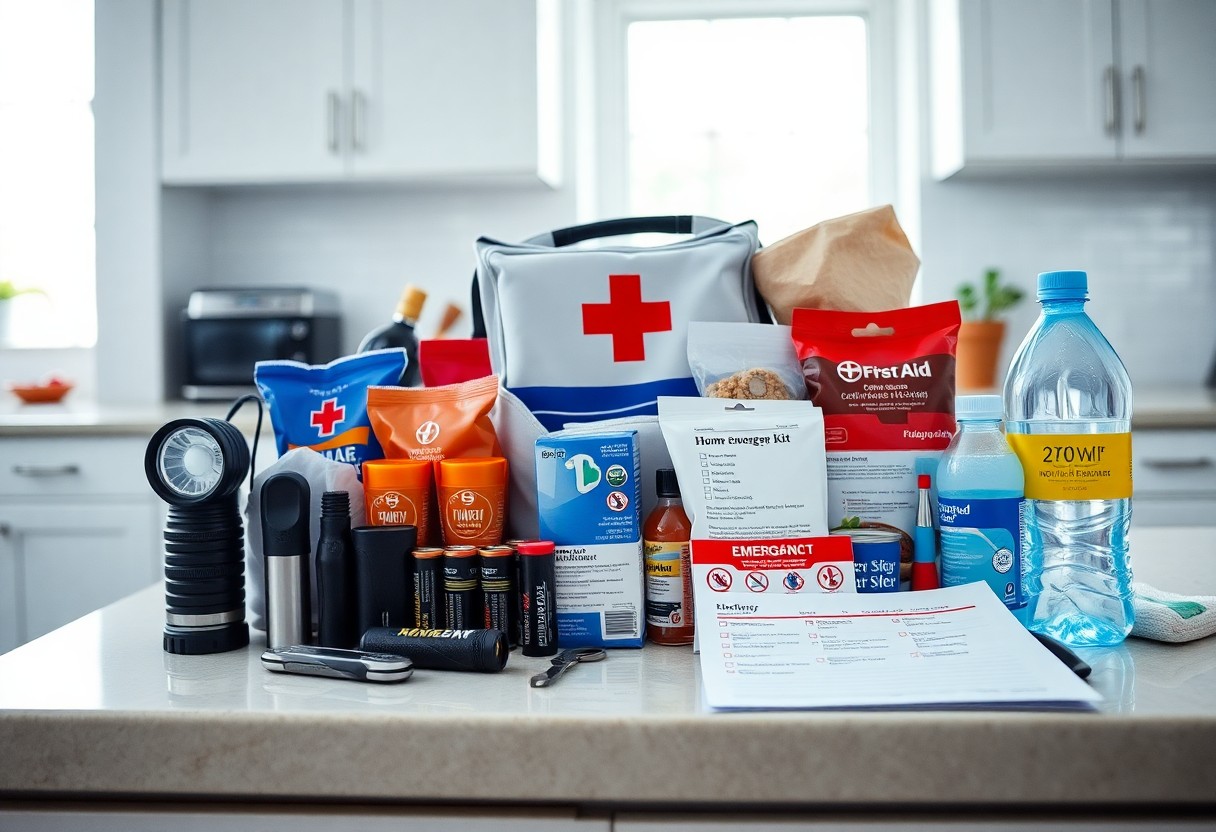
Your home emergency kit should include a variety of items to address immediate needs during a crisis. Focus on supplies that can sustain you and your family for at least 72 hours. Key components encompass non-perishable food, clean water, first aid importants, and tools for navigation and utility. Keeping your kit organized and easily accessible maximizes preparedness in unexpected situations.
Food and Water Supplies
Your emergency supplies should include at least one gallon of water per person per day for three days, along with a selection of non-perishable, high-calorie foods such as energy bars, canned goods, and dehydrated meals. Aim for a balance of nutrition while prioritizing items with long shelf lives. Always check expiration dates to maintain viability.
First Aid and Medical Needs
A well-stocked first aid kit is important, containing bandages, antiseptics, pain relievers, and any personal medications you or family members need. Tailor your kit to include items specific to your family’s health requirements, ensuring that you can address minor injuries and manage chronic conditions effectively during emergencies.
In a typical first aid kit, include a variety of bandages, sterile gauze pads, adhesive tape, antiseptic wipes, and scissors. A thermometer can help you monitor your health, while over-the-counter pain relievers like ibuprofen or acetaminophen provide relief during stressful moments. Store any prescription medications in waterproof containers, and consider adding a list of any allergies or medical conditions for quick reference.
Tools and Supplies
Essential tools in your emergency kit should include a multi-tool, flashlight with extra batteries, manual can opener, and a whistle. These items not only assist in basic survival tasks but also help you signal for help if needed. Invest in quality gear that ensures reliability when you need it most.
Your toolkit can significantly enhance your survival capability. A reliable multi-tool can perform a variety of functions, from opening cans to making small repairs, while a flashlight ensures visibility in darkness. Include duct tape for quick fixes and a sturdy rope or paracord for multiple uses, such as securing shelter or hauling supplies when necessary.
Customizing Your Kit
Tailoring your emergency kit to fit your family’s unique needs can significantly enhance its effectiveness. Assess your household’s specific requirements, including any medical conditions, dietary restrictions, and the number of individuals residing together. Keep in mind that the more personalized your kit is, the better prepared you will be for a range of unexpected situations.
Family-Specific Considerations
Consider your family’s unique needs, including any infants, elderly members, or individuals with disabilities. Including items such as baby formula, medications, and accessible tools will make your kit more comprehensive. It’s necessary to ensure each household member has personal necessarys—this fosters independence and reduces panic during emergencies.
Pet Emergency Supplies
Your pets are part of the family and require thoughtful preparation too. Include food, water, medications, and identification tags in your emergency kit. You’ll also want to have a leash, a pet carrier, and any comfort items your pets might need during stressful situations.
Start by stocking at least a week’s worth of pet food and bottled water, as well as a manual for pet first aid. Consider investing in a pet emergency kit that contains basic supplies like a muzzle and a blanket for warmth. You could also include items like toys, which can help reduce stress for pets during chaotic situations. Preparing for your furry friends ensures that you can keep them safe, calm, and well-cared-for in times of need.
Maintenance of Your Emergency Kit
To ensure your emergency kit remains effective, regular maintenance is imperative. A well-maintained kit allows you to respond swiftly in emergencies, minimizing risk and maximizing safety. Take time to review and refresh your kit periodically, ensuring everything is functional and ready to use when needed.
Regular Check-ups
Schedule regular check-ups of your emergency kit every six months. This routine allows you to assess the condition of items, check for accessibility, and ensure that your kit aligns with any changing needs or family circumstances.
Replacing Expired Items
As time passes, some supplies in your emergency kit will expire or become ineffective. Be proactive about replacing these items, as using outdated materials can hinder your response in an emergency. Check expiration dates on medications, food supplies, and other perishable goods to ensure your kit is ready when needed.
For instance, medications and first-aid supplies often have specific shelf lives. A common over-the-counter pain reliever may expire in 1-3 years, while certain emergency foods can last up to five years. By keeping track of expiration dates and replacing items accordingly, you maintain an effective kit. Utilize a checklist to log expiration dates, facilitating easier future assessments and ensuring you’re never caught without imperative supplies.
Additional Resources and Support
To effectively prepare for emergencies, tap into additional resources and support that can enhance your readiness. Various organizations, both local and national, provide valuable information, training, and materials to ensure you and your family know how to respond effectively during a crisis.
Local Emergency Services
Your local emergency services are invaluable resources when preparing for emergencies. Familiarize yourself with their contact information and the specific services they offer, such as fire departments, police, and emergency medical services. Many provide community engagement programs, offering workshops or training sessions to help you better understand emergency response protocols.
Community Preparedness Programs
Many communities implement preparedness programs that equip you with crucial skills to handle emergencies. These initiatives often include workshops on first aid, evacuation procedures, and disaster response planning, helping you to create a robust safety plan tailored to your unique local risks.
Community preparedness programs also encourage participation in drills and simulations, fostering a culture of readiness among residents. For example, during a recent disaster preparedness event, over 200 community members trained on emergency response strategies, resulting in heightened awareness and an improved response rate in actual emergencies. By actively engaging in these programs, you can cultivate teamwork and resilience in your neighborhood, enabling everyone to contribute to overall safety and preparedness.
Educating Your Family on Emergency Preparedness
To effectively equip your family for potential emergencies, education is key. Utilize resources like How to Prepare for the Unexpected Disaster to discuss scenarios and strategies. Ensure every family member understands their role during an emergency, including evacuation routes and communication plans.
Creating a Family Emergency Plan
Developing a comprehensive family emergency plan ensures everyone knows the steps to take during a crisis. Assess your household’s specific needs, including medical considerations and pet care. Designate a safe meeting point and establish communication methods to stay connected if separated.
Conducting Emergency Drills
Regularly conducting emergency drills reinforces your family’s preparedness and familiarity with your emergency plan. Schedule drills at least twice a year, simulating various scenarios such as fire evacuations or natural disasters. This practice helps everyone respond swiftly and confidently, reducing panic and confusion during an actual event.
During drills, encourage each family member to actively participate by practicing their designated roles, such as calling emergency services or gathering emergency supplies. Consider turning drills into a family activity by timing your exit or discussing what went well and what could improve. This engagement not only builds skills but also strengthens your family’s bond and ability to face unexpected situations together.
Final Words
Ultimately, assembling a home emergency kit equips you to face unexpected situations with confidence. By including necessary supplies such as water, non-perishable food, first aid items, and important documents, you ensure your household is prepared for emergencies. Regularly checking and updating your kit keeps it relevant and effective. Your proactive approach can make a significant difference in ensuring your family’s safety during unforeseen events, allowing you to respond promptly and effectively when it matters most.
FAQ
Q: What items should be included in a home emergency kit?
A: A comprehensive home emergency kit should include water (one gallon per person per day for at least three days), non-perishable food items, a flashlight, batteries, a first aid kit, a multi-tool, a whistle, personal documents, medications, sanitation supplies, and a battery-powered or hand-crank radio.
Q: How often should I check and update my home emergency kit?
A: It is recommended to check your home emergency kit every six months to ensure that all items are in good condition, food and water supplies are still safe, and any medications have not expired. Replace any outdated items as needed.
Q: Where is the best place to store my home emergency kit?
A: Store your home emergency kit in an easily accessible location, such as a closet near the main entrance or under the stairs. Ensure that everyone in your household knows its location, and avoid storing it in areas prone to flooding or extreme temperatures.