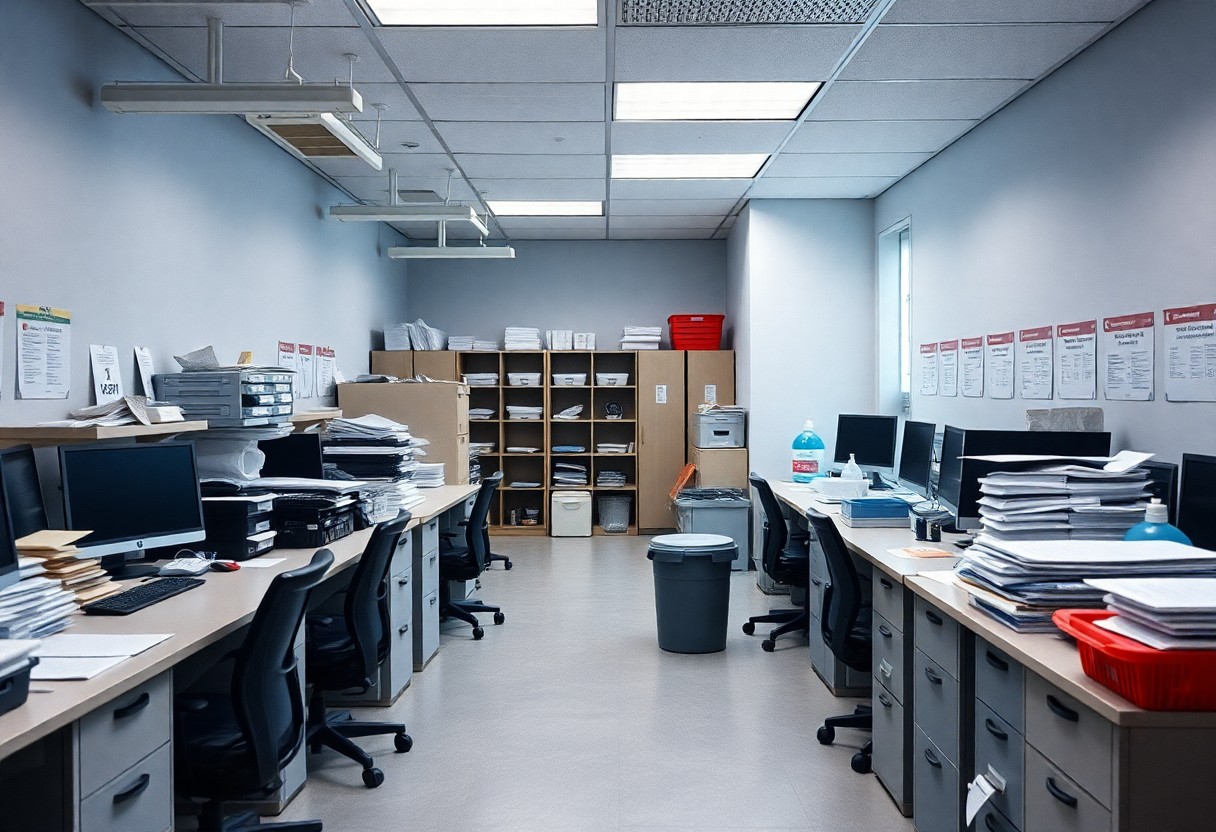
With effective housekeeping practices, you can significantly reduce workplace hazards and enhance safety. A clean environment not only promotes efficiency but also minimizes risks such as slips, trips, and falls. By prioritizing organization and cleanliness, you take an imperative step towards protecting yourself and your coworkers. Regular maintenance and prompt cleanup of spills and debris will help create a culture of safety where everyone can thrive.
Key Takeaways:
- Regular housekeeping practices minimize hazards and prevent accidents.
- A clean workspace enhances productivity and employee morale.
- Maintaining organization fosters a safer environment for all employees.
Importance of Housekeeping
Effective housekeeping is fundamental in any workplace, as it directly influences safety standards and operational efficiency. A clean environment not only enhances the overall appearance of your space but also reduces the risk of accidents and injuries. By maintaining organized workstations, you create a safer atmosphere that positively impacts employee morale and productivity. Neglecting housekeeping practices can lead to hazards like slips, trips, and falls, making regular cleaning and organization important for well-being.
Effects on Safety
Proper housekeeping significantly reduces workplace hazards, ensuring a safer environment for you and your colleagues. Cluttered areas often hide dangers such as loose electrical cords or spills that can lead to serious accidents. By keeping your workspace clean and organized, you enhance visibility, decrease potential emergencies, and promote safe practices among all employees.
Impact on Productivity
An organized workspace directly influences your productivity levels. Studies show that employees in tidy environments are up to 25% more efficient than those in cluttered spaces. This increased productivity stems from reduced distractions, improved focus, and faster workflows. When you know where everything is and can easily access tools and materials, you spend less time searching and more time completing tasks.
Moreover, an emphasis on housekeeping can foster teamwork and communication as you and your colleagues work together to maintain shared spaces. A well-kept environment minimizes stress and enhances motivation, which contributes to a culture of excellence within your team. Consider implementing regular cleaning schedules and encouraging everyone to take part in maintaining a tidy workspace, ultimately leading to heightened productivity and smoother operations across the board.
Common Hazards in the Workplace
Identifying common hazards in the workplace is imperative for maintaining a safe environment. Hazards can arise from various sources, including physical, biological, and ergonomic factors. Addressing these hazards not only promotes employee well-being but also enhances productivity. Regular assessments and proactive measures are vital in mitigating risks that can lead to accidents or injuries in your workplace.
Clutter and Trip Hazards
Clutter in your work area can create significant trip hazards, leading to falls that may cause serious injuries. Items like discarded materials, equipment, or even scattered tools can obstruct pathways. By ensuring clear walkways and maintaining organized spaces, you effectively reduce the risk for yourself and your coworkers.
Inadequate Storage Solutions
Inadequate storage solutions can lead to improper stacking and unsafe practices, heightening the risk of injuries and damage. When items are stored haphazardly, they can fall, posing a danger to those nearby. Utilizing appropriate shelving and storage systems tailored to your workplace’s needs minimizes these risks and promotes overall safety.
Implementing effective storage solutions is vital for preventing incidents. For instance, using cabinets for hazardous materials and designated bins for tools keeps items organized and reduces the likelihood of accidents. Regular assessments of your storage practices can help identify areas for improvement, ensuring you maintain a safe work environment. Furthermore, ensuring that all employees are trained in proper storage techniques will foster a culture of safety and awareness, integral to minimizing risks associated with inadequate storage solutions.
Best Practices for Effective Housekeeping
Implementing best practices for effective housekeeping ensures not only a clean workplace but significantly enhances safety for everyone. Establishing routines and accountability can foster a culture where cleanliness is prioritized, directly impacting hazard reduction and employee morale.
Regular Cleaning Schedules
Establishing regular cleaning schedules is imperative to maintain a safe and organized workplace. Create daily, weekly, and monthly cleaning lists tailored to specific areas and tasks. Consistency in these schedules minimizes clutter, reduces trip hazards, and promotes a professional image, contributing to enhanced overall safety.
Employee Training and Involvement
Effective housekeeping requires employee training and involvement to build ownership and accountability. Training employees on proper cleaning techniques and safety protocols ensures they are equipped to maintain a clean workspace. Involving staff in housekeeping initiatives, such as safety audits and clean-up days, fosters teamwork, ultimately resulting in a safer environment.
Focusing on employee involvement helps create a proactive culture around housekeeping. Regular training sessions and workshops can clarify roles, expectations, and the importance of effective housekeeping. For instance, consider organizing monthly safety meetings where employees can share experiences and suggest improvements. Engaging your team not only boosts compliance with cleanliness standards but also elevates their commitment to a shared safe workplace.
Tools and Resources for Housekeeping
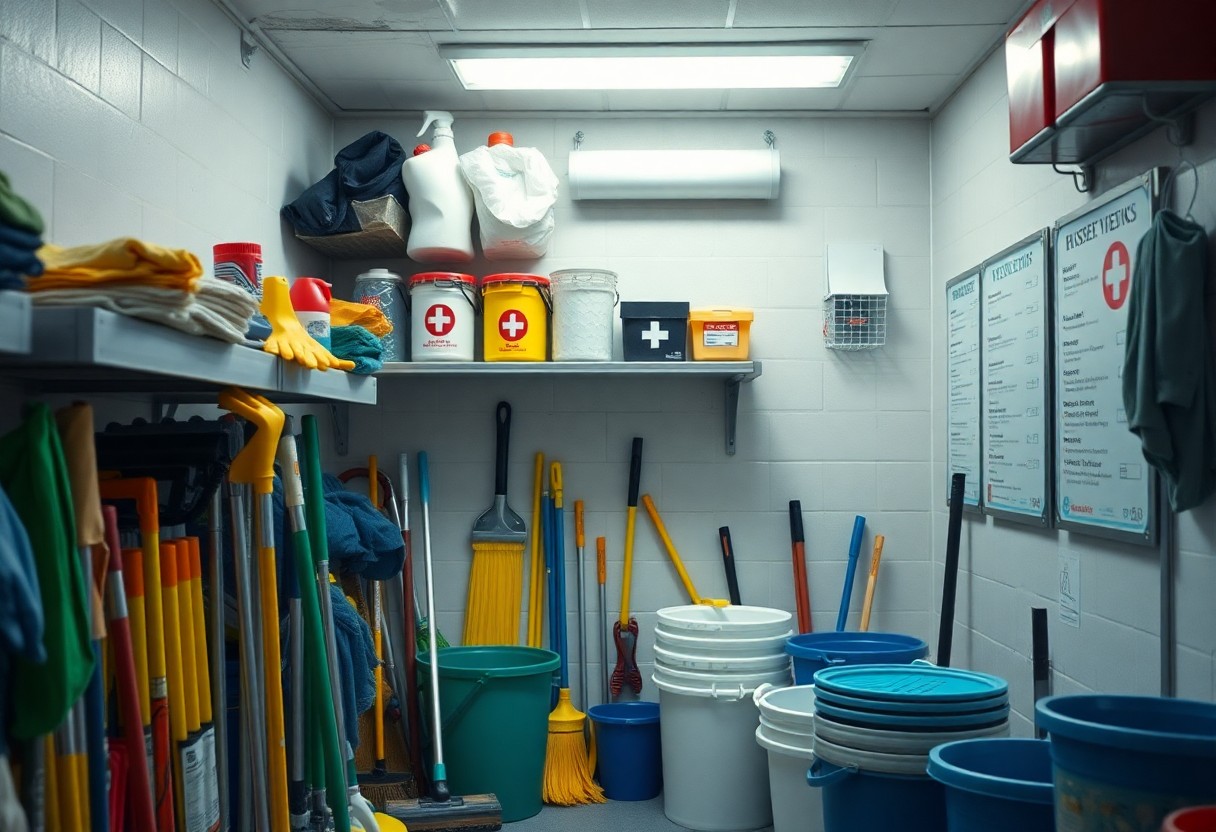
Utilizing the right tools and resources for housekeeping amplifies your efforts in maintaining a safe and clean workplace. By equipping yourself with effective cleaning supplies and organizational tools, you establish a systematic approach that not only enhances productivity but reduces risks associated with disorganization and clutter. Incorporate the following elements into your routine to ensure safety and efficiency.
Cleaning Supplies
Your choice of cleaning supplies directly impacts workplace hygiene and safety. Select products that meet safety standards and are effective against contaminants. Use multipurpose cleaners, disinfectants, and absorbent materials that prevent slips and falls. Refer to safety data sheets (SDS) for proper usage and handling guidelines to protect yourself and your coworkers.
Organizational Tools
Organizational tools play an imperative role in maintaining a clean workplace. Implementing label makers, cabinets, and bins helps streamline the storage of equipment and supplies. This minimizes clutter and ensures everything has a designated space, making it easier for you to locate tools quickly and safely.
Investing in organizational tools such as color-coded bins for different materials or digital inventory systems can enhance your housekeeping efforts. For instance, labeling shelves and containers not only improves efficiency but also fosters accountability among team members. Utilizing floor plan layouts that specify equipment storage locations and traffic patterns can significantly reduce hazards caused by misplaced items, ultimately promoting a more organized and safer working environment.
Benefits of a Clean Workplace
A clean workplace promotes numerous benefits that extend beyond aesthetics. Enhanced productivity, reduced absenteeism, and improved employee satisfaction are just a few outcomes linked to cleanliness. Regular housekeeping practices can minimize accidents and injuries, ultimately leading to significant cost savings for businesses. Moreover, maintaining a pristine work environment sets a standard for Housekeeping Safety: Cleanliness and Accountability, fostering a culture of safety and respect among employees.
Improved Employee Morale
When you invest in a clean workplace, you directly influence your employees’ morale. A tidy environment reduces stress, enhances focus, and fosters a sense of pride in your workspace. Employees are more likely to feel valued and committed, which can lead to increased retention and a positive workplace culture.
Enhanced Safety Compliance
A well-maintained workplace plays a significant role in ensuring compliance with safety regulations. By keeping your work area clean, you eliminate potential hazards that could lead to fines or penalties. Regular inspections and proper housekeeping practices ensure that safety protocols are followed, fostering accountability and responsibility among employees.
Enhanced safety compliance means your workplace is not only adhering to regulations but also creating a culture of safety. When you maintain an orderly space, it becomes easier to identify potential risks, ensuring swift corrective actions. Employees are more likely to follow safety procedures when they see that cleanliness is prioritized, thereby reinforcing the message that safety is everyone’s responsibility – ultimately leading to fewer accidents and increased overall productivity.
Case Studies
Analyzing real-world incidents sheds light on the profound impact of effective housekeeping practices on workplace safety. Understanding these cases highlights both successes and areas needing improvement. Below are notable examples that underscore the necessity of maintaining a clean environment:
- 3M Corporation: Implemented a ‘clean as you go’ policy, resulting in a 40% reduction in slip and fall accidents over two years.
- Johnson Controls: Enhanced workplace cleanliness led to a 25% decrease in employee injuries, significantly boosting morale and productivity.
- ABC Manufacturing: Successfully decreased hazardous material incidents by 50% after an aggressive housekeeping training initiative.
- XYZ Construction: Experienced a 30% reduction in lost time accidents after implementing regular site clean-up protocols.
Successful Housekeeping Initiatives
Incorporating strict housekeeping protocols can transform workplace safety. You can implement initiatives like scheduled cleaning audits and employee-led safety inspections, resulting in a noticeable improvement in overall cleanliness. For example, after introducing daily cleaning routines, companies have recorded up to a 35% decrease in workplace hazards, showcasing the effectiveness of persistent attention to housekeeping.
Lessons Learned from Incidents
Incidents can often serve as learning tools, informing future practices. You must analyze past failures carefully to prevent recurrence, as they often unveil underlying issues in your current housekeeping processes. Each report highlights the need for continuous training and proactive measures in your safety protocols.
For instance, a manufacturing plant experienced a substantial incident due to accumulated debris in work areas, leading to a serious injury. Post-incident analysis revealed a lack of regular cleaning protocols and insufficient employee training. By adopting more rigorous housekeeping standards and delivering targeted training sessions, the plant was able to prevent similar incidents, improving employee safety and productivity. This emphasizes the importance of regularly evaluating and upgrading your cleaning practices and educational efforts to foster a safer work environment.
To wrap up
With this in mind, maintaining a clean workplace is crucial for ensuring your safety and the safety of those around you. A tidy environment reduces hazards, minimizes accidents, and promotes overall efficiency. By prioritizing proper housekeeping practices, you not only enhance your well-being but also foster a culture of safety within your organization. Take responsibility for your workspace, and lead by example to create a safer, more productive atmosphere.
FAQ
Q: What are the key benefits of maintaining a clean workplace?
A: A clean workplace reduces the risk of accidents and injuries, enhances employee morale, and promotes productivity. It minimizes hazards such as slips, trips, and falls, and creates a healthier environment by decreasing the spread of germs and allergens.
Q: What specific housekeeping practices should be implemented for safety?
A: Employees should regularly clear clutter, properly store materials and equipment, promptly clean spills, maintain clear walkways, and ensure that all work areas are well-lit. Regular inspections and encouraging a culture of accountability can also enhance safety.
Q: How can employees be motivated to prioritize housekeeping in the workplace?
A: Providing training on the importance of housekeeping, recognizing and rewarding clean work areas, and creating clear guidelines can motivate employees. Involving them in setting housekeeping standards and encouraging teamwork can also foster a commitment to maintaining cleanliness.