
With consistent handwashing and personal hygiene, you interrupt transmission of harmful pathogens that can trigger serious illness and workplace outbreaks, and you lower the risk of infection for yourself and others; practicing proper technique, duration, and frequency is the practical defense that protects your health and coworkers.
Key Takeaways:
- Wash hands with soap and water for at least 20 seconds at key times (after restroom use, before eating, after coughing/sneezing, after contact with shared surfaces); if unavailable, use an alcohol-based sanitizer with ≥60% alcohol.
- Practice respiratory hygiene: cover coughs and sneezes with a tissue or elbow, dispose tissues promptly, and avoid touching eyes, nose, and mouth.
- Clean high-touch surfaces regularly and stay home when ill to limit transmission in shared spaces.
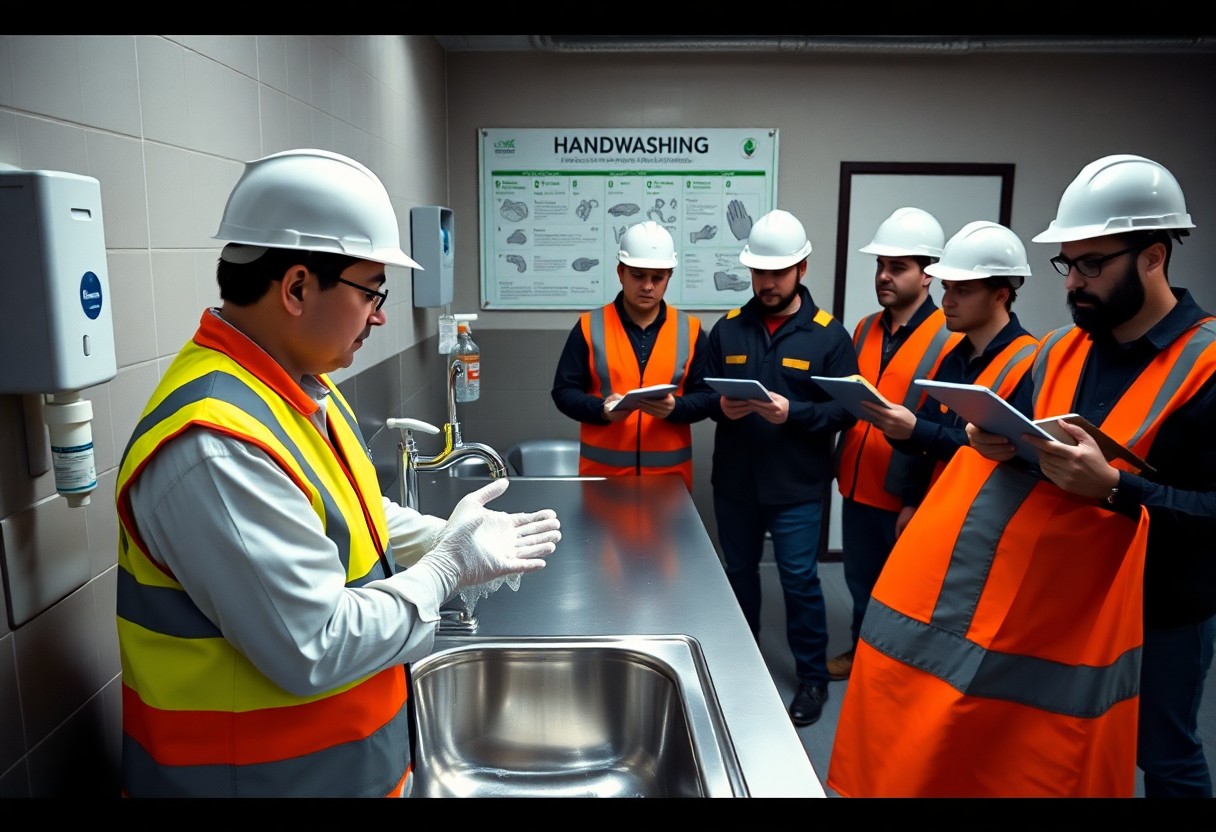
Importance of Handwashing
You cut pathogen spread when you wash with soap and water; studies show handwashing can reduce diarrheal disease by up to 47% and respiratory infections by up to 21%. Performing the WHO/CDC method for at least 20 seconds when hands are visibly soiled or after high-risk activities removes transient microbes and lowers your chance of getting and passing infections.
Preventing Illness Transmission
When you wash at key times-after using the toilet, before eating, and after coughing or handling food-you interrupt fecal-oral and respiratory routes; norovirus and influenza spread less. Use the 20-second method, scrub between fingers and under nails. School handwashing programs have cut absenteeism by up to one-third, showing how simple technique and timing directly reduce transmission.
Impact on Public Health
Your hand hygiene behavior scales: improved compliance in healthcare can cut healthcare-associated infections by around 40%, and with community adoption it lowers outbreak frequency and strain on systems. Public campaigns that combine handwashing with vaccination and surface cleaning have reduced local outbreak size and hospital surge, protecting vulnerable groups and keeping services running.
Beyond immediate infection drops, widespread handwashing yields measurable system benefits: fewer outbreak-related closures, reduced sick leave, and lower treatment costs. For example, targeted hospital campaigns reported declines in preventable cases and many workplaces documented significant reductions in lost workdays; investing in hygiene infrastructure and education therefore produces fewer outbreaks, lower costs, and stronger population resilience.
Proper Handwashing Techniques
Step-by-Step Guide
Wet your hands, apply enough soap to cover all surfaces, and scrub deliberately for at least 20 seconds. You must address palms, backs, between fingers, thumbs, fingertips and wrists, then rinse under running water and dry with a clean towel or air dryer; if soap and water aren’t available, use an alcohol-based sanitizer with at least 60% alcohol.
Handwashing Steps
| Step | Action / Detail |
|---|---|
| 1. Wet | Use clean running water to remove loose soil. |
| 2. Soap | Apply enough to lather the entire hand surface. |
| 3. Palm-to-palm | Rub palms together to build lather and loosen dirt. |
| 4. Backs & between fingers | Rub right palm over left dorsum and interlace fingers; reverse. |
| 5. Thumbs & fingertips | Rotate thumb and fingertips on palm to clean thumbs and under nails. |
| 6. Rinse | Use running water to wash away soap and dislodged microbes. |
| 7. Dry | Use a disposable towel or hot-air dryer; use towel to turn off faucet if needed. |
Common Mistakes to Avoid
Rushing, skipping fingertips and thumbs, and touching the faucet or door handle after washing are frequent errors that reintroduce pathogens; studies show washing for 20 seconds removes substantially more microbes than quick rinses. You should also avoid using contaminated cloths or neglecting nail and jewelry hygiene, which harbor bacteria.
Practical fixes reduce risk: remove rings and keep nails trimmed because bacteria hide under jewelry and long nails, and use a paper towel to operate taps and open doors where possible. Meta-analyses indicate consistent hand hygiene cuts diarrheal illness by about 30% and lowers respiratory infections by roughly 20%, so correcting these common errors has measurable impact in both household and clinical settings.
Hygiene Practices Beyond Handwashing
Expand your routine to include surface and respiratory hygiene; studies show handwashing plus surface disinfection can slash infection rates by up to 30-50% in closed settings. Use resources like Safety Training Tip: Hand Washing – HSI for training tools and posters. In high-density workplaces, instituting scheduled cleaning, mask use during outbreaks, and immediate cleanup of spills will reduce transmission of viruses that can persist on surfaces for days.
The Role of Personal Hygiene
You should treat personal habits as infection barriers: keep nails short, avoid artificial nails when handling food or patients, and launder work clothing daily at 60°C when soiled. Cover coughs with your elbow and change masks every 4-8 hours in high-exposure roles. Evidence shows combining these steps with handwashing lowers respiratory illness absenteeism by 20-30% in workplace studies.
Environmental Hygiene Practices
You must target high-touch areas-doorknobs, light switches, shared keyboards, phones-and use EPA-registered disinfectants or a 1,000 ppm bleach solution for viral threats; follow label contact times (often 1-10 minutes). In outbreak scenarios, increase cleaning frequency to multiple times per shift and log actions to maintain accountability and auditability.
For more granular control, prioritize a written cleaning schedule that lists surface, disinfectant, contact time, and responsible person. Use microfiber cloths for better soil pickup, replace mop water frequently, and validate practices with ATP testing or surface swabs; audits showing 90%+ compliance correlate with sustained reductions in workplace-transmitted infections.
Hand Sanitizers: When and How to Use
Effectiveness of Hand Sanitizers
Alcohol-based sanitizers containing at least 60% ethanol or 70% isopropanol rapidly reduce many bacteria and enveloped viruses; studies show 60-95% formulations can inactivate influenza and coronaviruses within 15-30 seconds. You should apply enough product to cover all surfaces of your hands and rub until dry (about 20 seconds). Non-alcohol formulations and lower-concentration gels are generally less effective against viruses and should be used with caution.
Limitations of Hand Sanitizers
Sanitizers perform poorly on visibly soiled or greasy hands and have limited activity against non-enveloped viruses (norovirus), bacterial spores like C. difficile, and certain chemicals. If you handle raw meat, chemicals, or bodily fluids, you must wash with soap and water. You should not rely on hand sanitizer as a substitute for handwashing in food preparation or when hands are visibly contaminated.
When your hands are visibly dirty or contaminated with blood, wash with soap and water for at least 20 seconds because mechanical removal removes organic matter and spores that alcohol cannot. Outbreak investigations show handwashing reduces norovirus and C. difficile transmission more effectively than alcohol rubs. Also note sanitizers are flammable and toxic if ingested, so store them away from heat and out of reach of children.
The Role of Education and Awareness
Through targeted education you turn policy into action: the WHO recommends washing for 20 seconds, and the CDC links handwashing to reductions of about 31% in diarrheal disease and 16-21% in respiratory infections, so your training and reminders directly lower transmission. Use visible cues, routine audits, and brief competency checks to keep technique and duration consistent across shifts and age groups.
Training for Employees and Children
Use hands-on demos and short practice sessions so you can assess technique-tools like Glo Germ or UV lamps make contamination visible and boost compliance. Schedule brief 5-10 minute refreshers quarterly for staff and daily songs/timers for children to enforce the 20-second benchmark; include competency sign-offs for new hires and age-appropriate materials for each class level.
Campaigns and Initiatives
Combine infrastructure with behavior-change campaigns: you should pair soap and dispensers with posters, goal-setting and public pledges. Leverage programs like the WHO/UNICEF “Hand Hygiene for All” model, run school competitions and workplace challenges, and use nudges (footprints, sink stickers) to sustain gains-interventions that address both access and motivation deliver the biggest reductions in infection.
When you design a campaign start with a baseline audit, set measurable targets (for example, aim for >80% post-toilet handwashing), and deploy low-cost cues plus reliable supplies. Monitor via weekly spot checks and monthly reports, recruit champions to model behavior, and scale successful pilots; case examples often show handwashing rates rising from around 40% to >80% within months when both supplies and behavior strategies are combined.
To wrap up
Taking this into account, you must practice regular handwashing, use soap and water for 20 seconds or an alcohol-based sanitizer when unavailable, cover coughs, clean shared surfaces, stay home when ill, and follow workplace hygiene protocols to protect your health and your coworkers.
FAQ
Q: When and how should I wash my hands to prevent illness?
A: Wash hands with soap and clean running water for at least 20 seconds: wet hands, apply soap, lather and scrub all surfaces (backs of hands, between fingers, under nails, thumbs, fingertips and wrists), rinse thoroughly, and dry with a single‑use towel or a clean dryer. Wash after using the restroom, before and after eating or handling food, after blowing your nose/coughing/sneezing, after touching shared equipment or high‑touch surfaces, after removing gloves, and when hands are visibly dirty or greasy. Use the towel to turn off the faucet and to open doors if necessary to avoid recontamination.
Q: Can alcohol‑based hand sanitizer replace handwashing and how should it be used?
A: Alcohol‑based hand sanitizer (at least 60% ethanol or 70% isopropanol) is appropriate when soap and water are unavailable and hands are not visibly soiled. Apply enough product to cover all hand surfaces and rub until dry (about 20 seconds). It is less effective on visibly dirty or greasy hands and against certain pathogens (for example, norovirus and Clostridioides difficile), so wash with soap and water in those cases. Keep sanitizers away from heat and flames, supervise use by children, and provide dispensers at key locations for consistent access.
Q: What additional hygiene measures should workplaces use to reduce transmission of illness?
A: Implement respiratory etiquette (cover coughs/sneezes with a tissue or elbow, dispose tissues, perform hand hygiene), routine cleaning and disinfecting of high‑touch surfaces with appropriate EPA‑registered products, provide and maintain supplies (soap, single‑use towels, hand sanitizer, tissues), enforce a stay‑home‑when‑sick policy and clear symptom reporting, train staff on hand hygiene and glove use (gloves are not a substitute for handwashing and must be changed when contaminated), minimize shared personal items, launder uniforms and reusable PPE properly, and consider ventilation improvements and staggered breaks to reduce crowding at handwashing stations.