
Ladder safety is imperative when tackling home projects that require height. You should always ensure your ladder is stable before climbing and avoid overreaching to prevent losing your balance. It’s important to choose the right type and height of ladder for your specific task, and employing safety gear can further safeguard against mishaps. By following these safety practices, you can effectively reduce the risk of an accident and keep your home improvement projects safe and enjoyable. Don’t let a fall derail your plans!
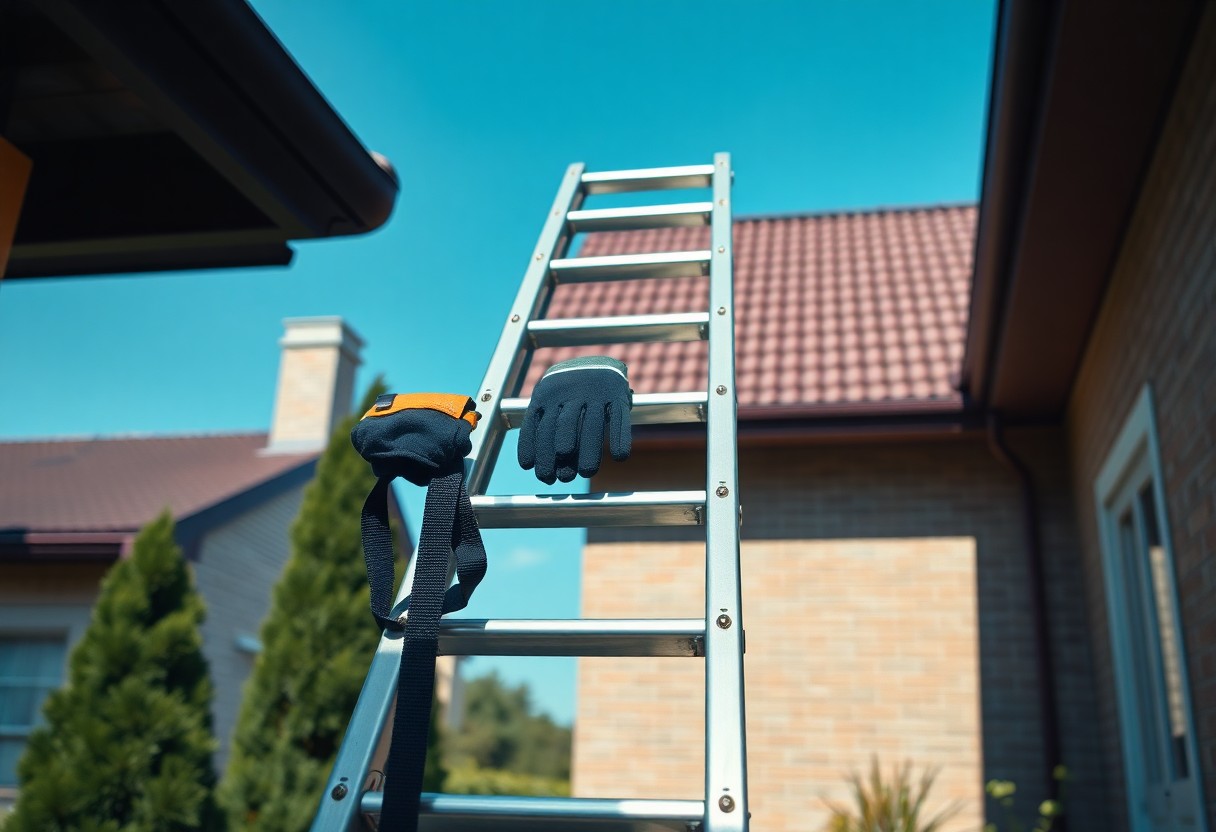
Key Takeaways:
- Always inspect your ladder for damage before use and ensure it is set up on stable ground.
- Maintain three points of contact while climbing or descending the ladder to enhance stability and safety.
- Use appropriate ladders for specific tasks, such as extension ladders for roof access and step ladders for indoor jobs.
Gravity’s Grip: The Dangers of Ladder Use
The allure of high places often tempts homeowners to reach for a ladder, but the risk of falls is substantial. According to the National Safety Council, falls from ladders lead to more than 163,000 injuries each year. These incidents can result in serious injuries, including fractures, concussions, and, in severe cases, fatalities. The basic principle of physics, gravity, poses a constant threat when you’re on a ladder, emphasizing the need for caution and proper safety measures during any upward task.
Statistical Insights on Ladder Injuries
Each year, approximately 500,000 people visit emergency rooms due to ladder-related injuries, underscoring the hidden dangers lurking during everyday tasks. Shockingly, around 36,000 of those injuries are linked to falls from heights, with fractures to the wrist, back, and hips being among the most common. Statistics show that men aged 50 to 64 are particularly at risk, accounting for nearly half of these incidents.
Common Hazards Encountered at Home
While using a ladder at home, various hazards may arise that can significantly increase your risk of injury. Uneven surfaces, loose footing, and improper ladder selection are just a few common issues. Additionally, distractions, like phone calls or pets wandering nearby, can prevent you from maintaining full attention while climbing. Each of these factors compounds the potential dangers when you’re elevated and balancing on a thin rung.
Uneven surfaces can create a shaky base that leads to slips and falls, while unsteady ladders lacking proper support can shift beneath you during use. Furthermore, using a ladder that’s too short or not rated for the task at hand can lead to overreaching, which again increases the risk of losing balance and falling. Always assess your environment and the condition of your equipment before starting any ladder-related jobs to ensure maximum safety.
Choosing the Right Ladder for the Job
Selecting the correct ladder for your specific task is vital to ensure safety while working at heights. Different jobs require different ladder types, sizes, and materials. Not only does this choice affect your ability to complete the task efficiently, but it also factors significantly into your overall safety. Investing time in understanding your options will pay off in the long run.
Understanding Ladder Ratings and Types
Ladder ratings help you determine the appropriate ladder for your weight and workload. Each type of ladder, from step ladders to extension ladders, serves a unique purpose.
| Type I: Industrial | 300 lbs maximum load |
| Type II: Commercial | 225 lbs maximum load |
| Type III: Household | 200 lbs maximum load |
| Step Ladder | Ideal for low-height tasks |
| Extension Ladder | Extends for high reach scenarios |
Thou must select a ladder that matches your requirements based on its ratings and types available.
Factors to Consider: Height, Weight, and Material
Each ladder’s material impacts its weight capacity and durability. Additionally, the height of the ladder must align with the job at hand and your personal safety preferences.
- Choose a ladder with a height that extends beyond your reach for safety.
- Weight capacity is critical; ensure it exceeds your weight, plus any tools.
- Materials like aluminum and fiberglass have distinct properties that affect stability.
- Avoid using a ladder that can’t support your load safely.
- Any selection must consider your access to both height and weight factors.
Assessing how far you need to reach directly influences the ladder height you choose. A ladder that is too short increases the temptation to overreach and increases the risk of falls. Most ladders clearly indicate their weight limits; for your safety, always opt for one with a higher capacity than needed, factoring in the weight of any tools and materials you may need to carry. Fiberglass ladders are ideal for electrical work, while aluminum ladders are lighter but can be less stable. Understanding these details helps you navigate your ladder choices wisely.
- Height considerations ensure you maintain a safe working posture.
- Weight capacities must align with your own and any additional loads.
- Materials play a role in durability and comfort during use.
- Factor in stability for the best ladder during your tasks.
- Any choices made will greatly impact your overall safety while working at heights.
Best Practices for Ladder Safety at Home
Maintaining ladder safety at home requires a blend of awareness and technique. Always ensure your ladder is in optimal working condition and that you’re fully outfitted with the right personal protective equipment. While it may seem straightforward, adhering to basic safety rules can significantly reduce the likelihood of accidents. Keep your focus on what matters, and you’ll make your ladder work much safer.
Proper Setup: Selecting the Ideal Location
Choosing the right spot for your ladder is fundamental. Look for a stable, flat surface free from obstructions, such as bushes or tools, which could cause the ladder to wobble. Aim to position your ladder at a 75-degree angle for optimal stability, meaning the base should be one foot away from the wall for every four feet of height. Additionally, avoid placement near doors or walkways where someone might unintentionally bump into it.
Climbing Techniques: How to Ascend and Descend Safely
Effective climbing techniques will keep you grounded—both figuratively and literally. Always face the ladder while climbing or descending, securing your grip on the rungs, and ensuring you maintain three points of contact at all times—two hands and a foot or two feet and a hand. This balance helps you stay stable and reduces the risk of slipping or losing your footing.
As you climb, keep your body centered between the side rails to enhance stability, and avoid carrying tools in your hands. Instead, utilize a tool belt or hoist equipment up with a rope. If you need to reach for something, take a step down rather than overextending, because leaning out can compromise your balance and lead to falls. Practicing these techniques every time you use the ladder will build muscle memory and increase your safety exponentially.
The Importance of Personal Protective Equipment
Your safety during ladder work hinges significantly on personal protective equipment (PPE). Utilizing gear designed for protection not only minimizes your chance of falls but also greatly reduces the risk of severe injuries. Effective PPE, including helmets and fall protection harnesses, acts as a buffer against potential accidents that can occur while working at heights. Without this necessary gear, even a minor slip can lead to catastrophic consequences.
Gear That Can Prevent Injury: Helmets, Harnesses, and More
How to Properly Use Safeguards During Ladder Work
Implementing safeguards requires more than simply donning your gear. You should first ensure that your ladder is properly positioned and secure before commencing work. Utilize the harness correctly by fastening it in a way that provides support without restricting movement. Be aware of your surroundings and maintain three points of contact on the ladder at all times—two hands and one foot or two feet and one hand. Following these specific guidelines significantly diminishes your risk of accidents while using ladders.
To further enhance your safety during ladder work, practicing good habits is necessary. Before climbing, inspect your ladder and all your gear thoroughly; make sure that the ladder is on stable ground and extended fully. Additionally, harnesses must be adjusted to fit snugly without impeding your movement. This might seem tedious, but establishing a checklist for each ladder job can save you from danger. Taking the time to approach ladder work methodically, while prioritizing your protective gear, directly contributes to a safer work environment.
Preparing for Unexpected Situations
Preparation can mean the difference between a minor incident and a serious emergency when working with ladders. Anticipate potential hazards and have a first-aid kit readily accessible. Additionally, keeping your phone charged and within reach ensures you’re prepared to call for help quickly if an accident occurs. Knowing your surroundings and potential escape routes can also mitigate serious aftermaths, should an unexpected situation arise.
Emergency Response: What to Do in Case of a Fall
If you or someone else falls while using a ladder, assess the situation immediately. Check for any visible injuries, especially head or neck trauma, and call for emergency medical assistance if needed. Do not attempt to move the person unless they are in immediate danger. Stay calm and reassure them while waiting for help to arrive, as emotional support can significantly impact recovery.
Creating a Safety Plan: Who to Contact, How to Report
Establishing a comprehensive safety plan before undertaking any ladder work is important. Identify local emergency contacts, including family members and neighbors who can assist during a fall. Familiarize yourself with how to quickly report an accident by memorizing emergency numbers and knowing how to convey your location and the nature of the incident clearly to responders.
Your safety plan should also involve knowing the right steps to take after reporting an accident. Having the contact information of local emergency services, as well as a neighbor who can assist in the event of a fall, keeps your response organized. Practice communicating efficiently with your chosen contacts so you’re prepared to convey vital details swiftly, including what happened, how many people are involved, and any apparent injuries. This preparation can save precious minutes in critical situations, easing the stress of emergencies.
Final Words
So, as you take on projects that require ladder use at home, be sure to prioritize your safety by following proper techniques and guidelines. Ensure your ladder is in good condition, choose the right type for your task, and always maintain three points of contact when climbing. Assess your surroundings and never hesitate to ask for help when needed. By practicing ladder safety, you can significantly reduce the risk of accidents and enjoy your home improvement tasks with confidence.
Q: What are the key safety practices to follow when using a ladder at home?
A: When using a ladder at home, it’s important to prioritize safety. First, always inspect the ladder before use to check for any damage or wear. Ensure that the ladder is placed on a firm, level surface and avoid placing it on slippery or uneven ground. Maintain three points of contact when climbing—two hands and one foot, or two feet and one hand. Additionally, never overreach while on the ladder, as this can lead to loss of balance and potential falls. Always face the ladder when climbing or descending.
Q: What type of ladder is best suited for different household tasks?
A: The type of ladder you choose depends on the task at hand. For indoor tasks such as changing light bulbs or painting walls, a step ladder is often sufficient. For outdoor tasks that require greater height, such as cleaning gutters or hanging lights, an extension ladder may be more appropriate. Always ensure that the ladder is rated for the weight it needs to support, including any tools or materials you may be carrying.
Q: How can I secure a ladder to prevent it from tipping over?
A: To secure a ladder and prevent it from tipping, ensure that it is fully extended and locked into place before climbing. Additionally, position the ladder at the proper angle—typically a 4:1 ratio (for every 4 feet of height, place the base 1 foot away from the wall). Use ladder stabilizers or footholds when possible, as these can provide extra support. For extension ladders, use leg levelers to adjust for uneven ground. If working on a roof or higher surface, consider having someone hold the base of the ladder for added stability.