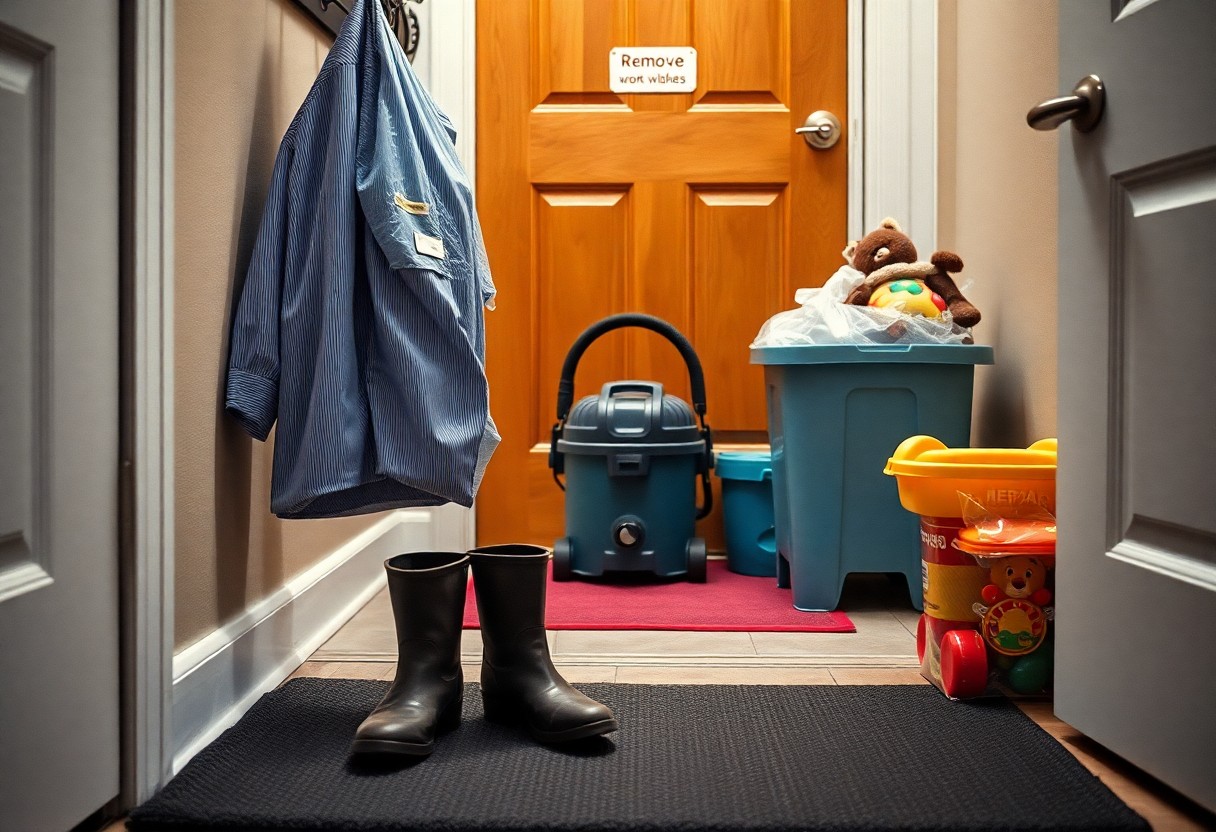
Lead dust on clothing, tools, and shoes can follow you home and expose your family to serious health risks. You must minimize contamination by using designated changing areas, removing work clothes and shoes before entering living spaces, washing exposed skin, and storing gear separately; using proper PPE and wet-cleaning methods will help prevent exposure. Taking these steps protects your household and reduces long-term harm.
Key Takeaways:
- Keep lead dust at the workplace: use designated PPE, change out of contaminated clothes and shoes before leaving, wash hands and shower as soon as possible, and avoid eating, drinking, or smoking in work areas.
- Control and clean contamination properly: use wet methods and HEPA-filtered vacuums for cleanup, bag and launder work clothes separately per employer procedures, and dispose of waste in sealed containers.
- Protect your household and health: transport and store contaminated items securely (avoid vehicles and home storage), follow employer decontamination and medical surveillance (including blood lead testing), and report any symptoms or suspected overexposure.
Understanding Lead Exposure
Exposure pathways commonly involve inhalation of fine lead dust from sanding, welding, or demolition and ingestion from contaminated hands, food, or surfaces; you absorb most danger when dust settles on clothing or in your vehicle. Paint was banned for residential use in the U.S. in 1978, so work in older buildings carries higher risk. OSHA’s air limit is 50 µg/m³ (8-hour TWA) while public-health concern begins at blood levels around 5 µg/dL.
Sources of Lead in the Environment
You’re most likely to encounter lead from old paint chips and dust in pre-1978 buildings, legacy road dust from phased-out leaded gasoline, industrial emissions near smelters or battery-recycling facilities, and deteriorating lead solder or pipes; renovation of such sites can release heavy concentrations of dust. Soil adjacent to former industrial sites and consumer products like some imported pottery or toys are additional hotspots you should watch for.
Health Risks Associated with Lead Exposure
If you’re exposed, children under 6 and pregnant people face the worst effects: lowered IQ, attention and behavioral problems, and developmental delays. Adults can develop high blood pressure, kidney impairment, and reproductive issues. Acute high-level exposure may cause abdominal pain, neuropathy, or encephalopathy, so you must treat elevated blood-lead readings seriously.
Studies link even low-level exposure to measurable harm: for example, each increase of about 10 µg/dL in blood lead has been associated with a measurable drop in cognitive test scores in children, and bone stores can remobilize during pregnancy or osteoporosis, exposing you or your fetus long after the original contact. Occupational cases often involve inadequate decontamination between shifts-changing clothes, showering, and cleaning vehicles reduce secondary take-home exposure.
Identifying Toxic Dust
Detecting lead dust often requires more than sight; microscopic particles (as small as 1-2 µm) can cling to your clothes, tools, and skin and travel home. You should suspect contamination after sanding, welding, demolition, or when working on buildings built before 1978. For practical precautions and workplace-to-home transfer guidance, review the Take Home Lead Exposure fact sheet.
Common Areas of Lead Contamination
Check window sills, door frames, stair treads, floor cracks, HVAC vents, and workbenches first, since paint disturbance and friction create dust there. You should also inspect vehicles, toolboxes, and lunch/storage areas where dust accumulates; contaminated shoes and jackets are common carriers into personal spaces.
Signs of Lead-Contaminated Dust
Visible signs include fine, powdery residues, gray smears after wiping, or gritty buildup near painted surfaces and renovation sites; you should be alert when dust reappears quickly after cleaning. Strong odors are usually absent, so appearance and context of work are key indicators.
To confirm contamination you should use dust-wipe sampling and lab analysis-EPA standards flag floors at 10 µg/ft² and window sills at 100 µg/ft² as hazards. Field test kits give preliminary results, but a certified industrial hygienist or lab test provides the definitive measurement and guides cleanup decisions.
Preventing Lead Contamination at Home
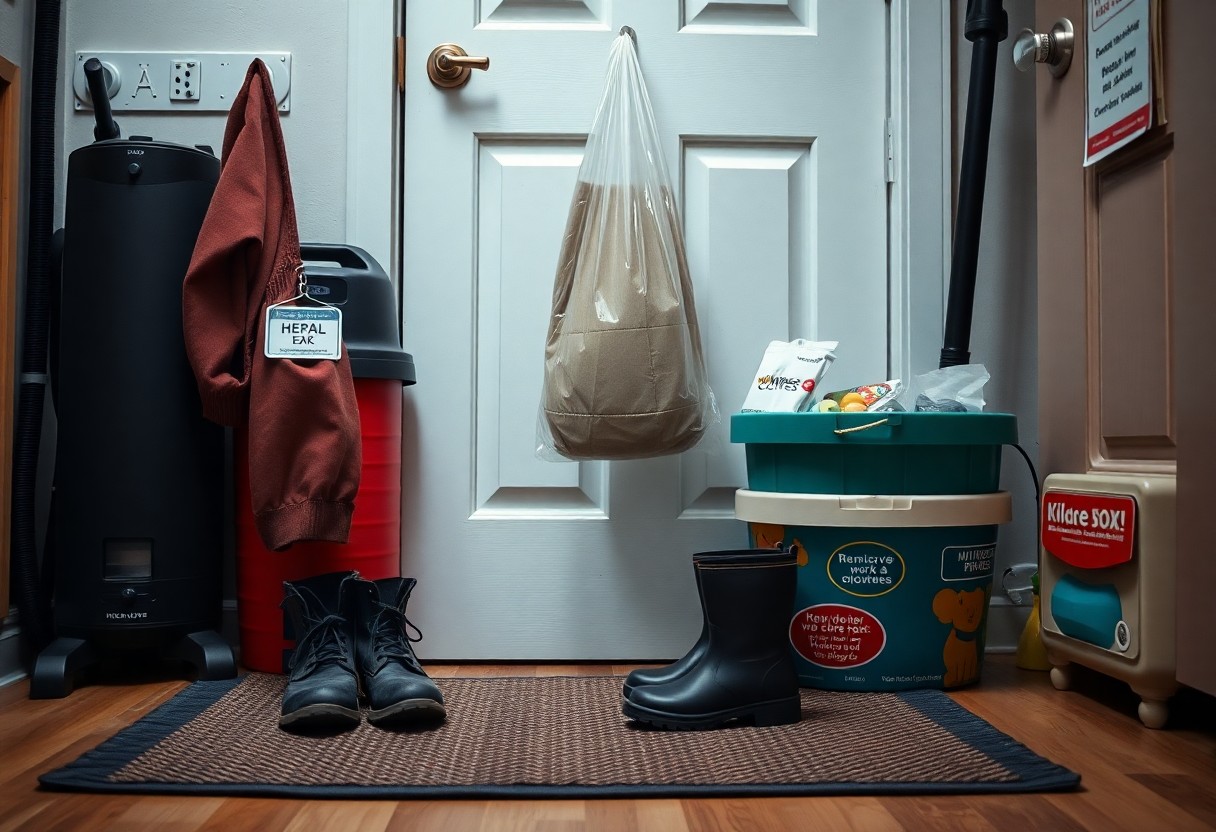
Keep lead out of living spaces by treating the transition from work to home as your contamination control point. You must change out of your work clothes and shoes before leaving the site; seal contaminated garments in a labeled plastic bag and launder separately on a hot cycle (≥60°C/140°F). Shower as soon as possible and set a designated spot for tools and PPE. Children under 6 absorb lead more readily, so do not bring contaminated items into the home.
Best Practices for Cleanliness
Wipe surfaces with a damp microfiber cloth and a detergent solution, and you should mop with fresh cleaning solution daily in high-risk zones. Vacuum only with a HEPA-filter vacuum-ordinary vacuums can disperse fine particles. Clean window sills, play areas, and frequently touched surfaces before children return, and wash your hands, face, and work boots immediately after tasks to prevent cross-contamination.
Safe Removal of Lead Dust
For removal, you should combine HEPA-vacuuming with wet-cleaning and avoid dry scraping or sanding. If your work disturbs >2 sq ft interior or >6 sq ft exterior of pre-1978 paint, hire EPA RRP-certified contractors. Use appropriate PPE-HEPA/P100 respirator, gloves, and disposable coveralls-and seal the work area with plastic sheeting to limit spread.
Start by sealing vents and doorways, then HEPA-vacuum from high to low and wet-wipe from clean to dirty areas; repeat until dust testing shows levels below HUD standards (floors 10 µg/ft², window sills 100 µg/ft²). Double-bag debris, label it, and follow local hazardous-waste disposal rules. Avoid power tools without HEPA containment, and you should arrange professional clearance testing after major work.
Safe Work Practices for Construction and Remodeling
When you work on homes built before 1978, treat paint disturbance as a lead hazard: use wet methods, isolate the area with 6‑mil plastic, and employ a certified renovator when required by the EPA RRP rule. Change out of contaminated clothing and store debris in sealed bags to avoid tracking lead dust home. Many exposures come from seemingly small jobs – sanding a window sill can raise indoor dust levels dramatically – so plan containment and cleanup before you start.
Protective Gear and Equipment
You should wear a NIOSH‑approved respirator (preferably P100 for lead), disposable coveralls with a hood, gloves, and eye protection; use boot covers or dedicated work boots left on site. Keep a HEPA‑filtered vacuum on hand for interim cleanup and choose hand tools or wet-sanding systems to limit airborne dust. Bag disposable PPE immediately and launder reusable gear separately to prevent cross‑contamination.
Proper Containment and Cleanup Procedures
Seal work zones with 6‑mil plastic, tape seams, and cover HVAC registers; create a one‑way entry with a clean zone and a decontamination area. Use wet scraping or HEPA‑equipped sanders, avoid abrasive blasting, and never dry‑sweep or use a regular shop vacuum – do not dry sweep. Remove debris in sealed bags, perform wet wipe cleaning, then run a HEPA vacuum and verify clearance (floors ≤ 40 µg/ft², window sills ≤ 250 µg/ft², troughs ≤ 400 µg/ft²).
For effective cleanup, follow a two‑step approach: first, remove bulk dust and chips with wet methods and a HEPA vacuum; second, perform repeated wet‑wiping of horizontal surfaces moving from cleanest to dirtiest areas. Set up sticky mats at exits, double‑bag waste and label it, and retain clearance test results. Field experience shows sites left without a HEPA vacuum or proper containment commonly fail dust wipes, so verify results before reopening the space to occupants.
Education and Awareness
Strengthen workplace awareness by integrating routine briefings, visible signage, and documented procedures so you and your team recognize lead hazards immediately. When airborne lead exceeds OSHA’s action level of 30 µg/m3 you must implement controls; if exposures approach the PEL of 50 µg/m3 medical monitoring is required. Use real examples-post before/after dust tests and blood lead trends-to show how containment, HEPA vacuums and on-site changing areas cut off-site contamination.
Training Workers on Lead Safety
Make training hands-on: require respirator fit-testing, donning/doffing drills, and HEPA vacuum demonstrations so you can perform each task under pressure. Cover regulatory thresholds like the 30 µg/m3 action level and practical controls-wet methods, containment, and designated clean rooms-for tasks that disturb paint. Track competency with checklists and brief quizzes; this ensures you consistently limit dust transport to your vehicle and home.
Community Outreach and Resources
Engage tenants and families before work begins: provide written notices about lead-safe work, distribute EPA RRP fact sheets, and offer free HEPA vacuum loaners when possible so you lower off-site exposure. Point people to local agencies-your county health department and the CDC’s site citing the 3.5 µg/dL reference value for children-and track outreach with logs that document who received guidance and when.
Set up community screening days with local clinics to give free blood testing for children under 6 and workers’ families; you can partner with HUD or local health departments for funding and with EPA-certified renovators to demonstrate safe techniques. Translate materials into Spanish and other predominant local languages, post clear do/don’t lists, and log referrals so you can show measurable outcomes-like reduced household dust levels or completed abatements-when reporting to stakeholders.
Regulatory Guidelines and Compliance
Federal and state requirements shape how you control lead hazards: OSHA standards (29 CFR 1926.62 and 1910.1025) set an 8‑hour PEL of 50 µg/m³ and an action level at 30 µg/m³, while EPA’s Renovation, Repair and Painting (RRP) rule mandates certification and containment for pre‑1978 housing. You must document exposure monitoring, training, medical surveillance and cleanup verification to protect your workers and prevent take‑home contamination.
Understanding Lead Safety Regulations
OSHA requires initial and periodic training for anyone disturbing lead, plus medical surveillance if you exceed the action level (> 30 µg/m³) for more than 30 days a year; employers must provide respirators, fit testing, and exposure monitoring. EPA RRP forces certified renovators, interim controls and post‑work dust‑wipe sampling in homes built before 1978, and many states add licensing or stricter cleanup and disposal rules you must follow.
Importance of Following Safety Standards
Adhering to standards prevents contaminated dust from leaving the job and causing elevated blood lead in household members-children under 6 are especially vulnerable. You also reduce legal and financial risk: clear training, documented controls and verified cleanup cut the likelihood of citations, shutdowns and expensive remediations while protecting your workforce and family.
Practical compliance steps you should implement include a written exposure control plan, routine air and wipe sampling, use of HEPA‑filtered vacuums, designated decontamination zones, on‑site changing or shower facilities, and employer‑managed laundering or sealed transport of contaminated clothing; keep training and medical records for the required periods and perform verification wipes after cleanup to confirm dust levels are acceptable.
Conclusion
Drawing together the key points, you must prevent carry-out of lead dust by using on-site hygiene: change out of work clothes, store PPE separately, shower before leaving, and clean tools and vehicles regularly. You should launder work clothes separately, seal contaminated waste, and enforce decontamination zones so your household and coworkers are protected. Consistent procedures and vigilance reduce the risk of exposing your loved ones to toxic lead dust.
FAQ
Q: How does lead dust get carried from worksites into homes, and who is most at risk?
A: Lead dust is generated by activities such as sanding, grinding, cutting, demolition, and handling lead-containing materials. Dust adheres to work clothing, boots, hair, skin, tools, and vehicles, and it can transfer to car seats, door handles, and home surfaces. Family members-especially young children and pregnant people-are most at risk because they ingest or inhale small amounts more easily and suffer greater health effects. Adults can also experience neurological, gastrointestinal, and reproductive impacts from repeated exposure.
Q: What on-site controls and personal practices prevent bringing toxic dust home?
A: Use engineering and work-practice controls first: employ wet methods, local exhaust ventilation, and HEPA-filtered vacuums; avoid dry sweeping. Establish a designated changing area and store street clothes separately from work clothes. Wear work-only clothing and disposable or on-site-washable coveralls; remove and bag contaminated clothing and PPE before leaving the site. Shower and wash hair and hands before going home when facilities are available. Keep personal items and lunch boxes out of contaminated zones and protect vehicle seats with removable covers. Employers should provide laundering or guidance; if washing at home is unavoidable, wash contaminated garments separately in hot water and run an empty cycle afterward.
Q: If I suspect lead dust reached my house, what steps should I and my family take immediately?
A: Isolate and place suspected contaminated clothing, rags, and shoes in sealed plastic bags without shaking them. Shower and change into clean clothes; have exposed family members wash up immediately. Clean hard surfaces with wet-wiping using a detergent solution and HEPA vacuum carpets and upholstery; do not dry-sweep or use a non-HEPA vacuum. Contact your employer and local health department for reporting and testing advice; arrange blood lead testing for exposed workers, children, and pregnant household members. For heavy contamination, hire a certified lead abatement contractor. Document actions taken and follow professional guidance on disposal of contaminated wastes and on returning the household to normal use.