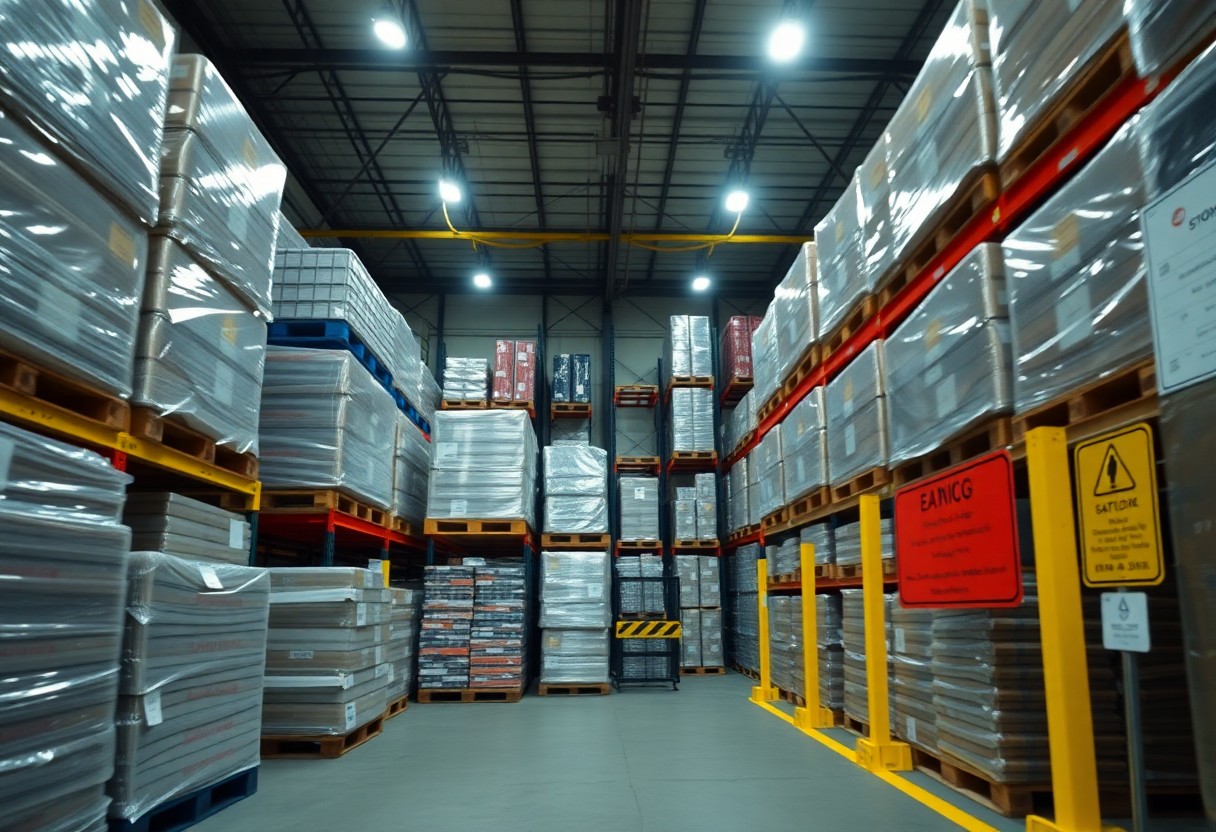
Most workplace accidents occur due to improper material storage, leading to injuries and damaged products. You must prioritize safety by implementing effective stacking techniques and organizing your materials properly. This ensures not only your safety but also enhances efficiency in your work environment. Adhering to best practices for safe stacking can help prevent falls and collapses, keeping your workplace secure. By following these guidelines, you contribute to a safer workplace for yourself and your colleagues.
Key Takeaways:
- Store materials on stable surfaces to prevent shifting and falling.
- Stack items by weight, placing heavier items at the bottom for stability.
- Ensure aisles and exits remain clear for safe access and emergency procedures.
Importance of Safe Material Storage
Safe material storage is integral to maintaining an organized and efficient workplace. When you prioritize safety in how materials are stacked and stored, you reduce the risk of accidents, injuries, and product damage. An effective storage strategy not only enhances productivity but also bolsters employee morale by cultivating a secure environment. Ultimately, understanding and implementing safe storage practices can lead to significant cost savings and increased operational efficiency.
Impact on Workplace Safety
Unstable or poorly organized storage can lead to serious workplace accidents, such as falls, spills, and equipment damage. By ensuring proper stacking and storage techniques, you mitigate these risks, creating a safer environment where your team can focus on their tasks without the looming threat of hazards. Ensuring items are easily accessible and well-organized further enhances operational flow, thereby reducing potential safety incidents.
Legal Compliance and Regulations
Adhering to safety regulations surrounding material storage is not just good practice, it’s a legal requirement. Various agencies, including OSHA, set forth guidelines that mandate safe storage practices to prevent workplace hazards. Failing to comply can result in hefty fines and put your employees at risk.
For instance, OSHA’s regulations dictate that materials must be stacked safely to prevent tipping or falling, and these standards are enforced to protect workers. If you neglect these regulations, you not only jeopardize your employees’ safety but also expose your business to legal action. By understanding the specific requirements outlined in the regulations relevant to your industry, such as proper labeling and equipment for hazardous materials, you can avoid non-compliance ramifications while fostering a culture of safety awareness. Regular training on these rules ensures that your team is always up-to-date and informed, bridging the gap between safety and legality in material storage.
Best Practices for Stacking Materials
When stacking materials, prioritize stability and accessibility. Start with heavier loads on the bottom and lighter ones on top to minimize the risk of toppling. Ensure that the base is flat and weight is evenly distributed. For further insights, refer to Toolbox Talk # 5.03 – Material Handling, which provides necessary guidelines.
Weight Distribution and Stability
Distributing weight evenly across the stack enhances stability and prevents accidents. Avoid overloading one side, as this can lead to tipping. Ensure every item is secure, minimizing the potential for shifting during movement.
Use of Proper Equipment
Using the right equipment is vital for safe material stacking. Forklifts, pallet jacks, and industrial racks ensure that heavy items are lifted and stored without straining your body. Investing in this necessary equipment can avoid injuries and ensure compliance with safety regulations.
Using appropriate equipment not only enhances safety but also boosts efficiency. For example, forklifts can lift loads that might be impossible for workers to handle manually. Pallet jacks simplify the process of moving stacked items, reducing the risk of personal injury. Additionally, utilizing industrial racks provides structured storage, maximizing space while offering easy access. These tools enable swift operations and create a safer workspace.
Types of Materials and Their Storage Needs
Understanding the various types of materials you handle is vital to ensure they are stored correctly. Each material has unique storage requirements that affect safety and accessibility. Proper categorization helps in determining how to stack and store materials effectively, minimizing risks of accidents.
| Material Type | Storage Requirements |
|---|---|
| Heavy Materials | Use sturdy shelving and ensure low stacking for stability. |
| Lightweight Materials | Store on higher shelves; ensure they are secure to prevent falling. |
| Hazardous Materials | Store in designated areas with appropriate safety measures. |
| Bulk Materials | Use bins or silos with clear labeling for identification. |
| General Inventory | Follow FIFO (First In, First Out) principles to minimize waste. |
Heavy vs. Lightweight Materials
When dealing with heavy materials, opt for low stacking and strong support to prevent collapse. In contrast, lightweight materials can be stored higher but must be secured to avoid falling. Depending on your workspace, consider the weight distribution and accessibility to ensure a safe environment.
Hazardous Materials Storage
Storing hazardous materials requires specific protocols, including using designated, ventilated storage areas. Ensure that clear labeling and Material Safety Data Sheets (MSDS) are available for all substances. Your approach must prioritize the safety of individuals and the environment.
Enhancing hazardous materials storage involves implementing secondary containment systems to prevent spills and leaks. Ensure that incompatible materials are stored separately to mitigate risks. Regular training on emergency response measures and maintaining an inventory log lets you stay proactive. Recognizing these guidelines empowers you to create a safe workspace, ultimately protecting you and your colleagues.
Training and Safety Awareness
Your team’s knowledge and awareness of safety protocols significantly influence the effectiveness of material storage. Comprehensive training programs instill best practices, fostering a culture of safety beyond compliance. Engaging employees through hands-on training and simulations highlights the risks associated with improper storage, encouraging proactive behavior to mitigate hazards.
Employee Training Programs
Implementing tailored employee training programs focuses on specific storage practices, such as the proper stacking techniques and load limits. These sessions build competency and confidence, ensuring that all employees understand their role in maintaining a safe working environment. Involving staff in the design of training can enhance engagement and retention.
Importance of Regular Safety Checks
Conducting regular safety checks helps identify potential hazards connected to material storage. Frequent inspections enable you to spot issues such as improper stacking or overloading, preventing accidents before they occur. This diligence is crucial in promoting a safe workplace.
Safety checks should occur on a scheduled basis, perhaps weekly or monthly, depending on the work environment’s complexity and material volume. During these checks, assess storage areas for compliance with safety standards and promptly address any deficiencies. This practice not only reduces the likelihood of accidents but also reinforces the importance of safety among your team. Consider involving employees in these inspections to enhance their awareness and understanding, creating a shared responsibility for maintaining a secure workspace.
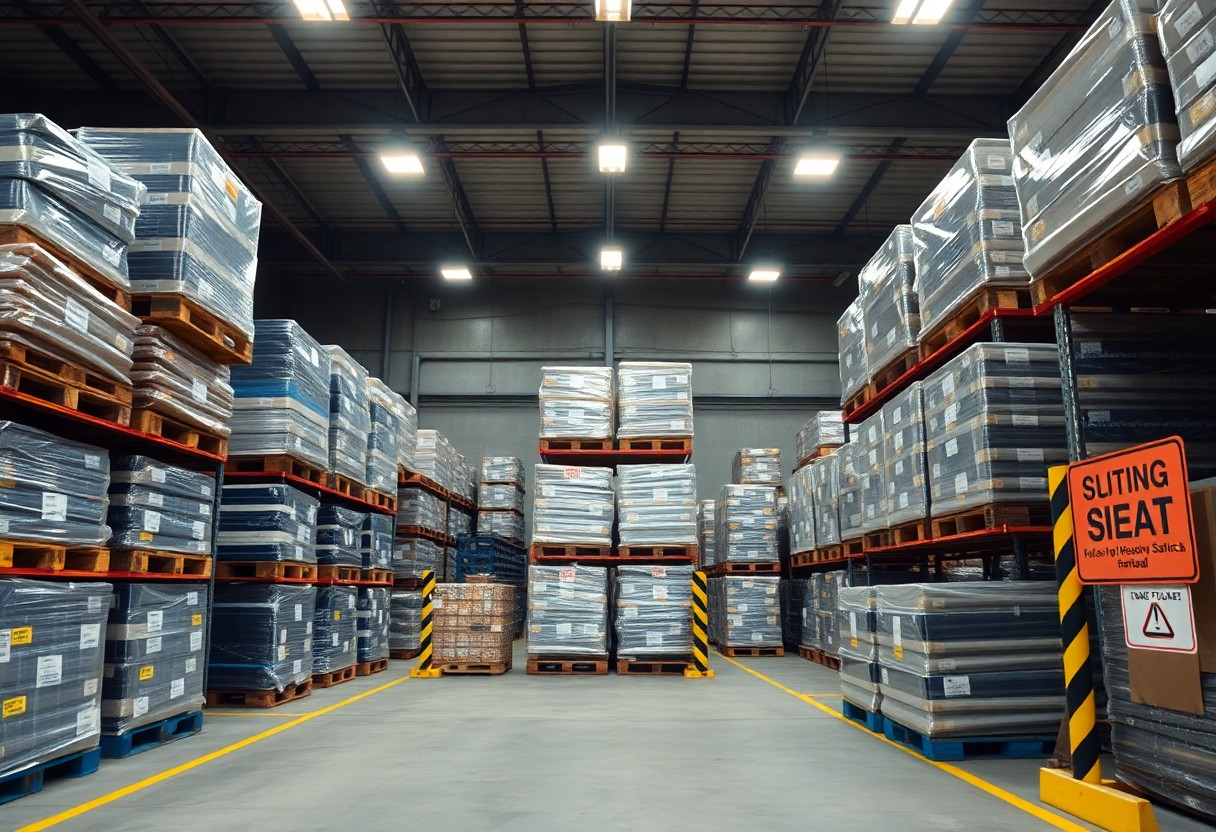
Environmental Considerations
Material storage impacts the environment; thus, you must prioritize eco-friendly practices. Implementing waste management strategies and minimizing hazardous materials not only protects the environment but also enhances your facility’s compliance with regulations. Employing sustainable storage solutions will contribute to a healthier workplace and community.
Protecting Surrounding Areas
To protect surrounding areas, ensure that your material storage complies with environmental regulations. Utilize barriers, such as berms or secondary containment systems, to prevent leaks and spills. Regular inspections help identify potential risks, allowing you to mitigate them before they can affect the environment.
Managing Spill Risks
Effective spill risk management starts with proper training and preparedness. Regularly review and practice your spill response plan to ensure all personnel are well-informed and equipped to handle incidents. Additionally, consider using non-toxic materials and employing safe storage practices to reduce the likelihood of spills occurring.
Implementing spill management strategies can significantly minimize environmental impacts. Consider setting up spill containment kits strategically at storage sites and training your team on their use. According to the EPA, over 80% of spills can be contained within the first hour if proper measures are in place. Choosing materials that are less hazardous with lower environmental risks will also decrease the urgency of potential spill responses.
Common Mistakes in Material Storage
Effectively storing materials requires diligence, as common mistakes can lead to serious safety hazards. You may find that improper stacking, neglecting weight limits, or failing to follow proper organization techniques can increase the likelihood of accidents and injuries in your workspace.
Overloading and Poor Organization
Overloading shelves and storage areas can compromise safety and stability. When you exceed weight limits or mix incompatible materials without regard for their weight distribution, you risk structural failure. Conversely, poor organization makes it difficult to access materials safely and increases the chance of items falling or being misplaced.
Ignoring Manufacturer Guidelines
Disregarding manufacturer guidelines for material storage can have dire consequences. Each product comes with specifications for ideal storage practices, including weight limits and environmental conditions. Overlooking these details not only increases the risk of damage but also endangers those who work around these materials.
For example, if you ignore the weight limit on a stack of crates, they could collapse, leading to injuries or damage. Similarly, many materials require specific temperature or humidity levels to prevent deterioration. Failure to adhere to the manufacturer’s recommendations not only shortens the lifespan of the materials but can also create hazardous situations in the workplace, impacting both safety and productivity.
Summing up
Conclusively, by adhering to proper material storage practices, you can significantly reduce the risk of accidents and injuries in your workplace. Always ensure that your materials are stacked securely, preventing them from toppling over. Utilize appropriate shelving and storage systems to optimize your space while maintaining safety. Regularly inspect your storage areas and educate your team on the importance of safe stacking and storing techniques. Prioritizing safety in material storage not only protects you and your colleagues but also enhances overall operational efficiency.
FAQ
Q: What are the best practices for stacking materials safely?
A: Best practices for stacking materials include placing heavier items at the bottom of the stack, ensuring the stack is stable and not leaning, using appropriate storage equipment (like racks or pallets), and securing stacks with straps or shrink wrap if necessary to prevent shifting.
Q: How can I determine the load capacity of my storage area?
A: To determine the load capacity, check the specifications of shelving or storage units for weight limits, consider the strength of the flooring or surface beneath, and consult with a structural engineer if necessary. It’s important to add no more than 80% of the maximum capacity to allow for safety margins.
Q: What should I do if materials are damaged during storage?
A: If materials are damaged, assess the extent of the damage and determine if the materials can still be used. Remove any damaged items from the storage area to prevent safety hazards, and report any issues to a supervisor. Regular inspections should be conducted to identify potential damage early.