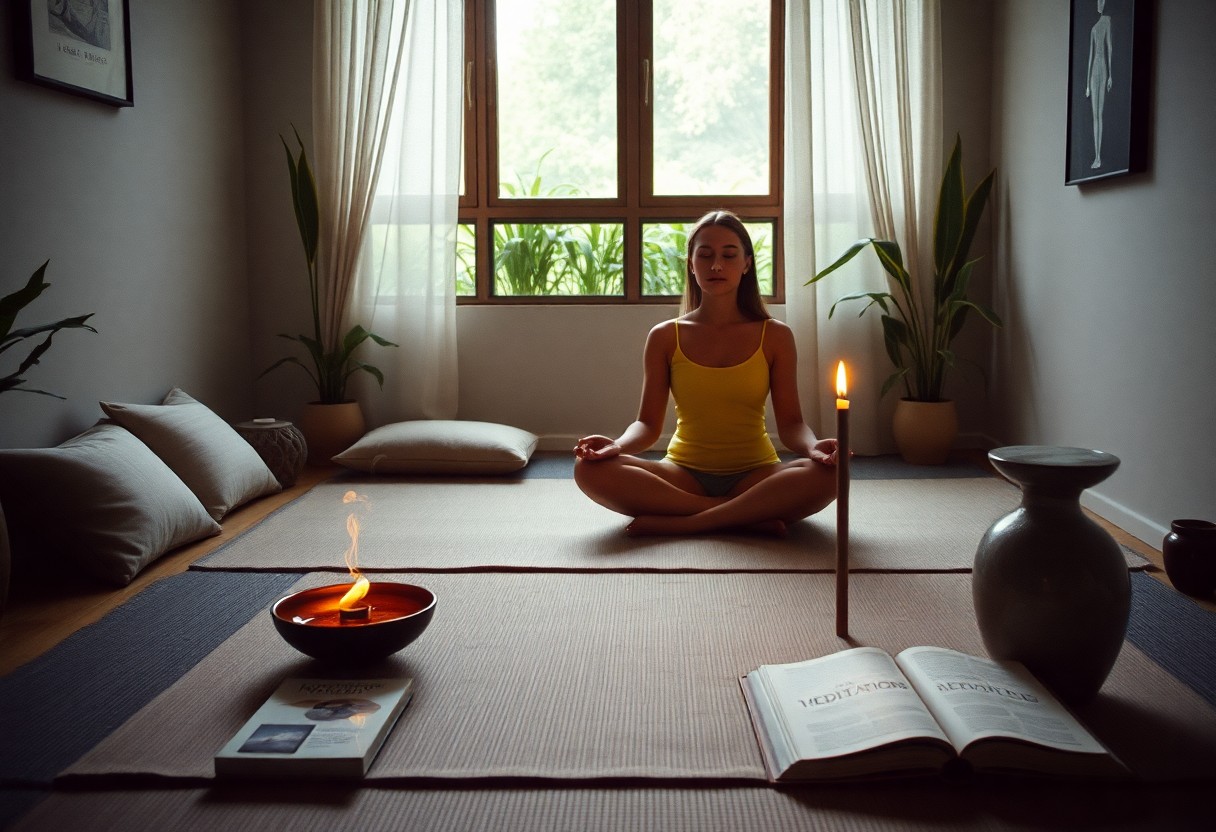
It’s crucial to prioritize your mental health, especially in today’s fast-paced world. Meditation techniques can help you calm your mind and reduce stress, enhancing your overall well-being. In this post, you’ll discover various methods that can fit into your daily routine, allowing you to reclaim your focus and find inner peace. Embracing these practices not only benefits your mental health but also contributes to improved physical safety by promoting a more balanced and centered mindset.
Key Takeaways:
- Meditation techniques can help reduce stress and promote mental clarity.
- Consistent practice enhances focus and overall emotional well-being.
- Simple breathing exercises can be effective tools for calming the mind.
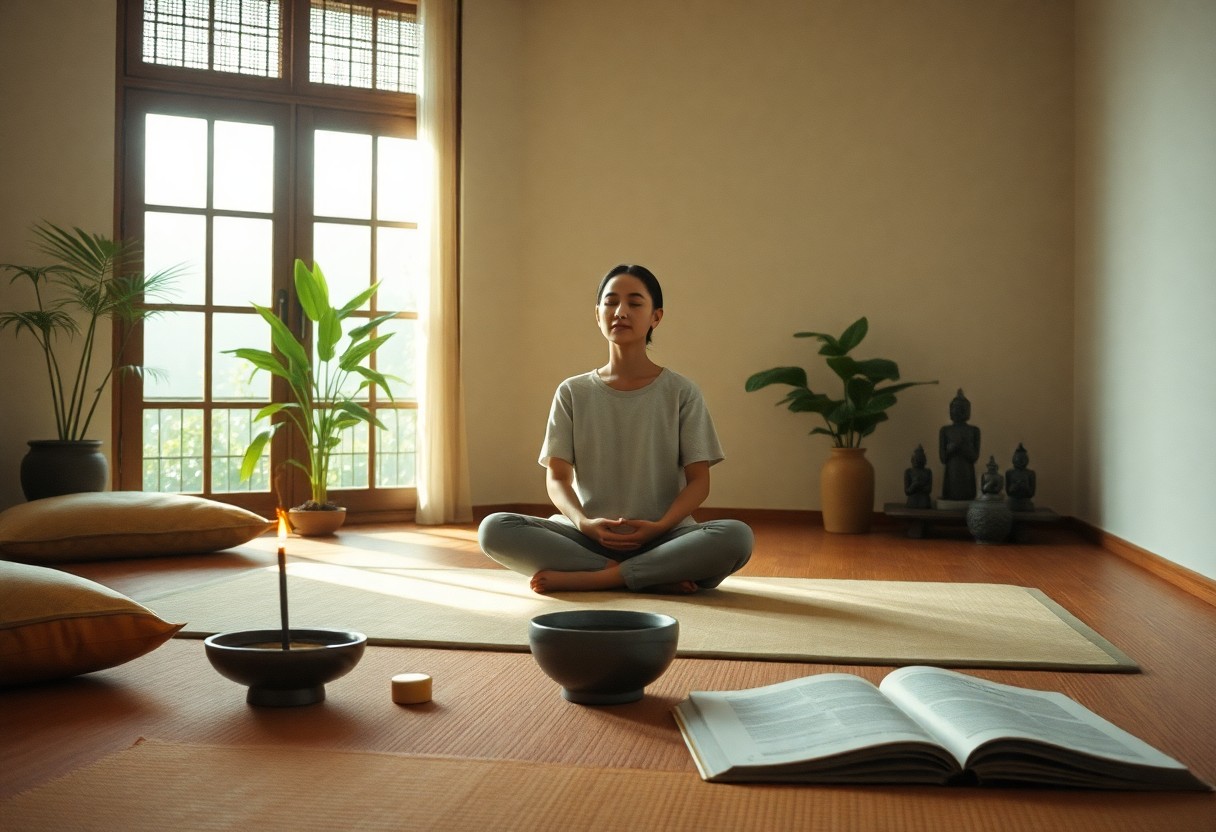
Understanding Meditation
Meditation has transformed into a vital practice for many, allowing individuals to cultivate a deeper awareness of their thoughts and emotions. By engaging in various techniques, you can enhance your mental clarity and emotional resilience. The essence of meditation lies in creating a space for introspection and connection with your inner self, paving the way for personal growth and understanding.
Definition and Purpose
Meditation is a mental exercise that focuses on achieving a state of relaxation and heightened awareness. Its purpose extends beyond mere stress reduction; it aims to foster a deep connection with yourself by quieting the mind and tuning into the present moment. This practice serves as a tool for enhancing self-awareness and promoting emotional well-being.
Benefits of Meditation
Research shows that regular meditation can significantly improve your mental health, with studies indicating reductions in symptoms of anxiety by up to 60% among practitioners. You may experience better emotional regulation, improved focus, and increased feelings of well-being through consistent practice. Moreover, meditation strengthens resilience, helping you to navigate life’s challenges with greater ease and confidence.
Incorporating meditation into your routine can lead to profound changes in various aspects of your life. For instance, participants in a nine-month meditation program reported a 35% increase in their overall sense of well-being. You might also find improvements in sleep patterns, as meditation encourages relaxation and reduces stress-related insomnia. With just a few minutes a day, the cumulative benefits of meditation can result in lasting positive changes for your mental and emotional health.
Preparing for Meditation
Preparation is necessary for a meaningful meditation experience. By creating the right mindset and environment, you set the stage for deeper relaxation and focus. Take a few moments to clear your thoughts and gather your meditation tools, such as cushions or blankets, to enhance your comfort. Invest this time in aligning your mind and body, ensuring you’re ready to embrace the soothing benefits of meditation.
Choosing the Right Environment
Your meditation environment should be both quiet and comfortable to foster relaxation. Choose a space with minimal distractions, ideally one that feels peaceful and inviting. Natural light and fresh air can enhance your experience, so consider a quiet room with a view or even a serene outdoor setting. Aim for a spot that feels safe and allows you to focus solely on your meditation practice.
Setting Intentions
Setting intentions before you begin meditating provides a clear focus for your practice. This could be as simple as wanting to cultivate inner peace or improve your concentration. Taking a moment to articulate your goals creates a purposeful atmosphere, guiding your thoughts during meditation and enhancing your overall experience.
When setting intentions, it’s helpful to be specific. Rather than a vague desire for calm, you might say, “I intend to let go of stress and embrace tranquility.” Writing down your intention can also serve as a reminder throughout your practice. Consider using phrases that resonate with you personally, as they can become a grounding mantra during meditation, keeping you focused and aligned with your goals.
Basic Meditation Techniques
Exploring basic meditation techniques can significantly enhance your mental clarity and emotional stability. Each method offers unique benefits, catering to different preferences and lifestyles. By incorporating these techniques into your routine, you can establish a foundation for a more peaceful mind and a balanced life.
Mindfulness Meditation
In mindfulness meditation, you focus on the present moment, tuning into your thoughts, feelings, and sensations without judgment. This practice encourages you to observe your mental patterns and cultivate awareness. By directing your attention to your breath or a specific sensation, you help reduce stress and anxiety while improving emotional regulation.
Guided Meditation
Guided meditation involves following along with a recorded or live instructor who leads you through a session. This practice often includes visualizations, affirmations, or soothing sounds, which help create a calming atmosphere. It is particularly beneficial for beginners, as it provides structure and direction in your meditation practice.
Guided meditation can transform your experience by offering a framework tailored to specific goals, such as relaxation, stress relief, or personal growth. Sessions typically range from 5 to 30 minutes, allowing you to choose according to your availability. The presence of an instructor can enhance your focus, as you immerse yourself in each moment, and research suggests that listeners are 30% more likely to feel relaxed compared to solo practitioners. This method makes meditation accessible, especially for newcomers, by providing clear instructions and helping maintain your attention on the session’s objectives.
Advanced Meditation Practices
As you deepen your meditation journey, you may explore advanced techniques that enhance your mindfulness and self-awareness. These practices can take your understanding and experience of meditation to new levels, allowing you to connect more profoundly with your inner self and the world around you.
- Transcendental Meditation
- Loving-Kindness Meditation
- Zen Meditation
- Vipassana Meditation
- Chakra Meditation
Advanced Techniques Comparison
| Technique | Description |
| Transcendental Meditation | A silent, mantra-based practice that promotes deep relaxation. |
| Loving-Kindness Meditation | A practice focused on generating compassion and love towards yourself and others. |
| Zen Meditation | A seated meditation that emphasizes presence and letting go of thoughts. |
Transcendental Meditation
Transcendental Meditation (TM) is a simple, effortless technique involving the silent repetition of a specific mantra. You practice this for 15-20 minutes twice a day, creating a profound state of relaxation and transcending ordinary thought patterns. TM has been associated with numerous benefits, including stress reduction and increased creativity.
Loving-Kindness Meditation
Loving-Kindness Meditation is a heart-centered practice focused on promoting unconditional love towards yourself and others. By silently repeating phrases like “May I be happy, may I be healthy,” you cultivate positive emotions. This technique enhances your empathy and helps build a sense of connectedness.
Research shows that Loving-Kindness Meditation can positively affect emotional well-being, increasing positive emotions and decreasing negative emotions. Studies indicate practitioners may experience enhanced social connectedness and improved mental health. Practicing regularly allows you to foster a sense of compassion for yourself and others, transforming your interactions and perspectives.
For more information, visit Meditation | Cornell Health.
Incorporating Meditation into Daily Life
Integrating meditation into your daily routine can yield significant benefits for your mental health and overall well-being. Start small by dedicating just a few minutes each day to practice mindfulness, whether it’s in the morning, during your lunch break, or before bed. Consistency is key; establishing a regular practice will make meditation a natural part of your lifestyle. Over time, as you experience its positive effects, you may find yourself increasing the duration and frequency of your sessions, ultimately making it an important element of your daily life.
Short Sessions vs. Extended Practices
Both short meditation sessions and extended practices have their merits. Short sessions, even lasting just 5-10 minutes, are effective for quick mental resets and can fit easily into your busy schedule. In contrast, extended practices allow for deeper exploration and bonding with your thoughts and feelings. Depending on your availability and preference, you can choose one or alternate between both to maintain a balanced approach to your meditation practice.
Meditation Apps and Resources
Meditation apps and resources have revolutionized how you can access mindfulness practices conveniently. Many apps offer guided meditations, reminders, and progress tracking, allowing you to personalize your journey. Popular options like Headspace and Calm provide structured programs that cater to different skill levels, making meditation accessible for everyone. With the flexibility to meditate anytime and anywhere, these tools can significantly enhance your practice.
Popular meditation apps can greatly enhance your experience by offering extensive libraries filled with guided sessions tailored to various goals such as stress relief, sleep improvement, and focus enhancement. For example, Calm features a “Daily Calm” meditation session that provides a fresh experience each day, while Insight Timer boasts the largest free library of guided meditations and music tracks available. Utilizing these resources can lead to better engagement and retention in your practice, ensuring you stay committed and reap the maximum benefits from meditation.
Common Challenges and Solutions
As you begin on your meditation journey, you may encounter several common challenges that can hinder your practice. Addressing these obstacles proactively can enhance your experience and foster deeper relaxation and mindfulness. Here are some key issues and their solutions to help you stay on track.
Overcoming Distractions
Distractions can arise during meditation, whether from external noises or your own racing thoughts. To combat this, try setting a dedicated space for your practice that minimizes interruptions. Using calming ambient sounds or gentle music can help drown out background noise. Additionally, when your mind wanders, kindly bring your focus back to your breath or mantra without judgment.
Dealing with Resistance
Resistance often manifests as a reluctance to sit in stillness. You may feel an urge to fidget or check your phone instead of meditating. To address this, it’s beneficial to start with shorter sessions and gradually increase the duration as you grow more comfortable. Celebrating small victories can reinforce your commitment.
When facing resistance, you can try identifying the underlying fears or discomforts that arise during meditation. Acknowledging these feelings is vital in dissolving them. You might also experiment with various meditation styles to find one that resonates better with you. For instance, guided meditations can offer structure, making it easier for you to engage. Embrace the journey rather than focusing on perfection—allowing yourself to be present and gentle can significantly reduce resistance and foster a more enjoyable practice.
Conclusion
To wrap up, incorporating meditation techniques into your daily routine can significantly enhance your mental clarity and emotional well-being. By dedicating just a few minutes each day to practice mindfulness, you can calm your mind, reduce stress, and improve your focus. These techniques not only promote relaxation but also empower you to navigate challenges with a heightened sense of awareness. Embrace these practices and observe the positive transformations in your life.
FAQ
Q: What are meditation techniques that can help calm my mind?
A: Various meditation techniques can aid in calming the mind, including focused breathing, body scan meditation, and loving-kindness meditation. Focused breathing involves concentrating on your breath to promote relaxation. Body scan meditation helps in recognizing and releasing tension in different parts of the body. Loving-kindness meditation encourages feelings of compassion and love towards oneself and others, which can foster a sense of peace.
Q: How often should I practice meditation for the best results?
A: For effective results, aim to practice meditation daily, even if only for a short period, such as 5 to 10 minutes. Consistency is key, as regular practice fosters familiarity and enables deeper relaxation over time. As you become more comfortable, you can gradually increase the duration of your sessions.
Q: Can meditation help with anxiety and stress management?
A: Yes, meditation can be a beneficial tool for managing anxiety and stress. It promotes mindfulness, allowing individuals to observe their thoughts without judgment, leading to a reduction in anxious feelings. Regular practice can enhance emotional regulation and increase resilience against stressors.