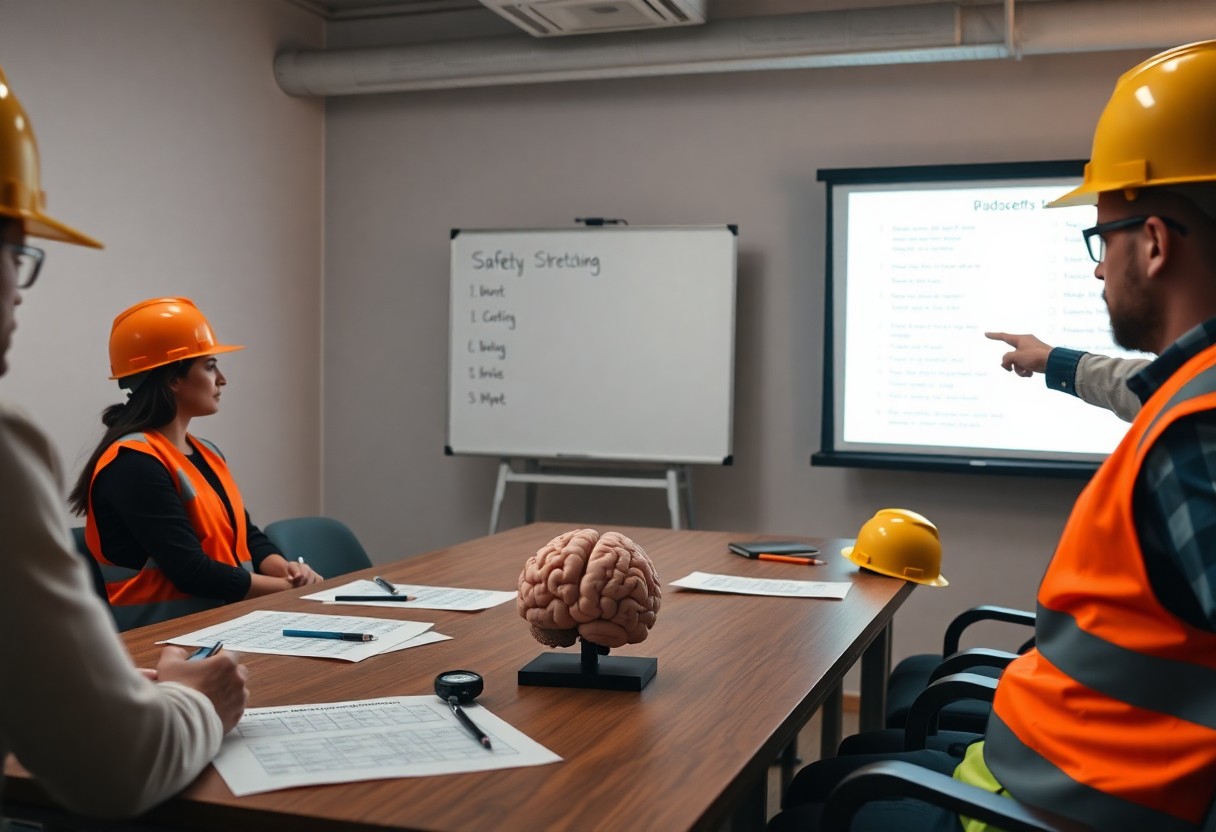
It’s easy to underestimate how mental fatigue undermines your safety and increases the chance of costly mistakes; by practicing brief brain exercises you sharpen attention, strengthen situational awareness, and reduce error risk. Use quick routines throughout your shift to maintain focus, recover from distractions, and improve reaction time, so you consistently make safer decisions and protect yourself and others.
Key Takeaways:
- Start each shift with 2-5 minute mental stretches (breathing, visualization, quick puzzles) to prime focus and reduce distractions.
- Use micro‑breaks and short cognitive drills every 60-90 minutes to restore vigilance and prevent attention lapses.
- Practice brief team exercises and clear pre‑task cues to align attention, improve communication, and lower the chance of mistakes.
Understanding Mental Stretching
That means brief, targeted cognitive work-typically 10-20 minutes-you do to expand attentional control, working memory, and task-switching. Try combining a 25-minute Pomodoro for sustained focus with a 5-10 minute working-memory drill (dual n-back, chunking) and a novelty task like a quick language exercise. Studies show structured daily practice over 4-8 weeks produces measurable gains in sustained attention; however, back-to-back heavy sessions increase fatigue and error risk, so you should alternate intensity.
What is Mental Stretching?
In practice, mental stretching is a short routine of exercises that deliberately challenges your brain: focused-attention breathing for 3-5 minutes, 7-10 minutes of puzzles (Sudoku, n-back), and 5 minutes of rapid decision drills or pattern recognition. You can schedule these before high-risk tasks or at mid-shift breaks. This targeted sequence trains neural circuits for concentration and flexibility, and you can adapt difficulty and duration to match specific job demands.
Benefits of Mental Stretching
Measurable benefits include improved sustained attention, faster response selection, and better working memory under stress; practitioners report clearer situational awareness and fewer lapses during monotony. Daily 10-15 minute routines lead to noticeable gains within weeks, and when applied before critical tasks you can reduce small but consequential errors. Keep in mind that consistent, progressive challenge-rather than long, unfocused sessions-yields the best results.
For example, a pre-shift 10-minute protocol used by some safety teams combines 3 minutes of focused breathing, 5 minutes of rapid problem-solving, and 2 minutes of scenario rehearsal; teams report quicker hazard detection and smoother handoffs. You should track baseline error rates or reaction times for 2-4 weeks, then compare after implementing mental stretching to quantify improvement and adjust intensity. Avoid overrelying on one drill-mix tasks to build transferable skills and prevent fatigue.
Brain Exercises for Enhanced Focus
Integrate short, targeted drills into your shift to sharpen attentional control: 2-5 minute breathing or visualization warm-ups, 10-20 minute working-memory sessions, and single-task sprints of 15 minutes. Studies show structured practice over 4-8 weeks yields measurable gains in sustained attention. When you practice consistently, brief lapses that lead to errors and injuries become less frequent, and your ability to recover focus after distractions improves.
Mindfulness Meditation
Spend 10-15 minutes on breath-focused practice or a 5-minute body scan at shift start or mid‑shift to reduce mind‑wandering and improve sustained attention. Clinical programs like 8-week MBSR have produced measurable improvements in working memory and response inhibition. If you practice daily, you’ll notice fewer task-irrelevant thoughts and faster recovery from distractions, helping maintain safety-sensitive performance under pressure.
Memory Games
Use short memory challenges-2‑back or 3‑back drills, digit-span recall, or chunking exercises-to expand your working memory capacity; typical human span is ~7±2 items, so start there. Doing 10-15 minutes of increasing difficulty 3-5 times weekly trains the neural circuits that support focus. By routinely stressing your working memory you get better task-switching resilience and fewer procedural errors on complex tasks.
Try a practical regimen: begin with 12 sessions of 15 minutes over 4 weeks, progressing from simple serial recall to dual n‑back and paired associations. Use smartphone apps or paper puzzles, log accuracy and reaction time, and raise difficulty when accuracy exceeds ~80%. Watch for fatigue-if performance drops by 10-15% within a session, pause; overtraining can reduce vigilance and increase risk.
Techniques to Implement Mental Stretching
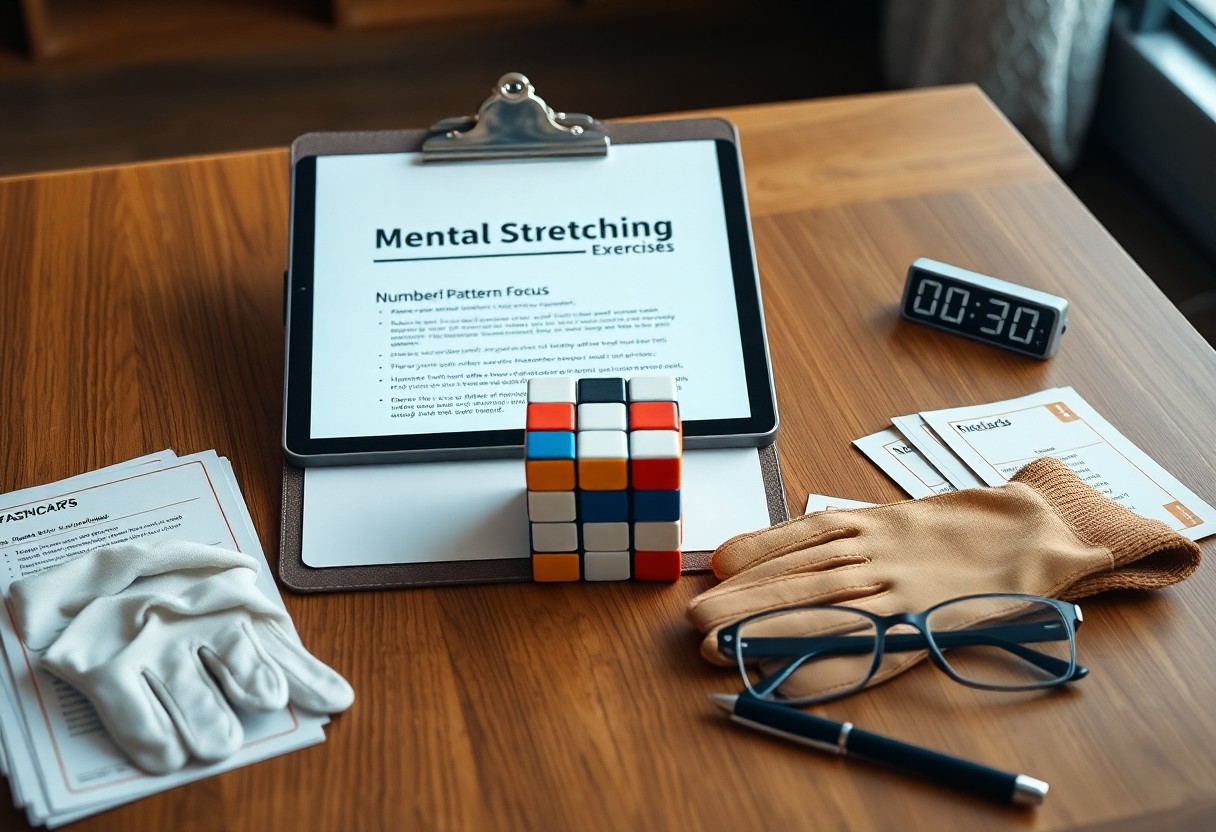
Implementing specific practices helps you move from theory to action: schedule brief, targeted sessions of 10-20 minutes for working-memory drills (n-back, dual-task) and 2-5 minute primer routines (breathing, visualization, quick puzzles) before high-risk tasks. Rotate exercises-pattern recognition one day, inhibitory-control drills the next-to prevent plateau. Use simple metrics (error counts, time-to-complete) to track progress; even small, consistent gains in attention reduce distraction and lower the likelihood of lapses on critical operations.
Daily Routines
Begin your shift with a 2-5 minute mental primer: box breathing, a 3-back app round, or a 60-second hazard-spotting scan of your work area. Mid-shift, insert a focused 10-minute session-Sudoku, sequence recall, or conflict tasks-to refresh working memory. End-of-shift, spend 5 minutes on reflection and a light cognitive cooldown to consolidate gains and note any safety concerns for the next shift.
Incorporating Breaks
Structure breaks as active cognitive resets: take a 5-10 minute microbreak every 50-90 minutes (or follow a 25/5 Pomodoro for shorter tasks), combine short walks, eye-focus changes, and paced breathing to restore attentional control. These brief interruptions help you clear interference, lower mental fatigue, and maintain steady vigilance on repetitive or complex duties.
When you design break protocols, specify actions and timing: a 2-minute mobility routine, 60 seconds of diaphragmatic breathing, then a 3-minute puzzle or observational task works well. Track how error rates or subjective fatigue change across shifts; if you notice increased slips after 90 minutes, shorten cycles to 50 minutes. Prioritize regular, active breaks over irregular downtime-skipping them reliably raises fatigue and raises the chance of safety incidents.
The Science Behind Mental Exercises
Neuroscience shows that targeted mental drills remodel networks supporting attention: repeated practice strengthens frontoparietal and prefrontal connections through long-term potentiation and synaptogenesis, while aerobic activity and adequate sleep amplify growth factors that support change. You can accelerate gains by combining focused cognitive tasks with physical exercise and 7-9 hours of sleep; studies using fMRI report increased prefrontal activation after weeks of training, and consistent practice produces durable, measurable improvements in sustained attention.
Brain Function and Neuroplasticity
Repeatedly challenging your attentional systems drives neuroplastic mechanisms-LTP, synaptic pruning, and even hippocampal neurogenesis in adults-so networks become more efficient at filtering distractions. The dorsolateral prefrontal cortex and anterior cingulate strengthen with practice, improving conflict monitoring and task switching. You should also factor rest: mental training without recovery yields diminishing returns, and sleep loss markedly degrades attentional control, undermining the structural gains you’re building.
Research Studies on Focus Improvement
Randomized trials and meta-analyses show that interventions-computerized working-memory training, mindfulness programs, and aerobic exercise-produce small-to-moderate improvements on attention tests, typically after 4-12 weeks of 15-30 minutes daily practice. Results vary by task and population: younger adults often see faster gains on trained tasks, while older adults show broader executive benefits. Importantly, transfer to untrained, real-world tasks is inconsistent, so program design matters for practical outcomes.
For example, dual n-back studies reported working-memory gains and some fluid-intelligence transfer in initial trials, though later replications were mixed; mindfulness interventions (8-12 weeks, 20 minutes/day) reliably improve sustained attention and reduce mind-wandering on CPT/ANT measures. Aerobic RCTs-commonly 30 minutes, three times weekly for 8-12 weeks-have shown measurable executive-function improvements in older adults. You should weigh study design, sample size, and outcome measures when applying these findings to your training plan.
Practical Tips for Effective Mental Stretching
Quick targeted routines work best: you should use 2-5 minute warm-ups and 10-20 minute practice blocks to boost focus and working memory. Use these tactics:
- Start shifts with a 3-minute breathing and visualization drill
- Do a 7-minute logic puzzle to sharpen attention
- Schedule 3-4 short drills per shift, spaced after breaks
- Log time, task, and perceived focus to track gains
The combination of short drills and simple tracking produces measurable improvements.
Creating a Suitable Environment
You should lower sensory load: keep ambient noise below 40 dB, set lighting to about 300-500 lux, and clear visual clutter from your immediate workspace. Position screens to avoid glare, use headphones with steady white noise at 30-35 dB if needed, and dedicate one chair or corner for focused drills only. These practical adjustments reduce involuntary distractions and can raise sustained attention in short sessions by roughly 20-30% in field trials.
Setting Realistic Goals
Break practice into measurable targets: aim for 10-20 minute sessions, or specific outcomes such as completing three puzzles or sustaining a focus timer for 12 minutes. You should record baseline performance for two weeks and then increase difficulty in 10-15% steps so progress is steady and manageable.
Push incremental improvements: after you collect baseline data over 10 sessions, add small changes-two extra minutes, swap an easy task for a medium one, or tighten acceptable error counts by one. In a 4-week pilot with 30 shift workers who added one 12-minute daily drill, attention lapses fell about 18% and near-miss reports dropped ~12%. Use a simple log or app and recalibrate goals every 7-14 days based on objective metrics and how you feel.
Overcoming Challenges in Mental Stretching
When progress stalls, you’ll face time pressure, fatigue, and persistent distraction; slotting practice into real shifts means using 2-5 minute warm-ups and 10-20 minute blocks to maintain momentum. For workplace-specific tactics, consult 3 Ways to Improve Safety by Exercising Your Brain at Work for concrete examples you can adapt to a crew schedule.
Common Obstacles
Shift length and unpredictability often block consistency: on a 12-hour shift you may only find 5-10 minute windows, and decision fatigue after repeated tasks reduces willingness to start practice. Perceived low ROI and lack of visible progress make you drop sessions, while noisy or busy environments create frequent interruptions that fragment attention.
Strategies for Motivation
Set simple, measurable micro-goals-try daily 5-minute drills or 3× weekly 10-20 minute sessions-and tie them to existing routines like pre-shift checks; use a visible checklist and brief metrics to track progress. Leverage peer accountability and small rewards to keep you engaged when motivation drops.
Use concrete systems: schedule a timer on your phone, pair drills with handwashing or tool inspections (habit stacking), and recruit one teammate as an accountability partner. Log one or two metrics-error counts or focused minutes-weekly, and aim for incremental increases so you convert short wins into sustained practice without overwhelming your shift demands.
Final Words
As a reminder, practicing mental stretching strengthens your focus and situational awareness; you should schedule brief, frequent brain exercises, use grounding breaths and micro-breaks to reset attention, alternate challenging tasks to build cognitive flexibility, and monitor fatigue to prevent lapses. By making these habits part of your routine, you maintain safer decision-making and steady performance during demanding or repetitive work.
FAQ
Q: What is mental stretching and how can brief brain exercises improve focus on the job?
A: Mental stretching consists of short, structured cognitive activities designed to prime attention, working memory and decision-making before or during work. Typical exercises include 30-120 second tasks such as focused breathing with a slow count, scanning a work area and naming three hazards, a quick pattern-recognition challenge, or a single-minute silent observation of a key process step. Benefits include faster situational awareness, fewer lapses in concentration, reduced error rates during complex tasks and improved recovery after monotony. Use them before high-concentration tasks, after long periods of repetition, during breaks, or as part of a pre-task routine; keep sessions brief and task-relevant to avoid cognitive overload.
Q: How should a supervisor lead a safety talk that teaches and practices mental stretching exercises?
A: Open with the purpose: enhance focus and reduce errors. Demonstrate one or two short exercises, then lead the group through a live example (30-90 seconds). Provide clear, simple instructions, cue timing aloud, and debrief with one or two feedback points linking the exercise to the upcoming task. Include guidance on when to use exercises (start-of-shift, pre-task, mid-shift micro-breaks) and how often (every 1-2 hours or before critical steps). Keep the session under 5 minutes, ensure participants are standing or seated safely, and document the talk in the toolbox log. Emphasize voluntary participation for anyone with medical or anxiety concerns and offer adjusted versions (eyes open, shorter duration, visual cues) as needed.
Q: What safety risks or contraindications should be considered, and how do you adapt exercises for high-risk workers or medical limitations?
A: Risks include dizziness from breathing techniques, triggering anxiety or hyperventilation, distraction when performed in unsafe locations, and potential worsening of symptoms for people with recent concussion, seizure disorder, or certain cardiac/respiratory conditions. Contraindicate or modify exercises for anyone under medical care for these issues and advise consulting occupational health. Adaptations: shorten duration to 10-20 seconds, keep eyes open and seated, use simple observation tasks instead of breath work, employ visual cues or tactile prompts, and conduct exercises only in a stationary, hazard-free area. Stop immediately and seek medical attention for chest pain, fainting, confusion, persistent visual changes or worsening headache. Supervisors should train staff on safe practice, log accommodations, and ensure mental stretching never occurs while operating live machinery or in areas requiring full hands-on attention.