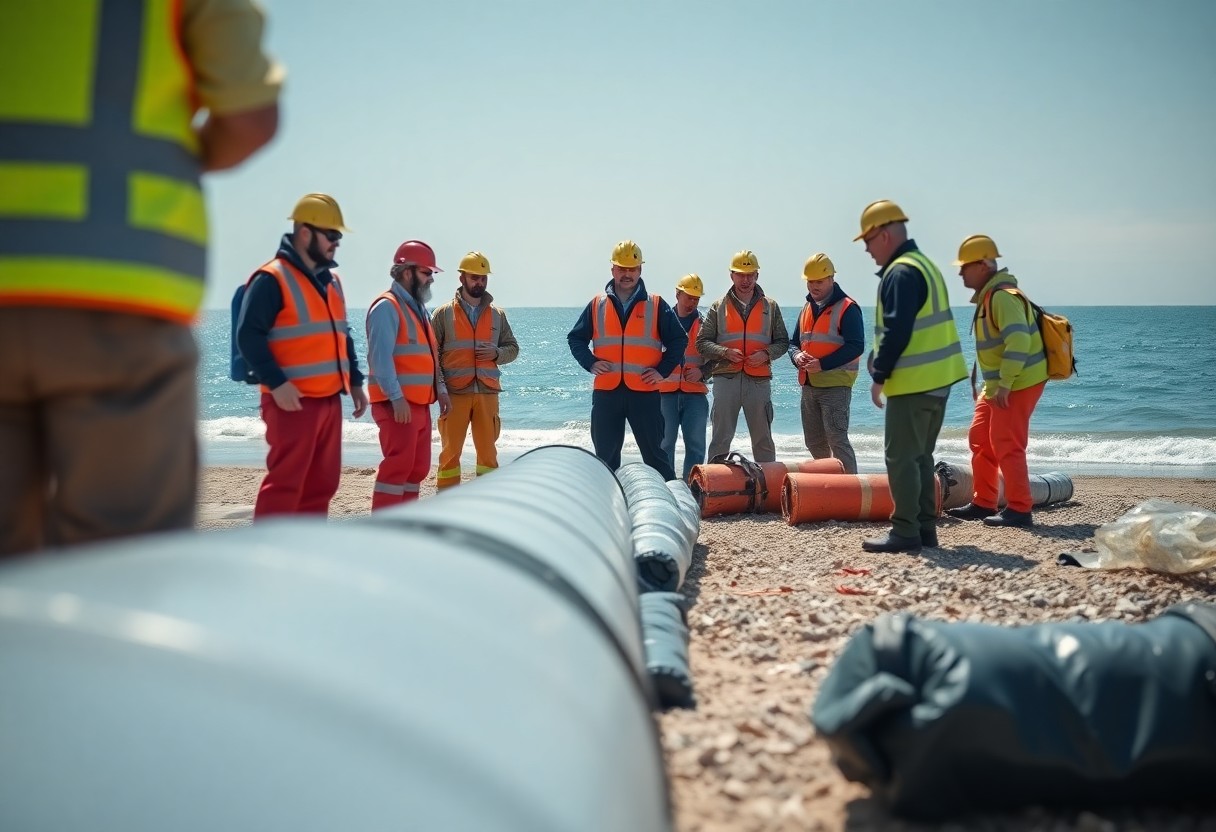
Many individuals and organizations underestimate the impact of oil spills on the environment and public health. Understanding preventive measures can significantly reduce the risk of spills in your area, while knowing the proper response protocols ensures swift action in case of an incident. By prioritizing safety, you contribute to a healthier ecosystem and protect your community. This post will guide you through necessary strategies for preventing oil spills and effective response techniques to mitigate their consequences.

Key Takeaways:
- Implement regular training sessions for staff on spill prevention and response protocols.
- Maintain and inspect response equipment to ensure it is ready for immediate use.
- Establish clear communication and reporting procedures for spill incidents.
Understanding Oil Spills
Oil spills can occur in various environments, causing significant hazards to ecosystems and human health. These events result from leaks, accidents, or intentional discharges of oil, often leading to extensive damage to wildlife and marine habitats. Without effective prevention and response strategies, the ramifications can last for years. Understanding the nature and types of oil spills helps in developing better management practices for protection.
Types of Oil Spills
There are several types of oil spills, each characterized by the source and environment. Marine spills occur when oil is released into oceans, while land spills can happen on soil or at manufacturing facilities. Additionally, pipeline leaks and tanker accidents are common origins of large-scale spills. Each type poses unique challenges for response efforts.
- Marine spills – Affect oceans and coastlines
- Land spills – Contaminate soil and groundwater
- Pipeline leaks – Often go unnoticed until significant damage occurs
- Tanker accidents – Frequently result in large-scale environmental disasters
- Thou the impact varies, preparation is key.
| Type of Spill | Characteristics |
| Marine Spills | Impact oceans, affecting marine life. |
| Land Spills | Contaminate soil and can harm local ecosystems. |
| Pipeline Leaks | Often unnoticed, leading to prolonged exposure. |
| Tanker Accidents | Can lead to catastrophic environmental outcomes. |
| Natural Disasters | Occasionally exacerbate spill effects. |
Environmental Impact
The environmental impact of oil spills is profound, often leading to long-term devastation of ecosystems. Wildlife can suffer from habitat loss, and marine species face population declines due to exposure to toxic substances. Contaminated water sources may also endanger human health, as oil pollutants can enter food and water supplies, causing health concerns.
More extensive studies reveal that oil spills can severely disrupt food webs and lead to loss of biodiversity. Aquatic organisms, including fish and marine mammals, may experience reproductive failures or increased mortality rates. The clean-up process itself can further damage local habitats. Thus, prevention and quick response are imperative to mitigate these severe environmental consequences and protect ecosystems.
Prevention Strategies
Implementing effective prevention strategies is vital to minimizing oil spill risks. Establishing a comprehensive risk assessment protocol allows you to identify potential vulnerabilities in your operations, ensuring appropriate measures are in place. Regular training sessions for your team will enhance awareness and responsiveness, while clear communication channels among all stakeholders foster collaboration in spill prevention efforts. Keeping up with industry regulations and standards ensures your facility remains compliant, significantly reducing the likelihood of spills occurring.
Best Practices for Oil Handling
To mitigate spill risks, adopting best practices for oil handling is vital. You should always utilize secondary containment systems, such as double-walled tanks, to prevent leaks. Implementing routine inspections of storage and transfer equipment can catch issues before they escalate. Additionally, establishing strict protocols for loading and unloading oil can minimize the chances of spillage during these critical operations.
Equipment and Maintenance
Proper maintenance of equipment is key to preventing oil spills. You must adhere to a consistent maintenance schedule, including regular inspections and prompt repairs for any identified issues. Utilizing advanced technology, such as automated leak detection systems, enables you to monitor potential problems in real-time, providing an added layer of safety. Training your personnel in proper equipment handling will further protect against spills that might occur from human error.
Focus on maintaining all oil-handling equipment in peak condition to reduce spill risks effectively. This includes using high-quality materials for pipes and hoses resistant to corrosion and wear. Each component should be inspected frequently to ensure functionality and safety. Investing in modern equipment, such as pressure regulators and automatic shut-off valves, can help manage potential spills during operations. Documenting all maintenance activities will create a reliable audit trail, vital for regulatory compliance and continuous improvement in spill prevention strategies.
Emergency Response Planning
Your emergency response plan must be comprehensive, addressing potential spill scenarios tailored to your specific operations. Identifying key personnel, resources, and communication protocols ensures you can react quickly and efficiently. Furthermore, conducting a thorough risk assessment will help you prioritize focus areas, such as vulnerable environments and high-risk activities, reinforcing your spill preparedness.
Developing a Response Plan
Start by assembling a dedicated team to draft a detailed response plan, incorporating industry best practices and regulatory requirements. This plan should outline immediate actions, resource allocation, and a clear chain of command. Involving local stakeholders and emergency services in the planning process fosters collaboration, enhancing effectiveness when a spill occurs.
Training and Drills
Regular training and drills are important for ensuring your team is prepared for a real incident. Scheduling exercises that simulate different spill scenarios allows you to test the response plan’s effectiveness and identify areas for improvement. By involving all team members in these exercises, you enhance teamwork and confidence in handling spills.
Effective training and drills go beyond mere walkthroughs; they should involve realistic scenarios that challenge your team and encourage critical thinking. Consider using tabletop exercises and field drills to cover various aspects of spill response, such as containment, recovery, and environmental protection. According to OSHA guidelines, a well-trained team can significantly reduce the impact of a spill on both people and the environment. Engaging local response organizations in these drills not only builds relationships but also enhances community resilience against spills.
Immediate Response Actions
In the event of an oil spill, your immediate response actions are vital in mitigating environmental impact and ensuring safety. Promptly activating your emergency response plan, mobilizing trained personnel, and establishing clear communication channels are imperative. Consult the Oil Spills – Response | Occupational Safety and Health … guidelines for detailed procedures on managing oil spills effectively.
Identification and Assessment
Quick identification of the spill source and volume is necessary for effective response. Utilize tools such as aerial surveillance or ground assessments to quantify the spill’s extent and determine potential risks to nearby ecosystems and human health. This data enables you to prioritize response efforts and allocate resources appropriately.
Containment and Recovery Techniques
Upon assessing the spill, employing effective containment and recovery techniques is imperative. Booms, sorbents, and skimmers are among the tools you can use to minimize the spread of oil and recover it efficiently. Be sure to select techniques based on the spill type, location, and environmental conditions for maximum effectiveness.
Deploying booms creates a barrier to contain the spill, preventing further dispersal into surrounding waters. You can choose between inflatable or solid booms, with solid booms being ideal for calm water conditions. Sorbent materials, which absorb oil while repelling water, can supplement your primary containment methods. Skimmers facilitate the removal of oil from the water surface, collecting it for disposal or recycling. Each containment tool has limitations and advantages, requiring strategic selection based on factors such as spill volume and environmental sensitivity. Effective containment and recovery not only protect the environment but also ensure compliance with regulatory standards.
Cleanup Operations
Cleanup operations are vital to restore the affected area after an oil spill. Your approach will depend on numerous factors, including the spill’s size, location, and the type of oil involved. Rapid deployment of resources and trained personnel is important to minimize environmental damage and expedite recovery, aiming to bring the affected area back to its pre-spill condition.
Techniques and Technologies
Utilizing effective techniques and advanced technologies can greatly enhance your cleanup efforts. Methods such as skimming, vacuum extraction, and bioremediation focus on removing oil from water and soil. Innovative technologies like absorbent materials and dispersants can augment these techniques, allowing for greater efficiency in various environmental conditions, ensuring you are equipped for effective spill management.
Waste Management and Disposal
After an oil spill, you must also address waste management and disposal to mitigate further environmental impacts. Proper classification and handling of contaminated materials safeguard against potential hazards and ensure compliance with environmental regulations.
To effectively manage waste generated from cleanup operations, you should categorize materials based on contamination levels, employing designated hazardous waste disposal methods for severely affected items. Utilizing biodegradable absorbents helps minimize landfill impacts, while local regulations govern the disposal of recovered oil and contaminated debris, ensuring adherence to all environmental standards. Engaging with certified disposal facilities can streamline the process, offering specialized treatment options that reduce the overall ecological footprint of the cleanup efforts.
Regulations and Compliance
Adhering to regulations and compliance standards is important for effective oil spill prevention and response strategies. Understanding these guidelines helps you safeguard the environment, avoid costly penalties, and uphold your organization’s reputation. Familiarize yourself with both local and federal regulations that apply to your operations, ensuring your practices align with established protocols and industry standards.
Local and Federal Requirements
Local and federal requirements for oil spill management include adherence to the Clean Water Act and specific state regulations, which mandate the development of spill prevention plans and proper training for personnel. You must also ensure that your facility has the necessary equipment and personnel ready for immediate action in response to potential spills, as outlined by the U.S. Environmental Protection Agency (EPA) and local regulatory bodies.
Reporting and Communication Protocols
Your reporting and communication protocols must ensure rapid notification of authorities and stakeholders during an oil spill incident. You are required to have clear channels of communication defined, detailing who to contact, the information to relay, and timelines for reporting incidents, which helps facilitate a timely and coordinated response.
Establishing efficient reporting and communication protocols is important during an oil spill event. You should create a spill response communication plan that includes contact information for local authorities, emergency response teams, and environmental agencies. Ensure your team is trained to use this plan effectively, and conduct regular drills to reinforce these protocols. A well-defined process facilitates rapid response, minimizing environmental damage and ensuring compliance with notification requirements. Regular reviews of incident reports and communication strategies can enhance your readiness, allowing you to adapt to any changes in regulations or operational needs.
Final Words
Upon reflecting on oil spill prevention and response, it is imperative that you recognize your role in safeguarding the environment. You must stay informed about best practices, utilize proper equipment, and participate in training to effectively manage potential spills. By prioritizing safety and preparedness, you not only protect natural resources but also contribute to a sustainable future. Embrace your responsibility to act swiftly and decisively should a spill occur, ensuring a rapid and effective response that minimizes impact.
FAQ
Q: What are the primary steps in preventing oil spills?
A: The primary steps in preventing oil spills include regular equipment maintenance, using spill containment systems, training personnel on safety procedures, and implementing safety management plans. Additionally, ensuring proper storage of oil and hazardous materials, conducting routine inspections, and adhering to regulatory requirements are vital for spill prevention.
Q: How should an organization respond to an oil spill incident?
A: In response to an oil spill, organizations should activate their emergency response plan, which includes notifying appropriate authorities, containing the spill using absorbent materials or barriers, and safely recovering spilled oil. It is vital to assess the impact on the environment and assess potential cleanup methods, while ensuring the safety of all personnel involved.
Q: What training is necessary for employees to handle oil spills effectively?
A: Employees should receive training on spill response protocols, the proper use of personal protective equipment (PPE), and the operation of spill response equipment. Additionally, they should be educated on environmental regulations, the significance of timely reporting, and effective communication strategies during an oil spill incident.