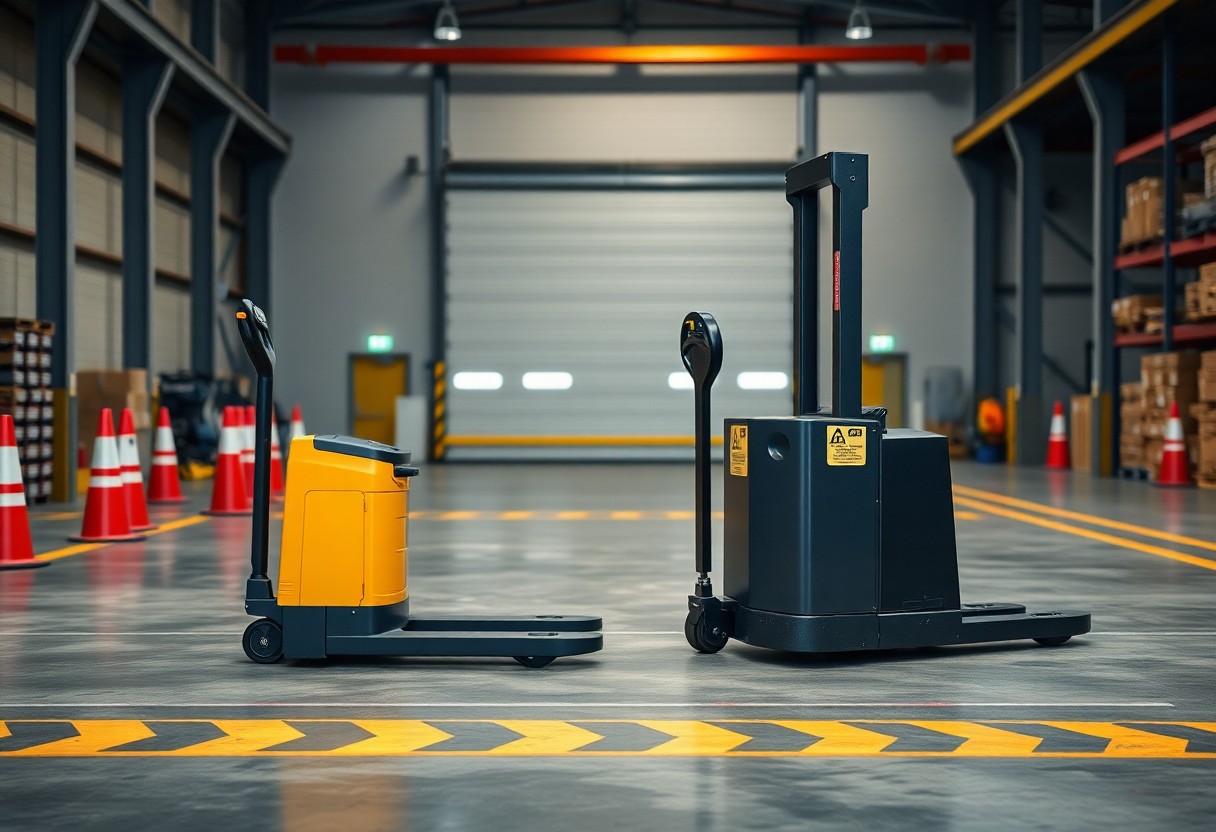
With proper knowledge and practices, you can significantly enhance your safety while operating pallet jacks, whether manual or electric. Understanding the key safety protocols, recognizing potential hazards, and utilizing appropriate gear are imperative aspects of preventing accidents. By focusing on these aspects, you can ensure not only your safety but also the safety of those around you in the workplace. This guide will provide you with imperative insights to operate pallet jacks confidently and securely.
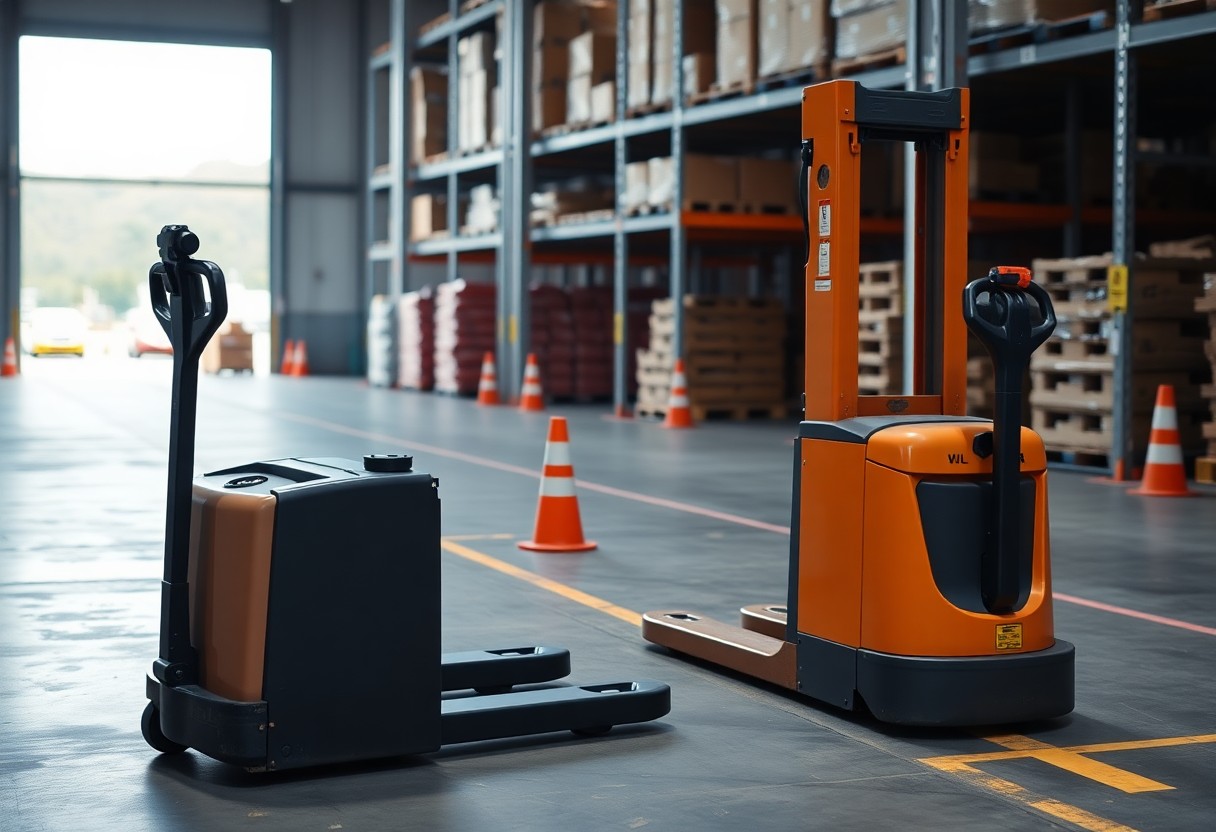
Key Takeaways:
- Ensure proper training on both manual and electric pallet jacks to operate safely.
- Check equipment for defects and perform maintenance regularly to prevent accidents.
- Maintain clear visibility and a safe environment while using pallet jacks to avoid collisions.
Understanding Pallet Jacks
Pallet jacks are important tools for moving heavy loads within a warehouse or retail environment. They come in both manual and electric variants, designed to provide you with the necessary support for lifting and transporting products efficiently. The right pallet jack can enhance your workflow, allowing for safer handling of materials, ultimately reducing the risk of workplace injuries.
Types of Pallet Jacks
There are several types of pallet jacks suited to different tasks and environments. Understanding their function and application can significantly enhance your operational efficiency:
- Manual Pallet Jacks – Operated by hand, allowing you to lift and move pallets with physical effort.
- Electric Pallet Jacks – Powered by a battery for easy lifting and reducing manual labor.
- High-Lift Pallet Jacks – Designed to lift pallets to a height for easier picking and packing.
- Heavy Duty Pallet Jacks – Built to handle heavier loads, providing increased durability.
- Rough Terrain Pallet Jacks – Equipped with larger wheels, suitable for outdoor or uneven surfaces.
Thou should choose the right type based on your specific lifting needs and work environment.
| Type | Use |
| Manual Pallet Jack | Ideal for lightweight tasks in tight spaces. |
| Electric Pallet Jack | Used primarily in larger warehouses for heavy loads. |
| High-Lift Pallet Jack | Facilitates easier access to products stored above ground level. |
| Heavy Duty Pallet Jack | Allows for safe transportation of materials exceeding standard weights. |
| Rough Terrain Pallet Jack | Designed for outdoor use on uneven surfaces. |
Key Components and Operation
The effectiveness of a pallet jack lies in its key components, including the forks, hydraulic pump, and handle. Familiarizing yourself with these parts is important for safe operation. The forks are designed to slide under pallets, the hydraulic pump lifts the load, and the handle controls movement direction. Ensuring these components are in good condition can prevent accidents and improve efficiency during lifting tasks.
The hydraulic pump system in pallet jacks allows for safe lifting, with a typical lift capacity ranging from 2,000 to 5,500 pounds. When using a manual pallet jack, you pump the handle to raise the forks and control the lowering speed with a release lever. Electric pallet jacks often feature a throttle for ease of use. Inspect connections for wear and make sure the wheels are free from debris. Regular maintenance enhances the longevity and functionality of your pallet jack, ensuring that it meets your heavy lifting demands safely. Always engage the safety features designed to prevent unintentional movement while in operation.
Manual Pallet Jack Safety
When using a manual pallet jack, safety is paramount to avoid accidents and injuries. Familiarize yourself with the equipment and always follow established safety protocols. Proper training and vigilance during operation significantly reduce the risk of mishaps, ultimately ensuring a safer workplace environment.
Pre-Operation Checks
Before operating a manual pallet jack, conduct thorough pre-operation checks to ensure its functionality. Inspect the wheels for damage, test the hydraulic system for leaks, and confirm that the forks are in good condition. Ensuring that the handle moves smoothly and the braking system is effective contributes to safe handling and operation.
Safe Operating Practices
Adopting safe operating practices while using a manual pallet jack is imperative for preventing injuries. Always maintain a proper posture, keep your hands clear of the moving parts, and avoid overloading the pallet jack beyond its weight capacity, typically about 5,500 pounds. Keep your path clear of obstacles and always push rather than pull the load for better control and stability.
Implementing these safe operating practices includes ensuring visibility when moving loads; if your view is obstructed, seek assistance or use a designated spotter. Always keep your hands on the handle for optimal control and maintain a safe distance from others in the vicinity. If you encounter any issues during operation, cease use immediately and report the problem for resolution before resuming activities. Making safety a priority will not only enhance your personal safety but also contribute to a collaborative and secure working environment.
Electric Pallet Jack Safety
When operating an electric pallet jack, prioritizing safety is crucial to prevent injuries and accidents. These machines, while efficient, require users to be aware of their surroundings and to follow specific protocols to ensure the safe handling of heavy loads. Routine inspections and understanding the vehicle’s features can significantly reduce risks and improve overall safety in your workplace.
Pre-Operation Safety Measures
Before using an electric pallet jack, conduct a thorough inspection of the equipment. Check for damaged components, ensure that the battery is charged, and verify that the horn and lights are functioning. Familiarize yourself with the controls and operating features of the unit, ensuring you know how to stop or maneuver quickly. This preparatory step helps mitigate the chance of malfunction during operation.
Proper Usage and Handling
Proper handling of an electric pallet jack involves following manufacturer guidelines and maintaining an awareness of your environment. Always keep your load within the recommended weight limit and ensure it is evenly distributed. Navigate only on designated paths, avoid congested areas, and use caution around corners and blind spots. Additionally, always engage the parking brake when not in use, and never operate the jack while standing on the forks.
Implementing proper usage techniques is vital for safety and efficiency. Load balancing is paramount; for example, a load exceeding the jack’s 2,500-pound capacity can lead to tipping or loss of control. Additionally, always face the direction of travel while steering, as this grants better visibility. Keep your hands clear of moving parts and watch for potential hazards like uneven flooring or pedestrians. Cultivating these habits not only enhances personal safety but also supports a safe working environment for all staff.
Common Hazards and Risks
When using pallet jacks, both manual and electric, you face various hazards that can lead to serious injuries. Common risks include tipping, collisions with objects or pedestrians, and improper lifting techniques resulting in strain or injury. Additionally, the risk of electrical hazards exists for electric pallet jacks, especially in wet environments or when operating near conductive surfaces. Awareness of these risks is vital for safe operation.
Identifying Risks
To enhance safety, start by identifying risks associated with pallet jack use in your work environment. Look for obstacles in your path, uneven surfaces, and potential interaction with other equipment and personnel. Regularly assess equipment conditions, checking for damages that might lead to malfunctions. By recognizing these elements, you set the stage for minimizing hazards.
Preventative Measures
Implementing preventative measures significantly reduces the chance of accidents while using pallet jacks. Conduct regular training, ensure proper maintenance, and encourage a culture of safety awareness among your team. Utilize warning signs in high-traffic areas and establish a clear loading and unloading protocol to maintain organization.
Emphasizing safety training for employees is important; consider conducting monthly safety workshops where you review proper handling techniques, load weight limitations, and ergonomic practices. Implementing routine maintenance checks on equipment ensures that any potential mechanical failures are addressed promptly. Establishing clearly marked pathways and using communication methods, like walkie-talkies, can significantly enhance awareness and coordination on the floor. Such proactive measures not only promote safety but also contribute to an overall efficient operation.
Training and Compliance
Importance of Training
Effective training is crucial for ensuring your safety when operating both manual and electric pallet jacks. Engaging in comprehensive training programs helps you understand the equipment’s functionalities and safety features. Understanding best practices not only minimizes risks but also boosts efficiency in your operations. For more detailed information, visit the Pallet Jack Safety Training and Certification FAQs.
Regulatory Standards
Regulatory standards specify the training requirements for pallet jack operators to ensure workplace safety. The Occupational Safety and Health Administration (OSHA) mandates that operators receive proper instruction, including both theoretical knowledge and practical skills. Compliance with these standards prevents workplace accidents and promotes a safe working environment.
These regulatory standards are backed by statistics; OSHA states that inadequately trained operators contribute significantly to accidents. According to research, effective training programs can reduce the likelihood of incidents by up to 80%, highlighting the importance of adhering to safety regulations. Ensuring compliance with these standards not only protects you but also maintains organizational integrity and productivity.
Maintenance and Inspections
Regular maintenance and inspections of pallet jacks are necessary for safe operation and longevity. You should conduct thorough checks on the pallet jack’s components, including wheels, forks, and hydraulic systems, ensuring everything functions optimally. Addressing wear and tear proactively can prevent accidents and downtime, keeping your operations running smoothly.
Routine Maintenance Practices
Implementing routine maintenance practices is necessary for the effective performance of your pallet jacks. Daily checks should include inspecting the battery levels for electric models, testing brakes, and ensuring that the steering operates smoothly. Lubrication of moving parts should be scheduled according to the manufacturer’s guidelines, which aids in maintaining efficiency and preventing mechanical failure.
Scheduling Regular Inspections
Scheduling regular inspections is a vital aspect of pallet jack maintenance. You should perform comprehensive inspections at least once a month, looking for signs of wear, damage, or any components that may need replacement. Keeping a detailed log of these inspections helps monitor the condition of your equipment, ensuring you can address any issues before they lead to safety hazards.
Regular inspections not only enhance safety but also maximize the lifespan of your pallet jack. Use a checklist to evaluate key components such as the lift mechanism, electrical connections, and wheels. Documenting your findings provides accountability and can help with keeping up-to-date records for compliance and safety audits. Establishing a rigorous schedule minimizes the risk of unexpected breakdowns, ultimately contributing to a safer work environment.
Summing up
So, understanding proper pallet jack safety, whether operating manual or electric models, is imperative for protecting yourself and your coworkers. Always ensure you are trained in the equipment you use, maintain clear paths while transporting goods, and follow load capacity guidelines. By prioritizing safety precautions, you minimize the risk of accidents and injuries in the workplace, leading to a more productive environment. Your commitment to safety not only benefits you but also fosters a culture of responsibility among your peers.
FAQ
Q: What are the basic safety precautions for using a manual pallet jack?
A: Before using a manual pallet jack, ensure that the load is within the jack’s weight capacity. Always inspect the pallet jack for damage or wear, particularly the wheels, forks, and lifting mechanism. When operating, maintain a clear path and use proper lifting techniques by keeping your back straight and bending your knees. Always engage the parking brake when stationary.
Q: How can I ensure safe operation of an electric pallet jack?
A: To operate an electric pallet jack safely, familiarize yourself with the controls and emergency stop features. Always perform a pre-operation check for battery charge, functional controls, and any visible damages. When transporting loads, keep the forks low to the ground for stability and avoid sharp turns. Wear appropriate personal protective equipment (PPE) and ensure the area is free from hazards.
Q: What training is required for employees who operate pallet jacks?
A: Employees must receive proper training that covers the operation of both manual and electric pallet jacks. Training should include load handling techniques, identifying safety hazards, operating procedures, and emergency response actions. Regular refreshment training may also be beneficial to ensure ongoing compliance with safety standards.