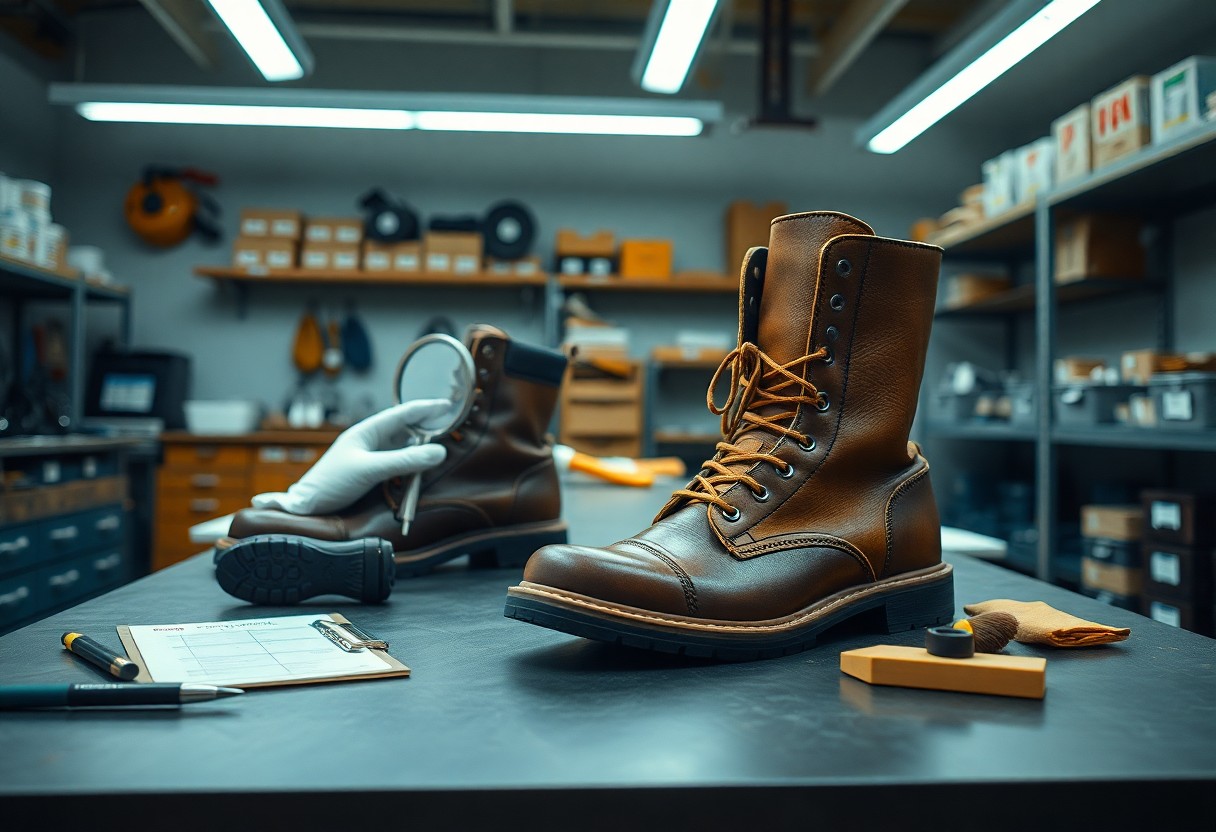
Protection of your hands and feet is vital in any workplace; you must assess hazards and select appropriate gloves and safety footwear that resist cuts, punctures, chemicals and impact. Check fit, maintain condition, and inspect PPE before each shift to ensure continued protection. Use certified options with slip and impact resistance, and replace damaged items immediately so you preserve your mobility, dexterity and overall safety on the job.
Key Takeaways:
- Match PPE to hazards: select gloves and footwear rated for cuts, chemicals, heat, impact, electrical and slip resistance; verify chemical compatibility and toe protection (steel/composite/metatarsal) for the task.
- Ensure correct fit, inspection and maintenance: inspect before each use, remove and replace damaged or contaminated items, clean and store per manufacturer instructions, and use proper donning/doffing to avoid contamination.
- Provide training and enforce use: train workers on limitations, proper selection, care and use of hand and foot PPE; enforce policies and report/replace compromised PPE immediately.
Importance of Hand Protection
Your hands perform fine manipulation yet face frequent threats like cuts, chemical exposure, thermal burns, and impact, all of which cause lost workdays and long-term impairment; standards such as ANSI/ISEA 105 and EN ratings give measurable performance levels for cut, puncture, chemical breakthrough, and heat resistance. This proper selection, fit, inspection, and replacement reduces incidents and operational downtime.
- Cut resistance
- Chemical resistance
- Thermal protection
- Impact protection
- Electrical insulation
| Cut / Puncture | Cut‑resistant gloves (HPPE, glass‑fiber, stainless overlays; ANSI/ISEA 105 ratings) |
| Chemicals | Chemical‑resistant gloves (nitrile, neoprene, butyl; check permeation charts) |
| Heat / Thermal | Heat‑resistant gloves (leather, aluminized, thermal liners for high temps) |
| Impact / Crushing | Impact gloves with reinforced knuckles and palm padding |
| Electrical | Insulating rubber gloves (Class 0-4 per ASTM/IEC) used with leather protectors |
Types of Hand Hazards
Mechanical threats like cuts, abrasions, and pinch points are common in fabrication; chemical threats range from solvents to strong acids with varying breakthrough times; thermal risks include hot surfaces and molten materials; electrical hazards involve arcing and shock; biological exposure can transfer pathogens through skin breaches. This requires you to assess tasks, document exposure durations, and match glove materials and ratings to the specific hazard profile.
Personal Protective Equipment (PPE) for Hands
Glove selection should be task‑specific: use nitrile or neoprene for many chemicals, leather for heat and abrasion, composite cut‑resistant gloves for sharp work, and insulating rubber gloves (Class 0-4) for electrical tasks; always check sizing, manufacturer breakthrough times, and inspection criteria before use.
When you choose PPE, consult ANSI/ISEA 105 cut levels (A1-A9) and chemical permeation charts, perform fit and dexterity trials, and consider double‑gloving or liners for extended exposures; for electrical work comply with ASTM D120 testing and pair insulating gloves with leather protectors; replace gloves immediately after contamination, visible damage, or when service life limits are reached, and train workers on inspection and donning/doffing to prevent failures.
Importance of Foot Protection
Your feet support movement and are exposed to dropped objects, sharp debris, chemical splashes, heat, and slippery surfaces; without proper footwear you face higher risk of fractures, punctures, burns, and loss of mobility that can sideline you for weeks. Employers report that fitted protective boots with impact-resistant toes and slip-resistant soles cut workplace foot injuries significantly; make selection based on job tasks, hazards, and standards to keep your workforce productive and safe.
Types of Foot Hazards
You’ll encounter a range of threats: heavy falling objects, puncture risks from nails and rebar, corrosive liquids, extreme temperatures, electrical exposure, and surface contamination that causes slips. Below are the core categories to watch for. This table below breaks down common hazards and effective controls.
- Impact – drops, crushes
- Puncture – nails, sharp fragments
- Chemical – corrosive splashes
- Thermal – heat, molten metal
- Slip – wet/oily surfaces
| Impact | Steel-toe or composite toe boots, ASTM F2413 rated |
| Puncture | Puncture-resistant midsoles, thick outsoles, keep walkways clear |
| Chemical | Chemical-resistant boots (rubber/ neoprene), proper decontamination |
| Thermal | Heat-resistant soles, insulated materials, metatarsal guards where needed |
| Slip | Slip-resistant tread patterns, oil-resistant compounds, routine cleaning |
Personal Protective Equipment (PPE) for Feet
You should choose footwear that matches identified hazards: steel-toe or composite toes for impact, puncture-resistant midsoles, slip-resistant soles for wet work, and EH-rated designs where electrical exposure exists; inspect boots before each use and replace them every 6-12 months or sooner if damaged.
When identifying PPE, compare manufacturer specs and standards – look for ASTM F2413 compliance for performance, verify toe (steel vs. composite) trade-offs: steel offers maximum impact resistance while composite is lighter and non-conductive. Fit matters: allow 0.5-1 cm toe room, use proper socks, and ensure heels don’t slip. Implement a replacement policy based on wear, keep records of inspections, and train your team on cleaning, storage, and hazard-specific footwear selection to maximize protection and comfort.
Selection of PPE
Match PPE to specific hazards: choose nitrile or neoprene for chemical exposure, leather or heat‑resistant gloves for hot work, and Kevlar or cut‑resistant composites when handling glass or sheet metal. Use ANSI/ISEA 105 cut levels A4-A6 for high‑cut risks and specify ASTM F2413 safety toes (I/75, C/75) for impact protection. Also pick EH‑rated footwear near energized equipment and soles with SRC/ASTM F2913 slip ratings on wet or oily surfaces.
Assessing Risks
Conduct a written hazard assessment before work and update it annually or when processes change. Identify hazards by task-welding arcs and hot slag, handling acids, cutting glass, or lifting loads over 20 kg-and note exposure time, force, and need for dexterity. Match glove and footwear selection to frequency and severity; for example, if exposure exceeds 30 minutes per shift to solvents, choose thicker chemical‑resistant gloves and whole‑foot protection.
Ensuring Proper Fit and Comfort
Measure your hands and feet and try PPE under real work conditions; glove sizes (S-XL) should permit full dexterity and footwear should allow about 12-15 mm (½ inch) toe space and heel slip under 10 mm. Gloves that bunch or boots that cause heel lift reduce control and increase accident risk. Choose breathable liners or moisture‑wicking socks for long shifts to maintain comfort and compliance.
Run a trial fit during a typical 1-2 hour task to verify dexterity and thermal comfort, and use adjustable elements-straps, laces, cuff lengths-to fine‑tune fit. Consult manufacturer data for glove permeation/breakthrough and follow those limits; if you detect breakthrough or visible damage, replace immediately. Track footwear wear by sole tread and comfort; in heavy use replace boots typically every 6-12 months or sooner when protection degrades.
Maintenance and Care of PPE
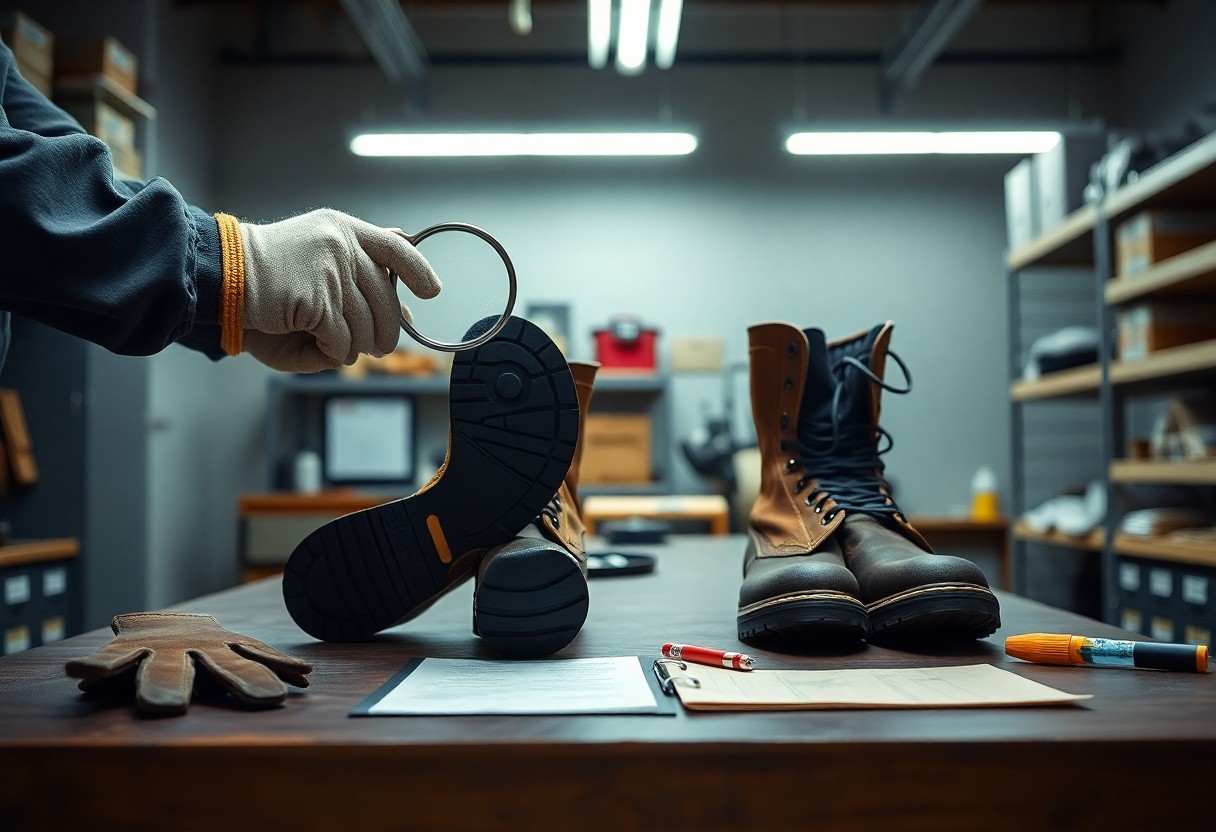
Maintain PPE with a routine schedule so your gear performs when needed: perform a quick visual check before every shift, a hands‑on inspection monthly, and log any faults. For example, replace disposable nitrile gloves after 2-4 hours of continuous use or immediately if contaminated; rotate safety boots every 12-18 months under heavy use. Keep manufacturer’s shelf‑life (often 3-5 years for polymers) and storage conditions in mind to avoid degraded protection.
Cleaning and Inspection
Clean according to material: wash leather gloves with a damp cloth and leather cleaner, launder cut‑resistant sleeves per manufacturer instructions, and wipe rubber or neoprene with mild detergent and air dry. Inspect before each use for holes, tears, punctures, chemical staining, or delamination; conduct a deeper monthly inspection checking seams, toe caps, sole integrity, and electrical insulation where applicable, and document findings in your maintenance log.
Replacement Guidelines
Replace PPE immediately if you find cuts, worn-through soles, exposed steel toes, punctures, frayed seams, or chemical degradation. For disposables, swap nitrile or latex gloves after a single contamination event or every 2-4 hours. For reusable items, consider replacement every 12-18 months under heavy use, sooner if inspections show compromised performance or failed fit tests.
More detail: implement a tag‑and‑trace replacement system with serial numbers, purchase lead time, and minimum stock (e.g., two spare pairs per worker). Store gear at 10-25°C away from UV and solvents to extend life. When assessing footwear, measure outsole tread depth and heel wear-replace if tread depth drops below manufacturer recommendations or if you detect midsole puncture; for electrically rated gloves, follow dielectric retest intervals (typically annually) and retire any item that fails.
Training and Compliance
You must align training to specific hazards and documented procedures; OSHA 29 CFR 1910.132(f) mandates training at assignment and whenever hazards change. Implement hands‑on donning/doffing, fit checks, and monthly competency audits with documented outcomes. Require pre‑shift inspections and replace damaged gloves/boots immediately to prevent failures. For a practical reference on selection and care, consult Overview of Hand & Foot Personal Protection Equipment.
Importance of Training
Effective training targets common failure modes-improper fit, wrong material, and unnoticed damage-through scenario drills (chemical splash, crushing, slips) and observed checklists. Require demonstrated competency and aim for a ≥90% pass on donning/doffing and inspection tasks. Track incidents and near‑misses quarterly so you can tailor refreshers and swap PPE based on real workplace trends.
Regulatory Standards
Compliance hinges on federal and consensus standards: OSHA 29 CFR 1910.132(f) for training, 1910.136 for foot protection and 1910.138 for hand protection. Specify PPE to meet ASTM F2413 (footwear) and ANSI/ISEA 105 (gloves) performance levels, and keep certificates on file so your audits and inspections show objective proof of protection.
Standards define measurable tests: footwear marked I/75 C/75 resists 75 ft‑lb impact/compression and may include EH electrical hazard ratings; gloves carry ANSI/ISEA 105 cut, puncture and abrasion levels and chemical permeation results per ASTM F739. Use label data to match PPE to anticipated loads-for example choose I/75 boots for heavy material handling and A4/A5 cut‑resistant gloves for metal‑fabrication tasks.
Best Practices for Using PPE
Inspect PPE before every shift and after exposure: check gloves for tears, abrasion, and weakened seams, and boots for sole separation or punctures. Use EN/ASTM ratings to match hazards-EN 388 cut levels 0-5, EN 374 chemical resistance, ASTM F2413 for footwear-and consult SDS breakthrough times for chemical gloves. Rotate disposable gloves after heavy contamination, and keep a log of inspections and replacements to maintain effective protection.
Proper Usage
You should don gloves so they fit snugly without constricting blood flow and tuck sleeves or use gauntlets for splash protection; remove gloves by turning them inside out to avoid contact with contaminants. For high‑puncture tasks consider double‑gloving; if a glove is punctured, contaminated, or loses tactile sensitivity, replace it immediately. For footwear follow ASTM F2413 and EH markings, ensure laces are secure, and replace boots per manufacturer or when protective features degrade.
Encouraging a Safety Culture
You must lead by example: require PPE use in written procedures, run weekly toolbox talks, and target >95% PPE compliance measured in audits. Implement near‑miss reporting within 24 hours and track both leading indicators (audit scores, compliance rate) and lagging indicators (hand/foot injury rate per 200,000 hours). Use positive reinforcement and visible corrective actions to keep safe behaviors consistent.
Make PPE ownership tangible: appoint floor champions, provide initial and annual hands‑on training, and run competency checks every 6 months. Include PPE use in performance reviews and budget for comfortable, task‑specific options-comfort increases uptake. Monitor monthly compliance, fix gaps within 7 days, and publish results so your team sees that PPE policy drives measurable safety improvements.
Conclusion
With these considerations, you should consistently select, inspect, and maintain appropriate gloves and footwear to prevent injuries; ensure proper fit, material, and ratings for hazards, and replace damaged PPE promptly. Your training, adherence to policies, and proactive hazard assessment will protect your hands and feet and reduce workplace incidents.
FAQ
Q: How do I choose the right gloves and boots for specific workplace hazards?
A: Start with a hazard assessment identifying mechanical (cuts, abrasions, impact, puncture), chemical (solvents, acids, bases), thermal (heat, cold), electrical, biological, and slip/trip risks. For gloves: select by hazard-cut-resistant (HPPE, aramid, stainless-steel mesh) for sharp edges; nitrile, neoprene, butyl or PVC for chemical resistance (match material to the chemical compatibility chart and check permeation/breakthrough times); insulated or welding gloves for heat; Class-rated rubber insulating gloves plus leather protectors for electrical work; disposable nitrile for biological or light chemical tasks. Balance protection with dexterity and grip; use thinner liners for comfort or thermal liners under cut-resistant shells where needed. For footwear: choose toe protection (steel or composite, ASTM/EN rated), puncture-resistant midsoles for sharp objects, slip-resistant outsoles for oily/wet surfaces, electrical hazard (EH) footwear for shock protection, insulated or cold-rated boots for low temperatures, and chemical-resistant uppers for corrosive environments. Verify sizes, standards markings (ANSI/ISEA, ASTM, EN ISO), and manufacturer data sheets to ensure the selected PPE matches the identified hazards.
Q: What are the inspection, cleaning, storage, and replacement practices for hand and foot PPE?
A: Inspect PPE before each use: gloves-check for cuts, tears, holes, thinning, stiffness, discoloration and test rubber gloves for air leaks when applicable; boots-check sole wear, tread depth, sole separation, cracked uppers, damaged toe caps, loose or exposed metal parts. Clean according to manufacturer instructions: wipe or wash with mild detergent, rinse thoroughly, dry away from direct heat and sunlight. Decontaminate or dispose of PPE exposed to hazardous chemicals per workplace procedures; do not attempt to restore chemically degraded materials. Store in a cool, dry place away from UV, ozone, solvents and sharp objects. Replace immediately if there is visible damage, a change in material properties (brittleness, swelling, softening), after a rated service life specified by the manufacturer, or following an impact or penetration event. Keep records when workplace policy requires periodic replacement or testing (electrical gloves often require periodic testing and recertification).
Q: What are common limitations, misuses, and safe practices when using hand and foot protection?
A: PPE has limits and is not a substitute for engineering controls. Do not use a glove or boot outside its rated hazard or beyond manufacturer exposure limits; check chemical permeation data rather than assuming thicker means safer. Avoid wearing gloves that can catch in rotating machinery, and remove loose rings or jewelry to prevent entanglement. Do not reuse single-use disposable gloves. Use correct glove removal technique (peel inside-out) to avoid contamination transfer. Ensure proper fit-oversized gloves reduce dexterity and can snag, undersized gloves tear; boots that are too large cause slips and trips. Be cautious layering gloves: some combinations can trap contaminants or reduce protection; verify compatibility. Maintain traction by cleaning and replacing worn soles and keeping laces tied and tucked. Train workers on hazard assessment, correct donning/doffing, inspection, and emergency response (stop work, decontaminate, seek first aid and report any penetration or exposure). Check standards markings and manufacturer guidance for limitations, and document training and PPE selection decisions.