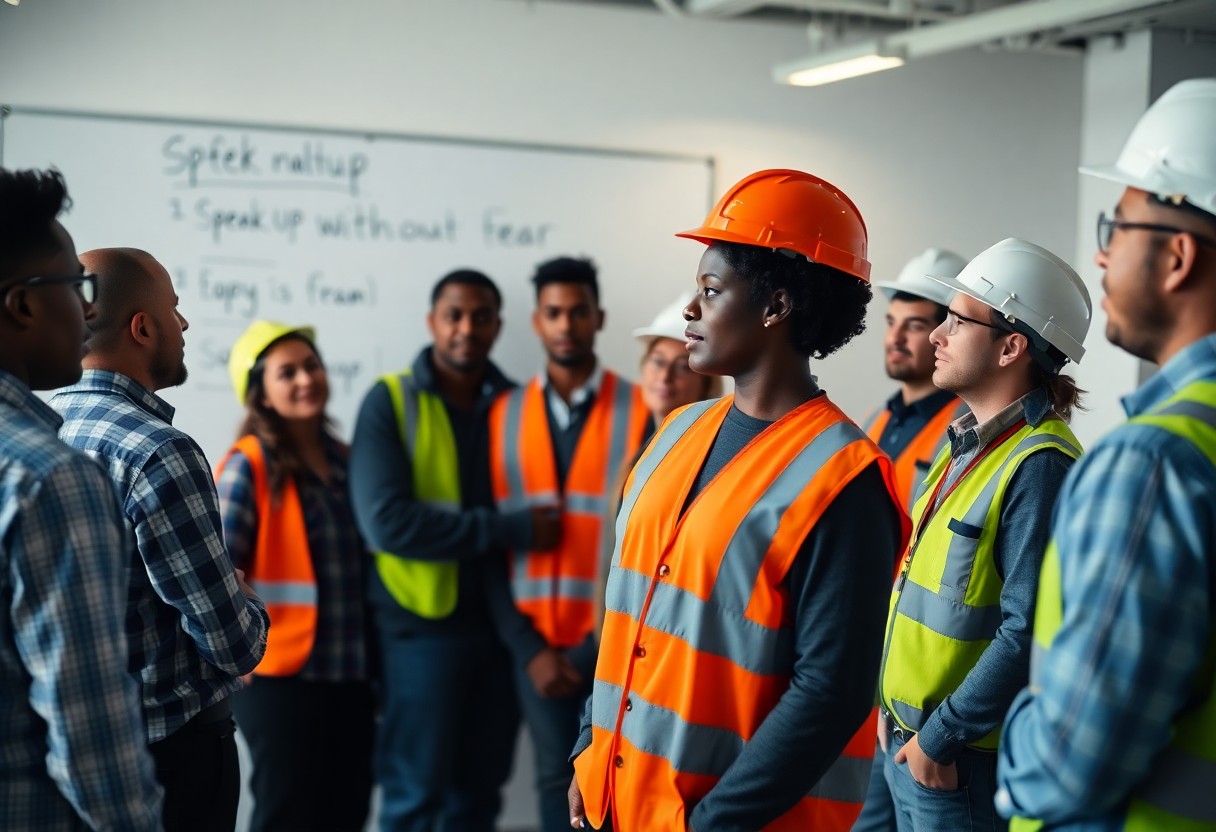
Just fostering a workspace where psychological safety thrives can transform your team’s dynamics. When you feel empowered to voice your concerns and ideas without fear of judgment, it leads to increased innovation and collaboration. Speaking up not only enhances your own job satisfaction but also contributes to a safer, more productive environment for everyone. Understanding and cultivating psychological safety enables you to take ownership of your work and encourages your colleagues to do the same.
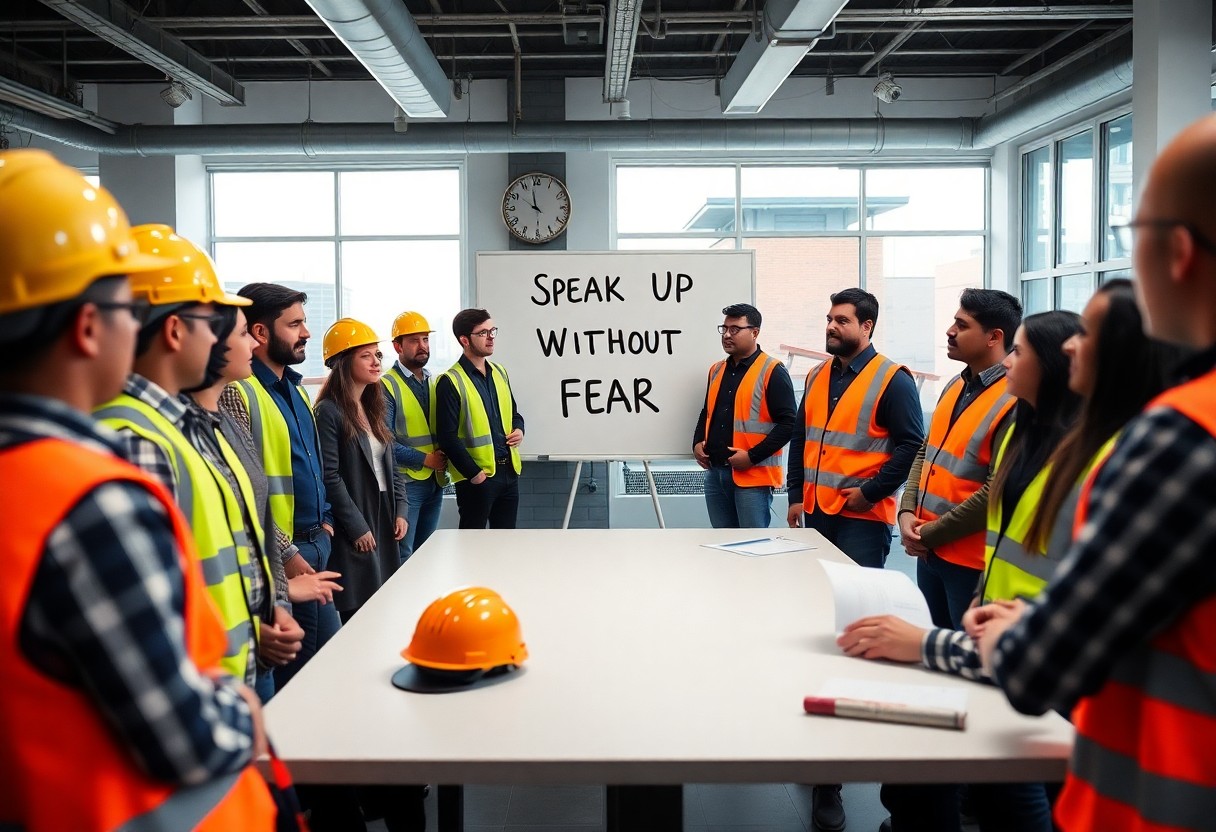
Key Takeaways:
- Psycho-social safety enables open communication and encourages team members to express concerns without fear of negative consequences.
- A supportive environment fosters trust and increases the likelihood of employees voicing issues or proposing ideas.
- Leadership plays a vital role in modeling behavior that promotes psychological safety and addressing any barriers to open dialogue.
Understanding Psychological Safety
Creating a workspace where everyone feels safe to express their thoughts and concerns fosters innovation and collaboration. Psychological safety means you can communicate openly, share ideas, and discuss mistakes without fear of ridicule or retribution. The significance of this environment lies in its ability to enhance team performance and engagement, leading to improved outcomes and a more cohesive workplace culture.
Definition and Importance
The term psychological safety refers to a team climate characterized by interpersonal trust and mutual respect, allowing you to take risks and voice opinions freely. Its importance is underscored by studies showing that teams with higher psychological safety exhibit greater creativity and problem-solving capabilities, ultimately contributing to organizational success.
Key Components
Psychological safety encompasses several key components: trust, open communication, a sense of belonging, and the absence of fear of negative consequences. Each of these elements plays a vital role in encouraging you to engage and participate actively within your team.
Trust is foundational; without it, you may withhold your ideas due to skepticism about how they will be received. Open communication invites dialogue, ensuring your voice matters. A sense of belonging reinforces your commitment to the team, while the absence of fear enables you to approach challenging situations with confidence. When these components are nurtured, you contribute not just as a member but as an integral part of a dynamic and productive team, leading to innovative solutions and shared successes.
Barriers to Speaking Up
Despite the importance of psychological safety, various barriers prevent you from speaking up. These obstacles can stem from personal fears or broader cultural issues within the organization. Identifying and dismantling these barriers is necessary for fostering an environment where all employees feel empowered to voice their opinions and concerns.
Fear of Repercussions
Your fear of facing negative consequences often hinders your willingness to speak up. Concerns regarding job security, backlash from peers, or damage to your reputation can make you hesitant to share valuable insights or raise critical issues. When you perceive that your contributions may lead to punishment or ostracism, it stifles the very communication that drives progress and innovation.
Cultural Impediments
Cultural impediments significantly impact your ability to voice concerns within the workplace. In environments with strict hierarchies, rigid communication norms, or an emphasis on conformity, it’s easy to feel that your perspective is undervalued. Organizations with a history of punitive responses to dissent foster a culture of silence, where you may feel compelled to withhold your opinions to fit in.
Cultural impediments manifest in various forms, such as a lack of diverse representation in leadership, which diminishes the relatability and approachability of higher-ups. For instance, in companies where only a select group has decision-making power, employees from different backgrounds may struggle to believe their input will be taken seriously. Moreover, societal norms that prioritize authority over open dialogue contribute to an environment where you might feel uncomfortable challenging the status quo. High-profile case studies, like those from companies that have embraced inclusive policies, demonstrate that breaking down these cultural barriers ultimately leads to enhanced innovation and a more engaged workforce.
Fostering a Speak-Up Culture
Creating a speak-up culture involves embedding openness and trust into your team’s core values. This requires regular discussions about the importance of speaking up, encouraging team members to share their insights and feedback without hesitation. Offer forums such as team meetings or anonymous suggestion boxes where individuals can voice their opinions. When you actively promote sharing, you cultivate a space where diverse perspectives thrive and innovation flourishes.
Leadership Responsibility
Your role as a leader is vital in fostering psychological safety. You must model the behavior you wish to see by *actively soliciting input* and responding positively to feedback. Acknowledge contributions publicly, fostering an environment where speaking up is valued and respected. When leaders like you demonstrate openness and receptiveness, it sends a powerful message that all voices matter, reducing the fear of reprisal.
Encouraging Open Communication
Encouraging open communication starts with establishing trust among your team members. Facilitate regular check-ins, and ensure that employees know their thoughts and feelings are not only respected but welcomed. Use tools like pulse surveys to gauge sentiments and encourage dialogue during team huddles. When your team feels heard, they are more likely to share their ideas, leading to a richer pool of insights and innovative solutions.
To further enhance open communication, implement training sessions that assist employees in articulating their concerns constructively. Aim for transparency around decision-making processes, showing how input influences outcomes. Having a platform where team members can share anonymously can also reduce anxiety. When your organization embraces a culture where feedback loops are reinforced, you will observe higher engagement levels and a significant decrease in turnover, as team members feel their contribution is meaningful.
Effective Listening Techniques
Implementing effective listening techniques is vital for fostering an environment of psychological safety. You must actively engage in conversations, demonstrating genuine interest in what others are saying. This involves not just hearing words, but also understanding the emotions and intent behind those words, which can significantly enhance team dynamics and trust.
Creating a Safe Space
Creating a safe space begins with establishing ground rules for open communication. You can encourage team members to express their ideas without interruptions or judgment. By eliminating distractions and fostering an inclusive atmosphere, you help others feel valued and respected, paving the way for honest dialogue and collaboration.
Validation and Acknowledgment
Validation and acknowledgment are important components of effective listening. You should affirm others’ contributions by reflecting on their points and thanking them for sharing their thoughts. This not only boosts morale but also reinforces a culture of respect and appreciation.
When you validate and acknowledge contributions, you signal that every voice matters. Studies show that teams that consistently practice validation experience an increase in engagement and overall productivity. By responding positively to ideas, even those you may disagree with, you demonstrate a commitment to collective growth. Encouraging team members to share their perspectives fosters a culture where individuals feel heard, valued, and motivated to contribute more openly in the future.
Role of Diversity and Inclusion
Diversity and inclusion are fundamental drivers of psychological safety. By embracing different backgrounds, perspectives, and experiences, you create an environment where individuals feel valued and empowered to express their ideas. This not only improves morale but also enhances creativity and problem-solving capabilities within your team. Access additional insights in the Toolbox Talk – Psychological Safety.
Value of Diverse Perspectives
Diverse perspectives bring innovative solutions to challenges you face in the workplace. When team members feel safe to share their unique viewpoints, you encourage a culture of collaboration where ideas may flourish. This inclusiveness often leads to better decision-making and a comprehensive understanding of client needs.
Mitigating Bias in Discussions
To foster psychological safety, it’s vital to actively mitigate bias during discussions. Implementing structured dialogue techniques, like round-robin sharing or anonymous input, can help ensure all voices are heard and respected, empowering everyone on your team to contribute without fear of judgment.
Moreover, regular training on unconscious bias can be effective in raising awareness among your team members. Organizations that conduct workshops often report a significant increase in participation and idea generation. Creating a system for discussing and addressing bias helps build trust, ultimately leading to a stronger, more cohesive team. A continuous feedback loop allows you to adapt practices to further diminish bias, encouraging everyone to feel comfortable and confident in sharing their thoughts.
Implementing Feedback Mechanisms
To cultivate psychological safety, establishing feedback mechanisms is crucial. These mechanisms facilitate open dialogue and provide structured ways for team members to share their thoughts and opinions. Regular check-ins, anonymous surveys, and suggestion boxes can encourage participation and highlight areas for improvement, ensuring no voice goes unheard.
Constructive Feedback Practices
Engaging in constructive feedback practices fosters an environment where team members feel valued and heard. Utilize the “sandwich” method: start with a positive observation, address areas for improvement, and conclude with encouragement. This approach softens criticism and allows individuals to focus on development rather than defensiveness.
Continuous Improvement Strategies
Incorporating continuous improvement strategies involves regularly reviewing and refining feedback processes. Recognize that feedback is a two-way street; actively seek input from your team on how feedback mechanisms can evolve. This not only enhances engagement but also ensures the systems stay relevant and effective.
To effectively implement continuous improvement strategies, consider conducting quarterly reviews of feedback results and gathering team input on their experiences. Analyzing data from your feedback mechanisms allows you to identify trends, address persistent issues, and tailor practices to meet the needs of your workforce. Integrating these insights into team meetings can create a culture of accountability and growth, empowering your team to collaborate on solutions and enhance overall performance.
Conclusion
With this in mind, fostering psychological safety in your workplace enables you to speak up without fear. By encouraging open communication and ensuring that all voices are heard, you contribute to a more collaborative environment. Prioritizing psychological safety not only enhances individual well-being but also drives team performance and innovation. Embrace the opportunity to express your thoughts and concerns, knowing that your input is valued and leads to collective growth.
FAQ
Q: What is psychological safety in the workplace?
A: Psychological safety refers to an environment where employees feel safe to express their thoughts, ideas, and concerns without fear of negative consequences. It encourages open communication and fosters a culture of trust and collaboration.
Q: How can employees contribute to creating a psychologically safe workplace?
A: Employees can contribute by actively listening to colleagues, offering constructive feedback, acknowledging diverse viewpoints, and participating in discussions. Encouraging an inclusive atmosphere where everyone’s voice matters is imperative for promoting psychological safety.
Q: What are the benefits of fostering psychological safety in a team?
A: Fostering psychological safety leads to increased innovation, improved problem-solving, higher employee engagement, and better team performance. It allows individuals to take risks and share ideas, ultimately contributing to the growth and success of the organization.