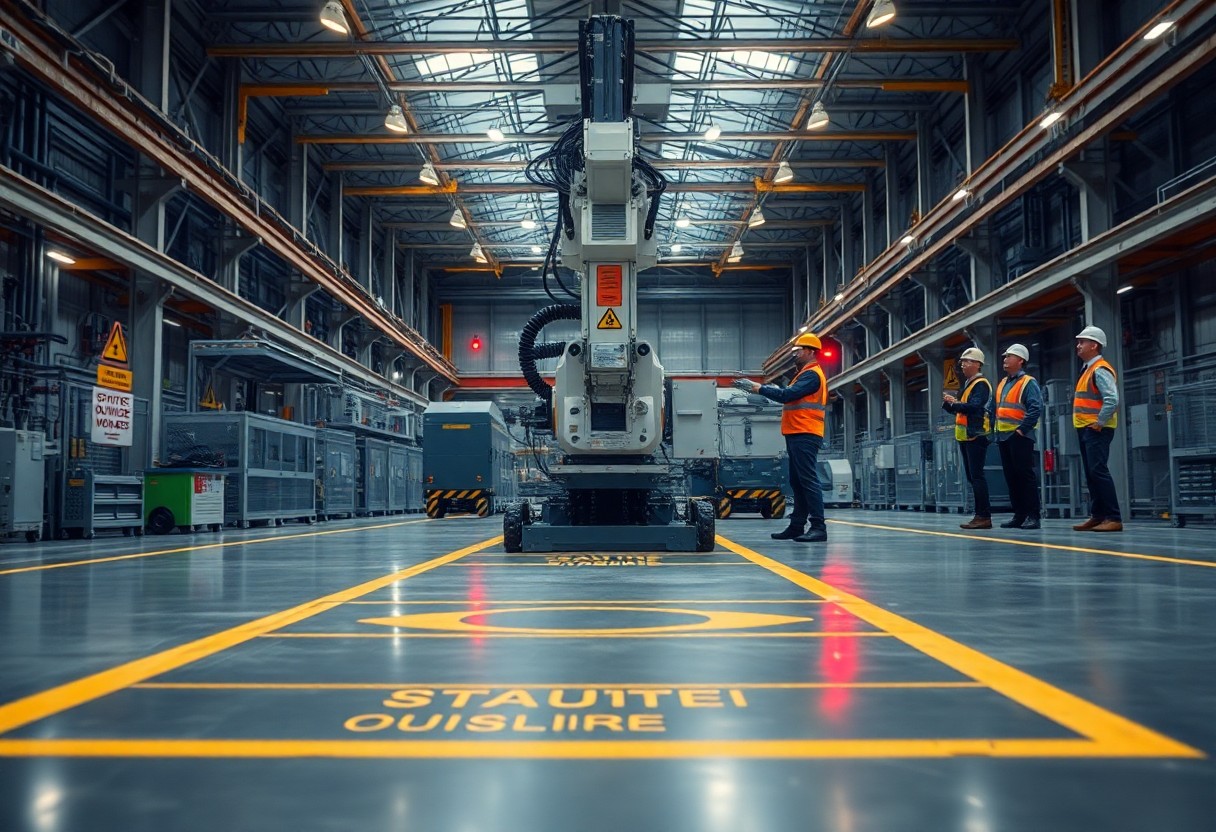
It’s vital for your safety to stay outside the robot’s work area during operations. Robotics technology can enhance productivity, but inadvertent contact with robots poses significant risks, including serious injury. By maintaining a safe distance, you not only protect yourself but also ensure consistent workflow and prevent costly disruptions. Always be vigilant and respect designated safety zones to promote a secure working environment around automated machinery.
Key Takeaways:
- Maintain a safe distance from the robot’s operational area to avoid accidents.
- Always be aware of the robot’s movements and potential hazards in its workspace.
- Employ appropriate safety measures, such as barriers or signals, to enhance safety around robotic systems.
Understanding Robotics Safety
You must grasp the intricacies of robotics safety to protect yourself and your coworkers. With the increasing reliance on automation in various industries, understanding safety measures becomes imperative. Knowledge of how robotics systems operate, their limitations, and proper safety protocols can significantly reduce the risk of accidents. By familiarizing yourself with operational guidelines, you enhance workplace safety while maximizing the efficiency of robotic systems.
Importance of Safety Protocols
Adhering to safety protocols is non-negotiable in preventing workplace injuries. These guidelines are designed to protect you from operational hazards associated with robotic systems. Each protocol establishes clear boundaries, signaling when you should stay clear of robotic operations. Compliance not only safeguards your wellbeing but also enhances productivity by minimizing downtime caused by accidents.
Common Hazards in Robotics Environments
In robotics environments, several hazards lurk that can jeopardize safety. You face risks from moving parts, electrical components, and potential system malfunctions. Understanding these hazards is the first step in maintaining a safe workspace. Each robotic system can present different challenges, from entrapment zones in collaborative robots to pinch points in automated machinery.
Moreover, mechanical failures can lead to catastrophic events, such as falling components or unexpected movements. For instance, a malfunctioning robotic arm may swing into an unguarded area, impacting nearby workers. In 2022 alone, reports indicated that over 3,000 workers suffered injuries related to robotic systems. It’s vital to create a risk assessment routine that regularly identifies new hazards as robotic technology evolves, ensuring proactive safety management in your workplace.
Robot Work Areas
Understanding the boundaries of robot work areas is key for maintaining safety in environments where robotics are employed. You can learn more about Robot hazard prevention: Essential steps for workplace … to further enhance your awareness and protective strategies. Defining these areas accurately helps you stay alert to potential risks and promotes a culture of safety in your workplace.
Defining the Robot’s Work Area
Clearly defining the robot’s work area involves mapping the operational space where the robot performs its tasks. This area should be marked safely and visibly, using signs or barriers to prevent unauthorized entry. By ensuring the work area is well established, you can minimize the risk of accidents and foster a safer work environment.
Risk of Entry into Work Areas
Unauthorized entry into a robot’s work area poses significant safety risks, as robots operate with various speeds and functions that can lead to injuries. You might encounter situations where individuals inadvertently cross these boundaries, creating a high-stakes environment. Appropriate training on robot operation zones reduces the chances of accidental entry, allowing you to navigate these areas with confidence.
As your understanding of the risk of entry into work areas deepens, consider that many incidents occur due to a lack of awareness or miscommunication regarding robot operations. Statistics show that nearly 70% of robot-related injuries can be attributed to untrained personnel entering designated zones. By prioritizing training and ongoing safety talks, you create a proactive approach that helps everyone on the team respect barriers and signage, thus significantly lowering the chances of accidents and enhancing workplace safety. Being vigilant and informed allows you to focus not only on your tasks but also on your colleagues’ safety.
Safety Measures
Implementing safety measures is vital to minimize risks associated with robotic work areas. By adhering to established protocols and guidelines, you can protect yourself and your colleagues while maximizing productivity and safety in environments where robotics play a pivotal role.
Establishing Perimeter Security
Establishing perimeter security around robotic work areas involves the installation of physical barriers, gates, or fences that clearly mark the operational zone. You should ensure that only authorized personnel have access, which significantly reduces the risk of accidents. Regular inspections of these barriers help maintain integrity and effectiveness.
Use of Warning Signs and Lights
Implementing warning signs and lights is vital in alerting workers to the presence of robots and their operational status. Strategically placed signage, combined with bright flashing lights, provides clear visual cues, allowing you to remain aware of the potential hazards while navigating around these areas.
Warning signs should include clear icons and text to communicate specific hazards linked to robotic operations, such as “Caution: Robot in Operation” or “Authorized Personnel Only.” Research indicates that organizations using these safety measures have seen a 30% decrease in workplace accidents involving robotics. Additionally, using color-coded lights, such as red for danger and green for safe operation, enhances visibility and understanding, thereby fostering a culture of safety awareness among all staff members.
Emergency Procedures
Understanding emergency procedures is vital in a robotics environment. You should familiarize yourself with the location of emergency stop buttons, fire extinguishers, and first aid kits. Participating in regular safety drills can ensure you’re prepared to act quickly and efficiently during any incidents involving robotic systems. Additionally, knowing whom to contact for assistance and how the emergency response team operates can significantly reduce response times and potential injuries.
Responding to Accidents
In the event of an accident, your immediate action is vital. Ensure your safety first by moving away from any ongoing robotic operations and assessing the situation. If someone is injured, call for help and provide first aid if trained to do so. Prioritize reporting the incident to your supervisor to enable a swift response and proper documentation.
Reporting Safety Violations
When you observe safety violations in the workplace, it is your responsibility to report them without delay. This can prevent further incidents and enhance overall safety. Be sure to document the violation with specific details, such as the time, location, and nature of the infraction, and report this information to your supervisor or the designated safety officer.
To uphold a safe working environment, addressing safety violations is paramount. If you notice unsafe practices, such as employees entering robot work areas without proper clearance or bypassing safety protocols, act decisively. Document these occurrences clearly and submit them through the appropriate channels. Establishing a culture of accountability encourages everyone to prioritize safety and promotes proactive measures in addressing potential hazards before they escalate into serious incidents.
Training and Awareness
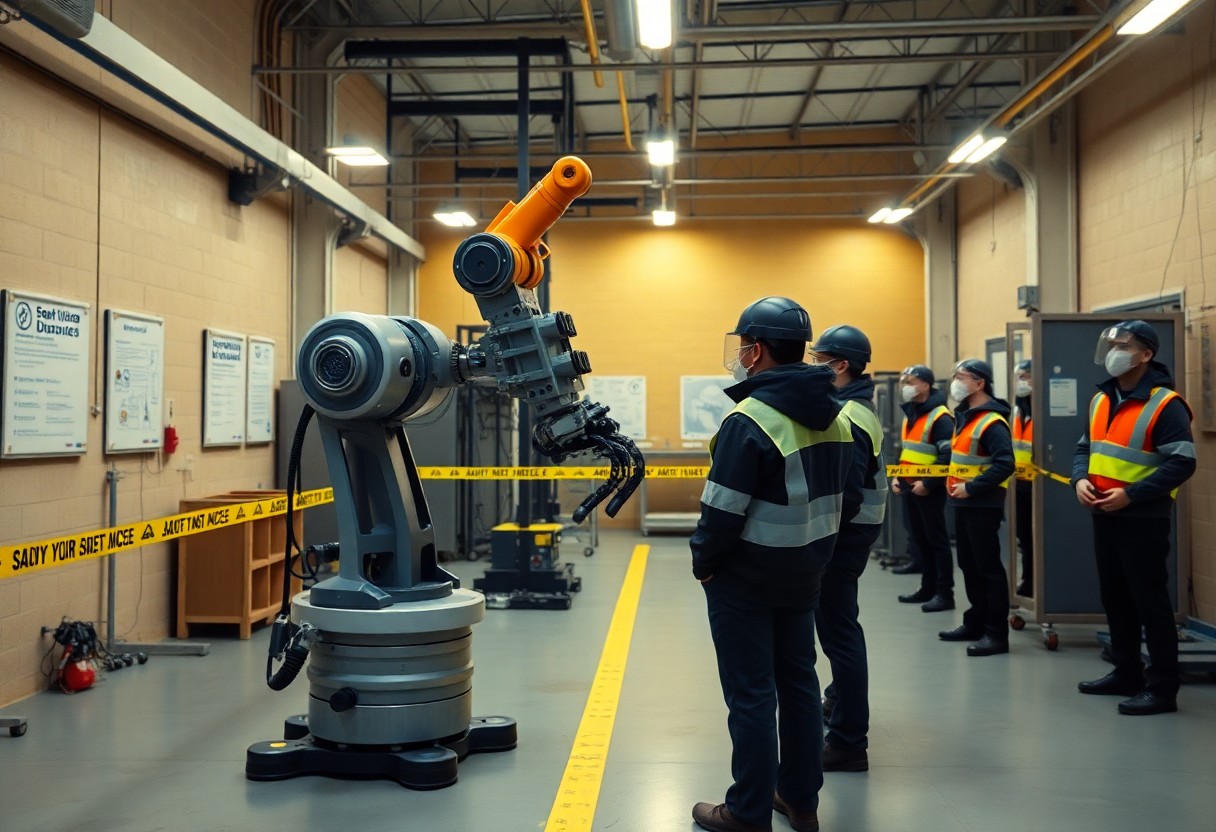
Effective training and awareness programs are imperative to ensure safety around robots. You must participate in comprehensive training that covers not only operational procedures but also potential hazards associated with robotic systems. Understanding these elements allows you to react promptly and correctly in emergency situations, safeguarding both yourself and your colleagues.
Employee Training Programs
Incorporating hands-on employee training programs is vital for all staff working around robots. These programs should include detailed demonstrations of safe work practices, emergency protocols, and robot operation training. Engaging with real-life scenarios can greatly enhance your ability to recognize risks and implement safe procedures in your daily tasks.
Continuous Safety Education
Continuous safety education fosters a culture of safety awareness that keeps you informed about the latest technologies and advancements in robotics. Regular workshops and safety briefings must be held to update you on new safety protocols, equipment, and best practices, ensuring you remain vigilant and prepared.
Continuous safety education not only enhances your understanding but also reinforces the importance of safety as a collective responsibility. By participating in frequent discussions about safety incidents and lessons learned, you become an active part of a safety-conscious workplace. Engaging in regular refresher courses helps you stay abreast of evolving robotics technologies, fostering a proactive approach to identifying risks and maintaining a safe environment for everyone involved.
Best Practices for Staying Safe
To maintain a safe environment around robotics, adhere to established best practices. Always stay outside the robot’s designated work area and be aware of its movement patterns. Conduct regular training sessions that emphasize safety protocols, and ensure that all workers understand the potential hazards involved. Communication is key—use proper signaling to alert personnel when robots are in operation, and never bypass safety interlocks or emergency stop features. Developing a culture of safety will significantly reduce risks associated with robotic operations.
Personal Protective Equipment (PPE)
Your safety gear is your first line of defense. Always wear appropriate Personal Protective Equipment (PPE), such as safety goggles, gloves, and helmets, to protect yourself from potential hazards. Ensure your PPE meets industry standards and is suitable for the specific robotic applications in your environment. Regularly inspect your equipment for damage, and replace any worn or defective items immediately to maintain effective protection.
Regular Safety Audits
Conducting Regular Safety Audits is vital in identifying and mitigating risks in your robotic work environment. Audits should include thorough inspections of machinery, operational protocols, and safety gear compliance. By identifying areas for improvement, you not only enhance workplace safety but also reinforce the importance of adhering to established guidelines. Implement a schedule for these audits, engaging team members to foster a collective responsibility toward safety.
These audits should be comprehensive, covering all aspects of the robotics operation. Focus on assessing equipment functionality, examining workspaces for hazards, and verifying that safety protocols are consistently followed. Consider involving third-party experts to provide an unbiased evaluation of your practices. A well-documented audit process will help track improvements over time, ensuring a safer work environment and demonstrating a commitment to safety standards. Taking corrective action based on audit findings can greatly reduce incidents and enhance team confidence in the operational safety measures in place.
Final Words
The importance of staying outside the robot’s work area cannot be overstated. You must be aware that robotic systems operate at high speeds and can cause serious injuries if safety protocols are not followed. By maintaining a safe distance, you ensure not only your own safety but also the smooth operation of the machinery. Always prioritize your well-being and adhere to all safety guidelines to create a secure working environment for yourself and others.
FAQ
Q: Why is it important to stay outside the robot’s work area?
A: Staying outside the robot’s work area is crucial for preventing accidents and ensuring personal safety. Robots can operate at high speeds and may not detect human presence, increasing the risk of injury. Maintaining a safe distance allows for better control and reduces the likelihood of unintended interactions.
Q: What are the common hazards associated with robot work areas?
A: Common hazards include moving parts, sharp tools, and potential collisions. Additionally, areas may have limited visibility or unexpected robot movements. Understanding these hazards helps individuals take necessary precautions to remain safe.
Q: What safety measures should be implemented in robot work areas?
A: Safety measures include clear signage indicating boundaries, using physical barriers to define the robot’s work area, regular maintenance checks on equipment, and training for all personnel on safe operating procedures. Additionally, employing emergency stop buttons can help mitigate risks.