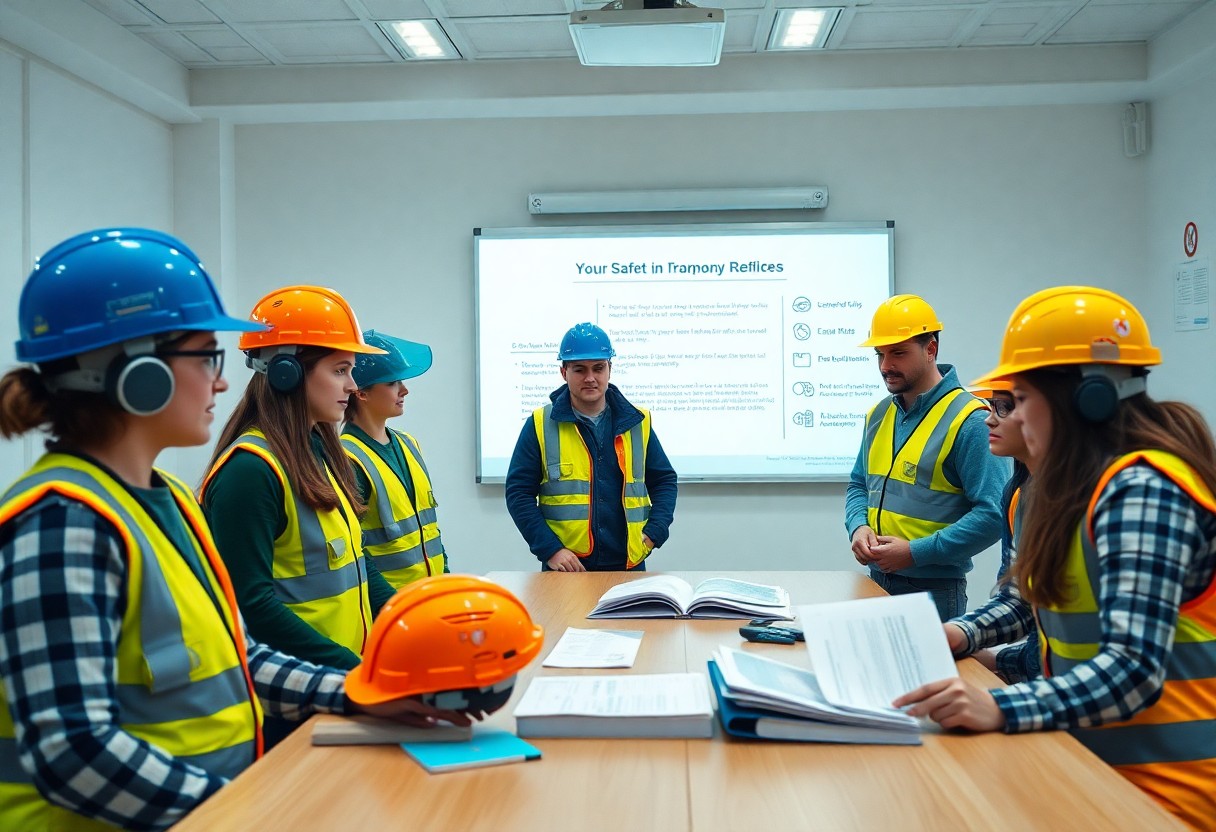
Over your first days at work, you may encounter various safety challenges that require your attention. As a young worker, it’s vital to understand the potential hazards in your environment and how to navigate them effectively. Focus on following safety protocols and using personal protective equipment to reduce risks. Engaging in regular safety training and open communication with supervisors will empower you to create a safer workplace for yourself and your colleagues. This post provides necessary guidance tailored to ensure your safety and well-being as you commence on your new job journey.
Key Takeaways:
- New hires should be aware of their rights and responsibilities regarding workplace safety.
- Proper training and supervision are necessary for young workers to identify hazards and respond effectively.
- Encouraging open communication about safety concerns helps create a safer work environment.
Understanding Workplace Safety
Workplace safety is necessary for creating a secure environment where you can thrive. Understanding safety protocols and potential hazards helps ensure that you and your colleagues can perform tasks efficiently while minimizing risks. Familiarizing yourself with the safety culture in your workplace contributes to better communication and teamwork, ultimately promoting a safer workplace for everyone.
Importance of Safety Training
Safety training equips you with the knowledge and skills to avoid injuries at work. Participating in training sessions helps you recognize hazards, understand emergency procedures, and learn how to use protective equipment properly. Engaging in these programs not only improves your safety but also fosters a culture of accountability and vigilance among your peers.
Common Hazards for Young Workers
Young workers often face specific hazards in the workplace, including slips, trips, and falls, exposure to chemicals, and operating machinery without proper training. Being less experienced, you may be more susceptible to these risks, underscoring the need for vigilant safety measures and guidance.
Statistics reveal that workers under 25 are at a higher risk of workplace accidents. For instance, according to the Occupational Safety and Health Administration (OSHA), young workers are involved in about 50% more serious injuries compared to their older counterparts. Common hazards include inadequate training on machinery, lack of awareness about handling chemicals, and insufficient safety gear. It’s vital to address these challenges through effective safety training and proactive measures to ensure your well-being on the job.
Rights and Responsibilities
Your journey as a young worker includes understanding both your rights and responsibilities. Being aware of these elements not only empowers you but also ensures a safer work environment. You have the right to a workplace that prioritizes your safety, and this includes receiving adequate training and the necessary resources to perform your job safely. At the same time, you also bear a responsibility to adhere to safety protocols and report any unsafe conditions immediately.
Workers’ Rights
You have several fundamental rights as a worker, including the right to a safe work environment free from hazards. This means you are entitled to receive proper training, including instructions on handling equipment safely. Additionally, you can refuse unsafe work conditions without fear of punishment or retaliation, as your safety should always come first.
Employer Responsibilities
Your employer is responsible for maintaining a safe workplace by complying with safety regulations and providing the necessary training and equipment. This entails regular safety audits, providing personal protective equipment (PPE), and creating a culture where safety is prioritized. If you ever feel the workplace is neglecting your safety, it is important to communicate openly with your employer.
Moreover, employers must establish safety protocols and ensure that all staff members are trained to understand and apply them effectively. They should hold regular safety meetings, encourage feedback on safety practices, and provide resources for reporting unsafe conditions. For instance, in a manufacturing setting, your employer should conduct routine inspections and address any identified hazards promptly, demonstrating a commitment to your well-being and fostering a culture of safety throughout the organization.
Essential Safety Practices
Following crucial safety practices is key to ensuring your wellbeing on the job. These practices not only protect you but also create a safer workspace for your colleagues. Always stay alert, communicate clearly, and adhere to established safety protocols for your specific tasks. Recognize common hazards in your environment and take proactive steps to mitigate risks. By prioritizing safety, you contribute to a culture of responsibility and care within your workplace.
Personal Protective Equipment (PPE)
Your personal protective equipment (PPE) is your first line of defense against workplace hazards. It’s crucial to wear the appropriate gear such as helmets, gloves, goggles, and hearing protection based on your specific role and environment. Ensure that your equipment fits properly and is in good condition; faulty or incorrect PPE can lead to serious injuries. Always check with your supervisor if you’re unsure what PPE is necessary for your tasks.
Emergency Procedures
Understanding your workplace’s emergency procedures can save lives. Familiarize yourself with the evacuation routes, locations of first aid kits, and emergency contact numbers. Participate in safety drills to enhance your response time during real emergencies. Each second counts when it comes to ensuring your safety and the safety of others, so being prepared is crucial.
Emergency procedures are typically outlined in your workplace safety manual, and knowing them well can significantly impact the outcome in crisis situations. For instance, during a fire, knowing the quickest escape route can help you evacuate safely. Many workplaces conduct regular drills, offering you valuable experience in handling emergencies. Make it a habit to review these protocols periodically and encourage your peers to do the same, fostering a collective sense of readiness.
Effective Communication
Effective communication fosters a foundation of safety in your workplace. You must feel comfortable discussing safety concerns with your supervisor and colleagues. Utilize resources like Workplace Stress – Young and New Workers to guide conversations about workplace challenges, ensuring your voice is heard and valued in promoting a safer environment.
Reporting Unsafe Conditions
If you notice any unsafe conditions, it is important to report them immediately. This proactive step not only protects you but also safeguards your coworkers. Ensure you know the proper channels for reporting such issues, whether it’s a safety officer or your direct supervisor, as timely action can prevent potential accidents.
Seeking Help and Support
Feeling overwhelmed in a new job is common, and seeking help is part of navigating that journey. Use available resources, whether they are coworkers, mentors, or official employee assistance programs, to find support.
Connecting with peers and mentors can significantly ease your transition into the workplace. Engaging in open discussions about your experiences and challenges allows you to gain insights and strategies for coping. Establishing a network of support not only helps with immediate concerns but fosters a sense of belonging, making you more resilient in facing workplace pressures. Don’t hesitate to reach out; seeking help signifies strength, not weakness.

Building a Safety Culture
Developing a strong safety culture is crucial in any workplace, especially for young workers. It requires commitment from both management and employees to prioritize safety at every level. When safety becomes a core value, everyone is encouraged to actively engage in identifying hazards, reporting near-misses, and following protocol. This collective responsibility ensures that safety isn’t just a set of rules, but a way of life within the organization.
Role of Mentorship
Mentorship plays a vital role in cultivating a safety culture among young workers. Engaging experienced employees as mentors allows you to gain first-hand knowledge and insights regarding safety procedures. A mentor can share practical experiences and help you develop a keen awareness of potential hazards, ensuring you feel supported and informed as you navigate your new environment.
Encouraging Peer Support
Encouraging peer support is pivotal for reinforcing safety practices in the workplace. When you actively collaborate with colleagues, you create a team-oriented atmosphere where everyone looks out for one another. This practice not only boosts morale but also increases the likelihood of reporting unsafe conditions. Regular safety check-ins among peers can facilitate open discussions about concerns and best practices, leading to a more robust safety culture.
Implementing structured peer support programs can significantly enhance safety awareness. For instance, consider organizing safety teams within your workplace, where peers hold each other accountable for adhering to safety protocols. Regular meetings to discuss safety challenges can foster trust and open communication, encouraging everyone to share their experiences and learn from one another. Additionally, recognition of safe behaviors can incentivize participation and create a positive feedback loop that solidifies safety as a shared responsibility.
Resources for Young Workers
Your workplace offers various resources to enhance your safety awareness and skills. Familiarizing yourself with these resources helps you navigate your environment confidently. From training materials to safety organizations, there are multiple avenues available for you to learn about workplace hazards, safety protocols, and best practices.
Safety Organizations
Numerous safety organizations exist to support young workers. These entities, such as OSHA and NIOSH, provide valuable information and resources tailored to your needs. Engaging with these organizations can help you stay updated on safety guidelines and regulations, empowering you to advocate for your well-being.
Training Programs
Participating in training programs designed for young workers is necessary. These programs often cover topics like hazard recognition, safe lifting techniques, and emergency response plans. By completing such trainings, you’ll equip yourself with practical skills that significantly reduce your risk of injury.
Many employers offer orientation sessions and safety workshops specifically for new hires. For instance, the National Safety Council provides online training modules focused on industry-specific hazards and safety protocols. These programs are interactive and cater to your learning style, often incorporating quizzes and real-life scenarios to reinforce your understanding. Seeking out and engaging with these training opportunities is key to ensuring your safety and effectiveness on the job.
FAQ
Q: What is ‘Safety Talk – Young Workers’?
A: ‘Safety Talk – Young Workers’ is a program designed to provide necessary safety guidelines and training for new hires, particularly those entering the workforce at a young age. It focuses on common workplace hazards and the importance of health and safety regulations.
Q: Why is extra guidance needed for new hires?
A: Extra guidance is necessary for new hires to ensure they understand workplace safety protocols, as inexperienced workers may be unaware of potential risks. This guidance helps foster a culture of safety and empowers young workers to speak up about unsafe practices.
Q: What topics are covered in the Safety Talk training?
A: The Safety Talk training covers various topics, including workplace hazards, personal protective equipment (PPE), emergency procedures, reporting unsafe conditions, and the rights of young workers. This comprehensive approach aims to increase awareness and compliance with safety standards.