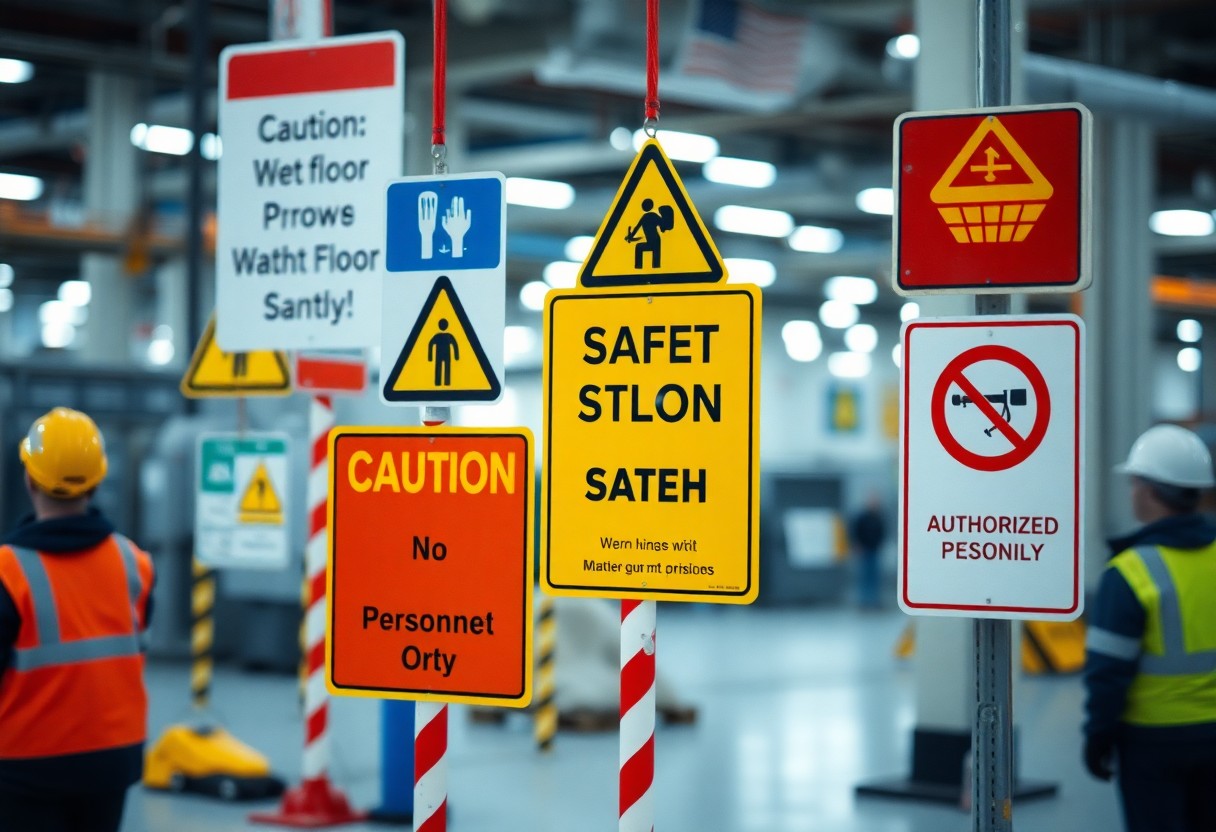
Just because safety signs and labels are often overlooked doesn’t mean they aren’t vital for your well-being. Heeding these warnings can prevent accidents and injuries in various environments, from workplaces to public spaces. Understanding the meanings of different signs and labels empowers you to navigate hazards effectively and keep yourself and others safe. By recognizing the importance of these visual cues, you enhance your awareness and contribute to a safer community.
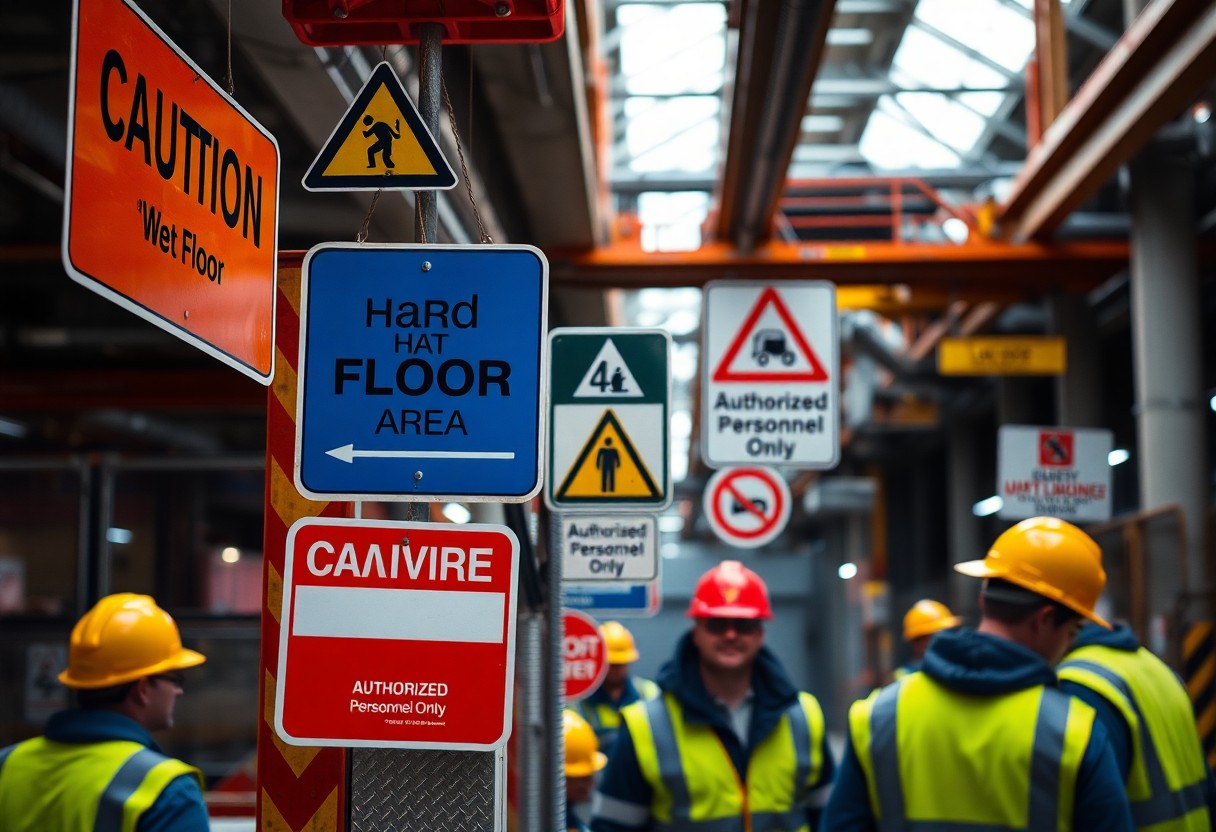
Key Takeaways:
- Safety signs and labels are necessary for communicating hazards effectively in various environments.
- Understanding the meanings of different signs and labels helps to reduce accidents and promote safety awareness.
- Regular training and reinforcement of safety sign knowledge can enhance compliance and safety practices among individuals.
The Importance of Safety Signs
Safety signs are vital for conveying vital information about hazards, ensuring you remain informed and protected in your environment. They serve as visual reminders, guiding you through potential dangers and necessary precautions. By recognizing and understanding these signs, you can significantly reduce the likelihood of accidents and create a safer workplace or public area.
Legal Requirements
You must adhere to legal requirements that mandate the use of safety signs in various settings. Regulations differ by jurisdiction, but often include standards established by occupational safety organizations. Compliance not only helps avoid legal penalties but also promotes a culture of safety that benefits everyone.
Industry Standards
Industry standards dictate the design and placement of safety signs to ensure they are effective. Organizations like OSHA and ANSI provide guidelines that establish the correct use of symbols, colors, and language, enabling you to interpret messages quickly and accurately.
For example, OSHA specifies that safety signs must be durable and visible, while ANSI outlines specific dimensions and color codes for each type of sign. In high-risk industries, such as construction or manufacturing, adhering to these standards can mean the difference between a safe environment and preventable injuries. By following established industry standards, you not only enhance safety but also foster accountability among team members.
Types of Safety Signs
Understanding the different types of safety signs is vital for ensuring a safe environment. Safety signs are categorized based on their functions and the messages they convey. You’ll find signs related to prohibition, warning, mandatory actions, and emergency information, each designed to alert you and inform appropriate actions.
- Prohibition Signs
- Warning Signs
- Mandatory Signs
- Emergency Information Signs
- Fire Safety Signs
Prohibition Signs
Prohibition signs are crucial in preventing unsafe behaviors. These signs indicate actions that are not allowed, such as No Smoking or No Entering, effectively reducing risks in hazardous areas. You must adhere to these warnings to maintain safety standards.
Warning Signs
Warning signs indicate potential hazards or unsafe conditions. Examples include Caution: Slippery Floor and Hazardous Material indicators. These signs prepare you for potential dangers, allowing for safer navigation in risky environments.
Being aware of warning signs is vital in protecting yourself from hazards. They serve to alert you about conditions that may not be immediately obvious. For instance, in construction sites, a sign may indicate overhead loads, making you cautious while passing by. Always stay vigilant and adhere to the sign guidance to minimize risks.
Mandatory Signs
Mandatory signs specify actions you must take for safety. Common examples include Wear Safety Helmet and Use Ear Protection. Compliance with these signs is crucial for your safety and the safety of those around you.
Mandatory signs emphasize crucial safety protocols that must be followed in various situations. They are often enforced by regulations and are a fundamental aspect of workplace safety. By adhering to them, you not only protect yourself but also contribute to a culture of safety in your environment.
Emergency Information Signs
Emergency information signs provide critical directions in emergencies. These include Emergency Exit, First Aid Station, and Emergency Contact numbers. Understanding their placement helps you respond quickly during critical moments.
Emergency information signs are designed to guide you efficiently in crisis situations. They are typically located at strategic points to ensure you can find your way out or access help promptly. Knowing where these signs are can significantly affect your ability to react to emergencies effectively.
Understanding Labels
Familiarity with safety labels is important for ensuring your well-being at work or home. These labels provide immediate information about hazards, proper handling, and necessary precautions. By comprehending label details, you empower yourself to mitigate risks and enhance safety in your environment.
Label Components
Labels typically consist of key components that convey important information. These include the signal word, indicating the level of hazard (such as “Danger” or “Caution”); pictograms, visual symbols depicting the nature of the risk; and precautionary statements, giving you clear instructions on safe handling and protective measures to take.
Color Codes and Symbols
Color codes and symbols play a significant role in quickly conveying safety messages. Commonly, red indicates immediate danger, yellow signifies caution, and green denotes safety or emergency exit information. These standardized colors help you quickly assess risks and determine the appropriate response.
In practice, OSHA outlines specific color meanings for safety signs: for instance, red alerts you to fire-related hazards or equipment that should not be operated. Yellow signifies caution, often seen in warning signs regarding moving machinery. Green generally indicates safe conditions, while blue conveys mandatory actions, such as wearing personal protective equipment. By understanding these color codes, you can swiftly identify hazards and respond effectively, minimizing accidents in your environment.
Placement and Visibility
Proper placement and maximum visibility of safety signs and labels significantly enhance their effectiveness. To mitigate risks, you should strategically position signs where hazards are most likely to occur or where they can attract the attention of individuals working nearby. A well-placed sign acts as a reminder, guiding behavior and reinforcing safety protocols.
Best Practices for Placement
To ensure optimal placement, assess high-traffic areas and specific locations where dangers exist. Signs should be placed at eye level and within your direct line of sight, making them easy to notice. Additionally, consider the activities taking place and adjust the number of signs to reflect the level of risk in each area.
Ensuring Visibility
Enhancing visibility involves several factors, including lighting, background contrasts, and sign size. Choose signs that stand out against their surroundings and utilize reflective materials if necessary. For instance, placing neon-yellow signs in dark areas increases visibility during low-light conditions, thereby promoting safety.
In your workspace, consider the impact of natural and artificial lighting on sign visibility. A well-lit area is crucial; however, ensure signs won’t be obstructed by equipment or other objects. Additionally, using bold colors and symbols can increase recognition. As much as 65% of individuals are visual learners, so employing signs that are easily perceived can lead to quicker reactions in potential hazardous situations, reinforcing the importance of adhering to safety standards.
Training and Awareness
Your understanding of safety signs and their implications is amplified through effective training and awareness programs. Organizations should implement comprehensive training sessions that cover the importance of Warning: Read the Signs in Your Workplace. When employees are educated about recognizing and interpreting various safety signs, they are better equipped to respond to potential hazards appropriately.
Employee Training Programs
Structured employee training programs can significantly enhance safety awareness. Regular workshops focusing on safety sign interpretation and scenario-based drills will prepare you for real-life situations, boosting your confidence in handling workplace dangers.
Promoting a Safety Culture
Promoting a safety culture within your organization requires collective commitment. When safety becomes a core value, every employee feels responsible for maintaining a safe work environment. Encourage open communication about hazards and make safety discussions a regular part of team meetings.
Promoting a Safety Culture
A thriving safety culture emphasizes the importance of proactive engagement. You can actively participate by reporting unsafe conditions and suggesting improvements. In companies with strong safety cultures, employees report 50% fewer incidents. Implementing recognition programs for safe practices further strengthens this culture, making it clear that safety is valued and prioritized.
Summing up
So, as you navigate your environment, it is imperative to pay close attention to safety signs and labels. These warnings are designed to protect you and guide your decisions, ensuring your safety in various situations. By understanding and adhering to these indications, you can minimize risks and enhance safety for yourself and others. Engaging with safety signage not only reinforces your awareness but also cultivates a culture of safety in your surroundings. Your vigilance in responding to these warnings is key to maintaining a safe environment.
FAQ
Q: What types of safety signs and labels are available?
A: There are several types of safety signs and labels including warning signs, caution signs, informational signs, and mandatory signs. Each type serves a specific purpose in communicating important safety information in various environments, such as workplaces, construction sites, and public areas.
Q: How do safety signs and labels contribute to workplace safety?
A: Safety signs and labels provide clear instructions, warnings, and information to help prevent accidents and injuries. They alert individuals to potential hazards, inform them of necessary precautions, and guide them on safe behaviors, ultimately fostering a safer working environment.
Q: What should be considered when designing safety signs and labels?
A: When designing safety signs and labels, important factors include visibility, clarity of message, appropriate symbols, and adherence to regulatory standards. Signs should be easily readable from a distance, use intuitive designs for quick recognition, and follow guidelines set by safety organizations to ensure effectiveness.