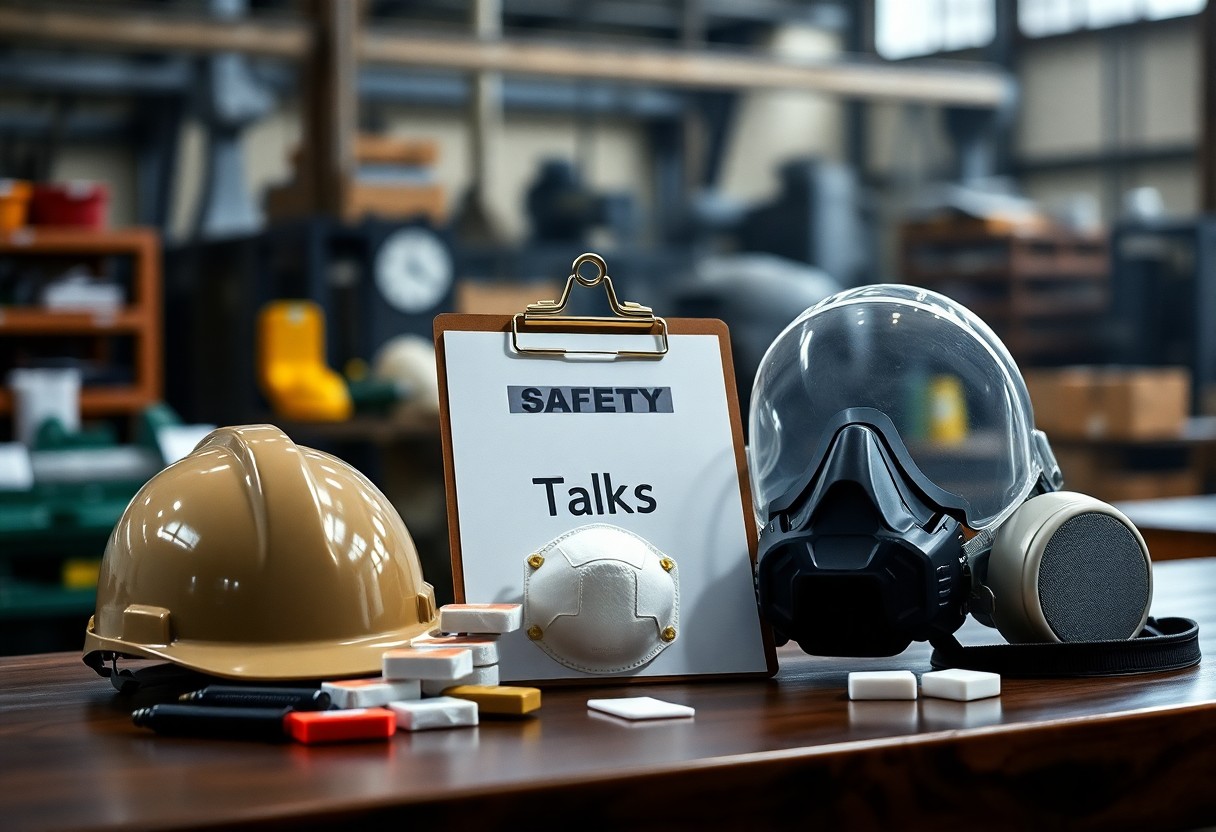
Safety requires you to identify respiratory hazards, select and fit approved respirators, and follow fit testing and training to protect lungs in high-risk environments.
Key Takeaways:
- Select respirator based on hazard and exposure level: use N95/FFP2 for non-oil particulates, elastomeric half- or full-face for higher concentrations, and PAPRs or supplied-air systems for oxygen-deficient or high-hazard atmospheres.
- Complete medical evaluation, fit testing (qualitative or quantitative), and a user seal check before each use to ensure an effective fit and protection.
- Inspect, clean, store, and replace respirators per manufacturer and employer procedures; discard disposable masks after contamination, damage, or increased breathing resistance.
Identifying Atmospheric Hazards
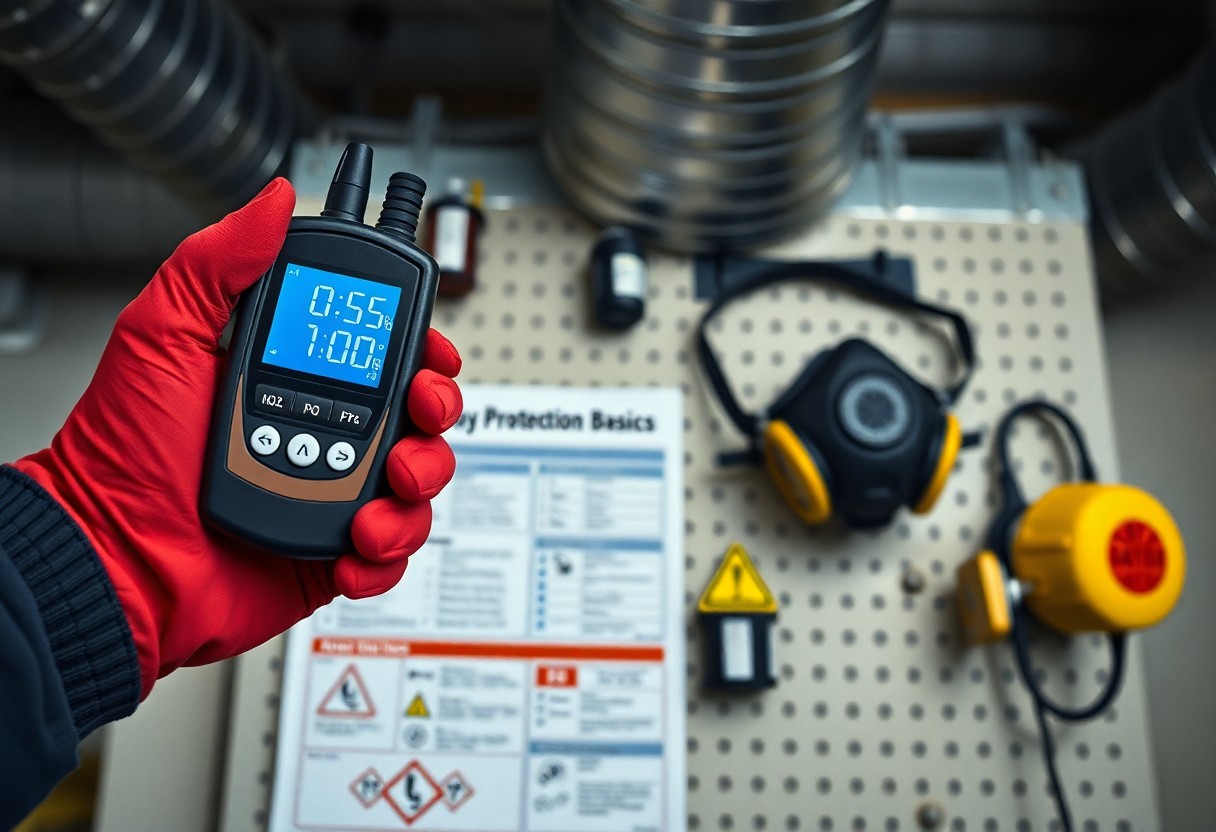
Recognize signs like unusual odors, visible plumes, and alarmed monitors; you must check oxygen and combustible gas readings and identify toxic concentrations before entry. Use detectors and PPE when levels exceed established limits to protect yourself.
Particulate Matter and Dusts
Fine particulate and dust can lodge deep in your lungs; you should use respirators with appropriate particulate filters, ensure proper fit, and replace cartridges per schedule. In high concentrations, apply engineering controls and respiratory protection to reduce exposure.
Toxic Gases, Vapors, and Fumes
Gases, vapors, and fumes can be odorless and rapidly harmful; you must use detectors, know IDLH and exposure limits, and select chemical cartridges or supplied-air systems when concentrations rise. Use oxygen and toxicity monitoring to guide entry decisions.
Monitor gas properties, exposure routes, and symptoms; know flammability, solubility, and IDLH values. You should choose respirators by concentration and contaminant type, note cartridge limitations, perform fit testing, and keep escape or supplied-air options available for immediately life-threatening releases.
Classification of Respiratory Protective Equipment
Types of respirators guide you to protection by hazard: air‑purifying, atmosphere‑supplying, or supplied‑air units for immediately dangerous to life or health (IDLH) conditions.
Air-Purifying Respirators (APR)
APR models filter particulates, gases, or vapors; you must choose the correct filter cartridges, perform a fit check, and replace filters per service life to maintain protection.
Atmosphere-Supplying Respirators
Atmosphere-supplying respirators supply breathable air from cylinders or remote sources; you rely on them when the environment is oxygen-deficient or IDLH.
When using supplied-air systems or SCBA, you inspect cylinders, hoses, regulators, and alarms; failure can leave you without air in IDLH scenarios, so verify pressure, connections, and an established rescue plan.
Fit Testing and Seal Requirements
Fit testing verifies that your respirator model and size creates an effective face seal to block contaminants; failed fit tests mean you must not use that respirator and require selecting a different model or additional training.
Qualitative vs. Quantitative Fit Testing
Choose qualitative testing when you rely on your senses to detect aerosols, and quantitative testing when instruments measure actual leakage; you must retest after facial changes or new respirator makes to confirm protection.
Procedures for Mandatory User Seal Checks
Perform seal checks each time you don a respirator: a negative-pressure check by inhaling and a positive-pressure check by exhaling; any leak requires repositioning or replacing the respirator before entry.
Check strap tension, facial hair, and eyewear fit before donning; perform a thorough negative-pressure check by covering the filter and inhaling, then a positive-pressure check by exhaling while blocking exhalation valves. If you detect any leak or seal failure, stop and adjust or replace the respirator; do not enter the hazard area until the seal is confirmed. Keep documentation of failed checks per your program.
Maintenance and Inspection Protocols
Inspect respirators before each use for tears, damaged straps, clogged filters, or compromised seals; you must remove any unit with visible damage and tag it out.
Cleaning and Disinfection Standards
Clean reusable respirators after each shift using manufacturer-approved detergents and disinfectants; you must air-dry components and avoid harsh chemicals that damage filters or reduce protection.
Storage and Component Integrity Checks
Store respirators in labeled, breathable containers away from sunlight, chemicals, and extreme temperatures; you should perform daily component checks and replace any worn or deformed parts before use.
Verify straps, headbands, nose clips, exhalation valves, and filter cartridges for wear; you should replace parts with cracks, brittleness, or visible contamination. Check filter expiration dates, storage humidity, and record inspections in your log. Have a replacement plan and immediately remove any respirator that fails a seal check.
Summing up
To wrap up you must use properly fitted respirators, perform regular inspections and maintenance, follow exposure limits and workplace procedures, and engage in training and fit testing to protect your respiratory health and that of coworkers.
FAQ
Q: When should workers use respiratory protection?
A: Respiratory protection is required when engineering and administrative controls cannot reduce airborne hazards to acceptable levels or when regulations specify respirator use for a task. Typical hazards include respirable dusts, welding fumes, chemical vapors, and infectious aerosols. Employers must complete a written hazard assessment, provide medical evaluation to determine fitness for respirator use, deliver training on proper use and limitations, and perform fit testing before initial assignment and at least annually.
Q: What types of respirators are available and how do I choose the right one?
A: Common respirator types include disposable filtering facepieces (N95), elastomeric half- and full-face respirators with replaceable cartridges, powered air-purifying respirators (PAPRs), and supplied-air respirators for IDLH atmospheres. Selection should match the contaminant type (particulate versus gas/vapor), concentration relative to exposure limits, and required protection factor; assigned protection factors (APFs) provide a basis for comparison (example APFs: N95 ≈10, elastomeric half-face ≈10, full-face ≈50, PAPRs vary by model and configuration). Verify NIOSH certification, follow manufacturer recommendations for cartridges and filters, and consult your safety officer or respiratory protection program when hazards or tasks change.
Q: How should respirators be inspected, fitted, cleaned, and stored?
A: Inspect the facepiece, straps, valves, and cartridges or filters before each use for damage, deformation, or contamination and perform a user seal check (positive and negative) every time a tight-fitting respirator is donned. Clean and disinfect reusable respirators according to the manufacturer’s instructions and replace cartridges or filters following change-out schedules, end-of-service-life indicators, or when the user detects odor, taste, or increased breathing resistance; do not rely on sensory detection as the primary change criterion for some contaminants. Store respirators in a clean, dry container away from sunlight, extreme temperatures, and chemicals, keep maintenance and fit-test records, and ensure refresher training and fit testing occur on the schedule defined by your respiratory protection program.