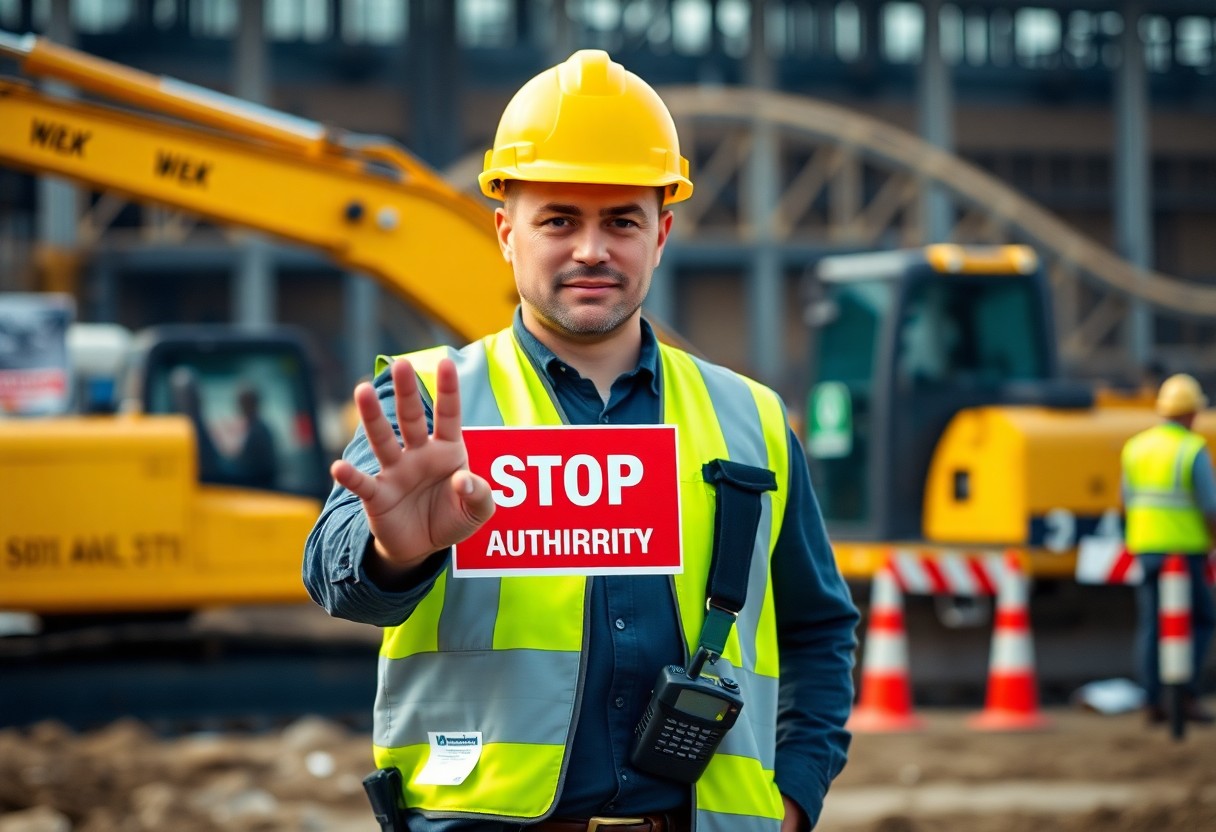
There’s a straightforward rule: when you spot a hazard, you must stop work immediately to prevent escalation. You face the risk of serious injury or death if you ignore signs, and you protect colleagues by choosing to intervene and report.
Key Takeaways:
- Stop Work Authority (SWA) gives every worker the right to halt tasks when a hazard or unsafe condition is observed; immediate actions include isolating the hazard, notifying the supervisor, and securing the area.
- Workers must receive clear training on how to raise SWA, which conditions warrant stopping work, and how to document the concern; consistent use lowers the likelihood of near-misses and incidents.
- Supervisors and management must support SWA without retaliation, investigate reported hazards, implement corrective actions, and communicate outcomes before work resumes.
The Definition and Legal Scope of Stop Work Authority
Definition: You may halt operations when a condition creates an immediate threat to health or life; statutes and policy often grant legal protection so you can refuse unsafe work without fear of discipline.
Core Principles of the Right to Intervene
Rights you exercise include stopping work, isolating hazards, and notifying supervisors; you must act promptly and expect no retaliation while colleagues support safe operations.
Regulatory Compliance and Corporate Policy
Compliance requires you to follow reporting steps, document conditions, and cooperate with investigations so company policy and law align to prevent recurrence and avoid serious penalties.
Documentation you create – reports, photos, and witness statements – becomes the record that justifies action, supports corrective measures, and shields you from liability while enabling timely corrective action to mitigate immediate hazards.

Identifying Triggers for Work Cessation
You should watch for clear triggers-uncontrolled fires, gas leaks, or any activity that puts workers at immediate risk-and act to halt operations until hazards are controlled and a safe plan is in place.
Recognizing Imminent Danger and At-Risk Behaviors
Observe coworkers displaying at-risk behaviors-working without PPE, bypassing guards, or ignoring lockouts-and stop work when you see actions that could cause serious injury.
Environmental Hazards and Equipment Malfunctions
Identify sudden changes-chemical odors, unstable structures, or noisy bearings-and initiate stop work immediately if equipment shows critical malfunction or atmosphere is unsafe.
When you detect spills, rising temperatures, or erratic controls, isolate the area, tag out equipment, and contact qualified personnel; unmanaged malfunctions can escalate to explosions or toxic exposures.
The Standardized Protocol for Exercising SWA
When you detect an unsafe condition, follow the SWA protocol: stop work, isolate the area, alert supervision, and record the event so corrective actions begin without delay.
Immediate Notification and Cessation Procedures
You must cease operations at once, warn coworkers, secure the area, and contact the designated authority so no one is exposed to the hazard.
Investigation and Hazard Mitigation Steps
Begin a documented investigation with qualified personnel, preserve evidence, assess risk, and implement temporary controls until a permanent solution removes the serious hazard.
Document all findings, conduct a root cause analysis with you and affected team members, list corrective actions that eliminate hazard or reduce exposure, assign owners and deadlines, verify implementation and effectiveness before you authorize resumption of work, and communicate changes so controls remain verified and workers stay protected.
Management Responsibility and Support Systems
Management must provide visible backing for Stop Work Authority, supply training and tools, and ensure you can stop unsafe work without penalty. Their systems should remove barriers and enable timely hazard reporting and corrective action.
Establishing a Non-Punitive Safety Culture
Create clear rules that protect you when you use Stop Work Authority, guarantee no retaliation, and reward hazard reports. Visible protections encourage prompt action and honest communication about dangerous conditions.
Leadership’s Role in Validating Worker Decisions
Leaders must back your decision to stop work by quickly assessing risks, communicating support, and documenting outcomes so you see consistent follow-through and trust that safety outranks schedules.
When you call a stop, leaders should respond promptly, join the assessment when feasible, and validate your concerns in front of peers to reinforce that safety decisions stand. You should receive clear feedback, documented follow-up, and visible procedure or training changes so reporting hazards results in action, not blame.
Overcoming Barriers to Intervention
Barriers like fear, time pressure, and group dynamics stop you from using Stop Work Authority. Reinforce that hazards take precedence over schedules and that clear, supported steps let you halt work without blame.
Addressing the Fear of Operational Delays
Delays often make you hesitate to stop work, yet a brief pause to fix a critical hazard avoids longer shutdowns and injuries. Train teams to plan quick assessments so you can act without derailing project timelines.
Mitigating Peer Pressure and Professional Reprisal
Pressure from peers may stop you from intervening; clear policies and visible leadership support protect against reprisal, making it acceptable to halt unsafe tasks and prioritize safety.
Strategies include anonymous reporting, bystander training, and formal non-retaliation agreements so you feel protected when using Stop Work Authority. Encourage leaders to publicly acknowledge interventions and follow up with corrective actions; this shows that reporting hazards is rewarded, not punished. Reinforce that documenting incidents reduces repeat hazards and shields you from professional backlash.
Documentation and Continuous Improvement
Documentation of each stop using the Stopping Work talk template ensures you capture hazards, actions taken and follow-up, driving continuous improvement and reducing repeat exposure to dangerous conditions.
Formal Reporting and Root Cause Analysis
Report every stop through your formal system so you and the team track incidents, assign owners and conduct root cause analysis to prevent recurrence.
Integrating Lessons Learned into Future Briefings
Use documented outcomes to update briefings so you share lessons learned, reinforce safe actions and stop hazardous behaviors before they escalate.
After each investigation you should translate findings into clear talking points, train supervisors, update procedures and monitor results so you close the loop and reduce exposure to repeating high-risk situations.
Summing up
Drawing together you maintain a Stop Work Authority culture by stopping unsafe work, speaking up without fear, following reporting procedures, and supporting coworkers who do the same. You ensure management addresses hazards promptly, you participate in safety talks, and you keep everyone accountable for safe operations.
FAQ
Q: What is Stop Work Authority (SWA) and what is its purpose?
A: Stop Work Authority (SWA) grants every worker the right and responsibility to stop any task when an observed condition or behavior creates a safety or health concern. SWA reduces risk by enabling immediate intervention before exposure to hazards increases. Common examples that justify stopping work include exposed energized conductors, unstable scaffolding, uncontrolled releases, missing permits, or observed unsafe acts. SWA is effective when supported by clear procedures, training, non-punitive reporting, and timely corrective action.
Q: When should I use my Stop Work Authority?
A: Stop work whenever you observe a hazard or behavior that could cause injury, illness, or property damage, or when required controls are missing or ineffective. Examples include compromised fall protection, unexpected energy sources, hazardous atmospheres, or tasks performed without required permits. If you feel unsure, stop the work, secure the area if safe, and notify the appropriate supervisor or safety representative for assessment.
Q: How do I report a stop, resolve the issue, and return to work?
A: Report the stop immediately to your supervisor, safety representative, or other designated contact following site procedures. A competent person should perform a hazard assessment, implement corrective controls, and brief affected workers before work resumes. If disagreement occurs about the risk or corrective actions, involve an impartial safety officer or higher-level management for independent assessment and resolution. Document the stop, the controls applied, and any procedural or training changes to prevent recurrence and inform future safety talks.