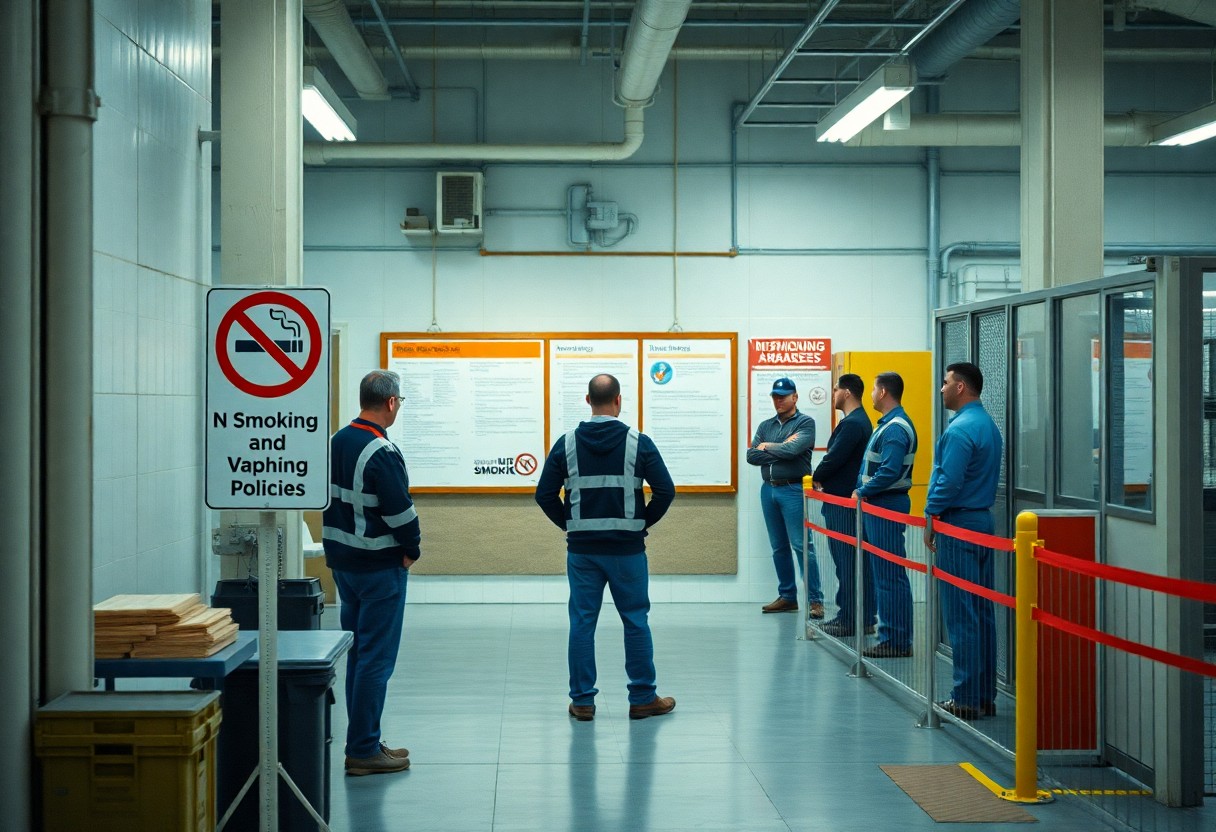
Policies regarding smoking and vaping in the workplace are crucial for ensuring your health and maintaining a safe environment for everyone. Adhering to these policies helps prevent fire hazards and reduces exposure to harmful substances, which can affect your colleagues’ well-being. Understanding and following these guidelines not only protects yourself but also fosters a positive workplace culture where safety is a shared responsibility. Stay informed and compliant to contribute to a safer and more productive work setting.
Key Takeaways:
- Adherence to workplace smoking and vaping policies is necessary for maintaining a safe environment.
- Employees should be aware of designated smoking areas and restrictions in and around the workplace.
- Regular training and communication regarding smoking and vaping policies help ensure compliance and reduce health risks.
Understanding Workplace Policies on Smoking
Your workplace policies on smoking are designed to safeguard the health and well-being of all employees. These regulations typically outline designated smoking areas, restrictions on smoking inside buildings, and guidelines for vaping. By adhering to these policies, you contribute to creating a healthier work environment and minimizing the risks associated with secondhand smoke exposure.
Importance of Compliance
Compliance with your workplace’s smoking policies is crucial for maintaining a safe and healthy atmosphere. When you follow these rules, you not only protect your health but also foster a culture of respect for others. Non-compliance can lead to disciplinary actions or a hazardous work environment, detracting from overall productivity.
Legal Implications
Failure to comply with workplace smoking regulations can lead to significant legal consequences. Employers may face lawsuits from employees for health-related issues, contributing to potential financial liabilities. Furthermore, workplace smoking bans are often backed by local and state laws, and violations can result in fines for the employer.
For instance, many states enforce strict tobacco control laws that require businesses to provide smoke-free environments. If you disregard your workplace’s policies, it not only endangers your health but may also expose your employer to liabilities. A recent report indicated that companies faced penalties amounting to thousands of dollars for non-compliance with these regulations. Understanding the legal framework surrounding smoking in the workplace helps you appreciate the importance of following these crucial guidelines.
Health Risks Associated with Smoking and Vaping
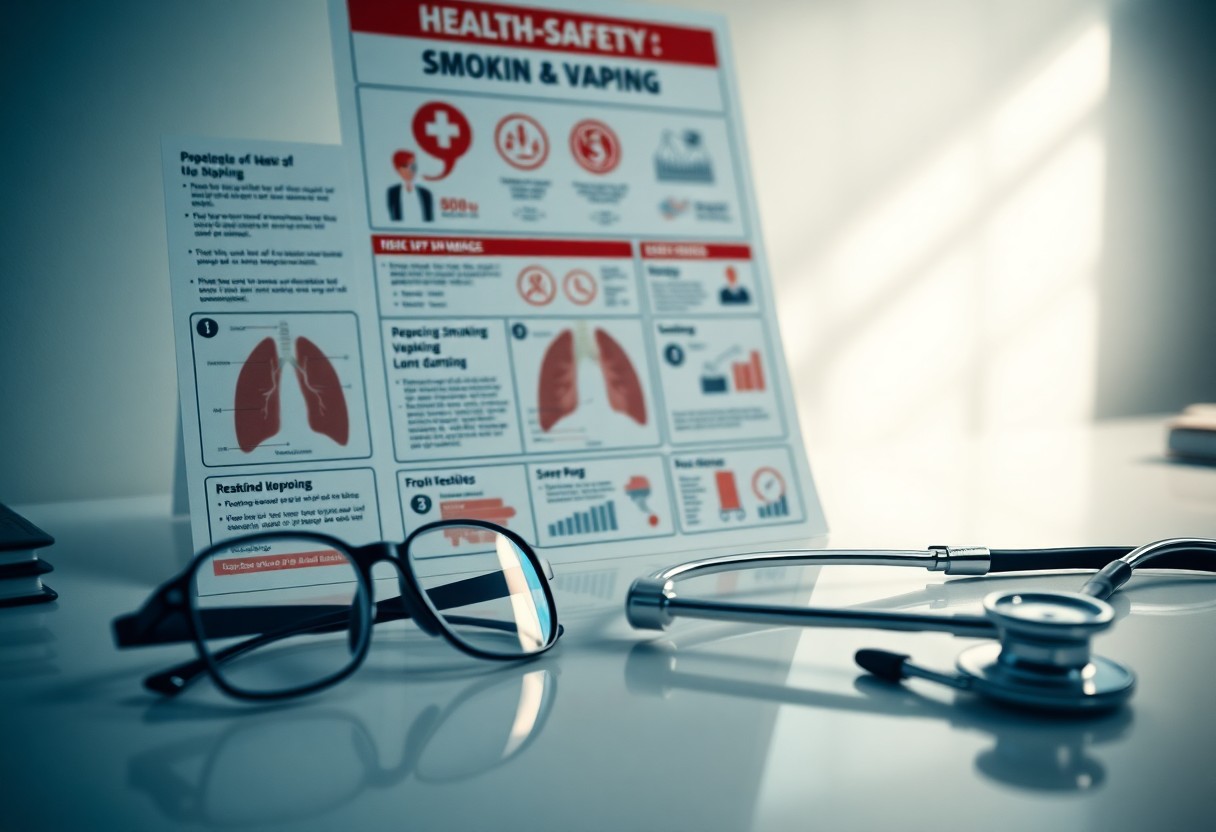
Both smoking and vaping present significant health risks that extend beyond individual habits, impacting workplace safety and productivity. Smoking is linked to a range of diseases, including lung cancer and heart disease, with smokers facing a higher risk of mortality compared to non-smokers. Vaping, although often perceived as a safer alternative, can cause respiratory issues and expose users to harmful chemicals, such as nicotine and formaldehyde. Understanding these risks is imperative for fostering a healthy workplace.
Effects on Smokers
As a smoker, you are at a heightened risk for various health complications. Smoking causes damage to the lungs, leading to chronic obstructive pulmonary disease (COPD), and increases your chance of developing cancers, particularly of the lungs, throat, and mouth. Additionally, it can negatively impact your overall cardiovascular health, increasing the risk of heart attack and stroke. The addictive nature of nicotine makes quitting challenging, further entrenching these health risks.
Impact on Bystanders
Exposure to secondhand smoke can pose serious health risks to bystanders, affecting not only fellow employees but also visitors and clients. Even short-term exposure can trigger asthma attacks and respiratory illnesses. The World Health Organization reports that secondhand smoke causes about 600,000 premature deaths annually, emphasizing the importance of maintaining smoke-free environments.
Moreover, bystanders are often subjected to the harmful effects of both smoke and vapor, which can include increased risk of lung infections and cardiovascular diseases. Children and pregnant women are particularly vulnerable; studies show that secondhand smoke can result in low birth weight and developmental issues in children. Creating designated smoking areas far from populated spaces is imperative to minimize exposure and protect the health of those around you. Understanding the implications of these habits not only supports your health but fosters a safer, more responsible workplace for everyone.
The Role of Employers in Smoking and Vaping Policies
Employers play a vital role in establishing effective smoking and vaping policies that prioritize employee health. Your leadership shapes the workplace culture regarding tobacco use, directly influencing behaviors and attitudes. By clearly communicating policies and ensuring compliance, you create a standard that all employees are expected to follow. Leadership commitment to these policies not only protects health but also enhances overall productivity and workplace morale.
Creating a Safe Environment
To foster a safe environment, you must clearly define designated smoking and vaping areas away from main workspaces. Implementing strict no-smoking zones, particularly near entrances and air intakes, protects both smokers and non-smokers. Additionally, regular training sessions can educate employees about health risks associated with smoking, ensuring a well-informed workplace that promotes safety and wellness.
Implementing Support Programs
Implementing support programs is crucial for assisting employees who wish to quit smoking or vaping. These programs can include access to counseling, nicotine replacement therapies, and organized cessation workshops led by health professionals. By providing these resources, you not only demonstrate a commitment to your employees’ health but also encourage a smoke-free workplace culture, ultimately benefiting productivity and employee satisfaction.
Support programs should be comprehensive and accessible, tailoring options to meet diverse needs. For instance, consider offering group sessions for motivation and accountability, alongside one-on-one counseling for personalized guidance. Providing resources like informational materials and access to a helpline can also empower your employees on their journey to quitting. A successful program can lead to a significant reduction in smoking rates within your organization, promoting a healthier workforce and a positive workplace atmosphere.
Employee Responsibilities in Following Policies
You bear the responsibility of adhering to your workplace’s smoking and vaping policies. These guidelines exist to ensure a safe environment for all employees, minimizing health risks associated with smoking and vaping. Familiarize yourself with the regulations outlined by your employer and stay informed about any updates. For more insights, refer to Vaping on the Job: Risks, Rules, and Responsibilities.
Awareness of Policies
Awareness of your workplace’s smoking and vaping policies is necessary to maintain a safe work environment. This includes understanding designated smoking areas, restrictions on e-cigarette use, and any health-related initiatives your company promotes. Regularly review the policy documents provided by your employer to stay compliant and informed.
Reporting Violations
Reporting violations of smoking and vaping policies is a key aspect of maintaining workplace safety. If you observe non-compliance, you must report it to your supervisor or the designated authority. This can help ensure that everyone adheres to policies that protect both individual health and the collective work environment.
Not only do you have a duty to follow established policies, but you also play a vital role in upholding them. Reporting violations promptly helps to address issues that can lead to unsafe situations. By being proactive, you contribute to a culture of accountability, encouraging others to respect the rules and ultimately fostering a better workplace for all.
Best Practices for Smoking and Vaping Etiquette
Following best practices for smoking and vaping etiquette ensures a respectful environment for all. Prioritize adherence to workplace policies and demonstrate consideration for your colleagues. This involves understanding the implications of your habits on workplace comfort and health, fostering a cooperative atmosphere that contributes to everyone’s well-being.
Designated Areas
Always utilize designated smoking and vaping areas established by your employer. These zones are specifically chosen to minimize the exposure of non-smokers to secondhand smoke and vapor. By confining your habits to these areas, you respect the comfort of your coworkers and comply with company regulations.
Minimizing Disruption
Your smoking or vaping activities should not interfere with the workflow or peace of your workplace. Keep your breaks to a reasonable length and avoid lingering in common areas to maintain a productive environment. Balance your need for a smoke or vape break with the collective needs of your team.
To effectively minimize disruption, consider the timing and location of your smoking or vaping breaks. Avoid peak hours during which your absence may impact productivity. Moreover, ensure you dispose of waste responsibly to maintain a clean and inviting environment. Your vigilance in these matters reflects not only on your personal habits but also on your respect for shared spaces and the comfort of your surroundings.
Resources for Employees Seeking Help
Accessing resources for smoking and vaping cessation is crucial in promoting your well-being at work. Your organization may offer several programs and tools designed to assist you in quitting smoking or reducing vaping. These resources often include counseling services, informational materials, and support groups that can guide you through the cessation process. Utilize these options to improve your health and maintain compliance with workplace policies.
Smoking Cessation Programs
Many employers provide smoking cessation programs that offer structured support to help you quit smoking. These programs often include counseling, nicotine replacement therapies, and behavioral therapy tailored to meet your specific needs. Engaging in these programs can significantly improve your chances of quitting successfully, leading to better health outcomes and increased productivity at work.
Vaping Alternatives
Exploring vaping alternatives can be an effective strategy for reducing dependence on nicotine. Many products, such as herbal vaporizers or liquid nicotine-free options, offer ways to satisfy the hand-to-mouth habit associated with vaping without exposing you to harmful substances. Look for alternatives that provide a similar experience and help ease the transition away from traditional vaping habits.
By considering options like nicotine-free vaping liquids or herbal products, you can still enjoy the act of vaping while gradually reducing nicotine intake. Studies have shown that engaging with alternatives can help you manage cravings and ease the withdrawal process, ultimately leading to a healthier lifestyle. These alternatives also align with workplace policies by minimizing exposure to harmful substances and promoting a smoke-free environment.
Summing up
To wrap up, adhering to workplace policies regarding smoking and vaping is vital for maintaining a safe and healthy environment. You must familiarize yourself with designated smoking areas and the specific regulations that govern these activities in your workplace. By following these guidelines, you not only protect your own health but also contribute to the well-being of your colleagues and the overall safety of the workplace. Prioritize compliance to foster a responsible and respectful atmosphere for everyone.
FAQ
Q: What are the workplace policies regarding smoking and vaping?
A: Workplace policies typically outline designated smoking areas, prohibitions on smoking and vaping indoors, and specific regulations regarding distances from entries, windows, or ventilation systems. It is important for employees to familiarize themselves with these policies to ensure compliance and maintain a safe environment.
Q: Are there any health risks associated with smoking and vaping in the workplace?
A: Yes, both smoking and vaping can pose health risks not only to the individuals engaging in these activities but also to those around them through secondhand exposure. It can lead to discomfort for non-smokers and may trigger health issues for some employees, which is why many workplaces enforce strict policies.
Q: What should I do if I observe someone violating the smoking and vaping policy?
A: If you see someone violating the smoking and vaping policies, you should report the incident to a supervisor or human resources department. It is important to follow the proper channels to address the situation according to workplace procedures and ensure a safe environment for all employees.