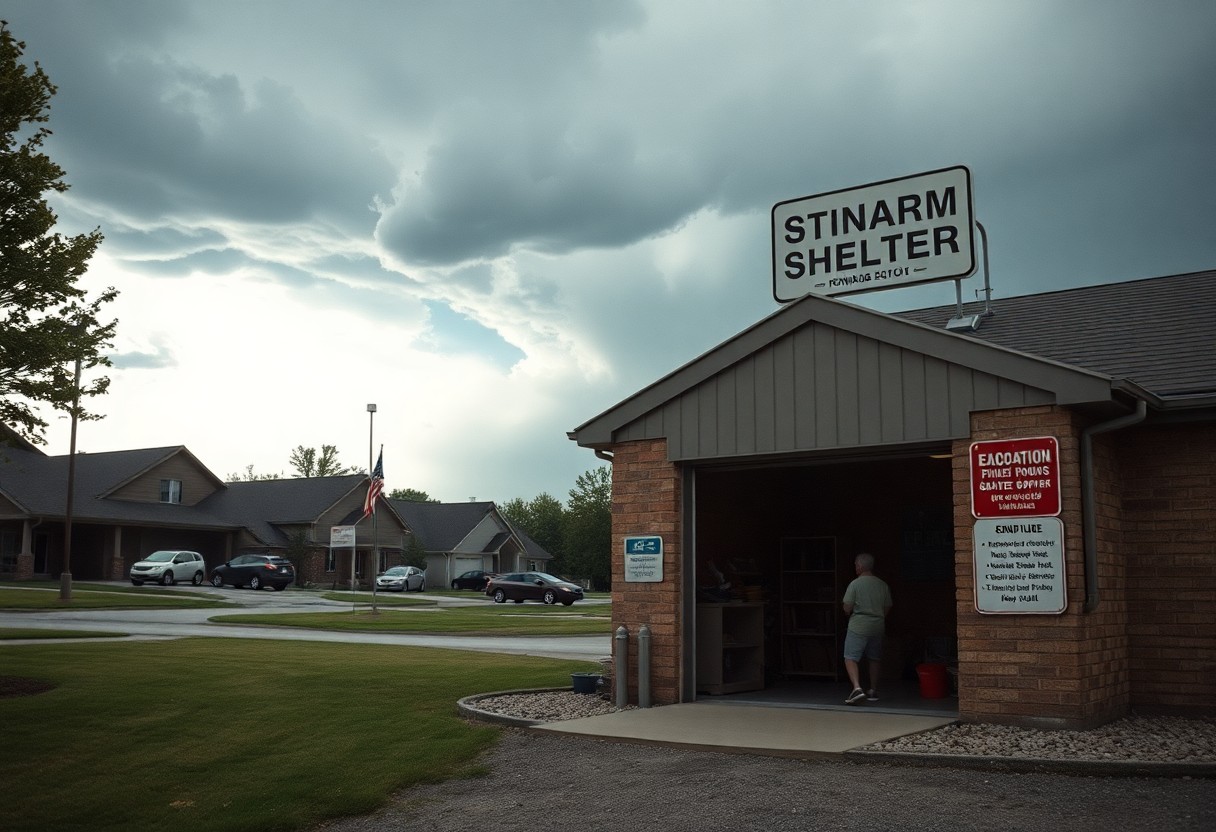
You need to be prepared for tornadoes by understanding your shelter area. Knowing where to go during severe weather can significantly increase your chances of staying safe. Make sure your shelter is sturdy, ideally located in a basement or an interior room on the lowest floor, away from windows. It’s necessary to have a plan in place with your family so you can quickly and calmly reach safety when the warning sirens sound. Invest time in preparedness to protect yourself and your loved ones during these dangerous storms.
Key Takeaways:
- Identify and locate your designated shelter area in advance.
- Ensure the shelter area is stocked with emergency supplies and communication tools.
- Practice safe shelter procedures with all household members regularly.
Understanding Tornadoes
Tornadoes are one of nature’s most violent phenomena, characterized by rapidly rotating columns of air that extend from a thunderstorm to the ground. Their wind speeds can exceed 300 miles per hour, making them capable of causing catastrophic damage. You should always be alert during severe thunderstorms, as tornadoes can form unexpectedly and propagate with little warning, leading to destruction in mere minutes.
What is a Tornado?
A tornado is a funnel-shaped cloud that forms from a thunderstorm and touches both the cloud base and the ground. These powerful storms can cause widespread destruction by uprooting trees, demolishing buildings, and tossing vehicles. As you seek shelter, keep in mind that tornadoes are often accompanied by heavy rain, hail, and intense winds.
How Tornadoes Form
Tornadoes typically form when warm, moist air meets cooler, dry air, creating instability in the atmosphere. When a rotating updraft, known as a mesocyclone, develops within a severe thunderstorm, it can lead to the formation of a tornado. You’ll notice this process often during spring and early summer months when conditions are most favorable.
In detail, tornado formation begins with the development of a supercell thunderstorm, where a strong wind shear creates rotation. As the warm, moist air rises, it interacts with the cold, dry air descending, resulting in a vertical spinning effect. This rotation intensifies as it continues to rise, and under the right conditions, it can tighten and extend downward to form a tornado. For instance, data indicates that around 1,000 tornadoes occur annually in the United States, highlighting the necessity of awareness and preparedness as this unpredictable process can lead to rapid and severe impacts on communities. Understanding these mechanics aids in recognizing the importance of timely alerts and sheltering strategies during severe weather events.
Tornado Risk Assessment
Assessing your tornado risk is vital for ensuring safety during severe weather. Understand the frequency and severity of tornado occurrences in your area. You can identify your local risk level by checking resources like the How to identify a tornado safe shelter area | Liberty+. Consider the terrain, proximity to water bodies, and historical data to evaluate how prepared your location is for tornadoes.
Identifying High-Risk Areas
High-risk areas for tornadoes typically include flat landscapes, such as plains and open fields, where wind patterns can create conditions favorable for tornado formation. If you live in these regions, you should prioritize identifying a safe shelter location. Stay informed about local weather forecasts, as tornadoes can develop rapidly, putting you at risk if you’re unprepared.
Signs of an Approaching Tornado
Be vigilant for key indicators that a tornado is imminent. Sudden changes in wind direction or speed, darkening skies, and the distinctive sound of a freight train are notable signs. Dust or debris clouds developing near the ground can also signal an approaching tornado. Staying alert to these indicators can make the difference in ensuring your safety when severe weather strikes.
Specifically, you should pay attention to a few particular signs: a noticeable drop in temperature or calmness before the storm, accompanied by a deafening roar, which often coincides with a tornado’s arrival. In addition, look for a rotating, horizontal cloud base, which is a strong visual warning to seek shelter immediately. The faster you recognize these signs, the better prepared you can be to take action and reach your designated safe area.
Preparing Your Shelter
Preparation is important for an effective tornado shelter. Make sure you designate an area within your home or community where you can quickly access protection from severe weather. This preparation involves knowing not only where to go but also having your shelter equipped with necessary supplies to endure the storm.
Ideal Shelter Locations
Your ideal shelter area should be located in a basement or an interior room on the lowest level of your home, away from windows. If a basement isn’t available, aim for a small, windowless space such as a bathroom or closet. The goal is to minimize exposure to flying debris and maximize structural support.
Essential Shelter Supplies
Stocking your shelter with important supplies is vital for safety and comfort during a tornado. Include necessities such as water, non-perishable food, a first-aid kit, flashlights, batteries, a battery-operated radio, and a whistle to signal for help.
Your supply list should be comprehensive. Aim for at least one gallon of water per person per day for three days, plus a three-day food supply that is easy to prepare. A basic first-aid kit can treat injuries that may occur during or after the tornado. A flashlight with extra batteries ensures you remain safe and can see in the dark, while a battery-operated radio keeps you informed about the storm’s progression. Additionally, pack a whistle, as it can help rescuers find you if you’re trapped. Having these supplies readily available can significantly enhance your safety and survival during a tornado event.
During a Tornado
Once a tornado warning is issued, you should take action immediately. Seek shelter in a sturdy building, preferably in a basement or small interior room on the lowest floor. Avoid windows and stay away from doors, as flying debris can lead to serious injuries. If you’re outdoors or in a vehicle, find a low-lying area to lie flat, covering your head. Always stay aware of your surroundings until the threat has passed.
Safety Precautions
During a tornado, your first step is to head to your designated shelter area without delay. Bringing a battery-powered weather radio and wearing sturdy shoes can enhance your safety. Ensure your mobile devices are charged, and keep your emergency kit accessible, equipped with necessary items like food, water, and medical supplies. If you have time, protect your head and neck with a sturdy object or your arms to minimize injury.
Emergency Communication
Effective communication during a tornado is vital for safety and rescue efforts. Ensure your family members have a designated communication plan, including a meeting point post-storm and emergency contacts. Use group messaging apps that can work even with poor service, and familiarize yourself with local emergency services’ social media channels for real-time updates.
Your ability to communicate during a tornado can significantly impact emergency responses. Text messages can often get through when cellular networks become congested, so prioritize texting over calling. Keeping a portable charger in your emergency kit ensures your devices remain powered. Additionally, local authorities may provide alerts through weather apps; enabling notifications keeps you informed of changing situations. In some areas, hearing-impaired individuals can register for alert systems that send text or video messages, greatly enhancing awareness and safety measures.
After the Tornado
As the storm subsides and the silence rolls in, it’s important to verify your safety before surveying the aftermath. Ensure that you and your loved ones are physically unharmed and that your immediate area is secure. Listen for emergency updates, and do not enter damaged buildings until a professional has cleared them for safety. In the aftermath of destruction, staying calm and focused will help you assess your next steps.
Assessing Damage
When it’s safe to venture outside, start with a thorough assessment of your property. Take note of any significant structural damage and hazardous conditions, such as downed power lines or gas leaks. Document the extent of the damage with photos, as these will be crucial for insurance claims. Pay attention to your surroundings and avoid areas that appear unstable.
Long-Term Recovery
Recovery from a tornado’s destruction can be a lengthy process. To pave the way for rebuilding, connect with local disaster relief organizations and develop a recovery plan. This might involve securing temporary housing and seeking financial assistance for repairs while also considering mental health resources to help deal with the trauma.
Long-term recovery often requires community support and coordination with various services. You may need to engage multiple resources, such as local government aid programs, FEMA assistance, and nonprofit organizations that specialize in disaster recovery. Taking a comprehensive approach not only facilitates rebuilding your home but also helps restore a sense of normalcy and resilience in your community. Engaging with neighbors and forming support networks can make a significant difference during this challenging time.
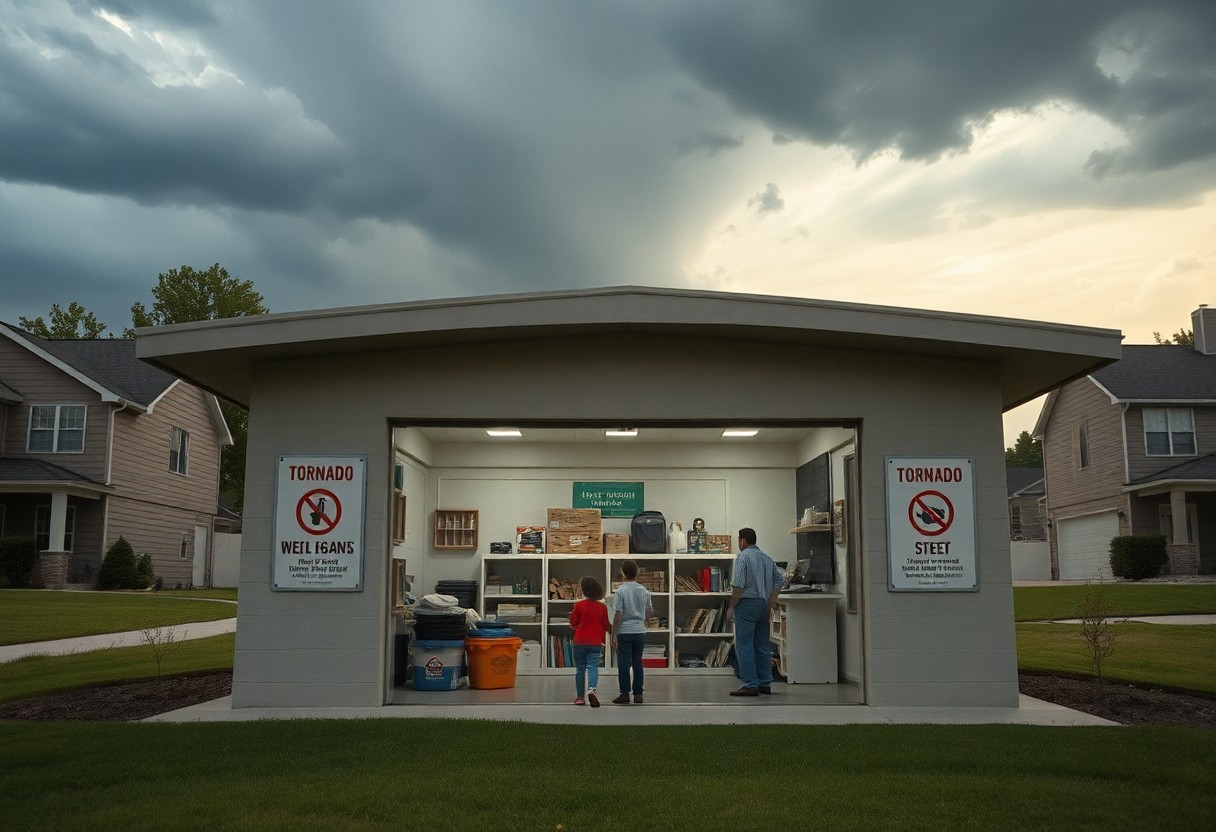
Tornado Safety Myths
Common Misconceptions
You may have heard various myths surrounding tornado safety that could mislead you in a storm situation. One prevalent myth is that you should open windows to equalize pressure before a tornado strikes, which is not only unnecessary but also dangerous. Another common misconception is that you should seek shelter under a highway overpass; however, this can actually put you at greater risk from debris and wind forces.
Facts vs. Fiction
Dispel the fiction that tornadoes are avoidable with simple actions. For instance, some believe that if they see a tornado, they can just outrun it. In reality, tornadoes can travel at speeds exceeding 60 miles per hour, making it nearly impossible to escape them once they form. Your best strategy is to seek immediate, safe shelter rather than trying to avoid the storm.
Understanding the differences between facts and myths can significantly enhance your safety during a tornado. For example, studies show that seeking shelter in a basement is the safest option, as upper floors of structures are much more susceptible to the tornado’s winds. In contrast, many mistakenly think that lying flat in a ditch is adequate protection, which exposes you to flying debris and flooding risks. Always prioritize verified safety strategies over misconceptions for your protection and peace of mind.
Summing up
Drawing together the crucial points of tornado safety, it is imperative that you identify your shelter area ahead of time. Ensure that you know the safest location in your home or building, typically a basement or interior room, where you can seek refuge during a tornado warning. Familiarize yourself with how to access this area quickly, and equip it with necessary supplies such as food, water, and a flashlight. By taking these proactive steps, you significantly enhance your safety and preparedness for severe weather events.
FAQ
Q: What is the best type of shelter for protection during a tornado?
A: The safest place during a tornado is a basement. If a basement is not available, an interior room on the lowest floor, such as a bathroom or closet, offers protection. Avoid windows and exterior walls.
Q: How can I identify my local tornado shelter area?
A: Check with your local emergency management office or visit your city’s website for designated tornado shelters. Many communities have public buildings marked as safe zones during severe weather.
Q: What supplies should I have in my tornado shelter area?
A: Keep necessary supplies in your shelter area, including a flashlight, batteries, a first aid kit, bottled water, non-perishable food, and a battery-powered weather radio to receive updates.