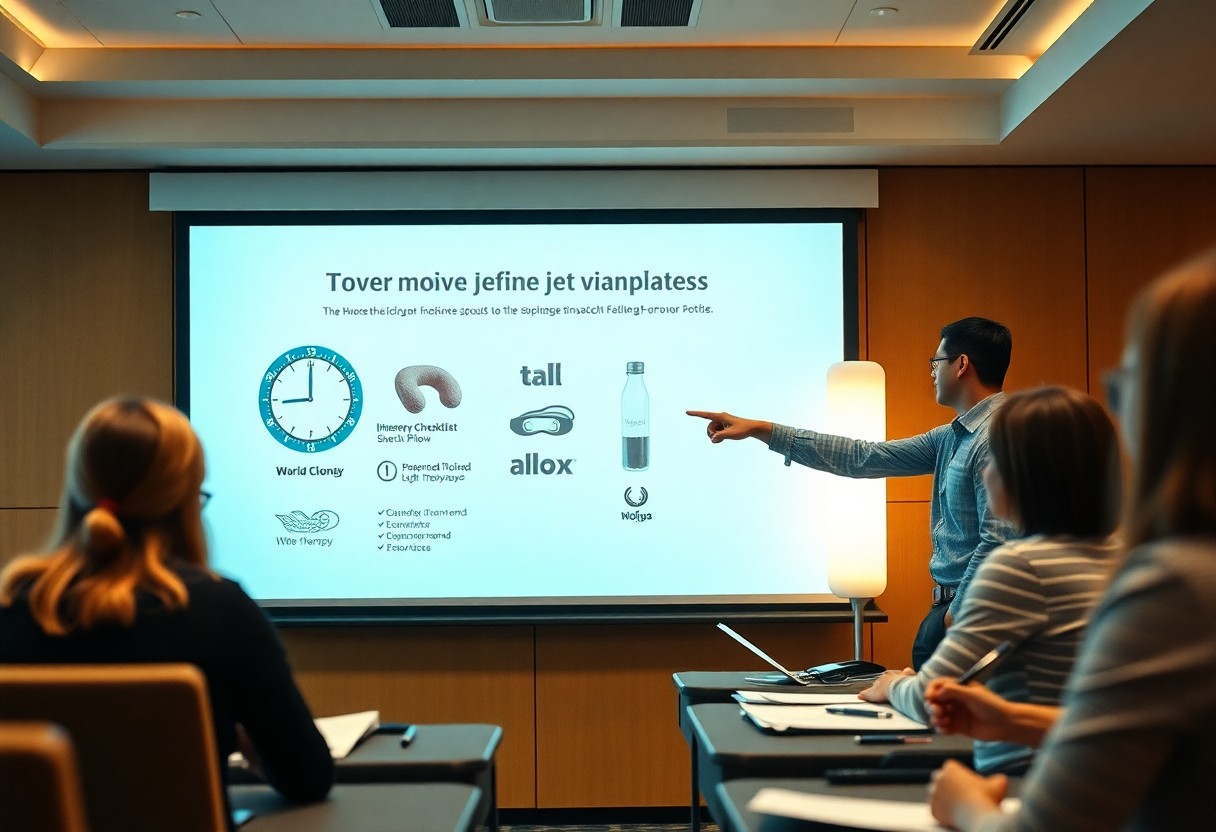
There’s a clear set of steps you can take to reduce jet lag and stay safe: shift your sleep schedule before travel, use daylight exposure to reset your clock, and stay hydrated while avoiding alcohol and sedatives. If you’re tired, do not drive – drowsy driving is dangerous. Prioritize short naps and gradual adjustment so your body can recover and you can perform safely.
Key Takeaways:
- Shift sleep and meal times a few days before travel and use timed light exposure on arrival to help reset your body clock.
- Use good sleep hygiene: hydrate, limit alcohol and caffeine, take short strategic naps, and move regularly during long flights to reduce fatigue.
- Consider short-term melatonin or medical advice for persistent jet lag; prioritize daylight exposure and consistent sleep schedules once at destination.
Understanding Jet Lag
What is Jet Lag?
Jet lag happens when your body’s circadian rhythm is out of sync with local time after crossing time zones; for example, flying from New York to London (5 hours) often yields 2-3 days of adjustment. You can use a rule of thumb: expect roughly one day per time zone when traveling east and about half a day per zone when going west, though recovery varies by age, fitness, and prior sleep debt.
Causes of Jet Lag
Primary causes include circadian misalignment, exposure to inappropriate light, and disrupted sleep-wake schedules. Long flights create sleep deprivation, cabin hypoxia and dehydration that worsen symptoms, while blue light from screens suppresses melatonin. You should note that jet lag can produce impaired reaction time, reduced alertness and digestive upset, increasing safety risks on arrival.
Light is the strongest environmental cue: morning bright light advances your clock, evening light delays it, so timing matters. Your internal clock typically shifts about 1 hour per day without intervention, making eastward travel harder than westward. Strategic timed light exposure, meal timing and controlled sleep episodes, plus targeted use of melatonin or light therapy, are effective methods to speed realignment when you apply them based on the number of zones crossed.
Symptoms of Jet Lag
You’ll notice symptoms typically hit within hours and often follow the rule of thumb of about one day per time zone crossed. You may experience both sleep-wake disruption and daytime impairment; severity depends on travel direction (with eastward travel often worse), number of zones crossed, and prior sleep debt. Symptoms commonly peak within 24-72 hours.
Physical Symptoms
Common physical signs you’ll feel include excessive daytime sleepiness, fragmented night sleep, headaches, digestive upset, and muscle stiffness. Cabin dehydration and prolonged immobility can worsen these effects, so if you cross 6-8 time zones expect greater fatigue and slower recovery. Short naps, hydration, and timed light exposure help reset your circadian rhythm.
Emotional and Cognitive Symptoms
You may experience irritability, mood swings, emotional flattening, slower processing speed, poor concentration, and short-term memory slips. These cognitive changes can lower work quality and decision-making, and in safety-sensitive activities translate to increased accident risk. Social interactions and professional performance often suffer until your rhythm realigns.
You’ll find tasks requiring executive function-planning, multi-step reasoning, and sustained attention-are hit hardest; after crossing several time zones many people report trouble following meetings or driving long stretches. Practical measures like timed bright-light exposure, 30-minute naps, and shifting your schedule 1-2 hours per day before travel can speed recovery, with most travelers seeing substantial improvement within a few days.
Strategies for Preventing Jet Lag
Shift your sleep schedule 1-2 hours per day starting 3-5 days before travel to match destination time; for a 9-hour eastward trip, aim to advance sleep by 1-2 hours nightly. Use strategic light exposure-morning light for eastward trips, evening light for westward-to reset your circadian clock. When appropriate, try short-term melatonin (0.5-3 mg) 30-60 minutes before target sleep, avoid alcohol pre-flight, and limit naps to 20 minutes to reduce grogginess.
Pre-Travel Preparations
Start shifting your schedule 3-5 days out: move your sleep and meal times by 1-2 hours per day toward destination time and test a 20‑minute nap routine so you know how your body reacts. Pack a sleep kit (mask, earplugs, neck pillow) and trial a melatonin (0.5-3 mg) dose if you use it, giving yourself time to assess side effects. Keep your fluids up and avoid alcohol the day before travel to reduce sleep fragmentation.
- Adjust sleep by 1-2 hours per day.
- Meal timing to match destination schedule.
- Pack sleep kit with mask, earplugs, pillow.
- Thou test melatonin dose before the trip.
During Travel Tips
Once onboard, set your watch to destination time and follow that schedule for sleep and activity so you start entrainment immediately. Get up and move every 60-90 minutes, perform light stretches, and favor 20‑minute naps over long dozes to avoid inertia. Sip water steadily-hydrate to offset cabin dehydration-and limit caffeine to the first half of a long flight; use an eye mask and earplugs to maximize sleep quality.
- Set your watch to local time immediately.
- Move every 60-90 minutes to reduce stiffness and DVT risk.
- Hydrate consistently and limit excess caffeine.
- Thou use sleep aids like masks and earplugs strategically.
For long hauls, plan a consolidated sleep block that aligns with nighttime at your destination-for instance, on a 10‑hour flight crossing five time zones aim for a 4-6 hour sleep window plus short naps on layovers. Time moderate caffeine (50-200 mg) to help you remain alert until local evening, and avoid heavy meals within two hours of planned sleep to reduce sleep disruption. Adjust activity and light exposure during stops to reinforce the new schedule.
- Plan sleep blocks to match destination night.
- Caffeine timing 50-200 mg to shift wakefulness.
- Avoid heavy meals within two hours of sleep.
- Thou limit naps to 20 minutes to prevent grogginess.
Managing Jet Lag After Arrival
You can speed recovery by syncing behavior to local time: get sunlight, meal timing, and activity aligned immediately because your circadian clock typically shifts about 1 hour per day. If you need practical steps, follow tips like those in How to prevent jet lag from ruining your vacation and prioritize daytime exposure, short naps, and gradual schedule shifts to reduce fatigue and performance loss.
Adjusting to the New Time Zone
If you travel east, seek morning light to advance your clock; if west, aim for evening light to delay it. Shift sleep and meals by 1-2 hours per day where possible, limit naps to 20-30 minutes, and use brief, brisk exercise within two hours of wake to boost alertness and reset rhythm.
Hydration and Nutrition
During and after long flights, aim to drink about 250-300 mL per hour, avoid alcohol, and limit caffeine within 6-8 hours of your intended bedtime. Choose light, balanced meals on local time-small portions of protein and complex carbs-to support energy without disrupting sleep.
On arrival, drink 500 mL of water and continue electrolytes if you felt very thirsty in flight; monitor urine color for hydration status. For meals, target 20-30 g protein at breakfast to improve wakefulness, avoid heavy or spicy dinners within three hours of sleep, and use snacks (fruit, nuts) to maintain steady glucose without causing overnight wakefulness.
Natural Remedies and Supplements
You can supplement travel strategies with targeted natural options; evidence shows melatonin and timed light exposure most consistently reduce jet lag, especially when crossing >3 time zones. Use short courses and precise timing rather than long-term use. Be aware of interactions with prescription meds and always check labels and sourcing to reduce risk.
Melatonin and Other Supplements
Take melatonin 0.5-5 mg 30-60 minutes before your target bedtime at destination for up to 3-4 days; lower doses (0.5-2 mg) often work better. For eastward travel, take in the evening; for westward travel, delay until later night. Avoid combining melatonin with sedatives or alcohol and do not drive if you feel drowsy.
Herbal Remedies
Valerian (300-600 mg), chamomile (200-400 mg or one tea), lavender aromatherapy and ashwagandha (300-500 mg) can ease sleep onset for some travelers, though results vary. Use standardized extracts and short trials. Kava has been linked to liver failure and should be avoided, so do not substitute it as a quick fix.
Start low and test one herb at a time for 7-14 days; if you take SSRIs, MAOIs, benzodiazepines, or are pregnant/nursing, consult a clinician first. Check for third-party testing like USP/NSF and stop use if you experience prolonged daytime sedation (>12 hours), digestive upset, or signs of liver injury (dark urine, yellowing).
Importance of Sleep Hygiene
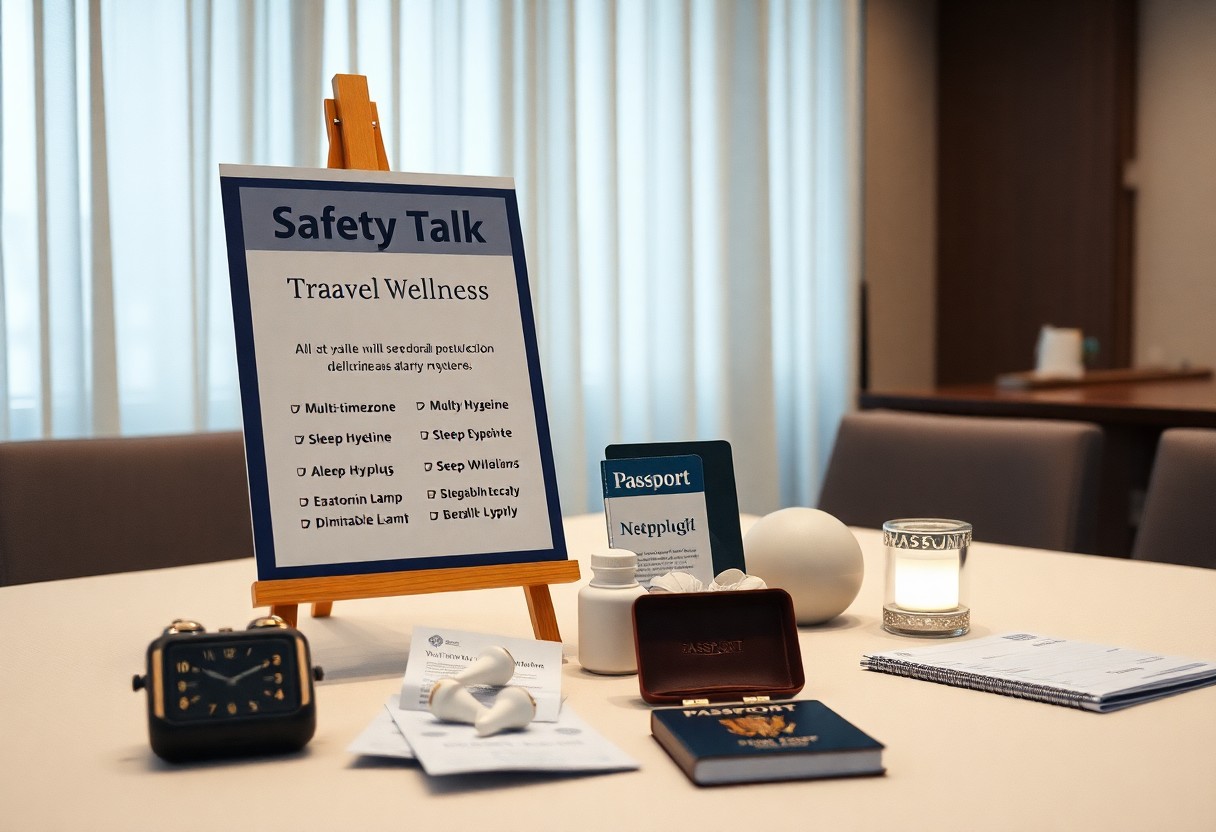
Maintaining strong sleep hygiene directly reduces jet lag and daytime fatigue. You should aim for 7-9 hours of consolidated sleep when possible; traveling across 3+ time zones commonly disrupts circadian cues and increases daytime sleepiness. Adopt consistent bed/wake times, timed light exposure, and limit naps to 20-30 minutes to protect sleep drive and speed recovery.
Creating an Optimal Sleep Environment
Set your bedroom to 16-19°C (60-67°F), use blackout curtains or an eye mask to eliminate light, and choose a supportive mattress and pillow for proper alignment. White-noise machines or earplugs reduce disturbances-keep ambient noise below 40 dB. Reduce blue light for at least 30-60 minutes before sleep and pack a travel eye mask and earplugs for flights or unfamiliar hotels.
Sleep Routines and Practices
Establish fixed sleep and wake times even when away; when shifting to a new timezone, adjust your schedule by 1 hour per day toward the target time. Use morning bright-light exposure for west-to-east travel or evening light for east-to-west, and avoid caffeine within 6 hours of planned sleep. Short naps under 30 minutes can restore alertness without impairing nighttime sleep.
If you cross 5 time zones east, start advancing sleep and meals by 1-2 hours 3 days before departure, and after arrival seek morning light. For westbound trips delay schedule similarly. Consider 0.5-3 mg melatonin at target bedtime for up to 4 nights-clinical trials show benefit for jet‑lag reduction-but test at home first. Also build a pre‑travel sleep bank by adding 1-2 hours of sleep the week before travel.
Final Words
Taking this into account, you can proactively manage jet lag and fatigue by shifting your sleep schedule before travel, using strategic light exposure and hydration, pacing activity, limiting alcohol and heavy meals, and using short power naps or melatonin when appropriate; consult a healthcare professional if symptoms persist or you have underlying health concerns.
FAQ
Q: What causes jet lag and what can I do before, during and after my flight to reduce its effects?
A: Jet lag arises from a mismatch between your internal circadian clock and the local time at your destination. Before travel, shift your sleep and meal times toward the destination time zone by 30-60 minutes per day when possible. During the flight, stay hydrated, avoid alcohol and excessive caffeine, sleep if it’s nighttime at your destination and use an eye mask and earplugs to improve rest. After arrival, use timed exposure to bright light (morning light for eastward travel, evening light for westward travel) to help reset your clock, keep activity levels moderate, and aim for short naps (20-30 minutes) only if needed to avoid disrupting nighttime sleep.
Q: What practical steps help manage fatigue safely while traveling and once I arrive?
A: Prioritize sleep hygiene: keep regular bedtimes, make sleeping conditions dark and cool, and limit screen time before bed. Pace physical activity-light exercise and walking help alertness, but avoid intense workouts close to bedtime. Use caffeine strategically (early day and before periods needing alertness) and stop intake 6-8 hours before planned sleep. If you must drive after long travel, take breaks every 1-2 hours, share driving duties, or delay driving until you’ve had restorative sleep. For in-flight safety and comfort, stand and stretch every hour, wear compression socks on long flights to reduce VTE risk, and keep cabin fluids up.
Q: When should I seek medical advice and what special considerations apply to children, older adults, or people with sleep disorders?
A: See a healthcare provider if extreme sleepiness persists beyond a few days, you experience confusion or impaired judgment, have frequent microsleeps, or if you have preexisting conditions (sleep apnea, cardiovascular disease, clotting disorders) that travel may worsen. Children and older adults often need more gradual schedule shifts and closer hydration and monitoring. People on medications or with sleep disorders should consult a clinician before using melatonin or prescription sleep aids; typical melatonin dosing is low (0.5-3 mg) timed 30-60 minutes before desired sleep onset, but dosing and timing depend on individual factors and drug interactions. For long-haul travelers with high VTE risk, seek medical advice on additional preventive measures.